
In the relentless pace of modern life, the tension that accumulates in our muscles often becomes an unwelcome companion. From the chronic strain of desk jobs to the physical demands of exercise, our bodies are constantly working. While traditional methods of relaxation have their place, the 21st century offers a burgeoning array of technological solutions designed to soothe, restore, and ultimately, relax our overworked musculature. This exploration delves into the cutting-edge of technology that is revolutionizing how we approach muscle relaxation, moving beyond anecdotal remedies to data-driven, personalized, and highly effective interventions. We will examine the devices, software, and digital ecosystems that are transforming the landscape of physical well-being, offering accessible and powerful tools for everyone seeking relief.

The Rise of Smart Recovery Devices
The proliferation of personal electronics has extended into the realm of physical recovery, with a wave of innovative devices designed to directly target muscle tension and promote healing. These aren’t just passive gadgets; they are often sophisticated pieces of engineering that utilize specific physical principles to deliver targeted relief. The accessibility and increasing affordability of these technologies have democratized access to professional-grade recovery tools, empowering individuals to take an active role in managing their muscle health.
Percussion and Vibration Therapy: The Power of Targeted Stimulation
Percussion therapy devices, often known as massage guns, have become ubiquitous in gyms, physical therapy clinics, and even home settings. These devices deliver rapid, repetitive pulses of pressure deep into muscle tissue. The mechanism behind their efficacy lies in their ability to:
- Increase Blood Flow: The percussive action helps to dilate blood vessels, improving circulation to the targeted muscle. Enhanced blood flow delivers more oxygen and nutrients, essential for muscle repair and reducing inflammation.
- Break Down Adhesions: Muscle adhesions, often referred to as “knots,” are bands of tight muscle fibers that can restrict movement and cause pain. Percussion therapy can effectively break down these adhesions by applying focused pressure.
- Reduce Muscle Soreness (DOMS): By stimulating nerve endings and promoting waste product removal, these devices can significantly alleviate the delayed onset muscle soreness that often follows intense physical activity.
- Improve Range of Motion: Releasing muscle tension and breaking down adhesions can lead to a noticeable improvement in flexibility and overall range of motion.
Vibration therapy, while often less intense than percussive therapy, also plays a crucial role. Whole-body vibration platforms, for instance, subject the user to oscillating movements that can trigger muscle contractions and relaxations. This can lead to improved muscle strength, bone density, and circulation. Handheld vibration massagers, on the other hand, offer a more localized approach, providing a soothing sensation that can ease superficial muscle tightness. The technological advancement here lies in the precision of the motors, the variety of amplitude and frequency settings, and the ergonomic design that allows for easy self-application.
Electrical Muscle Stimulation (EMS) and Transcutaneous Electrical Nerve Stimulation (TENS)
EMS and TENS units represent a more clinical, yet increasingly consumer-friendly, approach to muscle relaxation and pain management. While both utilize electrical currents, their primary applications differ.
-
Electrical Muscle Stimulation (EMS): EMS devices deliver electrical impulses that cause muscles to contract and then relax. This mimics the body’s natural muscle activation but can be used to:
- Rehabilitate Injured Muscles: For individuals recovering from injury or surgery, EMS can help maintain muscle mass and strength when voluntary contraction is difficult or impossible.
- Improve Muscle Tone: Regular use can contribute to stronger and more toned muscles.
- Promote Recovery: The rhythmic contractions and relaxations can aid in flushing out metabolic byproducts and improving blood flow, thus accelerating recovery.
-
Transcutaneous Electrical Nerve Stimulation (TENS): TENS units, conversely, focus on pain relief by interfering with pain signals transmitted to the brain. They do this by:
- Blocking Pain Signals: The electrical pulses stimulate sensory nerves, which can override or block pain signals from reaching the brain.
- Releasing Endorphins: The electrical stimulation can also trigger the release of endorphins, the body’s natural painkillers, which contribute to a sense of well-being and relaxation.
Modern EMS and TENS devices are increasingly sophisticated, offering customizable programs, intensity levels, and targeted electrode placements. Many now feature app integration, allowing users to track their sessions, adjust parameters, and even receive personalized recommendations based on their specific needs and reported pain levels. This data-driven approach ensures a more effective and tailored experience.
Digital Platforms and Software for Mindful Muscle Recovery
Beyond physical devices, the digital realm offers a wealth of software and platforms that guide users toward muscle relaxation through structured programs, biofeedback, and immersive experiences. These technologies leverage the power of guided instruction and data analysis to foster a deeper understanding of the body and promote sustainable relaxation habits.
Guided Meditation and Mindfulness Apps: The Digital Sanctuary
The connection between the mind and body is undeniable, and stress often manifests as muscle tension. Guided meditation and mindfulness apps have emerged as powerful tools for addressing this psychosomatic component of muscle tightness. These platforms offer:
- Auditory Guidance: Expert-led audio sessions guide users through relaxation techniques, breathing exercises, and body scan meditations. This structured approach makes it easier for beginners to engage with mindfulness practices.
- Personalized Programs: Many apps allow users to select sessions based on specific needs, such as “tension relief,” “sleep aid,” or “post-workout recovery.” This tailored approach ensures relevance and efficacy.
- Progress Tracking: Users can often track their meditation streaks, session durations, and perceived levels of relaxation, fostering a sense of accomplishment and encouraging continued practice.
- The Science of Sound: Some advanced apps incorporate binaural beats or specific sound frequencies designed to promote brainwave states associated with relaxation and deep rest.
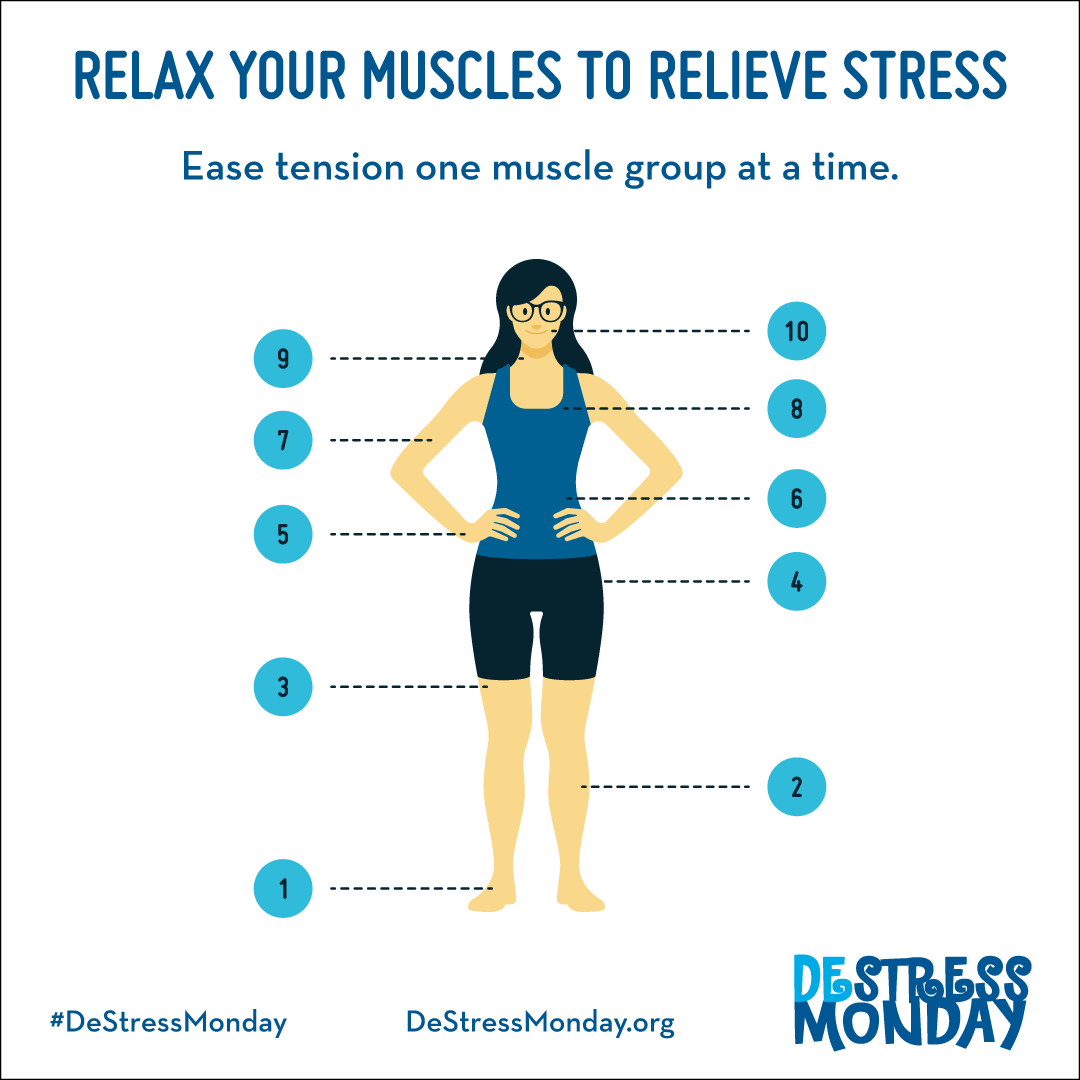
By helping individuals to calm their minds, reduce stress hormones, and cultivate a greater awareness of their bodily sensations, these digital sanctuaries indirectly contribute to the relaxation of tense muscles.
Biofeedback Technology: Harnessing the Body’s Own Signals
Biofeedback technology represents a more sophisticated and data-intensive approach to muscle relaxation, empowering users to gain conscious control over physiological processes that were once thought to be involuntary.
- What is Biofeedback? Biofeedback devices measure physiological signals such as muscle tension (electromyography – EMG), heart rate, and skin conductance. These signals are then displayed to the user in real-time, often visually or audibly, allowing them to see how their thoughts and actions affect their bodily responses.
- Applications in Muscle Relaxation:
- EMG Biofeedback: This is particularly relevant for muscle relaxation. By monitoring muscle activity, users can learn to consciously relax specific muscle groups. For example, someone with chronic neck tension might use EMG biofeedback to learn to identify and release the tightness in their trapezius muscles. The device provides immediate feedback, showing them when they are succeeding in relaxing the muscle.
- Heart Rate Variability (HRV) Biofeedback: Improved HRV is strongly correlated with relaxation and stress resilience. By practicing techniques that increase HRV, users can promote a more relaxed state throughout their body, which in turn can alleviate muscle tension.
The integration of biofeedback into wearable devices and smartphone applications is making this powerful technology more accessible. This shift allows individuals to not only understand their physiological responses but also to actively train their bodies to achieve a state of deep relaxation, directly impacting muscle tension and overall well-being.
Wearable Technology and Smart Fabrics: Continuous Relaxation
The miniaturization and integration of technology into everyday objects, particularly wearable devices and smart fabrics, are paving the way for continuous muscle relaxation and proactive recovery. These innovations are seamlessly woven into our lives, offering benefits that extend far beyond traditional relaxation methods.
Smart Wearables for Performance and Recovery Monitoring
Smartwatches, fitness trackers, and specialized wearables are increasingly equipped with sensors that go beyond basic activity tracking. They are now capable of:
- Monitoring Muscle Oxygenation: Some advanced wearables can estimate muscle oxygen levels, providing insights into muscle fatigue and recovery status. This data can inform when to push harder and when to prioritize rest and relaxation.
- Tracking Muscle Activation and Fatigue: Emerging technologies are exploring ways to measure muscle activation patterns and detect early signs of fatigue, allowing for preemptive rest and targeted relaxation interventions.
- Providing Real-Time Feedback: Integrated haptic feedback or notifications can prompt users to adjust their posture, take breaks, or engage in stretching exercises when muscle strain is detected.
By providing a constant stream of physiological data, these wearables empower users with an unprecedented understanding of their body’s performance and recovery needs, enabling them to proactively manage muscle tension before it becomes a significant issue.
Smart Fabrics with Integrated Therapeutic Technologies
The concept of clothing that actively contributes to well-being is no longer science fiction. Smart fabrics are being developed with embedded technologies that can directly influence muscle relaxation.
- Compression Wear with Targeted Zones: Advanced compression garments use varying levels of compression in specific areas to promote blood flow, reduce swelling, and support muscles. Some also incorporate micro-massage or acupressure elements woven into the fabric.
- Temperature-Regulating Fabrics: Fabrics that can actively heat or cool targeted muscle groups can provide soothing relief. For example, mild heating can relax stiff muscles, while targeted cooling can reduce inflammation after intense activity.
- Embedded Conductive Threads for EMS/TENS: Research is ongoing in developing clothing with integrated conductive threads that can deliver low-level electrical stimulation to specific muscle groups, offering discreet and continuous therapeutic benefits.
These innovations signify a paradigm shift, where our attire actively participates in our recovery and well-being, offering a passive yet potent form of muscle relaxation throughout the day.

The Future of Tech-Driven Muscle Relaxation
The trajectory of technological innovation in muscle relaxation is one of increasing personalization, integration, and sophistication. As AI continues to advance, we can expect even more tailored and predictive solutions. Wearable sensors will become more sophisticated and less obtrusive, providing a continuous, real-time stream of physiological data that informs personalized recovery protocols. We may see AI-powered personal trainers that not only guide workouts but also dynamically adjust recovery strategies based on an individual’s unique muscle response.
Furthermore, the convergence of virtual reality (VR) and biofeedback could lead to immersive relaxation experiences where users can engage in calming virtual environments while their physiological responses are monitored and adjusted in real-time to promote deep muscle relaxation. The integration of these technologies promises a future where managing muscle tension and promoting physical well-being is not just an occasional effort but a seamless, data-driven, and highly effective part of daily life. The pursuit of relaxation, once a passive endeavor, is rapidly becoming an active, informed, and technologically empowered journey.
aViewFromTheCave is a participant in the Amazon Services LLC Associates Program, an affiliate advertising program designed to provide a means for sites to earn advertising fees by advertising and linking to Amazon.com. Amazon, the Amazon logo, AmazonSupply, and the AmazonSupply logo are trademarks of Amazon.com, Inc. or its affiliates. As an Amazon Associate we earn affiliate commissions from qualifying purchases.