
In the rapidly evolving landscape of consumer electronics, few specifications are as debated—and misunderstood—as the “refresh rate.” As you browse the aisles of a tech retailer or scroll through online spec sheets, you are inevitably confronted with a choice: 60Hz or 120Hz. While it may seem like a simple case of “higher is better,” the technical nuances behind these numbers dictate everything from how you experience a high-octane video game to how a cinematic masterpiece looks in your living room.
In the realm of display technology, the refresh rate is a foundational pillar of visual fidelity. This article explores the technical differences between 60Hz and 120Hz displays, delving into motion processing, gaming performance, and whether the average viewer truly needs the extra frames.
1. Understanding the Fundamentals: What is Refresh Rate?
To appreciate the difference between 60Hz and 120Hz, we must first understand what the term actually signifies. In technical terms, the refresh rate is the number of times per second a display updates its image. This is measured in Hertz (Hz). A 60Hz TV refreshes the image 60 times every second, while a 120Hz TV does so 120 times.
The Relationship Between Refresh Rate and Frame Rate
While often used interchangeably, “refresh rate” and “frame rate” (FPS) are distinct concepts. Frame rate refers to the number of frames the source device (a game console, Blu-ray player, or streaming stick) sends to the TV. Refresh rate is the frequency at which the TV is capable of displaying those frames.
For a perfectly smooth experience, these two should ideally be synchronized. If a console outputs 60 frames per second and the TV refreshes at 60Hz, every refresh cycle receives a new frame. However, when the refresh rate exceeds the frame rate, the TV must use various processing techniques to fill the gaps, which brings us to the core advantages of 120Hz panels.
Persistence of Vision and Motion Blur
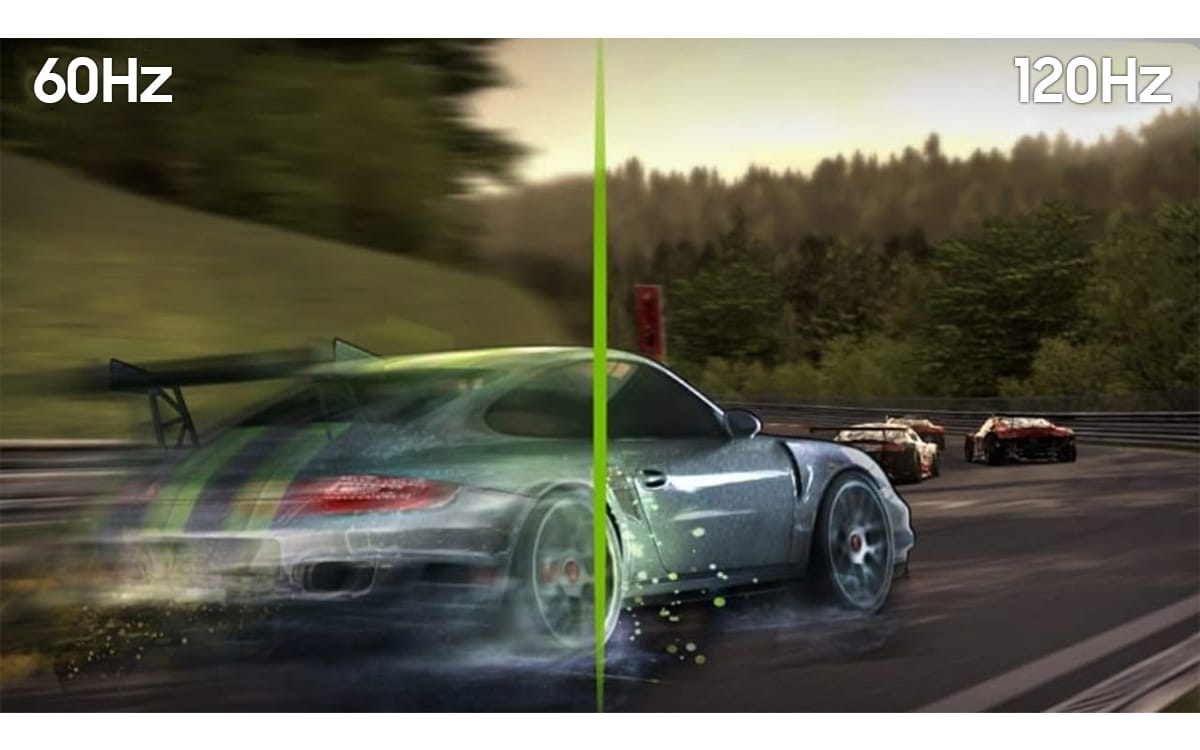
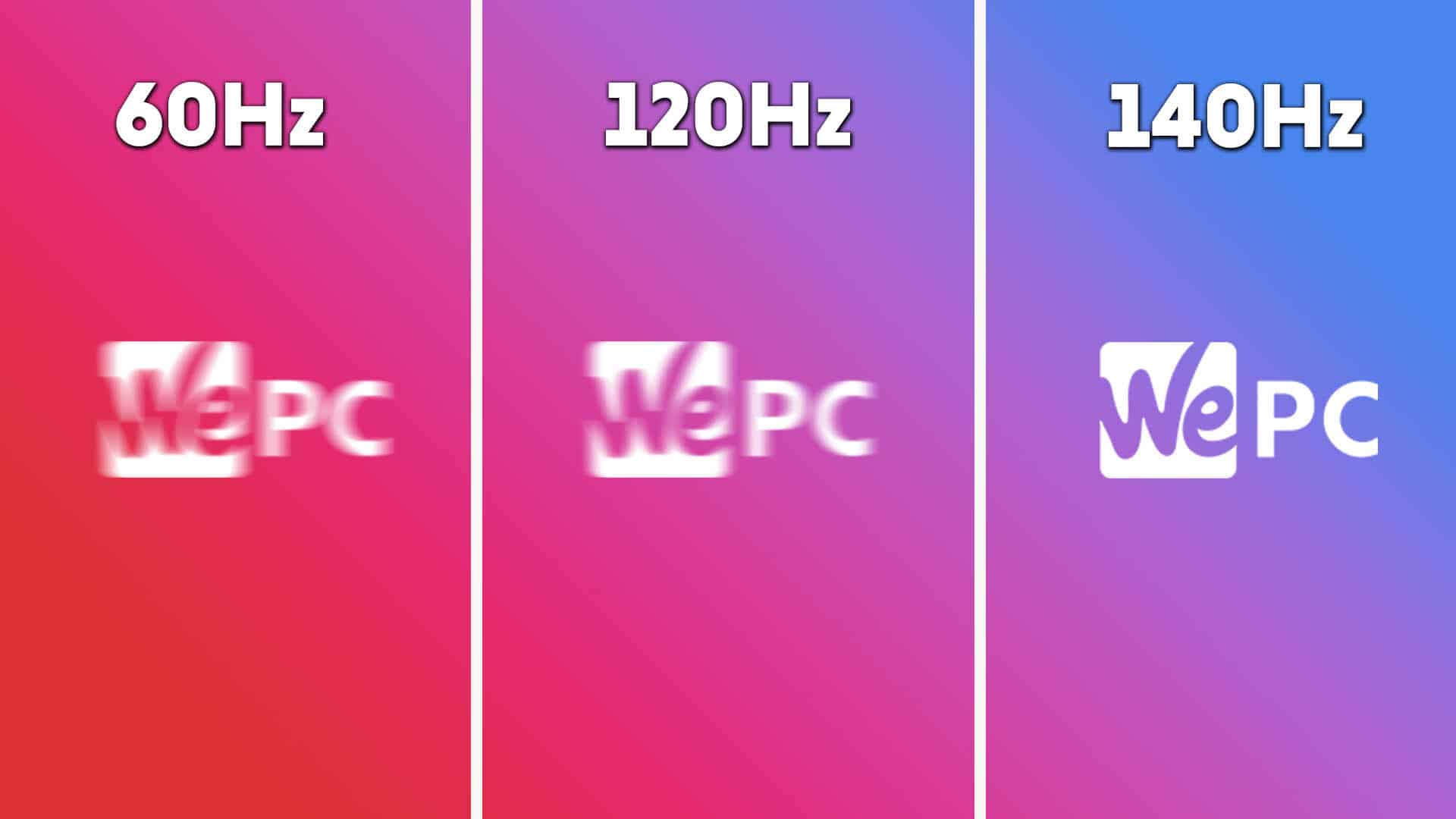
Human biology plays a significant role in how we perceive these numbers. Due to the “persistence of vision,” our brains bridge the gap between static images to create the illusion of motion. On a 60Hz screen, fast-moving objects can sometimes appear blurry because the transition between frames is relatively slow. By doubling the frequency to 120Hz, the “blackout” period between image updates is halved, significantly reducing perceived motion blur and creating a more fluid visual experience.
2. The Visual Difference: Why 120Hz Wins in High-Motion Scenarios
While a 60Hz display is perfectly adequate for the local news or a sitcom, certain types of content push the limits of lower refresh rates. This is where 120Hz technology proves its value as a superior tech spec.
The Gaming Revolution: Low Latency and Fluidity
For gamers, 120Hz is no longer a luxury; it is becoming a standard. With the advent of the PlayStation 5, Xbox Series X, and high-end PC GPUs, games can now be rendered at 120 FPS.
- Reduced Input Lag: Because the screen refreshes twice as often, the time between you pressing a button and seeing the action on screen is reduced.
- Competitive Edge: In fast-paced shooters or racing games, the increased fluidness allows for better tracking of moving targets. A 120Hz panel provides more up-to-date visual information, allowing for faster reaction times.
Live Sports and High-Speed Action
Sports broadcasting is another area where 120Hz shines. In a game of football or a tennis match, the ball moves across the screen at incredible speeds. On a 60Hz panel, you might notice a “trailing” or “ghosting” effect behind the ball. A 120Hz panel, through its native speed or advanced motion handling, keeps the image crisp, allowing you to follow the action without the distracting smear associated with lower-end panels.
The 24fps Cinema Standard and the “Judder” Problem
Perhaps the most technical advantage of 120Hz involves how it handles movies. Most films are shot at 24 frames per second.
- The 60Hz Struggle: Since 60 is not a multiple of 24, a 60Hz TV must use a process called “3:2 pulldown” to show film content. It displays one frame for three refresh cycles and the next for two. This creates a slight rhythmic unevenness known as “judder.”
- The 120Hz Solution: Because 120 is a perfect multiple of 24 (24 x 5 = 120), a 120Hz TV can display each cinematic frame exactly five times. This results in perfectly smooth, judder-free motion that preserves the original “film look” intended by directors.
3. Technical Enhancements: The Software and Hardware Synergy
The leap from 60Hz to 120Hz isn’t just about the panel itself; it’s about the supporting hardware and the software algorithms that govern how pixels behave.
Motion Interpolation (The “Soap Opera Effect”)
Many 120Hz TVs use a software technique called Motion Estimation, Motion Compensation (MEMC). The TV’s processor analyzes two consecutive frames and “invents” a middle frame to insert between them. While this makes motion look incredibly fluid, it can lead to the “Soap Opera Effect,” where movies look like high-definition home videos. High-end 120Hz TVs give users granular control over this software, allowing them to benefit from the panel’s speed without sacrificing the artistic intent of the content.
HDMI 2.1: The Gateway to High Refresh Rates
To truly utilize a 120Hz refresh rate at 4K resolution, the TV must be equipped with HDMI 2.1 ports. Older HDMI 2.0 ports lack the bandwidth to carry a 4K/120Hz signal, capping out at 4K/60Hz. When shopping for a 120Hz TV, tech enthusiasts must ensure the device features “Full Bandwidth” HDMI 2.1 to future-proof their setup for modern consoles and high-end media players.
Variable Refresh Rate (VRR)
A significant technical companion to 120Hz panels is Variable Refresh Rate (VRR). In gaming, the frame rate often fluctuates depending on the complexity of the scene. If a TV has a fixed 60Hz refresh rate but the game drops to 45 FPS, you get “screen tearing.” 120Hz TVs with VRR can dynamically adjust their refresh rate to match the console’s output in real-time, ensuring a tear-free, seamless experience regardless of performance dips.
4. Making the Choice: Factors Beyond the Number
While 120Hz is objectively superior in terms of specifications, several factors influence whether it is the right choice for every consumer.
Panel Quality: OLED vs. LCD
A 120Hz refresh rate is only one part of the equation. An entry-level 120Hz LCD might still suffer from slower “pixel response times” (the time it takes a pixel to change color), leading to some blur. Conversely, 120Hz OLED panels have near-instantaneous response times, making them the gold standard for motion clarity. When choosing a TV, the underlying panel technology is just as important as the refresh rate itself.
Content Availability
It is important to acknowledge that the vast majority of broadcast TV, streaming content (Netflix, Disney+), and YouTube videos are capped at 30 or 60 FPS. If you primarily watch news, talk shows, or standard YouTube creators, a 120Hz panel will spend most of its time “idling” or duplicating frames. The investment in 120Hz is primarily for those who consume “high-performance” content like 4K Blu-rays or modern video games.
The Price-to-Performance Ratio
Historically, 120Hz was reserved for flagship models. While prices have dropped, 120Hz TVs still command a premium. For a casual viewer who uses their TV as background noise or for standard streaming, a high-quality 60Hz 4K TV with good HDR (High Dynamic Range) and color accuracy might provide a better visual experience for the price than a cheap, poorly optimized 120Hz unit.
5. The Future of Display Technology: Beyond 120Hz
As we look toward the future of display tech, the 60 vs. 120 debate is just the beginning. The industry is already seeing the emergence of even higher refresh rates and smarter processing.
144Hz and 240Hz in the TV Space
What was once the domain of PC monitors is trickling into the TV market. Some premium gaming-focused TVs now support 144Hz. While the difference between 60Hz and 120Hz is jarringly obvious to the human eye, the jump from 120Hz to 144Hz offers diminishing returns for everyone except professional eSports athletes.
AI-Driven Motion Processing
Modern TV processors are now using Artificial Intelligence and Neural Networks to improve motion. These chips can identify specific objects—like a soccer ball or a human face—and apply motion smoothing only to the areas that need it, leaving the rest of the image untouched. This intelligent processing works best on 120Hz panels, where there is more “temporal data” to work with.
Final Verdict: Which is Better?
From a purely technical standpoint, 120Hz is the clear winner. It offers superior motion clarity, eliminates cinematic judder, provides a massive advantage for gaming, and future-proofs your home theater setup.
However, technology should always serve the user’s needs. If you are a gamer or a cinephile who demands the most accurate representation of 24p film, the upgrade to 120Hz is perhaps the most significant hardware improvement you can make. If you are a casual viewer looking for the best value, a 60Hz TV with excellent brightness and contrast will still serve you well. In the current tech climate, 120Hz represents the “sweet spot” of high-end performance, marking the transition from a standard viewing experience to a truly immersive one.
aViewFromTheCave is a participant in the Amazon Services LLC Associates Program, an affiliate advertising program designed to provide a means for sites to earn advertising fees by advertising and linking to Amazon.com. Amazon, the Amazon logo, AmazonSupply, and the AmazonSupply logo are trademarks of Amazon.com, Inc. or its affiliates. As an Amazon Associate we earn affiliate commissions from qualifying purchases.