
In today’s fast-paced world, anxiety has become an increasingly common and pervasive concern. While it’s a natural human emotion, persistent or overwhelming anxiety can significantly impact our well-being, productivity, and overall quality of life. Fortunately, a growing body of evidence points towards the transformative power of technology in managing and reducing anxiety. From sophisticated AI-driven platforms to intuitive mobile applications and innovative digital tools, technology offers a diverse and accessible arsenal for individuals seeking solace and effective coping mechanisms. This article will delve into the various technological avenues that are proving instrumental in alleviating anxiety, exploring how these digital solutions are reshaping our approach to mental well-being.
The Rise of Digital Therapeutics and AI in Mental Health
The integration of technology into mental healthcare, often termed digital therapeutics, represents a significant paradigm shift. These are evidence-based therapeutic interventions delivered via software to prevent, manage, or treat a medical disorder or disease. For anxiety, this translates to highly personalized and scalable solutions.
AI-Powered Cognitive Behavioral Therapy (CBT) Platforms
Cognitive Behavioral Therapy (CBT) is a well-established and highly effective treatment for anxiety disorders. Traditionally, CBT involves sessions with a therapist, which can be costly and time-consuming. AI has revolutionized this by making CBT principles accessible through digital platforms. These platforms utilize natural language processing (NLP) and machine learning to understand user input, provide personalized feedback, and guide individuals through CBT exercises.
- Personalized Interventions: AI algorithms can analyze user-reported symptoms, thought patterns, and behavioral responses to tailor CBT modules. This means the digital therapist can adapt its approach based on individual needs, focusing on specific cognitive distortions or avoidance behaviors that contribute to a user’s anxiety. For instance, if a user consistently reports catastrophic thinking, the AI might focus on identifying and challenging these specific thought patterns with relevant exercises.
- Accessibility and Scalability: AI-powered CBT offers 24/7 accessibility, allowing users to engage with the therapy at their own pace and convenience. This is particularly beneficial for those who experience anxiety in social situations, have difficulty scheduling appointments, or live in areas with limited access to mental health professionals. The scalability of these platforms means they can reach a much larger population than traditional therapy alone.
- Data-Driven Insights: These platforms often collect anonymized data, which can be used to refine algorithms and improve the effectiveness of the interventions. Users may also receive personalized insights into their progress, identifying triggers and patterns that contribute to their anxiety, fostering greater self-awareness and empowering them to make informed choices.
Virtual Reality (VR) for Exposure Therapy
Exposure therapy is another cornerstone of anxiety treatment, particularly for phobias and Post-Traumatic Stress Disorder (PTSD). It involves gradually exposing individuals to the source of their fear in a controlled and safe environment. Virtual Reality (VR) offers a powerful and immersive way to conduct this therapy.
- Controlled and Safe Environments: VR allows individuals to confront their fears in a simulated reality that is completely controlled by the therapist or the program. For someone with a fear of heights, for example, VR can create realistic scenarios like standing on a balcony or crossing a bridge, allowing them to experience and manage their anxiety without any actual danger.
- Gradual Desensitization: VR environments can be meticulously crafted to provide a graded exposure. Users can start with mild simulations and gradually progress to more intense ones as their comfort level increases. This step-by-step approach is crucial for effective desensitization and preventing overwhelming distress.
- Engagement and Realism: The immersive nature of VR can enhance engagement and create a sense of presence that traditional methods might struggle to replicate. This heightened realism can make the exposure feel more potent, leading to more significant and lasting therapeutic benefits. Studies have shown VR to be as effective as traditional exposure therapy, with some users reporting higher adherence due to the novel and engaging approach.
Mobile Applications and Wearable Technology: On-Demand Support and Mindfulness
Beyond sophisticated therapeutic platforms, a vast ecosystem of mobile applications and wearable devices offers readily available tools for anxiety management. These technologies empower individuals with immediate coping strategies and help cultivate mindfulness practices that are essential for long-term well-being.
Mindfulness and Meditation Apps
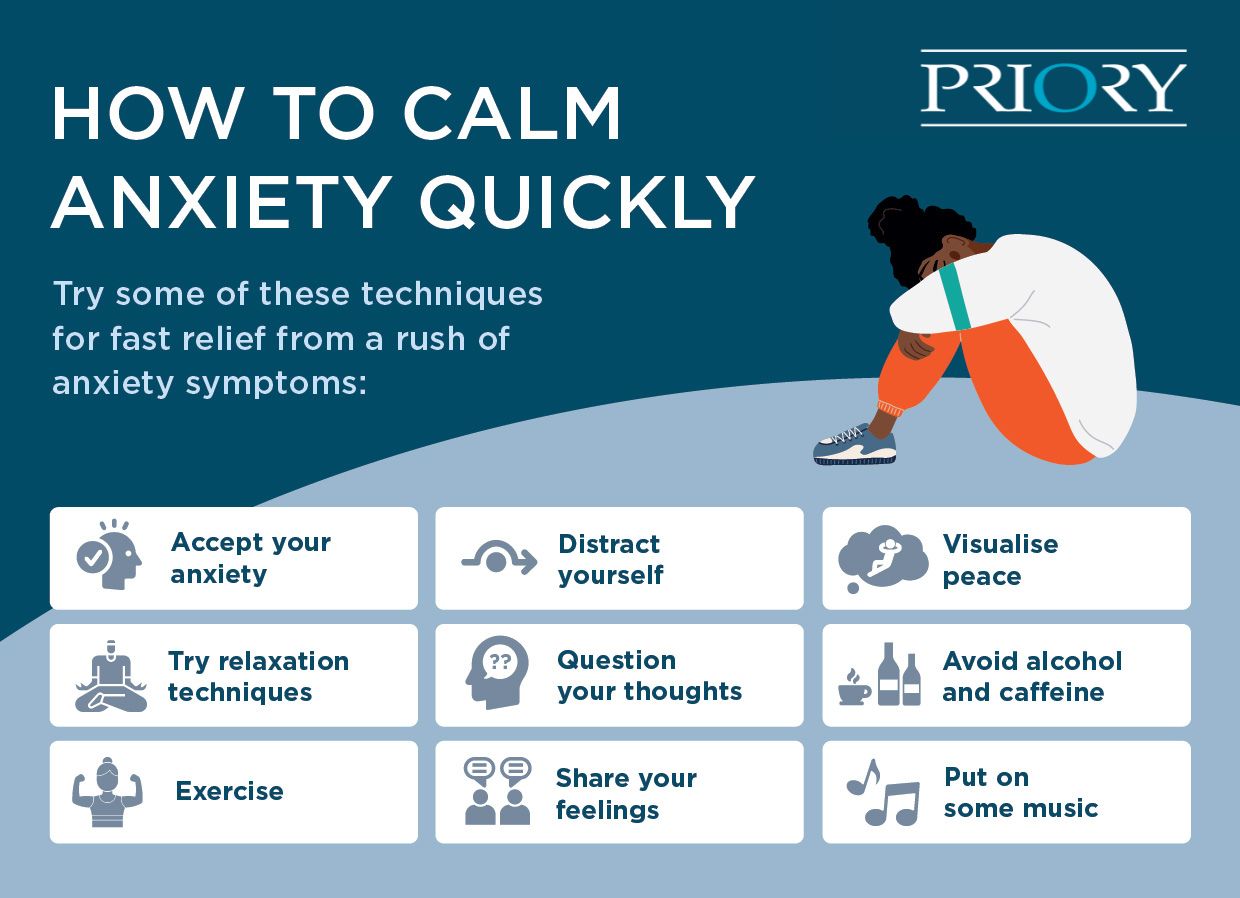
Mindfulness and meditation have gained widespread recognition for their ability to reduce stress and anxiety. Mobile apps have democratized access to these practices, offering guided sessions, ambient sounds, and progress tracking.
- Guided Meditations: Apps provide a library of guided meditations tailored to various needs, such as managing acute anxiety, improving sleep, or cultivating self-compassion. These sessions, often led by experienced instructors, offer verbal cues and calming music to help users quiet their minds and focus on the present moment.
- Breathing Exercises and Grounding Techniques: Many apps feature interactive tools for guided breathing exercises, a fundamental technique for calming the nervous system during moments of intense anxiety. They also offer simple grounding exercises that help users reconnect with their physical senses, pulling them out of anxious thought loops.
- Progress Tracking and Habit Formation: The gamified nature of some apps encourages consistent practice by tracking streaks, offering achievements, and providing gentle reminders. This helps users build a regular mindfulness routine, which is crucial for long-term anxiety reduction.
Wearable Devices and Biofeedback
Wearable technology, such as smartwatches and fitness trackers, is increasingly incorporating features designed to monitor and manage physiological indicators of stress and anxiety.
- Heart Rate Variability (HRV) Monitoring: HRV is a key indicator of the body’s ability to adapt to stress. Many wearables can track HRV, providing users with insights into their stress levels throughout the day. Some apps connected to these devices offer personalized recommendations based on HRV readings, suggesting relaxation exercises or breaks when stress levels are elevated.
- Biofeedback Integration: Advanced wearables and companion apps can offer biofeedback, a technique that teaches individuals to control bodily processes that are often influenced by stress, such as heart rate and breathing. By providing real-time feedback on these physiological responses, users can learn to consciously regulate them, reducing feelings of anxiety.
- Sleep Tracking and Analysis: Anxiety and sleep disturbances often go hand-in-hand. Wearable devices can track sleep patterns, duration, and quality. By understanding their sleep habits, individuals can identify how anxiety impacts their rest and implement strategies to improve sleep hygiene, which in turn can alleviate anxiety.
Digital Tools for Organization, Focus, and Stress Reduction
Beyond direct therapeutic interventions, technology can significantly reduce anxiety by improving organization, enhancing focus, and providing tools to manage daily stressors more effectively.
Productivity and Task Management Apps
A cluttered mind can often stem from a disorganized life. Productivity and task management applications offer structured ways to organize thoughts, responsibilities, and deadlines, thereby reducing the mental load associated with managing multiple demands.
- Breaking Down Overwhelming Tasks: Large, daunting tasks can be a significant source of anxiety. These apps allow users to break down projects into smaller, manageable steps, making them feel less overwhelming and more achievable. This process fosters a sense of control and accomplishment as each small step is completed.
- Prioritization and Deadline Management: By visually organizing tasks and setting clear deadlines, users can gain a better understanding of their workload and prioritize effectively. This reduces the anxiety of forgetting important tasks or feeling perpetually behind schedule. Features like reminders and calendar integrations ensure that critical items are not overlooked.
- Digital Decluttering and Note-Taking: For individuals who experience anxiety related to losing information or forgetting ideas, digital note-taking apps and cloud storage solutions offer a secure and accessible way to store and retrieve information. This can alleviate the constant worry of misplaced notes or forgotten thoughts.

Focus and Distraction Management Tools
In an era of constant digital notifications, maintaining focus can be challenging, leading to feelings of overwhelm and anxiety. Technology can offer solutions to reclaim attention and create dedicated periods of concentration.
- Website and App Blockers: These tools allow users to temporarily block access to distracting websites and applications during designated work or focus periods. This helps to create a distraction-free environment, enabling deeper concentration and reducing the anxiety that comes from constant task switching and interruptions.
- Ambient Sound and Focus Music: Many applications offer curated playlists of ambient sounds (e.g., nature sounds, white noise) or focus-enhancing music. These auditory tools can help to mask distracting background noise and create a more conducive environment for concentration, thereby reducing anxiety related to external stimuli.
- Pomodoro Timers and Time Management Techniques: Digital implementations of time management techniques like the Pomodoro Technique (working in focused bursts followed by short breaks) can provide structure and prevent burnout. The clear, timed intervals help users manage their energy effectively and reduce the anxiety associated with prolonged periods of intense cognitive effort.
By thoughtfully integrating these technological advancements into our lives, individuals can find powerful allies in their journey to reduce anxiety. The key lies in understanding which tools best suit individual needs and employing them with intention and self-awareness. As technology continues to evolve, its potential to support mental well-being will only grow, offering new and innovative pathways to a calmer, more balanced life.
aViewFromTheCave is a participant in the Amazon Services LLC Associates Program, an affiliate advertising program designed to provide a means for sites to earn advertising fees by advertising and linking to Amazon.com. Amazon, the Amazon logo, AmazonSupply, and the AmazonSupply logo are trademarks of Amazon.com, Inc. or its affiliates. As an Amazon Associate we earn affiliate commissions from qualifying purchases.