
In today’s hyper-connected world, text messaging has evolved far beyond simple SMS. While SMS served us well for decades, a new standard is emerging, promising a richer, more interactive, and secure communication experience. That standard is RCS, or Rich Communication Services. If you’ve seen the term pop up and wondered, “what RCS means in text,” you’re in the right place. This article will demystify RCS, explore its capabilities, and illustrate why it’s poised to revolutionize how we communicate, touching upon its implications for technology, branding, and even how we manage our finances.

Understanding the Evolution from SMS to RCS
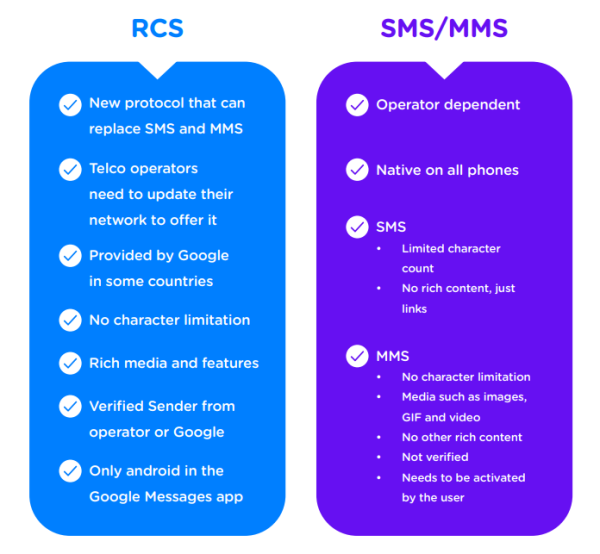
To truly grasp what RCS means, it’s essential to understand its predecessor: SMS (Short Message Service). Launched in the late 1980s, SMS was a groundbreaking technology that allowed users to send short text-based messages between mobile phones. It was simple, ubiquitous, and for a long time, the primary way to communicate digitally. However, its limitations quickly became apparent. SMS messages are restricted to 160 characters, lack multimedia capabilities, and are notoriously insecure, often unencrypted.
The advent of smartphones and the internet paved the way for richer messaging platforms. Apps like WhatsApp, Telegram, and Facebook Messenger offered features like group chats, media sharing, read receipts, and end-to-end encryption. These platforms, often referred to as Over-The-Top (OTT) messaging services, bypassed traditional carrier networks, leveraging data connections to provide a superior user experience. While popular, they fragmented the messaging landscape, requiring users to adopt specific apps and forcing businesses to manage multiple platforms.
This is where RCS steps in. RCS is not an app; it’s an interoperable messaging protocol designed to be the successor to SMS and MMS (Multimedia Messaging Service). It aims to bring the advanced features of OTT messaging apps directly into the native messaging experience on Android phones, and eventually, across different platforms. Think of it as the next generation of SMS, built with modern communication needs in mind.
Key Features and Capabilities of RCS
So, what exactly makes RCS “rich”? The term refers to a suite of advanced functionalities that significantly enhance the texting experience. Here are some of the most impactful features:
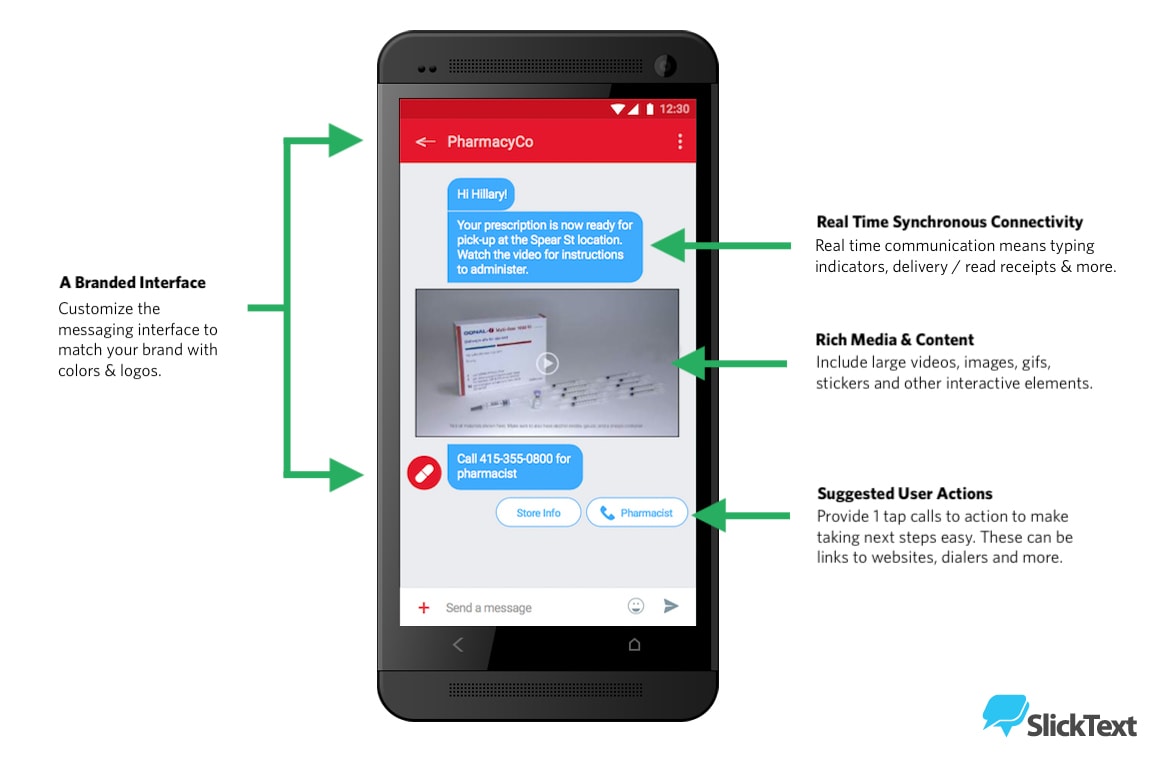
- High-Quality Media Sharing: Unlike the compressed and often pixelated images and videos sent via MMS, RCS supports high-resolution photos and videos, as well as larger file attachments. This means your shared memories and important documents will look and sound as they should.
- Read Receipts and Typing Indicators: This is a feature many have come to expect from OTT apps. RCS enables you to see when your message has been read by the recipient and when they are typing a reply. This adds a layer of real-time interaction that was missing from traditional SMS.
- Enhanced Group Chats: RCS improves group messaging by allowing for larger participant numbers, richer media sharing within groups, and better management of group conversations.
- End-to-End Encryption (E2EE): This is perhaps one of the most critical advancements. While not universally deployed by all carriers and platforms yet, the RCS Universal Profile does support end-to-end encryption, mirroring the security offered by popular OTT apps. This means your conversations are private and can only be read by you and the intended recipient.
- Rich Text Formatting: RCS allows for bold, italics, and other text formatting, making messages more expressive and easier to read.
- Improved Character Limits: While not infinite, RCS significantly increases the character limit compared to SMS, allowing for more detailed messages without resorting to abbreviations or breaking them into multiple texts.
- Location Sharing: The ability to share your location directly within a conversation is a convenient feature that RCS brings to the native messaging experience.
- Chatbots and Business Messaging: This is where RCS has immense potential for the “Brand” and “Money” aspects of our website. RCS enables businesses to interact with customers in a more engaging and informative way. Imagine receiving a flight confirmation with interactive elements like baggage tracking, or a retail notification with product images and direct purchase links, all within your native messaging app. This is the realm of “Rich Business Messaging” (RBM).
The Technology Behind RCS: A Collaboration of Giants
RCS isn’t a product of a single company; it’s an industry standard developed by the GSMA (GSM Association), a global organization representing mobile network operators. Google has been a major proponent and driver of RCS adoption, integrating it into its Android Messages app and working with carriers worldwide to enable the technology.
The implementation of RCS typically relies on two main protocols:
- RCS Universal Profile: This is the core set of specifications that define the features and capabilities of RCS. It ensures interoperability between different devices and messaging platforms that support the standard.
- IP-based Messaging: Unlike SMS which uses circuit-switched networks, RCS utilizes IP (Internet Protocol) for message delivery, much like OTT apps. This allows for the transmission of richer content and more data.
The journey to widespread RCS adoption has been gradual. Initial deployments faced challenges with carrier support, device compatibility, and the transition from legacy SMS infrastructure. However, with continued investment and collaboration, RCS is becoming increasingly available on Android devices, and there’s a push for wider cross-platform support.
RCS for Business: Revolutionizing Brand Interaction and Customer Engagement
The impact of RCS extends far beyond personal conversations. For businesses, it represents a significant opportunity to elevate customer communication, enhance brand perception, and streamline marketing efforts. This is where the “Brand” and “Money” pillars of our website intersect powerfully with RCS.
Rich Business Messaging (RBM): The Future of Customer Communication
RCS enables Rich Business Messaging (RBM), a sophisticated way for brands to communicate with their customers directly through the native messaging app. Instead of generic SMS alerts or links to external websites, RBM allows for interactive, visually appealing, and informative messages.
Consider the possibilities:
- Enhanced Notifications: A bank could send an alert about a suspicious transaction, complete with a button to “Verify Transaction” or “Report Fraud.” A travel company could send flight updates with interactive seat selection options and baggage claim information.
- Marketing Campaigns: Retailers can send personalized promotions with product carousels, high-quality images, and direct “Buy Now” buttons. This creates a seamless shopping experience, reducing friction and increasing conversion rates.
- Customer Support: Businesses can leverage RBM for more efficient customer support. Instead of lengthy phone calls, customers can engage with AI-powered chatbots that can resolve simple queries, provide FAQs, and even escalate complex issues to human agents, all within the messaging interface.
- Appointment Reminders and Confirmations: For service-based businesses, RCS can provide interactive appointment confirmations where customers can reschedule or confirm their availability with a simple tap.
The Brand Benefits of RCS
Adopting RBM offers several advantages for brands:
- Improved Customer Experience: By providing richer, more interactive, and convenient communication, brands can significantly enhance customer satisfaction and loyalty.
- Higher Engagement Rates: The visual and interactive nature of RBM messages leads to higher open and click-through rates compared to traditional SMS.
- Increased Conversion Rates: Seamless integration with purchasing options or service bookings directly within the message reduces abandonment and drives sales.
- Enhanced Brand Perception: Delivering sophisticated and helpful communication through RCS positions a brand as modern, innovative, and customer-centric.
- Reduced Support Costs: Chatbots and self-service options powered by RBM can automate responses to common queries, freeing up human agents for more complex issues.
- Data and Analytics: RBM platforms often provide valuable analytics on message delivery, read rates, click-throughs, and user interactions, allowing businesses to refine their communication strategies.
Security and Trust in Brand-Customer Interactions
The potential for end-to-end encryption in RCS is also a game-changer for business communications. When sensitive information is exchanged, such as financial details or personal data, encryption ensures that only the sender and receiver can access the content. This builds trust and confidence between brands and their customers. Furthermore, verified business profiles within RCS can help combat spam and phishing attempts, ensuring customers are interacting with legitimate businesses.
RCS and Personal Finance: A Secure and Convenient Future
The implications of RCS for personal finance are subtle but significant, particularly in how we receive information and interact with financial institutions. The emphasis on enhanced security, rich media, and interactive elements can streamline financial management and improve user experience.
Secure Financial Communication
As mentioned, the potential for end-to-end encryption in RCS is crucial for financial communications. Imagine receiving:
- Transaction Alerts: Instead of a plain text SMS alert about a credit card purchase, RCS could provide a rich message with the merchant logo, product details, and a clear “Confirm” or “Dispute” button. This visual confirmation adds an extra layer of security and clarity, making it easier to spot fraudulent activity.
- Account Updates: Bank statements, loan offers, or investment portfolio updates could be delivered in a more organized and visually appealing format, with interactive charts or the ability to directly access more detailed information.
- Secure Verification: Multi-factor authentication processes could be initiated or confirmed through RCS messages, offering a more integrated and user-friendly experience than traditional SMS codes.
Streamlining Financial Management
Beyond security, RCS can simplify how we manage our money:
- Budgeting and Spending Tracking: Financial apps could leverage RCS to send personalized spending summaries, budget alerts, or even integrate with budgeting tools that allow users to categorize expenses directly from a message.
- Investment Updates: Investment platforms could send real-time updates on portfolio performance, news impacting specific assets, or alerts about market movements, all presented in a visually engaging way.
- Loan and Mortgage Information: Applying for or managing loans and mortgages could become more streamlined with interactive forms and clear explanations of terms and conditions delivered via RCS.
While the widespread adoption of RCS for financial institutions is still developing, the potential for a more secure, interactive, and user-friendly way to manage our personal finances is immense. It promises to bridge the gap between the convenience of mobile banking apps and the ubiquity of text messaging.
The Road Ahead: Widespread Adoption and Future Potential
The journey of RCS is ongoing. While it has made significant strides, particularly on Android, its ultimate success hinges on universal adoption across all major mobile operating systems and carriers. The goal is for RCS to become the default messaging experience, replacing SMS and MMS entirely, and providing a consistent, feature-rich platform for everyone.
The interplay between technology, branding, and finance is undeniable. RCS is not just a technological upgrade; it’s a catalyst for innovation in how businesses connect with consumers and how individuals manage their digital lives. As RCS matures, we can expect even more sophisticated applications and integrations, further blurring the lines between communication, commerce, and information.
So, the next time you wonder “what RCS means in text,” remember it signifies a leap forward. It’s about richer conversations, more engaging brand interactions, and a more secure and convenient way to navigate our increasingly digital world. The future of texting is here, and it’s powered by RCS.
aViewFromTheCave is a participant in the Amazon Services LLC Associates Program, an affiliate advertising program designed to provide a means for sites to earn advertising fees by advertising and linking to Amazon.com. Amazon, the Amazon logo, AmazonSupply, and the AmazonSupply logo are trademarks of Amazon.com, Inc. or its affiliates. As an Amazon Associate we earn affiliate commissions from qualifying purchases.