
In an increasingly digital world, the question “what rating is Maze Runner?” extends far beyond a simple alphanumeric classification. It delves into a complex ecosystem of technological systems, algorithms, user interfaces, and data aggregation that define how we categorize, discover, and consume content. From official regulatory bodies to sophisticated AI-driven recommendation engines, the journey of a film’s rating — be it for age suitability or critical acclaim — is deeply intertwined with the advancements in information technology. This article explores the technological underpinnings of film rating systems, how digital platforms process and present this information, and the innovations shaping the future of content evaluation.

The Technical Backbone of Content Classification: Understanding Official Ratings
Official film ratings, such as those from the Motion Picture Association (MPA) in the U.S. (G, PG, PG-13, R, NC-17) or their equivalents globally (e.g., BBFC in the UK, ACB in Australia), are fundamental to consumer guidance. While the classification process itself involves human review, the dissemination and enforcement of these ratings rely heavily on digital infrastructure.
Algorithmic Assistance in Content Descriptors
Though final classification decisions are made by human experts, technological tools are increasingly used to streamline the initial analysis of content. AI-powered video analysis software can rapidly scan footage for specific elements such as violence, strong language, nudity, or drug use. These algorithms, trained on vast datasets of previously classified content, can flag scenes for human review, categorize types of content, and even provide preliminary suggestions for age suitability. While not replacing human judgment, these tools enhance efficiency and consistency in the often subjective process of content classification. For a film like The Maze Runner, which contains sequences of violence and peril, such tools could quickly identify these elements, aiding human raters in their comprehensive assessment.
Database Management for Global Film Ratings
Once an official rating is assigned, it must be stored, managed, and distributed effectively. Robust database systems are the unsung heroes here. Centralized film rating databases act as definitive repositories, containing not only the primary classification (e.g., PG-13 for The Maze Runner) but also detailed content descriptors (e.g., “sequences of sci-fi violence and action, and some thematic elements”). These databases are designed for high availability and integrity, ensuring that streaming services, digital storefronts, and cinema chains can accurately retrieve and display the correct information to consumers. The complexity lies in managing multi-territory ratings, where a single film may have different classifications and descriptors across various countries, necessitating sophisticated data architectures that can handle regional variations and regulatory compliance.
The Role of Streaming Platforms in Rating Dissemination and Enforcement
Streaming services like Netflix, Amazon Prime Video, and Disney+ are at the forefront of rating dissemination. These platforms integrate official ratings directly into their user interfaces, displaying them prominently alongside titles like The Maze Runner. Beyond mere display, they leverage these ratings to implement advanced parental control features. Users can set profiles to restrict access to content above a certain rating, relying on sophisticated backend systems to filter available content dynamically. This digital enforcement goes beyond traditional physical media by personalizing content accessibility based on user-defined parameters, requiring constant synchronization with global rating databases and real-time content metadata updates.
Beyond Official Labels: Aggregating Digital Audience and Critic Ratings
While official ratings provide statutory guidance, the digital age has ushered in a parallel, often more influential, system of audience and critic ratings. These ratings, found on platforms like IMDb, Rotten Tomatoes, and Metacritic, are driven by data aggregation and user-generated content, offering a dynamic and often real-time reflection of public and professional sentiment.
How Algorithms Shape “Tomatometer” and IMDb Scores
Platforms like Rotten Tomatoes and IMDb employ intricate algorithms to distill vast amounts of individual reviews into easily digestible scores. Rotten Tomatoes’ “Tomatometer” aggregates critics’ reviews, categorizing them as “Fresh” or “Rotten” based on predefined sentiment analysis criteria. Its algorithm then calculates the percentage of “Fresh” reviews, providing a quick snapshot of critical consensus. For The Maze Runner, a specific Tomatometer score reflects the general critical reception at its release. Similarly, IMDb uses a weighted average system for user ratings, accounting for factors like the number of votes and potential vote manipulation, to generate its star-based rating. These algorithms are constantly refined to ensure accuracy, prevent spam, and provide a representative score that viewers trust. The technology here is in natural language processing for sentiment analysis, statistical modeling for score calculation, and robust database management for handling millions of user inputs.
User-Generated Content and AI in Rating Analysis
The sheer volume of user-generated content (UGC) in the form of written reviews, comments, and forum discussions presents both an opportunity and a challenge for rating platforms. Advanced AI and machine learning techniques are critical for processing this unstructured data. Sentiment analysis algorithms can parse through thousands of audience reviews for The Maze Runner to identify recurring themes, common praises, or critiques, offering a qualitative layer to numerical ratings. Beyond simple sentiment, topic modeling can discern specific plot points, character arcs, or technical aspects that resonate (or don’t) with viewers. This technology not only helps platforms present more nuanced feedback but also offers valuable insights to filmmakers and studios regarding audience perception.
The Interplay of Social Media and Film Reception
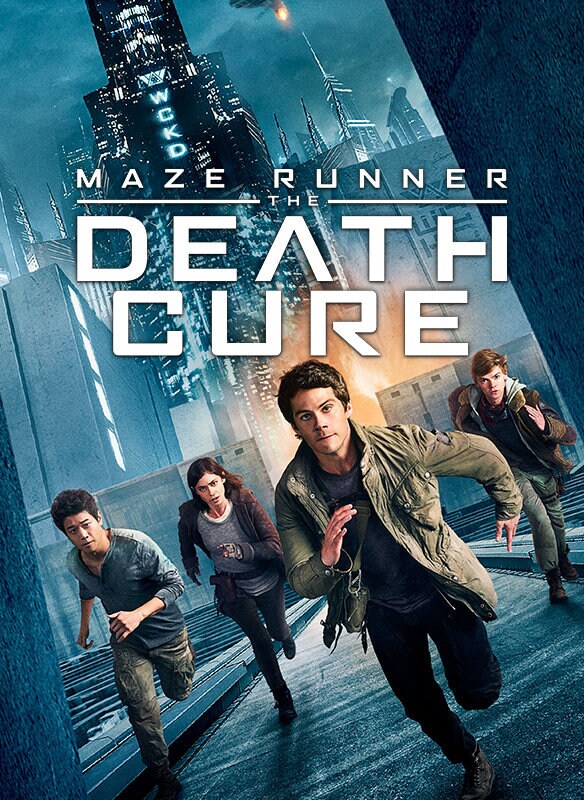
Social media platforms have become an undeniable force in shaping film reception and, by extension, digital ratings. Hashtag trends, viral discussions, and influencer reviews can rapidly sway public opinion and drive traffic to rating sites. Technologies for social listening and trend analysis allow platforms and studios to monitor real-time conversations around films like The Maze Runner. This immediate feedback loop can influence subsequent marketing strategies, but also complicates the rating landscape, as sentiment can shift quickly and dramatically. Data analytics tools that track engagement, reach, and sentiment across platforms provide a powerful, albeit sometimes volatile, indicator of a film’s perceived quality and popularity.
Implementing and Interacting with Ratings: Technology for Viewers and Platforms
The utility of film ratings is only as good as their accessibility and the features built around them. Modern technology ensures that viewers can easily find, understand, and use ratings to make informed viewing choices, while platforms leverage them for content management and personalization.
Implementing Digital Age-Gating Mechanisms
For official ratings, digital platforms employ sophisticated age-gating mechanisms to ensure compliance with regulatory standards and user preferences. These often involve robust user authentication systems, requiring age verification upon account creation or profile setup. For example, to access an R-rated film, a user might need to confirm their age with a PIN or password. On smart TVs and mobile apps, these controls are integrated into the operating system or application layer, relying on secure data storage and encryption to protect user privacy while enforcing restrictions. The underlying technology ensures a seamless yet secure experience, preventing minors from accessing unsuitable content, even for films like The Maze Runner which, at PG-13, might be considered borderline for younger viewers without parental guidance.
Smart TVs and App-Based Parental Control Features
The proliferation of smart TVs and mobile apps has revolutionized how parental controls are implemented. These devices integrate sophisticated software that allows guardians to customize content access at a granular level, far beyond simple rating restrictions. Features include time limits for viewing, content filtering based on specific keywords or themes, and even tracking viewing history. These systems rely on robust APIs (Application Programming Interfaces) to communicate with content providers and rating databases, ensuring that all content is correctly categorized and filtered according to user settings. The user interface design for these controls must be intuitive, while the backend requires stringent security protocols to prevent circumvention.
Cybersecurity for Family Viewing
With increased reliance on digital platforms for content consumption, cybersecurity becomes paramount, particularly in the context of family viewing and age restrictions. Robust encryption protocols protect user data and parental control settings. Secure coding practices minimize vulnerabilities that could be exploited to bypass restrictions. Furthermore, ongoing security audits and updates are essential to counter evolving threats. The integrity of the rating system, from the initial classification to its enforcement on a household’s smart devices, is fundamentally reliant on a strong cybersecurity posture, ensuring that the viewing environment remains safe and controlled according to user preferences.
The Future of Film Ratings: Predictive Analytics and Personalized Recommendations
The landscape of film ratings is not static; it’s continuously evolving with technological advancements. The future promises even more sophisticated ways of assessing, predicting, and recommending content, moving towards hyper-personalized experiences.
Predictive Analytics for Content Suitability
Imagine a system that could predict a film’s official rating before it’s even fully produced. Predictive analytics, leveraging AI and machine learning, is moving towards this reality. By analyzing script elements, casting choices, directorial style, and even early dailies, algorithms could offer highly accurate predictions of a film’s eventual MPAA or equivalent rating. This could revolutionize production planning, allowing studios to tailor content more precisely to target demographics and avoid costly re-edits. For a franchise like The Maze Runner, understanding the likely rating from pre-production could inform everything from script development to marketing strategy, ensuring alignment with its young adult target audience.
Blockchain for Transparent Rating Systems (Future Concept)
Blockchain technology, known for its decentralized and immutable ledger, holds potential for creating more transparent and trustworthy rating systems. Imagine a public, tamper-proof record of every film’s official rating, along with its content descriptors, accessible to everyone. This could enhance trust, reduce disputes, and provide an auditable trail for regulatory compliance. While still largely a conceptual application for film ratings, blockchain’s ability to create verifiable, unchangeable records could bring a new level of integrity to content classification, ensuring that the rating displayed for The Maze Runner is consistent and verifiable across all platforms.

Personalized Rating Recommendations via AI
The ultimate evolution of film ratings lies in hyper-personalization. While official ratings provide a baseline, AI-driven recommendation engines already go further, suggesting films based on individual viewing history, preferences, and even emotional responses. The future could see “personalized ratings” – not replacing official ratings, but augmenting them with an algorithmically derived score that indicates a film’s suitability and enjoyment specifically for you. This could involve AI analyzing nuances in content beyond basic descriptors, understanding individual sensitivities, and cross-referencing with similar users. For The Maze Runner, this might mean a system suggesting it highly to a specific viewer based on their affinity for dystopian sci-fi, regardless of its general critical score, leading to a truly bespoke content discovery experience.
The question “what rating is Maze Runner” thus serves as a gateway into a vast and intricate technological domain. From the robust databases housing official classifications to the sophisticated algorithms powering audience scores and the secure systems enforcing parental controls, technology is the invisible architect behind how we understand and interact with film ratings. As AI, machine learning, and data analytics continue to advance, the methods by which content is evaluated, disseminated, and consumed will only become more intelligent, personalized, and integral to our digital lives.
aViewFromTheCave is a participant in the Amazon Services LLC Associates Program, an affiliate advertising program designed to provide a means for sites to earn advertising fees by advertising and linking to Amazon.com. Amazon, the Amazon logo, AmazonSupply, and the AmazonSupply logo are trademarks of Amazon.com, Inc. or its affiliates. As an Amazon Associate we earn affiliate commissions from qualifying purchases.