
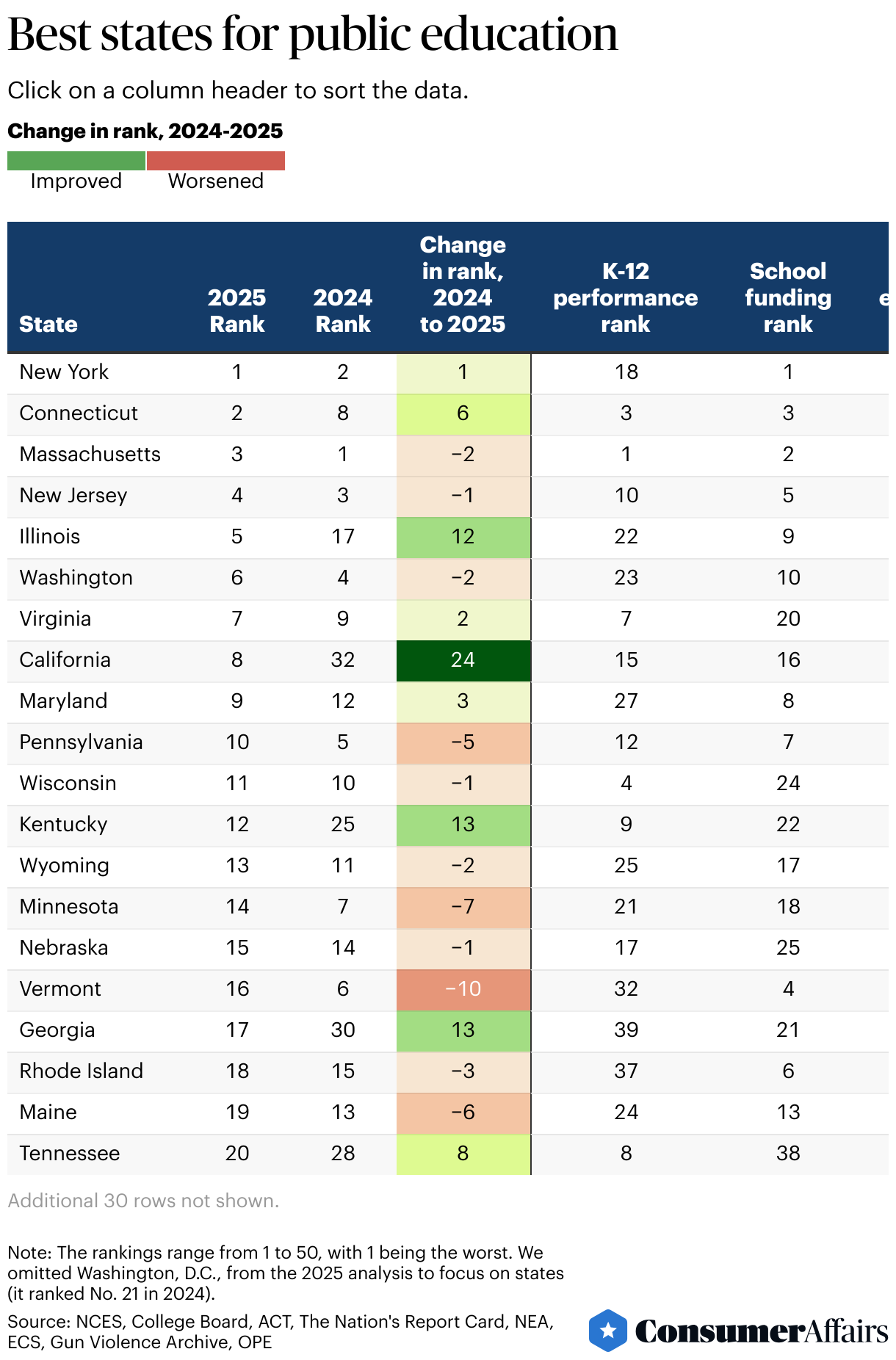
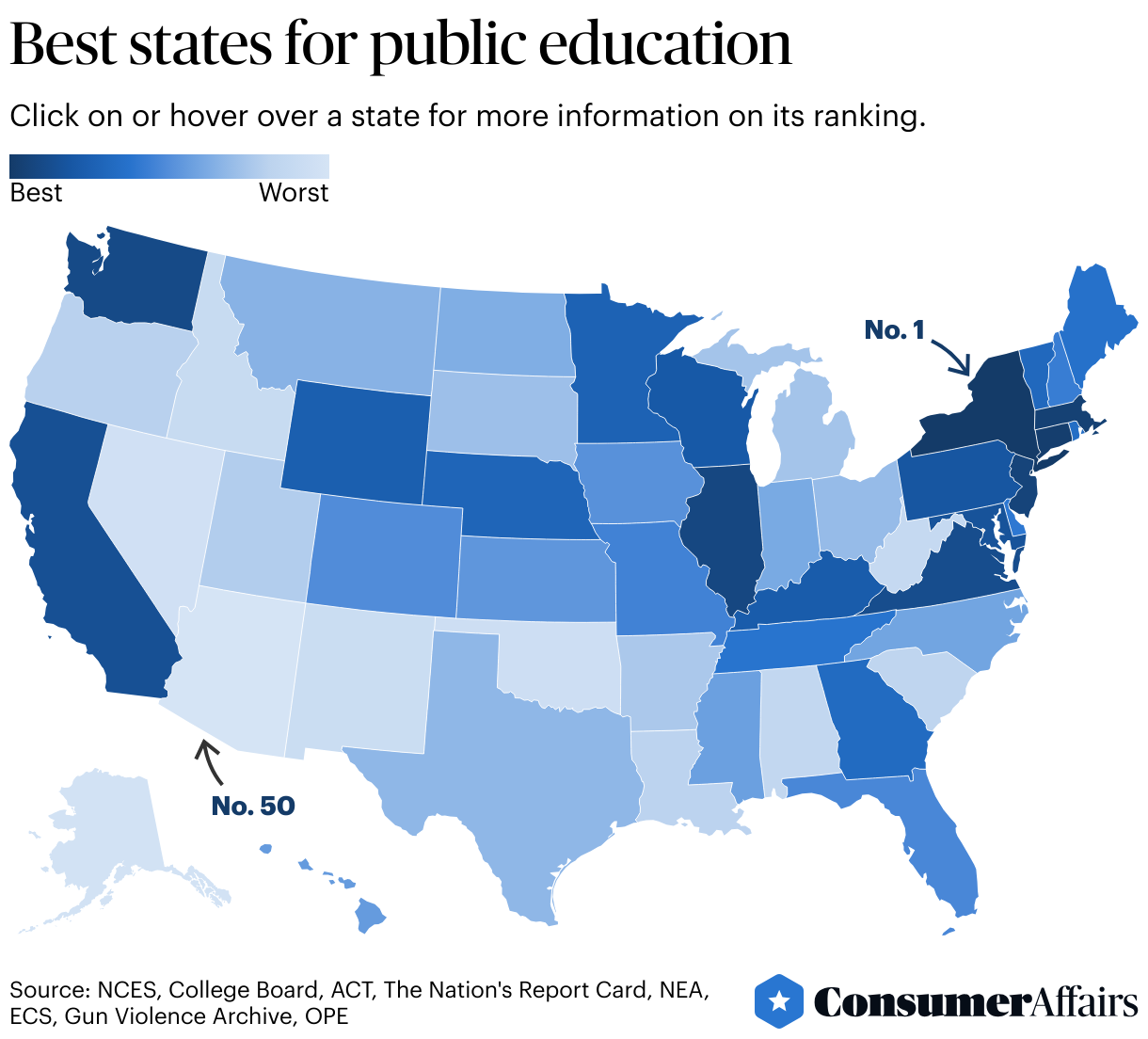
The question “What rank is Nevada in education?” often elicits a desire for a straightforward numerical answer. However, beyond the mere position on a league table, this query opens a critical discussion about the profound financial implications of a state’s educational standing. For any state, including Nevada, its educational rank is far more than an academic statistic; it’s a powerful indicator of economic health, future prosperity, and fiscal responsibility. In the realm of money, education isn’t just an expense; it’s a strategic investment with significant returns or substantial costs, influencing everything from individual earning potential and property values to state budgets and long-term economic competitiveness. This article delves into how educational rankings, exemplified through the lens of a state like Nevada, are intrinsically linked to financial well-being, exploring the economic weight of educational attainment, the funding mechanisms, the financial challenges of improvement, and the tools available for strategic financial advancement in education.

The Economic Weight of Educational Attainment
A state’s educational ranking serves as a barometer for its human capital, a critical determinant of its economic future. High-performing education systems are magnets for talent and industry, fostering innovation and a robust workforce. Conversely, lower rankings can signal a less prepared workforce, potentially deterring investment and hindering economic growth.
Attracting and Retaining Talent: The Workforce Pipeline
The quality of a state’s education system directly correlates with its ability to cultivate and retain a skilled workforce. Businesses, particularly those in high-growth sectors like technology, healthcare, and advanced manufacturing, prioritize locations with a deep talent pool. When a state like Nevada demonstrates a strong educational foundation, from K-12 through higher education, it signals to employers that they can readily access the qualified personnel needed to thrive. This attracts new companies, stimulates job creation, and reduces brain drain, where top graduates leave the state for better opportunities elsewhere. The economic benefit is tangible: higher employment rates, increased tax revenues, and a vibrant entrepreneurial ecosystem fueled by an educated populace. A state perceived as having a lagging education system faces the uphill battle of either importing talent or struggling to meet the demands of a modern economy, both of which carry significant financial costs.
Impact on State Economic Development and GDP
The link between educational attainment and Gross Domestic Product (GDP) is well-documented. Regions with higher levels of educational achievement typically exhibit stronger economic growth, higher average incomes, and greater innovation. A state’s educational ranking, therefore, directly impacts its overall economic development strategy. Governments actively promote their states as attractive places for business, and a robust education system is a cornerstone of such pitches. It assures potential investors of a sustainable source of skilled labor, research capabilities, and a conducive environment for innovation. For a state like Nevada, improving its educational rank isn’t just about student success; it’s about bolstering its economic resilience and driving future prosperity, leading to a higher state GDP and improved living standards for its residents. Conversely, a stagnant or declining educational rank can signal underlying economic vulnerabilities, making it harder to attract crucial investments and diversify the economy away from traditional sectors.
Real Estate Values and Community Prosperity
The quality of local schools is consistently one of the most significant factors influencing residential property values. Families are often willing to pay a premium to live in districts associated with high-performing schools, recognizing the long-term benefits for their children’s education and future. This phenomenon means that a state’s overall educational ranking, and the performance of its individual districts, can have a direct financial impact on homeowners and the broader real estate market. In areas with highly-rated schools, property values tend to be more stable and appreciate faster. This creates wealth for homeowners, contributes to a healthier local tax base through increased property taxes, and generally indicates a desirable and prosperous community. For a state like Nevada, improving its educational standing can catalyze increased property values, attract affluent families, and contribute to the overall financial health and stability of its communities, creating a virtuous cycle where better schools attract more resources, which in turn can fund further educational improvements.
Funding Education: An Investment, Not Just an Expense
Understanding the financial standing of a state’s education system necessitates examining how it is funded. Viewing education as an investment, rather than merely an expenditure, is crucial for assessing its financial viability and long-term returns.
State Budget Allocations and Prioritization
Education typically represents one of the largest single line items in a state’s budget. How states like Nevada prioritize and allocate these funds profoundly impacts educational outcomes and, by extension, their economic ranking. Budget decisions reflect a state’s commitment to its future workforce and citizens. These allocations cover everything from teacher salaries and classroom resources to facility maintenance and technological infrastructure. Strategic budgeting involves not just maintaining current services but also making forward-looking investments in areas like early childhood education, STEM programs, and vocational training, all of which have proven financial returns. The challenge lies in balancing competing demands for state resources while ensuring sufficient and equitable funding for education across diverse communities. Insufficient or misallocated funds can lead to underperforming schools, teacher shortages, and a widening achievement gap, all of which ultimately carry substantial economic costs for the state.
The Role of Public and Private Funding
Educational funding is rarely solely dependent on state coffers. A complex mix of federal aid, local property taxes, and increasingly, private philanthropy and corporate partnerships contribute to the educational ecosystem. Federal grants often target specific initiatives, such as programs for low-income students or special education services. Local property taxes form a significant portion of school district budgets, leading to disparities between affluent and less affluent areas. Private funding, ranging from individual donations to large foundation grants, can supplement public resources, often funding innovative programs or specialized facilities that public budgets might not cover. For a state like Nevada, understanding and leveraging this multifaceted funding landscape is critical. It involves advocating for equitable federal distributions, designing state funding formulas that address local disparities, and fostering an environment conducive to private sector engagement, recognizing that diverse funding streams are essential for a robust and resilient educational system capable of propelling the state up the ranks.
Return on Investment (ROI) in Educational Programs
The concept of Return on Investment (ROI) is not exclusive to the business world; it applies equally to education. Investments in quality education, from pre-kindergarten to post-secondary, yield significant financial returns for individuals and society. For individuals, higher educational attainment typically leads to higher lifetime earnings, better employment prospects, and improved health outcomes. For the state, a well-educated populace contributes more in taxes, relies less on social services, and drives innovation and economic growth. Measuring the ROI in specific educational programs helps policymakers and taxpayers understand the tangible benefits of their investments. Programs that demonstrably improve student outcomes, increase graduation rates, or lead to better job placements represent high-value investments. A state like Nevada actively analyzing the ROI of its educational expenditures can make more informed decisions about where to direct resources, optimizing its budget for maximum long-term financial gain and improving its competitive standing.
Navigating the Financial Challenges of Educational Improvement
Improving a state’s educational rank is a long-term endeavor that often requires significant financial commitment and strategic planning. The path to improvement is fraught with financial challenges, from bridging funding gaps to making difficult investment choices.
Bridging Funding Gaps and Resource Disparities
One of the most persistent financial challenges in education is addressing funding disparities between school districts. Wealthier districts, often reliant on higher property tax bases, typically have more resources per student, leading to better facilities, more experienced teachers, and a wider array of programs. Conversely, districts in lower-income areas often struggle with inadequate funding, which can perpetuate cycles of underachievement. For a state like Nevada aiming to improve its overall educational ranking, bridging these funding gaps is paramount. This requires innovative state funding formulas, targeted interventions, and potentially increased state-level equalization funds to ensure every student, regardless of their zip code, has access to a quality education. The financial cost of neglecting these disparities is high, leading to a less skilled workforce, increased social welfare costs, and a drag on the state’s overall economic potential.
Strategic Investments in Innovation and Infrastructure
Educational improvement is not just about spending more money; it’s about spending it wisely on strategic initiatives. This includes investing in innovative teaching methodologies, professional development for educators, and cutting-edge technology infrastructure. Modernizing classrooms with digital tools, expanding access to broadband internet, and investing in STEM labs are crucial for preparing students for the demands of the 21st-century economy. These investments, while potentially costly upfront, are essential for fostering a dynamic learning environment and ensuring that students acquire the skills necessary for future financial success. For a state like Nevada, identifying key areas for strategic investment – perhaps in early childhood education, career and technical education, or advanced research universities – can yield disproportionately positive returns, directly contributing to an improved educational rank and enhanced economic standing. This requires careful financial planning and a commitment to long-term vision over short-term savings.
The Long-Term Fiscal Benefits of Climbing the Ranks
While the immediate costs of educational reform can be substantial, the long-term fiscal benefits of improving a state’s educational rank are compelling. A higher-ranked education system leads to a more educated and productive workforce, which in turn attracts more businesses, boosts wages, increases tax revenues, and reduces reliance on social safety nets. These benefits compound over time, creating a virtuous cycle of economic growth and prosperity. Furthermore, a strong educational brand enhances a state’s overall appeal, drawing in new residents, tourists, and capital. For a state like Nevada, moving up the educational ranks means a more diversified economy, greater resilience to economic downturns, and a stronger financial outlook for generations to come. This perspective underscores that the financial commitment to education is not merely an obligation but an indispensable long-term investment in the state’s financial future.
Financial Tools and Policies for Educational Advancement
Achieving educational excellence and, by extension, a higher ranking, requires not just commitment but also the implementation of sophisticated financial tools and policies. These mechanisms help states manage resources efficiently and strategically.
Leveraging Data Analytics for Budgeting and Resource Allocation
In the modern era, data analytics is an indispensable tool for effective financial management in education. States can leverage vast datasets related to student performance, resource utilization, demographic trends, and economic outcomes to make informed decisions about budgeting and resource allocation. By analyzing which programs yield the best results for specific student populations, or where resources are being underutilized, states can optimize their educational spending. For a state like Nevada, data-driven budgeting can identify inefficiencies, pinpoint areas of greatest need, and ensure that every dollar invested in education has the maximum possible impact. This approach moves beyond traditional, often static, budgeting methods towards a dynamic, evidence-based strategy that directly contributes to improved educational outcomes and a more financially sound system.
Public-Private Partnerships and Grant Funding
Recognizing that public funds alone may be insufficient to drive significant educational improvement, states are increasingly turning to public-private partnerships (PPPs) and aggressively pursuing grant funding. PPPs can bring private sector expertise, capital, and innovation to educational projects, whether it’s building new facilities, developing specialized curricula, or offering mentorship programs. Grant funding, from federal agencies or philanthropic foundations, can provide crucial additional resources for specific initiatives, research, or under-resourced areas. For a state like Nevada, actively cultivating these partnerships and developing robust grant-seeking capabilities is a vital financial strategy. It diversifies funding streams, leverages external expertise, and can accelerate the pace of educational reform without solely burdening state taxpayers, thereby contributing to a faster climb in educational rankings.
Policy Frameworks to Incentivize Educational Excellence
Beyond direct funding, state policies play a critical role in shaping the financial landscape of education. Policy frameworks can incentivize excellence through performance-based funding models, tax credits for educational donations, scholarships, and programs that reward effective teaching. Policies that promote financial literacy among students, expand access to higher education through affordable tuition, or encourage career and technical training directly impact individuals’ financial futures and the state’s economic competitiveness. For a state like Nevada, designing and implementing policies that financially support educational innovation, attract top educators, and provide equitable access to quality learning opportunities is a powerful lever for advancement. These policies create a supportive financial ecosystem that encourages all stakeholders—students, teachers, parents, and businesses—to invest in and strive for educational excellence.
Conclusion
The question “What rank is Nevada in education?” transcends a simple numerical answer, instead revealing a complex interplay of financial dynamics that underpin a state’s future. Educational rankings are potent indicators of economic vitality, workforce readiness, and overall community prosperity. For any state, including Nevada, understanding its educational standing is not merely an academic exercise but a critical component of informed financial planning and economic strategy. The investment in a high-quality education system, supported by strategic funding, innovative policies, and a keen eye on financial returns, is paramount. It’s an investment that pays dividends in attracting talent, fostering economic growth, boosting property values, and ultimately, securing long-term financial prosperity for its citizens and the state as a whole. Education, viewed through the lens of money, emerges as the foundational pillar upon which sustained economic success is built.
aViewFromTheCave is a participant in the Amazon Services LLC Associates Program, an affiliate advertising program designed to provide a means for sites to earn advertising fees by advertising and linking to Amazon.com. Amazon, the Amazon logo, AmazonSupply, and the AmazonSupply logo are trademarks of Amazon.com, Inc. or its affiliates. As an Amazon Associate we earn affiliate commissions from qualifying purchases.