
The phrase “hostile work environment” is frequently used in workplace discussions, often with a broad understanding. However, from a business finance perspective, understanding its precise qualifications is critical. A legally defined hostile work environment carries significant financial risks, impacting a company’s bottom line through litigation, reduced productivity, talent drain, and reputational damage. It’s not merely an unpleasant or challenging workplace; it refers to a situation where discriminatory or harassing conduct is so severe or pervasive that it alters the conditions of the victim’s employment and creates an abusive working atmosphere. For businesses focused on profitability, financial stability, and long-term growth, recognizing and mitigating these conditions is a paramount financial imperative.
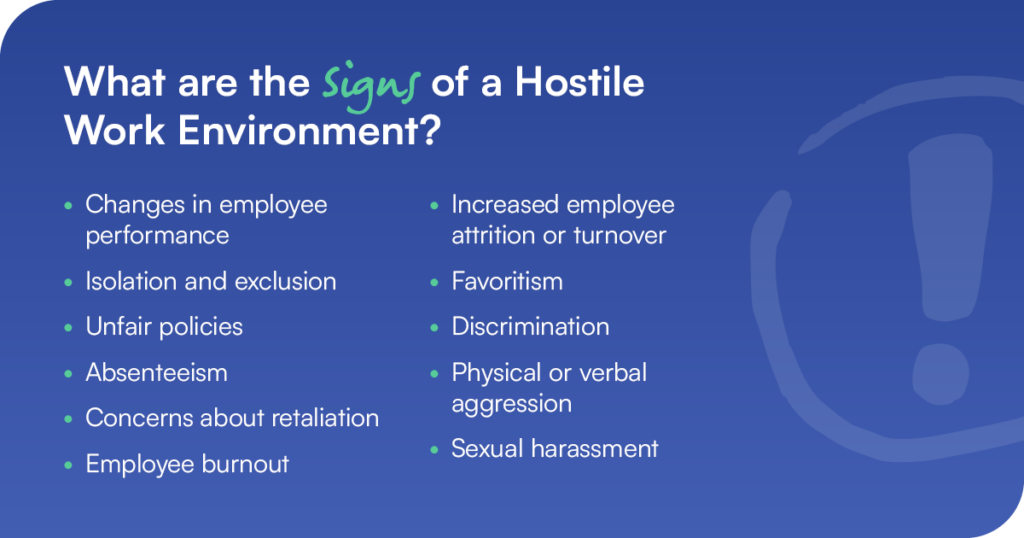
The Business Finance Perspective: Understanding the Costs and Risks
For any organization, the financial implications of a hostile work environment extend far beyond immediate legal fees. These environments erode financial performance through a multitude of direct and indirect channels, impacting operational efficiency, talent retention, and ultimately, shareholder value. Prudent financial management necessitates a deep understanding of these risks.
Direct Financial Costs of Hostile Work Environments
The most immediate and quantifiable financial costs associated with a hostile work environment arise from legal challenges. These can be substantial and unpredictable.
- Litigation Expenses: Companies facing allegations of a hostile work environment often incur significant legal fees for defense. These include attorney fees, court costs, discovery expenses, and expert witness fees, which can quickly escalate into hundreds of thousands, if not millions, of dollars, even if the case is ultimately won.
- Settlements and Judgments: Should a claim proceed to judgment or settlement, the financial outlay can be crippling. Settlements are often preferred to avoid the uncertainty and ongoing costs of trial, but they still represent a direct hit to the company’s finances. Jury awards in discrimination or harassment cases can include compensatory damages for emotional distress, lost wages, and punitive damages intended to punish the employer, further inflating the financial burden.
- Increased Insurance Premiums: Employment Practices Liability Insurance (EPLI) is designed to protect businesses from claims related to wrongful termination, discrimination, harassment, and other employment-related issues. A history of claims, particularly those resulting in significant payouts, will invariably lead to increased EPLI premiums, adding a recurring cost to the business.
- Regulatory Fines: Depending on the nature and severity of the hostile environment, regulatory bodies like the Equal Employment Opportunity Commission (EEOC) may impose fines or penalties, especially if systemic issues or patterns of discrimination are uncovered.
Indirect Financial Repercussions
Beyond direct legal costs, a hostile work environment generates a cascade of indirect financial repercussions that can subtly but significantly undermine a company’s financial health.
- Decreased Productivity and Performance: Employees operating in a hostile environment often experience increased stress, anxiety, and demoralization. This emotional toll translates directly into reduced focus, lower morale, and a significant drop in productivity. Disengaged employees are less efficient, make more errors, and contribute less to organizational goals, directly impacting revenue generation and operational efficiency.
- High Employee Turnover: Talented employees are less likely to remain in an environment where they feel disrespected, unsafe, or subjected to harassment. High turnover rates incur substantial costs related to recruitment, onboarding, and training of new hires. The institutional knowledge lost when experienced employees depart also represents a significant intangible financial loss.
- Absenteeism and Presenteeism: Stress and mental health issues arising from a hostile workplace can lead to increased absenteeism. Employees may take more sick days or mental health days. Equally damaging is “presenteeism,” where employees are physically present but psychologically disengaged and unproductive due to stress, leading to poor quality work and missed deadlines.
- Damage to Corporate Reputation and Brand Value: News of a hostile work environment, particularly if it becomes public, can severely damage a company’s reputation. This negative publicity can deter potential customers, make it difficult to attract top talent, and even impact investor confidence. A tarnished brand can lead to decreased sales, a lower stock price, and long-term erosion of market share.
Impact on Shareholder Value and Investment Attraction
Investors scrutinize a company’s governance, risk management, and human capital practices. A history of unresolved hostile work environment issues signals poor management and significant operational risk. This can lead to a devaluation of the company’s stock, difficulty in raising capital, and a reluctance from ethical investors or those focused on Environmental, Social, and Governance (ESG) criteria. Companies with strong cultures and low incidence of such issues are often viewed as more stable and attractive investments.
Identifying the Markers: Beyond Simple Disagreement
Defining what truly qualifies as a hostile work environment, from a financial risk management standpoint, requires a clear understanding of legal thresholds and the types of conduct that elevate ordinary workplace friction into a legally actionable concern. It’s crucial for financial leaders to understand that simple rudeness or isolated incidents typically do not meet this bar.
Legal Thresholds and Systemic Issues
Legally, a hostile work environment exists when unwelcome conduct, based on a protected characteristic (such as race, religion, gender, age, disability, national origin, or sexual orientation), is severe or pervasive enough to create an intimidating, hostile, or offensive working environment. The “severe or pervasive” standard is key.
- Severity: A single, extremely severe incident (e.g., a physical assault, a credible threat, or a profoundly offensive act of discrimination) can be enough to qualify.
- Pervasiveness: A pattern of less severe, but frequent and persistent, offensive conduct can also create a hostile environment. This could include repeated offensive jokes, derogatory comments, or consistent exclusion based on a protected characteristic.
The determination is often based on whether a reasonable person in the plaintiff’s position would find the environment hostile or abusive, as well as the subjective perception of the victim. From a business finance perspective, organizations must recognize that once an environment crosses this threshold, the financial floodgates of risk are opened.
The Role of Discrimination and Harassment
The core of a legally actionable hostile work environment often lies in discrimination and harassment. This is not about general bullying, though that can contribute to an unpleasant environment. Rather, it must be directed at or based on a protected class.
- Discriminatory Conduct: This includes actions, comments, or policies that disadvantage an employee based on their protected characteristic. Examples include denying opportunities, providing unequal resources, or making demeaning comments about an individual’s background.
- Harassment: Unwelcome conduct that is based on a protected characteristic, which includes verbal, physical, or visual harassment. Sexual harassment, a prominent form, encompasses unwanted sexual advances, requests for sexual favors, and other verbal or physical harassment of a sexual nature. It is critical for management to understand that harassment by supervisors, co-workers, or even third parties (e.g., clients, vendors) can contribute to a hostile environment.
Retaliation as a Hostile Factor
A particularly dangerous and financially risky aspect of hostile work environments is retaliation. When an employee reports discrimination or harassment, or participates in an investigation, and subsequently faces negative employment actions (e.g., demotion, firing, unfavorable assignments, increased scrutiny), this can constitute illegal retaliation. Retaliation claims are often easier to prove than the underlying discrimination, and judgments for retaliation can be substantial. From a financial viewpoint, discouraging employees from reporting issues due to fear of retaliation ensures that hostile environments persist, fester, and ultimately lead to larger, more costly legal battles.
Financial Mitigation: Proactive Strategies for Businesses
Effective financial management in today’s business landscape extends beyond spreadsheets to encompass robust risk management in human capital. Proactively addressing and preventing hostile work environments is not just ethical; it’s a sound financial strategy that protects assets, preserves capital, and enhances long-term value.

Investing in HR and Compliance Training
A cornerstone of prevention is comprehensive and regular training for all employees, especially managers and supervisors.
- Anti-Harassment and Anti-Discrimination Training: Mandatory training sessions should clearly define what constitutes harassment and discrimination, provide examples, explain reporting procedures, and emphasize the company’s zero-tolerance policy. This investment helps educate the workforce, reduces the likelihood of incidents, and demonstrates the company’s commitment to a respectful workplace, which can be a strong defense in legal proceedings.
- Managerial Training on Conduct and Reporting: Supervisors must be trained not only to avoid engaging in inappropriate conduct themselves but also on their legal obligation to identify, address, and report potential hostile environment situations. This includes training on how to sensitively handle complaints, conduct preliminary investigations, and elevate issues appropriately.
Robust Complaint Mechanisms and Investigations
Having clear, accessible, and trusted channels for reporting concerns is crucial for early detection and resolution, preventing issues from escalating into costly legal disputes.
- Multiple Reporting Avenues: Employees should have several options for reporting, such as HR, a confidential hotline, or a designated ombudsman, to ensure they feel safe coming forward.
- Prompt and Thorough Investigations: All complaints must be taken seriously and investigated promptly, impartially, and thoroughly. A well-documented investigation process, including interviews, evidence gathering, and clear conclusions, is vital for resolving issues internally and for defense in future litigation. Failure to investigate, or a biased investigation, significantly increases financial risk.
- Appropriate Remedial Action: Once an investigation concludes that a hostile environment exists or that policies have been violated, immediate and effective remedial action must be taken. This could range from disciplinary action, mandatory training, or, in severe cases, termination. Remedial action not only corrects the situation but also sends a clear message that such conduct is unacceptable, deterring future occurrences.
Fostering a Culture of Respect and Accountability
Ultimately, the most effective long-term financial mitigation strategy is to cultivate a workplace culture where hostility cannot thrive.
- Leadership Commitment: Leadership must visibly and consistently champion a culture of respect, diversity, equity, and inclusion. This means leading by example, communicating values regularly, and reinforcing the message that all employees are valued.
- Clear Policies and Enforcement: Beyond training, clear, written policies on workplace conduct, anti-harassment, and non-discrimination must be communicated and consistently enforced. Inconsistent enforcement can undermine trust and expose the company to greater liability.
- Regular Feedback and Surveys: Implementing mechanisms for regular employee feedback, such as anonymous surveys or open forums, can help identify emerging issues before they become pervasive and costly. Addressing concerns proactively demonstrates commitment and can prevent escalation.
Personal Financial Impact: The Employee’s Burden
While the focus for businesses is on corporate financial risk, it’s essential to acknowledge the profound personal financial impact a hostile work environment can have on individual employees. For victims, the costs are both direct and deeply disruptive to their personal financial stability and future earning potential.
Lost Wages and Career Stagnation
Employees subjected to hostile environments often experience career setbacks. They may be forced to leave their jobs, resulting in immediate loss of income and benefits, and potentially a lengthy period of unemployment. Even if they remain, the emotional toll can hinder performance, leading to missed promotions, stagnant wages, or even demotions. The long-term impact on earning potential, retirement savings, and overall financial security can be devastating.
Health-Related Financial Costs
The chronic stress, anxiety, and depression associated with a hostile workplace can lead to significant physical and mental health issues. This translates into increased medical expenses, therapy costs, and prescription drug costs, placing an additional financial burden on the individual, often at a time when their income may be precarious.
Legal Expenses and Settlements
Should an employee choose to pursue legal action, they may incur substantial personal legal fees, even if working on a contingency basis. While settlements or judgments can offer compensation, the process is often lengthy, emotionally draining, and financially uncertain. The financial recovery may not fully compensate for lost income, emotional distress, and the disruption to their career trajectory.
The Return on Investment of a Healthy Workplace
Viewing a healthy, respectful workplace as a financial investment rather than merely a cost center reveals a compelling return on investment (ROI). Companies that proactively prevent hostile work environments not only mitigate risk but also unlock significant financial benefits.
Enhanced Productivity and Employee Retention
A positive work environment fosters engagement, creativity, and commitment. Employees who feel safe, respected, and valued are more productive, innovative, and loyal. This leads to higher output, better quality work, and significantly reduced turnover, saving costs associated with recruitment and training. The ROI here is seen in sustained operational efficiency and a stronger competitive edge.
Reduced Legal Liabilities and Insurance Premiums
By actively preventing hostile work environments, businesses dramatically reduce their exposure to costly litigation, settlements, and regulatory fines. This directly protects the company’s financial assets and limits unforeseen liabilities. A clean record also translates into lower EPLI premiums over time, representing ongoing savings for the business.

Strengthening Brand Reputation and Market Value
Companies renowned for their positive and inclusive cultures attract top talent, earn customer loyalty, and enhance their brand equity. A strong employer brand translates into easier recruitment, increased sales, and a higher valuation in the market. Investors increasingly consider ESG factors, making a healthy workplace culture a key indicator of a well-managed and financially resilient organization. Ultimately, investing in a respectful workplace is investing in the long-term financial health and sustainability of the enterprise.
aViewFromTheCave is a participant in the Amazon Services LLC Associates Program, an affiliate advertising program designed to provide a means for sites to earn advertising fees by advertising and linking to Amazon.com. Amazon, the Amazon logo, AmazonSupply, and the AmazonSupply logo are trademarks of Amazon.com, Inc. or its affiliates. As an Amazon Associate we earn affiliate commissions from qualifying purchases.