
The rapid proliferation of Artificial Intelligence across virtually every industry has ushered in an era of unprecedented technological advancement. From optimizing logistics and personalizing user experiences to aiding medical diagnoses and informing financial decisions, AI’s potential is transformative. However, alongside its immense power, AI carries an inherent responsibility. As AI systems become more autonomous and their decisions more impactful, the concept of “fairness” has evolved from a theoretical ethical consideration to an indispensable technical requirement in AI product development. Fairness measures are not merely an afterthought or a compliance checklist; they are foundational to building robust, trustworthy, and socially beneficial AI, directly influencing an AI system’s efficacy, adoption, and long-term viability within the tech landscape.
The Imperative of Ethical AI: Beyond Technical Efficacy
At its core, AI development has traditionally focused on maximizing performance metrics like accuracy, precision, and recall. While these remain critical, the increasing deployment of AI in sensitive applications – such as hiring, lending, criminal justice, and healthcare – has illuminated a stark reality: an AI system can be technically proficient yet profoundly unfair, perpetuating or even amplifying existing societal biases. Fairness measures compel developers and organizations to look beyond narrow technical benchmarks and consider the broader ethical and societal implications of their creations.
Defining Fairness in AI Contexts
Fairness in AI is not a singular, universally agreed-upon definition, but rather a multifaceted concept often framed within specific contexts. It encompasses various notions, including:
- Group Fairness (Demographic Parity): Ensuring that an AI system’s outcomes (e.g., loan approvals, hiring recommendations) are statistically similar across different demographic groups (e.g., race, gender, age).
- Individual Fairness: Treating similar individuals similarly, regardless of their group affiliation, often requiring robust measures of similarity and impact.
- Counterfactual Fairness: Ensuring that an individual’s outcome would not have changed if only their sensitive attributes had been different, while other non-sensitive attributes remained the same.
- Procedural Fairness: Focusing on the fairness of the AI system’s decision-making process itself, ensuring transparency, explainability, and the right to appeal or contest decisions.
The purpose of employing these diverse fairness measures is to allow developers to select and apply the most appropriate definition for their specific application, acknowledging that different use cases demand different fairness criteria. This tailored approach is crucial for designing AI that aligns with community values and legal mandates.
Societal Impact and Trust Building
Unfair AI systems can lead to significant societal harm, eroding public trust in technology and the institutions that deploy it. Biased algorithms can deny opportunities, misallocate resources, or unjustly penalize individuals, leading to real-world consequences like financial hardship, limited access to services, or even wrongful convictions. Fairness measures serve as a critical safeguard against these harms. By proactively identifying and mitigating bias, developers can engineer systems that foster equitable outcomes, thereby building and maintaining the trust of users, stakeholders, and the broader public. This trust is paramount for widespread AI adoption and for realizing AI’s potential to improve society rather than exacerbate inequalities.
Mitigating Bias and Ensuring Robustness in AI Systems
The presence of bias is perhaps the most significant challenge to achieving fairness in AI. Bias can creep into AI systems at multiple stages, from data collection to model deployment, leading to discriminatory outcomes. Fairness measures provide a structured approach to detecting, quantifying, and correcting these biases, thereby enhancing the overall robustness and reliability of AI products.
Sources of Bias in AI Datasets and Algorithms
Understanding the origins of bias is the first step towards mitigation. Common sources include:
- Historical Bias: Reflecting societal prejudices and inequities present in the real-world data used to train AI models (e.g., historical hiring patterns that favor one demographic).
- Representation Bias: Inadequate or unrepresentative sampling in training datasets, leading to AI models that perform poorly for underrepresented groups.
- Measurement Bias: Flaws in how data is collected or labeled, potentially capturing proxies for sensitive attributes or misrepresenting certain populations.
- Algorithmic Bias: Introduced by the design choices in algorithms themselves, such as optimization objectives that inadvertently prioritize one group over another or fail to account for group disparities.
Fairness measures act as diagnostic tools, allowing developers to pinpoint these sources of bias and understand their magnitude.
Algorithmic Fairness Metrics and Their Application
To move beyond qualitative assessments, the field of AI fairness has developed a suite of quantitative metrics. These include:
- Equal Opportunity: Ensuring that the true positive rates (e.g., the rate at which deserving candidates are selected) are equal across different groups.
- Equalized Odds: Requiring both true positive and false positive rates to be equal across groups, aiming for similar error rates.
- Predictive Parity: Striving for equal precision (positive predictive value) across groups, meaning that when the model predicts a positive outcome, it’s correct at the same rate for all groups.
These metrics allow developers to measure fairness quantitatively, integrate fairness considerations directly into model training objectives, and compare different models’ fairness profiles. Their application helps developers to select algorithms that not only perform well but also distribute benefits and burdens equitably. This moves AI development from a purely performance-driven paradigm to one that balances accuracy with ethical considerations.
The Role of Explainable AI (XAI) in Fairness
Fairness is inextricably linked with transparency and explainability. Explainable AI (XAI) techniques provide insights into how an AI system arrives at its decisions, making the “black box” more transparent. This transparency is crucial for fairness measures because it allows developers to:
- Identify features or data points that disproportionately influence outcomes for certain groups.
- Understand if sensitive attributes (or proxies for them) are being inadvertently relied upon by the model.
- Debug and iterate on models to reduce unfair biases by understanding the causal pathways of discrimination.
By making AI decisions interpretable, XAI empowers developers to not only detect unfairness but also to diagnose its root causes and implement targeted solutions, thereby enhancing the overall trustworthiness and accountability of AI products.
Operationalizing Fairness Throughout the AI Lifecycle
Integrating fairness measures is not a one-time check but a continuous process that spans the entire AI product development lifecycle, from initial conceptualization to ongoing monitoring. This holistic approach ensures that fairness is embedded into the core design and operation of AI systems.
From Data Collection to Model Deployment and Monitoring
Fairness considerations must be present at every stage:
- Data Collection & Preprocessing: Ensuring diverse, representative datasets and employing techniques for bias detection and mitigation (e.g., re-sampling, re-weighting) before training.
- Model Development & Training: Incorporating fairness-aware algorithms, regularizing models for fairness objectives, and using fairness metrics during validation.
- Model Evaluation: Beyond traditional performance metrics, systematically evaluating models against chosen fairness metrics across different demographic groups.
- Deployment & Monitoring: Continuously monitoring deployed AI systems for fairness drift, where biases might emerge over time due to shifts in data distributions or real-world usage patterns. Retraining or recalibrating models as necessary is critical.
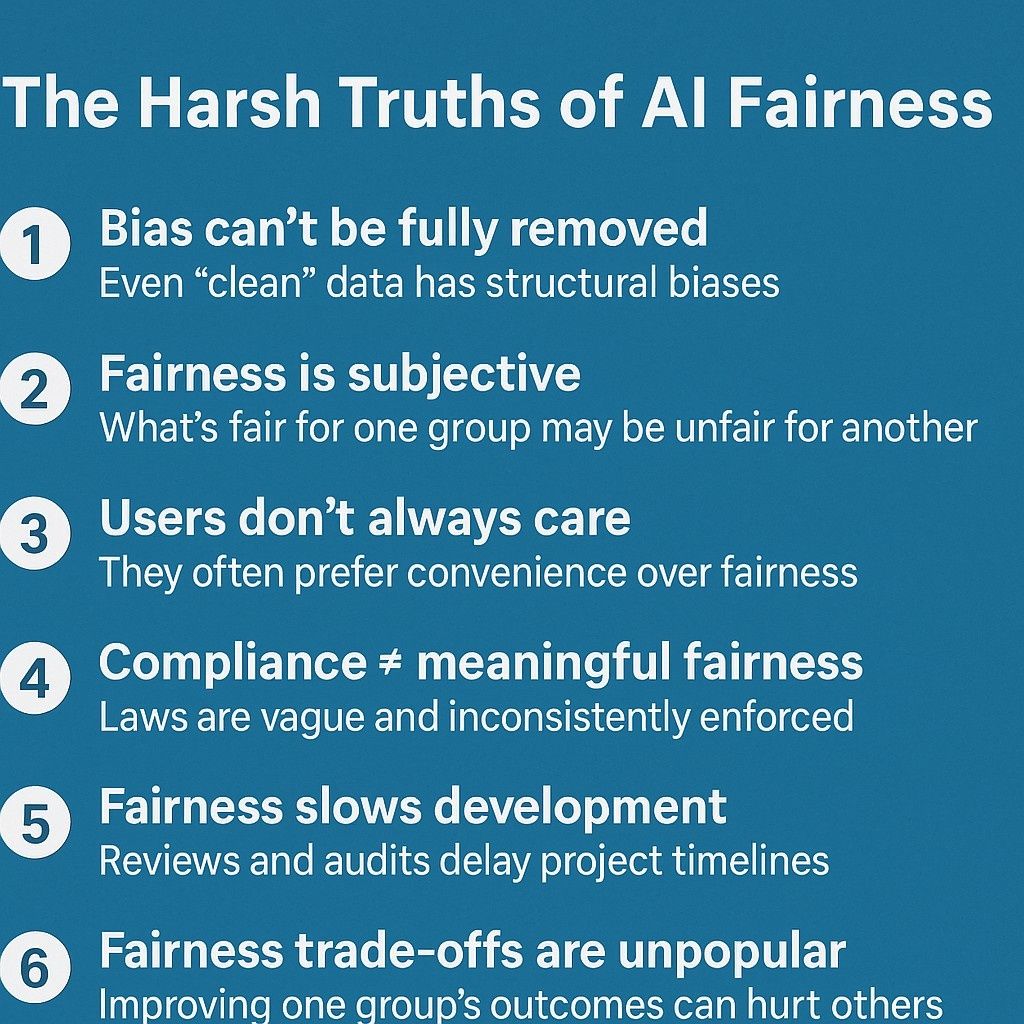
This lifecycle approach prevents the “fairness debt” that can accumulate when ethical considerations are only addressed as an afterthought, making remediation more costly and complex.
Tools and Frameworks for Fairness Assessment
The growing importance of AI fairness has led to the development of numerous open-source tools and frameworks designed to aid developers. Examples include IBM’s AI Fairness 360, Google’s What-If Tool, Microsoft’s Fairlearn, and the Aequitas toolkit. These tools provide:
- Pre-built fairness metrics: Allowing easy calculation and comparison of different fairness definitions.
- Bias detection algorithms: To identify and quantify biases in datasets and model predictions.
- Bias mitigation techniques: Algorithms that can be applied to data or models to reduce identified biases.
- Visualization dashboards: To help developers intuitively understand fairness implications across various subgroups.
These resources empower development teams, even those without deep ethical AI expertise, to integrate sophisticated fairness assessments into their workflows, democratizing access to responsible AI practices.
Integrating Fairness into MLOps
Machine Learning Operations (MLOps) is the discipline of streamlining the lifecycle of machine learning models, from development to deployment and maintenance. Integrating fairness measures into MLOps pipelines is crucial for scaling ethical AI practices. This means:
- Automated Fairness Testing: Incorporating fairness metric checks as part of continuous integration/continuous delivery (CI/CD) pipelines, flagging potential fairness violations before deployment.
- Version Control for Fairness: Tracking changes in fairness metrics alongside model versions, allowing for rollback if new versions introduce unacceptable biases.
- Monitoring Dashboards: Creating real-time dashboards that track fairness metrics in production environments, alerting operators to potential fairness drifts.
By embedding fairness into MLOps, organizations can ensure that ethical considerations are not just one-off project requirements but integral, automated components of their AI infrastructure, leading to more resilient and ethically compliant AI products.
Navigating Regulatory Landscapes and Industry Standards
The technical efforts invested in fairness measures also serve a critical purpose in preparing for and complying with an evolving global regulatory environment. Governments and industry bodies worldwide are recognizing the need to govern AI, particularly concerning issues of bias and discrimination.
Emerging AI Regulations and Compliance Requirements
Regulations such as the European Union’s AI Act, various state-level AI ethics guidelines in the U.S., and global data protection laws (like GDPR, which includes provisions for algorithmic transparency and fairness) are setting new legal benchmarks for AI systems. These regulations often mandate:
- Impact Assessments: Requiring developers to assess potential risks, including discriminatory outcomes, before deploying high-risk AI systems.
- Transparency and Explainability: Demanding that AI systems’ decision-making processes be understandable and auditable.
- Bias Mitigation: Explicitly requiring developers to identify and mitigate biases in AI systems.
- Human Oversight: Mandating mechanisms for human intervention or oversight in critical AI decisions.
Fairness measures are the technical tools that enable organizations to meet these compliance requirements, avoiding significant legal penalties, reputational damage, and operational disruptions. Proactive adoption of fairness measures transforms regulatory hurdles into strategic advantages, allowing companies to innovate confidently within legal boundaries.
Best Practices and Responsible AI Frameworks
Beyond legal compliance, industry leaders and consortiums are developing best practices and responsible AI frameworks to guide ethical AI development. Organizations like the Partnership on AI, the IEEE, and various national AI ethics initiatives provide guidelines that often emphasize fairness, accountability, and transparency. Adhering to these standards, often enabled by the implementation of fairness measures, helps organizations:
- Establish Internal Governance: Create robust internal policies and procedures for ethical AI development.
- Foster a Culture of Responsibility: Embed ethical thinking throughout the product development lifecycle, from engineers to product managers.
- Demonstrate Leadership: Position themselves as leaders in responsible AI, attracting top talent and building strong partnerships.
These frameworks, powered by concrete fairness measures, push the AI industry towards a more mature and conscientious development paradigm, where ethical design is as important as technical performance.
Strategic Advantages: Innovation, Market Acceptance, and Competitive Edge
Beyond ethical imperatives and regulatory compliance, integrating fairness measures into AI product development offers tangible strategic advantages that directly contribute to business success within the competitive tech landscape.
Fostering User Adoption and Loyalty
Users are increasingly savvy about data privacy and algorithmic fairness. Products perceived as unfair or discriminatory will struggle to gain widespread adoption and retain user loyalty. Conversely, AI products designed with fairness in mind, demonstrating transparent and equitable outcomes, naturally inspire greater trust and confidence. This trust translates directly into higher user engagement, stronger brand affinity, and sustained product usage, offering a significant competitive differentiator in markets saturated with AI solutions.
Driving Innovation Through Ethical Design
Focusing on fairness can spur genuine innovation. Addressing the challenges of bias and discrimination often requires novel algorithmic approaches, more sophisticated data collection techniques, and advanced explainability methods. This pushes the boundaries of AI research and development, leading to the creation of more resilient, adaptable, and generalized AI models. The constraints imposed by fairness objectives can act as catalysts for creative problem-solving, fostering a culture of rigorous, thoughtful design that benefits the entire product ecosystem.
Future-Proofing AI Investments
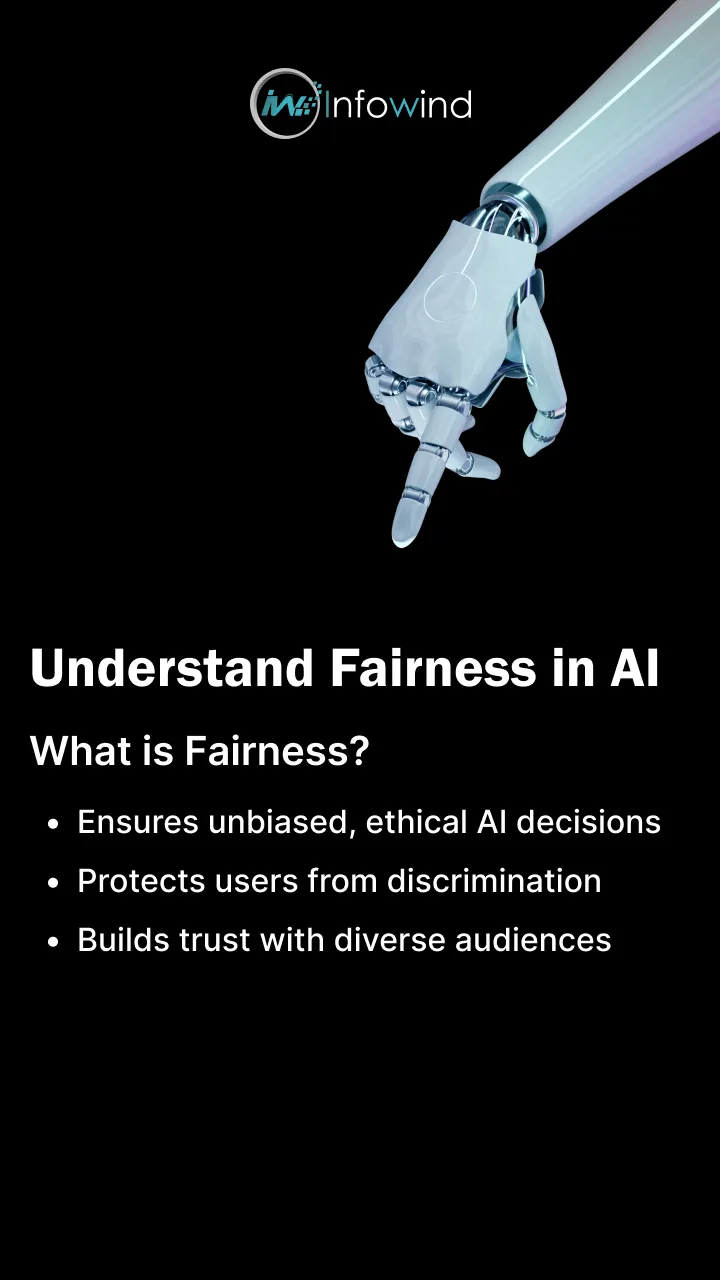
Investing in fairness measures today is an investment in the long-term viability and sustainability of AI products. Unfair AI systems carry significant risks, including:
- Reputational Damage: Negative press and public backlash can severely harm an organization’s standing.
- Legal Challenges: Costly lawsuits and regulatory fines stemming from discriminatory outcomes.
- Technical Debt: Retooling and retrofitting fairness into existing systems is often more expensive and complex than integrating it from the outset.
- Market Rejection: Products deemed unethical may fail to gain market traction or face bans in certain jurisdictions.
By proactively integrating fairness measures, organizations mitigate these risks, ensuring that their AI investments are robust, compliant, and positioned for sustained success in an increasingly ethically conscious global market. It safeguards the future growth and relevance of AI technology, ensuring it serves humanity broadly and equitably.
aViewFromTheCave is a participant in the Amazon Services LLC Associates Program, an affiliate advertising program designed to provide a means for sites to earn advertising fees by advertising and linking to Amazon.com. Amazon, the Amazon logo, AmazonSupply, and the AmazonSupply logo are trademarks of Amazon.com, Inc. or its affiliates. As an Amazon Associate we earn affiliate commissions from qualifying purchases.