
In the landscape of modern technology, the concept of “DNA” has transcended biology to become a cornerstone of data science and cybersecurity. Whether we are discussing the literal synthesis of deoxyribonucleic acid for long-term data storage or the metaphorical “digital DNA” that constitutes an organization’s proprietary source code and sensitive algorithms, the question of protection has never been more critical. As we migrate toward a future where biological data and digital infrastructure converge, the mechanisms used to shield this foundational information must evolve. Protecting DNA today requires a multi-layered approach involving advanced encryption, zero-trust architectures, and physical hardware security designed to withstand both cyber and environmental threats.
The Technological Architecture of DNA Data Storage
As the world’s data generation outpaces the production of traditional silicon-based storage, synthetic DNA has emerged as the ultimate high-density, long-term archival solution. A single gram of DNA can theoretically hold up to 215 petabytes of data. However, this shift from magnetic tape and SSDs to molecular storage introduces a unique set of vulnerabilities.
The Synthesis and Sequencing Pipeline
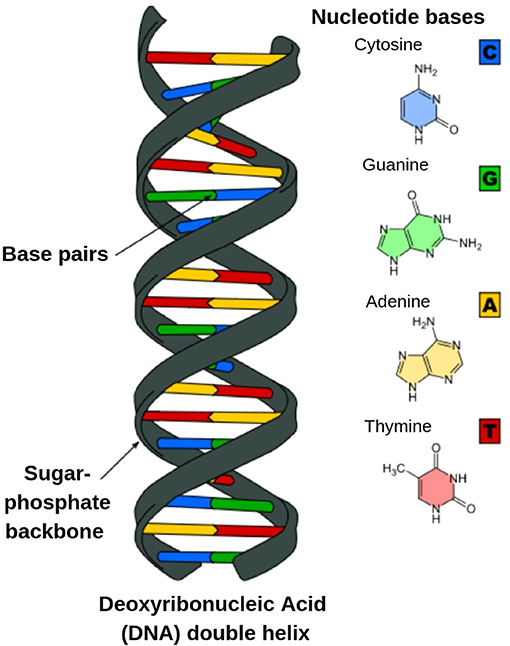
The “protection” of DNA in a tech context begins during the synthesis phase. When digital binary (0s and 1s) is converted into the quaternary code of DNA (A, C, G, T), the integrity of the translation is paramount. Advanced error-correction algorithms, similar to those used in satellite communications, are employed to ensure that the “written” data remains accurate. Reed-Solomon codes and Fountain codes act as a primary layer of protection, allowing the data to be reconstructed even if portions of the DNA strand are degraded or lost.
Chemical and Environmental Shielding
Unlike a hard drive that requires constant power and cooling, DNA is physically durable but chemically sensitive. To protect the physical medium, tech firms are developing “encapsulation” technologies. By mimicking the way fossils preserve genetic material for millennia, synthetic DNA is often embedded in specialized silica glass beads or stainless-steel capsules. These physical barriers protect the data from ultraviolet light, moisture, and temperature fluctuations, ensuring that the information remains readable for thousands of years without the risk of bit rot.
Cybersecurity Frameworks for Genomic Data
As genomic sequencing becomes a standard part of personalized medicine and biotechnology, the “DNA” being protected is the most sensitive personal data in existence. This information is a permanent identifier, making its protection a matter of national security and individual privacy. The technology industry has responded by implementing robust cybersecurity frameworks tailored for the bioinformatics pipeline.
End-to-End Encryption in Bioinformatics
Standard encryption is often insufficient for the massive datasets associated with DNA sequencing. High-performance computing (HPC) environments now utilize “Homomorphic Encryption.” This cutting-edge tech allows researchers to perform calculations and run AI models on encrypted genomic data without ever needing to decrypt it. This ensures that even if a server is compromised, the “DNA” remains an unreadable cipher. By protecting the data at rest, in transit, and—most importantly—in use, tech organizations can maintain a high level of privacy.
Decentralized Identity and Blockchain
To prevent the centralized storage of genomic data, which creates a “honeypot” for hackers, many tech firms are turning to blockchain and Distributed Ledger Technology (DLT). By using decentralized storage protocols, a user’s genomic profile is broken into fragments and distributed across a network. No single entity holds the entire sequence, and access is governed by smart contracts. This puts the power of protection back into the hands of the individual, ensuring that “DNA” cannot be accessed, sold, or analyzed without an immutable audit trail of consent.
Protecting the Infrastructure: Hardware and Bio-Malware

The intersection of biology and technology introduces a new threat vector: the ability to encode malware within physical DNA strands. Researchers have demonstrated that it is possible to synthesize a DNA sequence that, when sequenced by a digital machine, overflows a buffer and gains control of the computer system. Protecting DNA, therefore, also means protecting the hardware that interacts with it.
Air-Gapping and Sequencing Security
To defend against bio-malware, modern sequencing laboratories are adopting “Air-Gapped” configurations. By physically isolating the sequencing hardware from the broader corporate network and the internet, technicians prevent a compromised DNA sample from spreading a digital virus. Furthermore, software-level “Bio-Firewalls” are now being developed. These tools scan incoming DNA sequences for known malicious patterns before they are processed by the sequencer’s software, acting as an antivirus for the molecular world.
Zero-Trust Access Control
In the tech world, the “DNA” of a company—its proprietary algorithms and core intellectual property—is protected via Zero-Trust Architecture (ZTA). This philosophy assumes that threats are both internal and external. Protection is achieved through micro-segmentation, where access to the “core code” is restricted based on continuous verification. Multi-factor authentication (MFA) and biometric verification ensure that only authorized personnel can interact with the organization’s most vital digital assets, effectively creating a high-security perimeter around the digital DNA.
AI and Machine Learning: The Digital Immune System
As cyber threats become more sophisticated, static protection measures are no longer enough. The tech industry is increasingly relying on Artificial Intelligence (AI) to act as a digital immune system, identifying and neutralizing threats to DNA data in real-time.
Predictive Threat Detection
AI models trained on millions of cyberattack patterns can predict vulnerabilities in genomic databases before they are exploited. These systems monitor network traffic and user behavior for anomalies. If a user attempts to download an unusually large portion of a genomic database or accesses a proprietary sequence from an unrecognized IP address, the AI can automatically revoke access and quarantine the data. This proactive stance is essential for protecting information that, if stolen, can never be “reset” like a password.
Automated Patch Management
The software used to manage and analyze DNA data is complex and often contains legacy code. AI-driven patch management systems are now used to scan this software for vulnerabilities and automatically deploy updates. By ensuring that the digital tools used to interact with DNA are always up-to-date, tech companies can close the gaps that hackers often use to gain entry. This layer of protection is vital for maintaining the integrity of the entire bio-digital ecosystem.
Ethical Tech and Regulatory Compliance
Finally, the protection of DNA is governed by a framework of ethical technology standards and international regulations. While software and hardware provide the technical shield, compliance provides the legal and structural “armor” that ensures data is handled responsibly.
GDPR and HIPAA in the Tech Stack
In Europe, the General Data Protection Regulation (GDPR) classifies genetic data as a “special category” requiring the highest level of protection. In the United States, the Health Insurance Portability and Accountability Act (HIPAA) sets the standard for how this data is stored and shared. Tech companies must build their platforms with “Privacy by Design,” ensuring that compliance is baked into the code rather than added as an afterthought. This includes automated data deletion (the “right to be forgotten”) and rigorous data masking techniques.
The Future of Sovereign Data
As we look forward, the concept of “Sovereign Data” is gaining traction. This involves technology that allows nations or individuals to keep their DNA data within specific geographic or digital boundaries. By using localized cloud environments and regional encryption keys, organizations can protect DNA from foreign surveillance and industrial espionage. This geopolitical layer of protection is becoming increasingly relevant as biotechnology becomes a central pillar of global economic competition.
In conclusion, protecting DNA—whether in its biological form or as a digital representation—is one of the most complex challenges in modern technology. It requires the seamless integration of physical shielding, advanced cryptography, AI-driven defense, and strict regulatory adherence. As we continue to unlock the potential of DNA as a medium for both health and storage, the tech industry’s ability to safeguard this “source code of life” will define the security and privacy of the digital age.
aViewFromTheCave is a participant in the Amazon Services LLC Associates Program, an affiliate advertising program designed to provide a means for sites to earn advertising fees by advertising and linking to Amazon.com. Amazon, the Amazon logo, AmazonSupply, and the AmazonSupply logo are trademarks of Amazon.com, Inc. or its affiliates. As an Amazon Associate we earn affiliate commissions from qualifying purchases.