
In the realm of personal finance, housing is consistently the largest monthly expense for the average household. In Arizona, where the real estate market has seen significant fluctuations over the last decade, managing the cost of rent is a critical component of financial stability. For many residents, the question isn’t just how to save money, but whether there are public resources available to help bridge the gap between income and rising housing costs.
Understanding which programs the city and state pay for regarding “rents” (often searched as “rets”) is essential for anyone looking to optimize their personal budget or recover from financial hardship. This guide delves into the various financial assistance programs available across Arizona, the eligibility requirements that dictate fund distribution, and the strategic role these programs play in a healthy financial plan.

Understanding the Landscape of Arizona Rental Assistance
The state of Arizona offers a patchwork of rental assistance programs funded through a combination of federal, state, and municipal resources. From a financial perspective, these programs serve as a safety net designed to prevent homelessness and reduce the economic burden on low-to-moderate-income families.
The Section 8 Housing Choice Voucher Program
The most prominent program in Arizona—and the United States—is the Housing Choice Voucher Program, commonly known as Section 8. Managed by local Public Housing Agencies (PHAs), this program provides a direct subsidy to landlords on behalf of the participating family. From a personal finance standpoint, this program is a game-changer; it typically limits a tenant’s rent contribution to approximately 30% of their adjusted monthly income.
In Arizona, major cities like Phoenix, Tucson, and Mesa have their own dedicated housing authorities that manage these vouchers. Because the funding is federal but administered locally, the “city” effectively pays the difference between the market rent and the tenant’s calculated contribution. However, due to high demand, these programs often have lengthy waiting lists, making them a long-term financial solution rather than an immediate emergency fix.
Emergency Rental Assistance (ERA) and Pandemic-Era Funding
While the height of the COVID-19 pandemic has passed, the infrastructure created for the Emergency Rental Assistance (ERA) program has left a lasting impact on how Arizona handles financial crises. These programs were designed to provide temporary relief to those facing eviction due to unforeseen financial setbacks.
While much of the specific “ERA” funding has been committed, many Arizona cities have transitioned these frameworks into permanent “Eviction Prevention” programs. These are funded by local General Funds or federal Block Grants. For a resident, this means that in a moment of financial instability—such as a job loss or medical emergency—the city may offer a one-time payment to cover arrears and keep the individual’s credit score and rental history intact.
City-Specific Programs and Local Financial Initiatives
The financial resources available to an Arizonan often depend heavily on the specific municipality in which they reside. Each city allocates its budget differently, prioritizing various aspects of community wealth and housing security.
Phoenix Housing Department and Resident Services
As the largest city in the state, Phoenix manages a robust portfolio of financial assistance. The Phoenix Housing Department doesn’t just manage vouchers; it also oversees “Public Housing” units where the city acts as the landlord. For a resident’s personal finance strategy, living in public housing can drastically reduce overhead, allowing for the redirection of funds toward debt repayment or education.
Furthermore, Phoenix often utilizes Community Development Block Grants (CDBG) to fund non-profit partners. These partners, such as the Wildfire organization, act as conduits for city money, distributing funds for rent and utility assistance to those who meet specific poverty guidelines.
Tucson and Pima County Eviction Prevention
In Southern Arizona, Tucson and Pima County have pioneered a collaborative approach to housing finance. Their joint Eviction Prevention Program was designed to streamline the application process. This initiative is particularly focused on “legal-financial” health; by providing rent assistance before a case reaches court, the program saves the city money on social services and saves the resident from the long-term financial stain of an eviction record.
Mesa’s Community Resources and Utility Support
The City of Mesa provides a “Community Resources” division that focuses on holistic financial stability. While rent is a primary focus, Mesa recognizes that utility costs (especially during Arizona’s brutal summers) are a major component of housing affordability. Their “Mesa CAN” (Community Action Network) program provides financial aid that covers both rent and electric bills, ensuring that a resident’s budget isn’t derailed by a $400 cooling bill in July.

Eligibility Criteria: Managing Your Personal Finances for Approval
To access city-funded rental assistance in Arizona, one must navigate a complex set of financial criteria. These programs are not “one size fits all,” and approval often hinges on meticulous record-keeping and an understanding of Area Median Income (AMI).
Income Limits and Area Median Income (AMI)
Most rental assistance in Arizona is tiered based on the AMI of the specific county. For example, Maricopa County has a different AMI than Pima or Yuma counties. Generally, to qualify for significant city-paid rent assistance, a household must earn 50% or less of the AMI, with “extremely low-income” priority given to those at or below 30% of the AMI.
From a financial planning perspective, it is vital to know where your household falls on this scale. Qualifying for assistance can provide a “financial floor,” preventing a temporary drop in income from turning into a permanent cycle of debt.
Documentation Requirements for Financial Aid
Applying for city-funded programs requires a level of financial transparency similar to applying for a mortgage. Applicants must typically provide:
- Proof of income (pay stubs, tax returns, or social security award letters).
- Bank statements to verify assets.
- A valid lease agreement.
- A “Notice to Quit” or eviction notice (for emergency programs).
Staying organized with these documents is a core tenet of personal financial management. Having a “financial emergency folder” with these documents ready can mean the difference between receiving aid and being denied due to a missed deadline.
Strategic Financial Planning for Long-Term Housing Stability
Rental assistance should be viewed as a tool within a broader financial strategy. Whether you are currently receiving aid or are looking to qualify, the goal is often to use the subsidy as a stepping stone toward greater financial independence.
Leveraging Rental Assistance to Build a Financial Cushion
For those who qualify for city-paid rent, the immediate reduction in expenses offers a unique opportunity to build an emergency fund. In personal finance, the “3-6 months of expenses” rule is standard. If a city program covers $800 of your $1,200 rent, that $800 should not necessarily be spent on lifestyle inflation. Instead, redirecting those funds into a high-yield savings account or paying off high-interest credit card debt can transform a household’s net worth over time.
Transitioning from Subsidized to Independent Housing
City programs in Arizona often include “Family Self-Sufficiency” (FSS) components. These programs allow residents to put a portion of their increased earnings into an escrow account as their rent subsidy decreases. This is a brilliant financial tool; it rewards career growth by helping the resident save for a down payment on a home or a future rental deposit, effectively turning a social safety net into a wealth-building vehicle.
Protecting Your Financial Future: Rights and Resources
Navigating the intersection of law and finance is critical for Arizona renters. Even when the city pays for rent, there are contractual and legal obligations that can impact a resident’s financial standing.
Legal Aid and Financial Counseling
Arizona offers several resources for residents to understand their financial rights. “Community Legal Services” provides pro bono advice for those facing housing disputes. Understanding the “Arizona Residential Landlord and Tenant Act” is essential; for instance, knowing that a landlord cannot legally lock you out without a court order can prevent an immediate financial catastrophe.
Additionally, many city-funded programs require or offer financial literacy coaching. These sessions cover budgeting, credit repair, and debt management. Engaging with these resources is not just about keeping your current housing; it’s about building the financial literacy required to navigate the complexities of the modern economy.
The Role of Non-Profits in Gap Funding
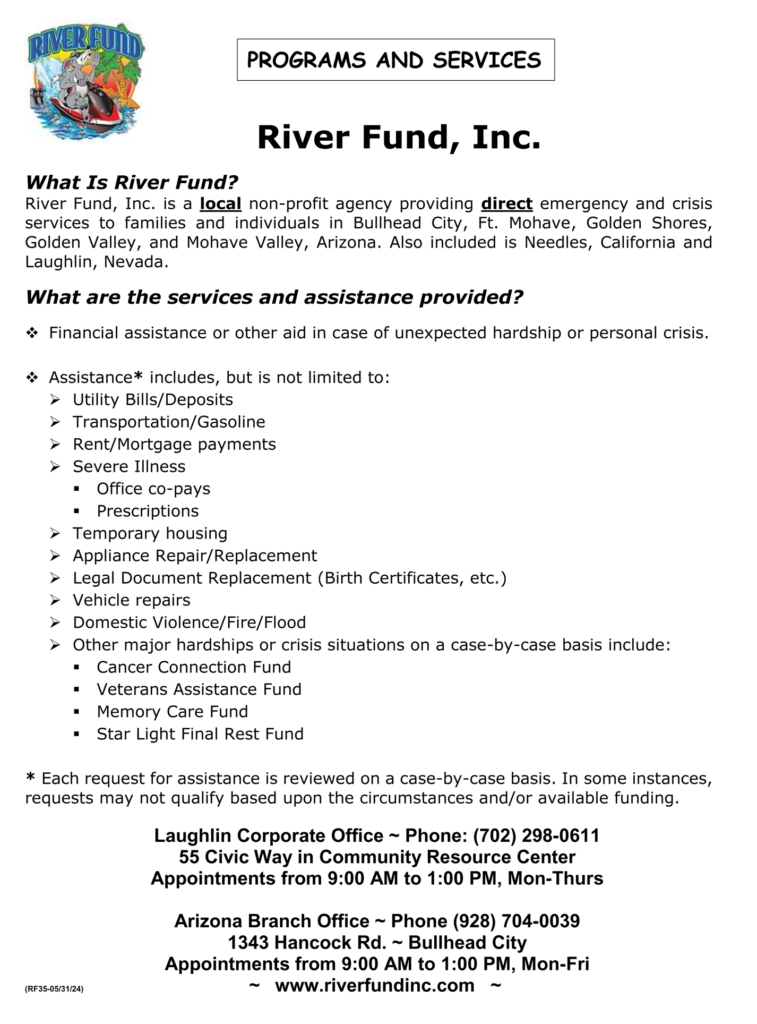
Sometimes, city programs run out of money before the fiscal year ends. In these cases, the “Money” niche extends to the non-profit sector. Organizations like St. Vincent de Paul or the Salvation Army often receive city grants to act as secondary providers. For an Arizona resident, knowing the “financial map” of these organizations is just as important as knowing the city’s housing office location.
In conclusion, while the search for “what program the city pays for rets in Arizona” may start with a need for immediate relief, the answer lies in a comprehensive understanding of local, state, and federal financial ecosystems. By identifying the right programs—from Section 8 to local eviction prevention—and treating them as part of a structured personal finance plan, Arizona residents can secure their housing, protect their credit, and build a foundation for future prosperity.
aViewFromTheCave is a participant in the Amazon Services LLC Associates Program, an affiliate advertising program designed to provide a means for sites to earn advertising fees by advertising and linking to Amazon.com. Amazon, the Amazon logo, AmazonSupply, and the AmazonSupply logo are trademarks of Amazon.com, Inc. or its affiliates. As an Amazon Associate we earn affiliate commissions from qualifying purchases.