
Petroleum, often colloquially referred to as “oil,” is frequently associated with fuel for vehicles and power generation. While its role as an energy source is undeniable, a deeper dive reveals that crude oil is also the foundational raw material for an astonishing array of products that are indispensable to our modern technological landscape. Far beyond the gas tank, petroleum derivatives, known as petrochemicals, form the building blocks for much of the technology we interact with daily, from the smartphones in our pockets to the infrastructure powering the digital world. This exploration delves into the often-overlooked yet critical contributions of petroleum-derived products to the realm of technology, showcasing their pervasive presence and the innovative processes that transform a crude resource into high-tech necessities.
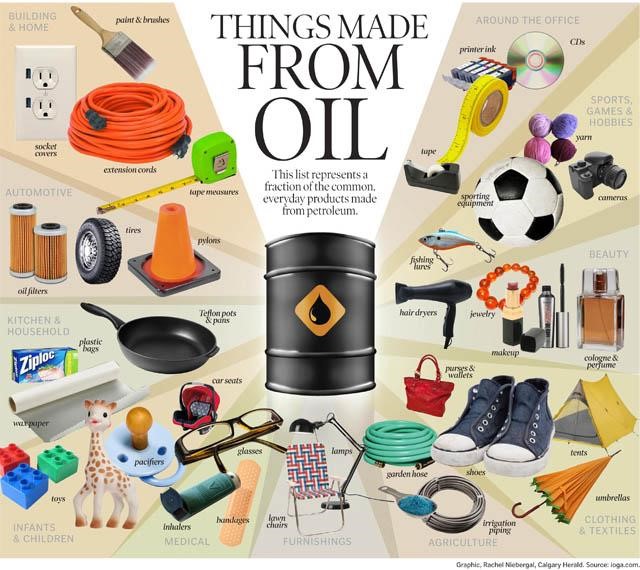
The Ubiquitous Role of Petrochemicals in Modern Gadgetry
The sleek designs, lightweight construction, and robust performance of contemporary electronic gadgets are largely thanks to advancements in petrochemical-derived materials. Plastics, in their myriad forms, are the unsung heroes of personal technology, offering unparalleled versatility, durability, and cost-effectiveness.
From Smartphone Screens to Laptop Casings
Consider the smartphone, a marvel of miniaturized technology. Its casing, often made from advanced polycarbonate or ABS (Acrylonitrile Butadiene Styrene) plastics, provides essential protection while allowing for complex, ergonomic designs. These polymers are chosen for their impact resistance, scratch resistance, and ability to be molded into intricate shapes. Beyond the exterior, numerous internal components rely on petroleum derivatives. Printed Circuit Boards (PCBs) often incorporate epoxy resins, themselves petroleum-based, to provide structural integrity and insulation for the intricate electrical pathways. The various wires and cables, which transmit data and power, are insulated with PVC (Polyvinyl Chloride) or polyethylene, ensuring electrical safety and flexibility. Even the adhesive tapes used to secure components inside are often formulated from synthetic rubbers and resins derived from crude oil. The touchscreens themselves, while primarily glass, often have layers of specialized polymers that enhance durability, clarity, and tactile response, enabling the fluid interactions we take for granted.
Laptops, tablets, and desktop computers similarly leverage a vast spectrum of petrochemical products. Their casings, internal mounting brackets, keyboard keys, and even some fan components are crafted from engineered plastics. These materials not only contribute to the device’s aesthetics and ergonomics but also play a crucial role in thermal management, electrical insulation, and overall structural integrity, allowing for lighter, thinner, and more powerful computing devices. The continuous innovation in polymer science, fueled by petrochemical research, directly translates into more advanced, resilient, and user-friendly tech gadgets.
Advanced Polymers in Wearables and IoT Devices
The rise of wearable technology and the Internet of Things (IoT) has further amplified the demand for specialized petrochemical products. Devices like smartwatches, fitness trackers, and augmented reality (AR) glasses require materials that are lightweight, flexible, durable, and often biocompatible. Here, advanced elastomers and thermoplastic polyurethanes (TPUs), derived from petroleum, excel. TPU, for instance, offers excellent elasticity, abrasion resistance, and chemical stability, making it ideal for watch straps, protective cases, and flexible circuits in wearables. Its ability to be molded into thin, intricate forms while maintaining comfort against the skin is paramount for user adoption.
For the myriad sensors and micro-components within IoT devices, miniature casings and protective layers are often made from specialized polymers that can withstand harsh environments, resist moisture, and insulate sensitive electronics. The proliferation of connected devices, from smart home sensors to industrial IoT solutions, fundamentally relies on these petroleum-derived materials to achieve their compact form factors, robust performance, and long-term reliability. Without the continuous innovation in polymer chemistry stemming from petroleum feedstocks, the rapid expansion and miniaturization seen in wearables and IoT would be significantly hampered.
Enabling Digital Infrastructure: The Unseen Contributions
Beyond the personal devices we carry, petroleum-derived products are foundational to the vast, unseen infrastructure that powers our digital world. From the fiber optic cables transmitting data across continents to the sophisticated cooling systems in data centers, petrochemicals play an indispensable role in building and maintaining the backbone of modern technology.
Fiber Optics and Network Components
The internet as we know it would not exist without fiber optic cables, which transmit data at the speed of light. While the core of these cables is made of glass, the crucial protective layers and sheathing are almost exclusively petroleum-derived. Polyethylene and PVC are extensively used to provide insulation, mechanical strength, and protection against moisture and environmental factors for individual optical fibers and entire cable bundles. These materials ensure the longevity and reliability of the massive global network of undersea and terrestrial cables that form the internet’s nervous system.
Furthermore, many of the connectors, switches, routers, and other active and passive network components that direct and manage data traffic also rely on engineered plastics for their casings, internal insulation, and structural integrity. These materials must meet stringent specifications for electrical performance, flame retardancy, and durability, all of which are meticulously engineered through petrochemical processes. The robust and extensive nature of our global digital communication networks is thus inextricably linked to the diverse capabilities of petroleum-derived polymers.
Data Centers and Cooling Solutions
Data centers are the powerhouses of the digital age, housing vast arrays of servers, storage devices, and networking equipment. These facilities consume enormous amounts of energy and generate significant heat, necessitating sophisticated cooling systems. Petroleum-derived products contribute in several critical ways. The insulation for the electrical wiring and power distribution units within data centers often relies on PVC, polyethylene, or cross-linked polyethylene (XLPE) for their excellent dielectric properties and flame resistance.
More critically, advanced cooling solutions in modern data centers frequently utilize specialized fluids and polymers. From the piping systems that circulate cooling liquids to the components within HVAC (Heating, Ventilation, and Air Conditioning) units, various plastics and synthetic rubbers (elastomers) play a role. Even in “liquid immersion cooling” technologies, where servers are submerged in dielectric fluids, these fluids are often synthetic hydrocarbons, directly or indirectly derived from petroleum feedstocks, chosen for their non-conductive properties and efficient heat transfer capabilities. The structural elements of server racks and protective enclosures also frequently incorporate petroleum-based plastics, balancing strength with weight and electrical isolation.
Petroleum-Derived Materials in Renewable Energy Technologies
Paradoxically, materials derived from fossil fuels are integral to the very technologies designed to reduce our reliance on them. The transition to renewable energy sources like solar and wind power heavily depends on advanced materials and components that frequently trace their origin back to petroleum.

Components for Solar Panels and Wind Turbines
Solar photovoltaic (PV) panels, the cornerstone of solar energy, rely on several petroleum-derived components. The encapsulants that protect the delicate silicon cells from moisture and environmental degradation are often made from EVA (Ethylene Vinyl Acetate), a copolymer derived from petroleum. This transparent polymer ensures long-term performance and durability of the panels. The backsheets, which provide electrical insulation and moisture barrier on the rear of the panel, are typically multi-layered structures incorporating polymers such as PET (Polyethylene Terephthalate) or PVF (Polyvinyl Fluoride), both with petrochemical origins. Even the frames of some solar panels, though often aluminum, can incorporate plastic components for sealing and structural support.
Wind turbines, towering symbols of renewable energy, are also heavily reliant on petroleum-derived materials, particularly in their massive blades. These blades are often constructed from fiberglass or carbon fiber composites, where the fibers are bound together by petroleum-based epoxy or polyester resins. These resins provide the incredible strength, stiffness, and lightweight properties necessary for the blades to withstand immense aerodynamic forces and rotate efficiently for decades. The coatings and protective paints applied to the blades and tower structures, designed to resist weathering and corrosion, also frequently contain synthetic polymers and pigments derived from crude oil. The gears and bearings within the nacelle (the housing at the top of the tower) often utilize synthetic lubricants and seals that are petroleum-based, ensuring smooth operation and longevity.
Advanced Materials for Energy Storage
As renewable energy penetration increases, so does the demand for efficient and reliable energy storage systems, primarily large-scale batteries. While the active chemical components of batteries are diverse, petroleum-derived materials are essential for their structural integrity, insulation, and safety. The casings for battery packs, whether for grid-scale storage or electric vehicles (EVs), are often made from high-strength engineering plastics like polycarbonates, polypropylenes, or composites incorporating petroleum-based resins. These materials provide protection against physical damage, thermal insulation, and fire retardancy—critical safety features for powerful battery systems.
Furthermore, the separators within lithium-ion batteries, which prevent short-circuits while allowing ion flow, are typically thin films of polyethylene or polypropylene. These precise, porous membranes are crucial for battery performance and safety. Even the wiring harnesses, connectors, and sealing gaskets within battery modules utilize various petroleum-derived plastics and synthetic rubbers to ensure electrical integrity and environmental protection. Without these advanced petrochemical materials, the development and deployment of robust, safe, and efficient energy storage solutions for the renewable future would face significant material and engineering hurdles.
Innovation and Sustainability in Petrochemical Production for Tech
The inherent reliance of technology on petroleum-derived products raises important questions about sustainability and environmental impact. The petrochemical industry is increasingly driven by innovation to address these concerns, focusing on material efficiency, circular economy principles, and the development of alternative feedstocks.
Recycled Content and Circular Economy Initiatives
A major thrust in petrochemical innovation is the integration of recycled content into new products, particularly plastics. Companies are investing heavily in advanced mechanical and chemical recycling technologies that can transform post-consumer and post-industrial plastic waste back into valuable raw materials. For instance, recycled PET is increasingly used in electronic casings and components, while recycled polycarbonates and ABS find applications in various gadget parts. The goal is to create a circular economy where materials are kept in use for as long as possible, reducing the demand for virgin petroleum feedstocks and minimizing waste. This shift requires not only technological breakthroughs in recycling processes but also collaborative efforts across the supply chain, from product design for recyclability to improved collection and sorting infrastructure.
Bio-based Alternatives and Future Directions
Parallel to recycling efforts, significant research and development are dedicated to creating bio-based polymers—plastics derived from renewable biomass sources like corn starch, sugarcane, or cellulose, rather than fossil fuels. While still representing a smaller portion of the market, bio-based plastics such as PLA (Polylactic Acid) and bio-PE (bio-Polyethylene) are finding increasing applications in tech, particularly in packaging and certain device components. These materials offer the potential for reduced carbon footprints and are often biodegradable or compostable under specific conditions, though their performance characteristics and scalability are still areas of active development.
The future of materials for technology will likely involve a hybrid approach, combining optimized petroleum-derived materials with increased recycled content and innovative bio-based alternatives. The focus is on developing high-performance, durable, and resource-efficient materials that minimize environmental impact throughout their lifecycle, from production to end-of-life management. This ongoing evolution in petrochemical science is critical for sustaining technological progress responsibly.
The Technological Processes Behind Petroleum-Derived Products
Understanding “what products are made from oil” from a technological perspective also requires appreciating the sophisticated processes that transform crude oil into specialized components for the tech industry. This isn’t a simple extraction; it’s a complex chain of engineering and chemical synthesis.
Refining and Fractionation Technologies
The journey begins at the refinery, where crude oil, a complex mixture of hydrocarbons, undergoes a process called fractional distillation. This technology separates crude oil into different “fractions” based on their boiling points, yielding gases, gasoline, kerosene, diesel, lubricating oils, and crucially, naphtha. Naphtha is the primary feedstock for petrochemical production. Advanced refining techniques, including catalytic cracking, reforming, and isomerization, further break down larger hydrocarbon molecules and rearrange their structures to produce specific chemical building blocks like ethylene, propylene, benzene, toluene, and xylenes (BTX aromatics). These are the fundamental monomers and intermediates from which virtually all petroleum-derived plastics, synthetic rubbers, and other specialized chemicals are synthesized. The precision and efficiency of these refining and separation technologies are paramount to providing the consistent, high-purity feedstocks required for advanced material science.

Advanced Polymer Synthesis
Once the basic building blocks are obtained, the next technological leap occurs in polymer synthesis. This involves polymerization processes, where thousands or millions of monomer units are chemically linked together to form long chains, creating polymers. Different catalysts, temperatures, pressures, and reaction conditions are employed to produce a vast array of plastics with distinct properties:
- Polyethylene (PE) and Polypropylene (PP): Formed from ethylene and propylene monomers, respectively, these are foundational plastics used in everything from wire insulation to structural components due to their toughness and chemical resistance.
- Polyvinyl Chloride (PVC): Synthesized from vinyl chloride monomer, it offers excellent electrical insulation and flame retardancy, crucial for cables and casings.
- Polystyrenes (PS) and Acrylonitrile Butadiene Styrene (ABS): PS provides rigidity, while ABS, a copolymer, adds impact resistance, making it ideal for device housings.
- Polycarbonates (PC): Known for their exceptional impact strength and transparency, PCs are used in robust enclosures and optical components.
- Epoxy Resins: These thermosetting polymers are formed by reacting epichlorohydrin (petroleum-derived) with other compounds and are vital as adhesives, coatings, and binders in composite materials like PCBs.
Each synthesis process is a triumph of chemical engineering, meticulously controlled to yield polymers with specific molecular weights, chain structures, and additive packages (e.g., flame retardants, UV stabilizers) that meet the demanding performance requirements of technological applications. This continuous innovation in polymer science ensures that petroleum, despite its crude origins, remains a sophisticated raw material source for the high-tech world.
In conclusion, “what products are made from oil” extends far beyond fuel. Within the realm of technology, petroleum-derived products are the unseen yet essential bedrock of innovation. From the materials that enable the smallest electronic components to the robust infrastructure supporting global digital networks and even the advancement of renewable energy systems, petrochemicals play a critical and pervasive role. The ongoing technological advancements in their production, coupled with a growing focus on sustainability and circularity, underscore their continuing importance in shaping the future of technology.
aViewFromTheCave is a participant in the Amazon Services LLC Associates Program, an affiliate advertising program designed to provide a means for sites to earn advertising fees by advertising and linking to Amazon.com. Amazon, the Amazon logo, AmazonSupply, and the AmazonSupply logo are trademarks of Amazon.com, Inc. or its affiliates. As an Amazon Associate we earn affiliate commissions from qualifying purchases.