
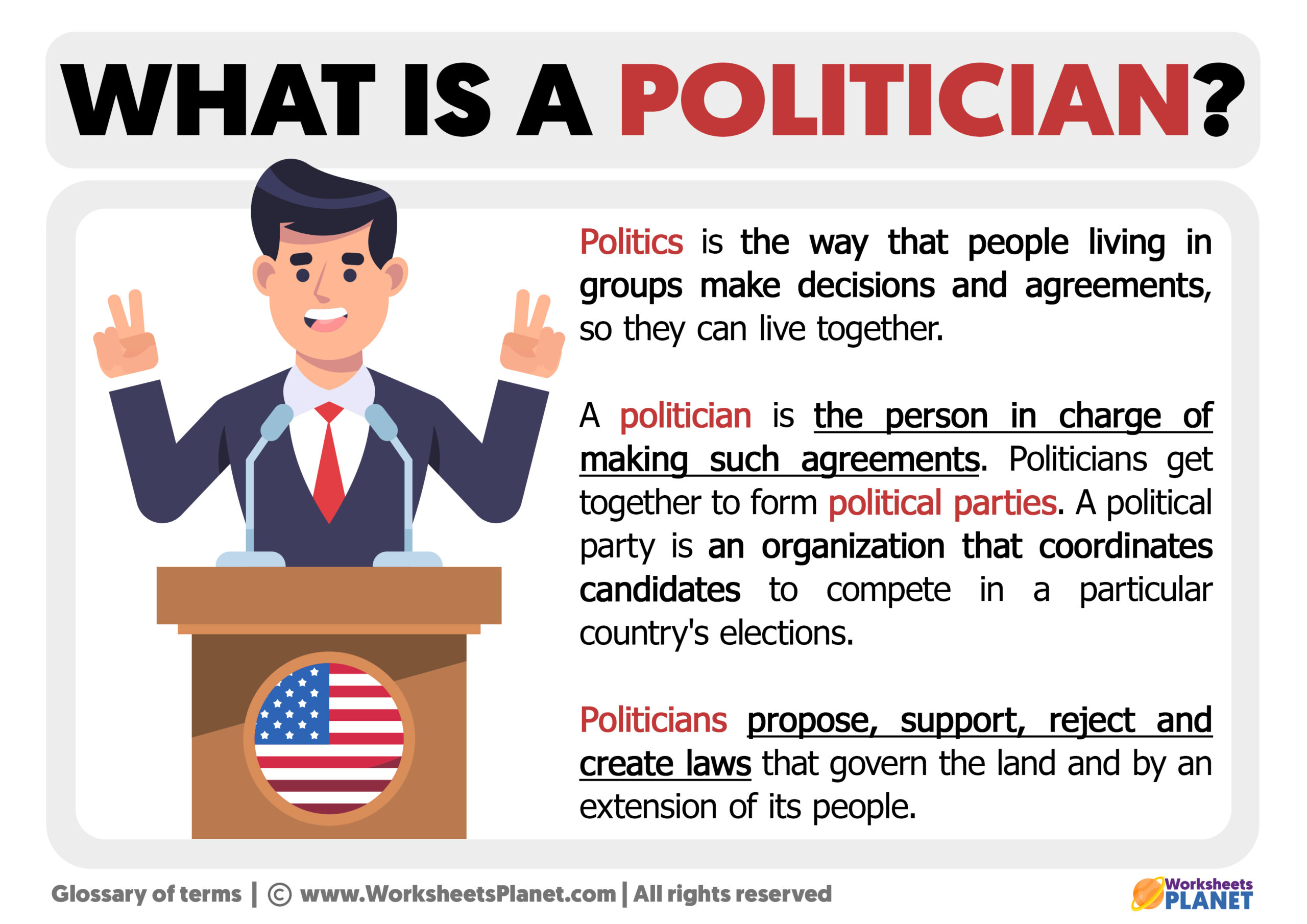
In the intricate tapestry of modern governance and public life, the question “what politicians are” extends far beyond their legislative duties or policy platforms. At their core, politicians are sophisticated brand entities, meticulously crafted and strategically managed individuals whose success hinges as much on their public perception and brand identity as it does on their policy proposals. From local council members to heads of state, every political figure operates within a dynamic marketplace of ideas, where voters, donors, and media alike consume and evaluate their “brand.” Understanding politicians through the lens of branding offers profound insights into their strategies, successes, and failures, revealing the deliberate construction of image, message, and legacy. This isn’t merely about superficiality; it’s about the fundamental principles of communication, trust, and influence that underpin all effective brands, applied to the most demanding and scrutinized of public roles.
The Inherent Branding of Political Figures
Every politician, whether consciously or not, embodies a brand. This brand is a composite of their public persona, their stated values, their historical actions, and the promises they make for the future. It’s a complex identity that seeks to resonate with a diverse electorate, often needing to be both relatable and aspirational. Just as a commercial brand seeks to establish a unique position in the market, a political brand strives to carve out a distinctive space in the public consciousness, differentiating itself from competitors and building a loyal following.
Beyond Policy: The Persona as Product
While policies are the tangible offerings of a political campaign, the politician’s persona is the packaging and emotional connection. Voters don’t just “buy” policies; they often “buy into” the person advocating them. This persona is an amalgamation of character traits—perceived honesty, strength, empathy, intelligence, or steadfastness—that are carefully cultivated and communicated. It’s the story the politician tells about themselves and their journey, designed to elicit identification and trust from the audience. For many voters, especially those less engaged with the minutiae of legislation, the persona becomes the primary lens through which political choices are made. A strong, authentic persona can bridge gaps in policy understanding and even forgive occasional missteps, much like a beloved consumer brand can endure minor product flaws. Conversely, a disconnected or inauthentic persona can undermine even the most well-intentioned policy agenda.
Values, Vision, and Voice: The Core Brand Pillars
The foundation of any robust political brand rests on three interconnected pillars: values, vision, and voice.
-
Values represent the moral and ethical compass of the politician. These are the fundamental beliefs and principles that guide their decisions and actions, such as justice, freedom, community, or economic prosperity. Articulating clear values helps voters understand what the politician stands for, creating a sense of alignment or divergence.
-
Vision is the aspirational future the politician promises to deliver. It’s the big picture, the overarching goal or societal transformation they aim to achieve. A compelling vision provides hope and direction, giving voters a reason to invest their trust and support.
-
Voice is the distinctive manner in which the politician communicates their values and vision. This includes their rhetorical style, choice of language, tone, and even their non-verbal cues. A consistent and authentic voice helps to establish credibility and memorability, making the politician’s message cut through the noise of political discourse. Together, these pillars form the bedrock of a political brand, providing consistency and meaning to their public presence.
The Micro and Macro Brand: Individual and Party Identities
Political branding operates on multiple levels. At the micro level, there is the individual brand of the politician themselves—their unique identity, career narrative, and personal characteristics. This individual brand is crucial for direct appeal to voters, establishing a personal connection and demonstrating leadership qualities. However, politicians rarely operate in a vacuum. They are often members of a political party, which functions as a macro brand. A party brand carries its own set of values, ideological positions, historical baggage, and public reputation. For an individual politician, their party affiliation can be both an asset and a liability. It can provide a ready-made platform, an established base of support, and shared resources. However, it also means inheriting the party’s brand perception, which might not always align perfectly with the individual’s desired image. The most successful politicians skillfully navigate this duality, leveraging the strength of their party brand while simultaneously cultivating a distinct and compelling individual brand that resonates with a broader or specific segment of the electorate.
Constructing the Political Brand: Strategy and Substance
Building a political brand is an intricate process that demands strategic foresight, deep understanding of the electorate, and a commitment to consistent messaging. It’s not merely about slogans; it’s about embedding a distinct identity into the public consciousness through calculated actions and communications. The construction phase is where abstract ideas are translated into tangible public presence.
Understanding the Target Audience: Demographics and Psychographics
Just like commercial brands, political brands must deeply understand who they are trying to reach. This involves moving beyond superficial demographics (age, gender, income) to delve into psychographics—the attitudes, values, interests, and lifestyles of different voter segments. What are their anxieties? What are their hopes? What issues resonate most deeply with them? Political strategists employ sophisticated research methods, from polling and focus groups to data analytics and social listening, to map the emotional landscape of the electorate. This understanding informs every aspect of brand construction, from the issues emphasized to the language used, ensuring that the brand message is tailored to speak directly to the concerns and aspirations of specific voter blocs, thereby maximizing resonance and appeal.
Narrative Crafting: Storytelling in Politics
Humans are fundamentally wired for stories, and politics is no exception. A compelling narrative is arguably the most powerful tool in a politician’s branding arsenal. This narrative isn’t just a collection of facts; it’s a cohesive story that frames the politician’s background, their motivations, their struggles, their triumphs, and their vision for the future. A well-crafted narrative connects with voters on an emotional level, making the politician relatable and memorable. It often includes an origin story, a defining challenge, a moment of realization, and a clear purpose. For instance, a politician might emphasize their humble beginnings to appeal to working-class voters, or highlight their experience as a small business owner to connect with entrepreneurs. The consistent reiteration of this narrative across all communication channels—speeches, interviews, campaign ads, social media—reinforces the brand identity and fosters a deeper connection with the audience.
Visual and Verbal Identity: The Symbols of Power
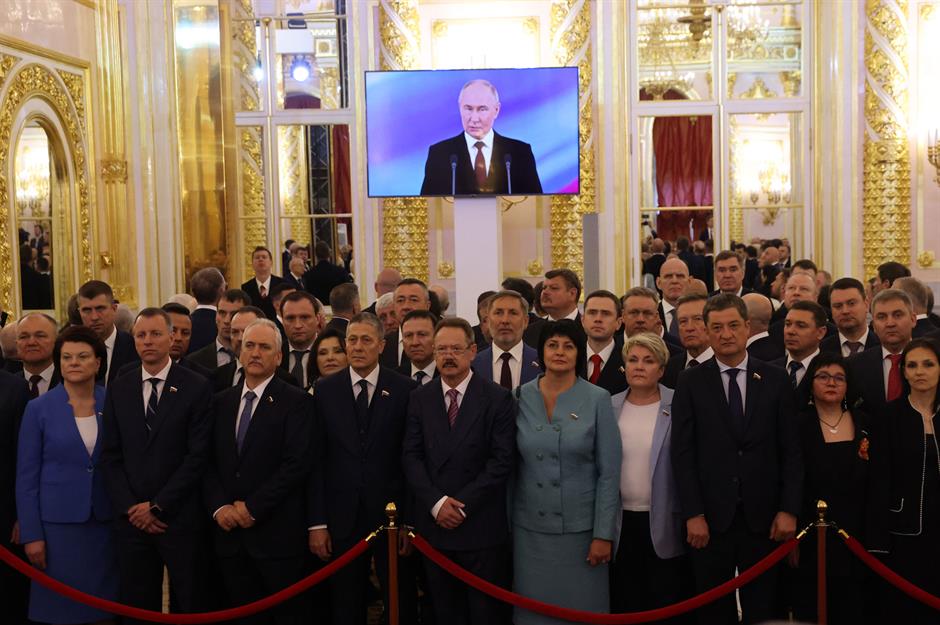
The aesthetic and linguistic elements of a political brand are crucial for recognition and recall. Visual identity encompasses everything from campaign logos, color palettes, and fonts to the politician’s personal appearance and stage presence. Think of the iconic “hope” poster or the distinct color schemes associated with political parties; these visual cues trigger immediate recognition and evoke specific emotions and associations. Similarly, verbal identity includes not only the politician’s consistent messaging but also their catchphrases, speech patterns, and preferred terminology. A distinct rhetorical style, a memorable slogan, or a recurring phrase can become synonymous with the politician and their brand. These elements are not incidental; they are carefully designed to project specific brand attributes—strength, trustworthiness, innovation, stability—and to create a cohesive, recognizable identity that stands out in a crowded political landscape.
Brand Resonance and Reputation Management in the Digital Age
In an era dominated by instant communication and constant scrutiny, maintaining brand resonance and managing reputation has become more complex and critical than ever for politicians. The digital landscape offers unparalleled opportunities for direct engagement but also poses significant risks to carefully constructed brands.
Social Media as the New Campaign Trail
Social media platforms have fundamentally reshaped political branding, transforming them into the new frontlines of public discourse and campaign activity. For politicians, social media is a double-edged sword: it offers unprecedented direct access to constituents, allowing them to bypass traditional media gatekeepers and broadcast their message unfiltered. It’s a platform for showcasing personality, sharing immediate thoughts, engaging in debates, and mobilizing supporters. However, it also demands constant vigilance. Every tweet, post, or comment is subject to instant public reaction, scrutiny, and potential misinterpretation. The rapid virality of information—both true and false—means that brand perception can shift dramatically within hours. Politicians must develop robust social media strategies that not only project their brand but also allow for authentic engagement, rapid response, and community building, all while navigating the treacherous waters of online criticism and misinformation.
Crisis Communication and Damage Control
No political brand is immune to crises, whether it’s a personal scandal, a policy misstep, or an external event that requires a swift and decisive response. Effective crisis communication is paramount to reputation management. When a crisis hits, the politician’s brand is put to the ultimate test. How they respond—their speed, transparency, humility, and resolve—can either reinforce their brand as trustworthy and capable or shatter it irreparably. Damage control involves a strategic blend of clear messaging, empathetic communication, swift corrective action, and sometimes, a sincere apology. The goal is not just to mitigate negative impact but to demonstrate resilience, accountability, and leadership under pressure, potentially even strengthening the brand in the long run by showcasing integrity and humanity. A poorly handled crisis, conversely, can lead to a lasting taint on the brand’s reputation.
Cultivating Authentic Engagement and Trust
In a political environment often characterized by cynicism and distrust, authenticity and trust are the gold standards for any enduring political brand. Voters are increasingly discerning, capable of detecting insincerity and spin. Cultivating authentic engagement means moving beyond transactional relationships (e.g., asking for votes or donations) to foster genuine dialogue, listen to concerns, and demonstrate a sincere commitment to public service. This can involve town halls, direct social media interactions, community outreach, and transparent decision-making processes. Trust is built over time through consistent behavior, adherence to stated values, and the delivery of promises. A politician who consistently aligns their words with their actions, even when faced with difficult choices, will build a reservoir of trust that can sustain their brand through challenging times. Ultimately, a brand built on authenticity and trust is far more resilient and influential than one based solely on image or rhetoric.
The Evolution and Endurance of Political Brands
Political brands are not static; they are living entities that must adapt and evolve in response to changing societal norms, technological advancements, and the shifting tides of public sentiment. The longevity and impact of a political brand are often determined by its ability to remain relevant and resonant over time, even beyond an individual’s tenure in office.
Adapting to Shifting Public Sentiment
The political landscape is in constant flux, with public opinions, priorities, and values continually evolving. A successful political brand must possess the agility to adapt to these shifts without compromising its core identity. This means being attuned to emerging social issues, understanding generational divides, and recognizing cultural transformations. A brand that fails to adapt risks becoming outdated, irrelevant, or out of touch. However, adaptation must be strategic, carefully balancing the need to reflect current realities with the imperative to maintain brand consistency and avoid the perception of opportunism. The most enduring political brands find ways to frame contemporary challenges through the lens of their established values, demonstrating both flexibility and steadfastness.
Legacy Building: Branding Beyond the Term
For many politicians, the ultimate aspiration is to build a legacy—a lasting impact that transcends their time in office. Legacy building is, at its heart, a long-term branding strategy. It involves shaping how history will remember their contributions, their vision, and their character. This is achieved not just through policy achievements but also through consistent articulation of a grander purpose, mentorship of future leaders, and the establishment of institutions or initiatives that continue their work. A politician’s brand can live on for decades or even centuries after they leave office, influencing future generations and becoming a benchmark against which others are measured. Think of historical figures whose names are synonymous with particular movements or ideals; their political brand has achieved a form of immortality, a testament to effective, enduring brand strategy.

The Double-Edged Sword of Brand Consistency
Consistency is a cornerstone of strong branding. For political brands, consistency in messaging, values, and public behavior builds predictability and trust. Voters appreciate knowing what a politician stands for and what to expect from them. However, consistency can also be a double-edged sword. While it fosters stability, an overzealous adherence to past positions or an unwillingness to adapt can lead to accusations of inflexibility, stubbornness, or being out of touch. The challenge for political brands is to maintain a core consistency of values and vision while allowing for strategic flexibility in their approach to specific issues or changing circumstances. The art lies in demonstrating evolution and growth without appearing to abandon one’s principles or alienate one’s base. This delicate balance determines whether a political brand will endure as a symbol of steadfast leadership or fade into irrelevance.
In conclusion, viewing politicians through the sophisticated lens of branding reveals them as master architects of public perception and identity. Their success is intricately tied to their ability to craft a compelling persona, articulate a clear vision, manage their reputation in a hyper-connected world, and adapt their brand for enduring relevance. The question of “what politicians are” ultimately finds its answer in their relentless pursuit of a strong, resonant, and trustworthy brand in the minds of the electorate.
aViewFromTheCave is a participant in the Amazon Services LLC Associates Program, an affiliate advertising program designed to provide a means for sites to earn advertising fees by advertising and linking to Amazon.com. Amazon, the Amazon logo, AmazonSupply, and the AmazonSupply logo are trademarks of Amazon.com, Inc. or its affiliates. As an Amazon Associate we earn affiliate commissions from qualifying purchases.