
Traveling to Mexico offers a vibrant tapestry of culture, cuisine, and breathtaking landscapes, but a common pitfall for many international visitors is the often-overlooked detail of electrical compatibility. In an increasingly connected world, ensuring your smartphones, laptops, cameras, and other essential gadgets remain powered is paramount. Understanding Mexico’s specific electrical standards, including voltage, frequency, and outlet types, is a crucial piece of pre-travel tech preparation that can save you from frustration and potentially damaged electronics.
Understanding Mexico’s Electrical Standards
Mexico operates on an electrical standard that is familiar to travelers from the United States and Canada, but distinct from many other parts of the world. This means that while some visitors will find their devices plug-and-play ready, others will require specific adaptations.

Voltage and Frequency: The Foundation
The fundamental elements of any electrical system are its voltage and frequency. In Mexico, the standard voltage is 127 V, with a frequency of 60 Hz. This aligns perfectly with the standards found across North America (U.S., Canada, and parts of Central America and the Caribbean), which typically use 120 V at 60 Hz.
For travelers coming from regions that utilize this standard (e.g., the U.S. and Canada), this is excellent news. Most modern electronic devices, especially those designed for a wide range of markets, are built to tolerate minor voltage fluctuations, meaning your 120V-rated devices will generally operate safely on Mexico’s 127V system. The 60 Hz frequency is also identical, which is important for motors and clocks, ensuring they run at their intended speed.
However, for visitors from countries operating on a different standard—most notably Europe, Asia, Africa, and Australia, which predominantly use 220-240 V at 50 Hz—this difference is significant. Plugging a 220V-only device into a 127V Mexican outlet without a voltage converter will result in the device not receiving enough power, making it unusable or significantly underperforming. Conversely, plugging a 127V-only device into a 220V outlet in another country would likely result in catastrophic damage to the device due to overvoltage. It’s always crucial to check the input voltage range printed on your device or its power adapter, which often appears as “Input: 100-240V, 50/60Hz,” indicating dual voltage capability.
Type A and Type B Outlets: The Physical Connection
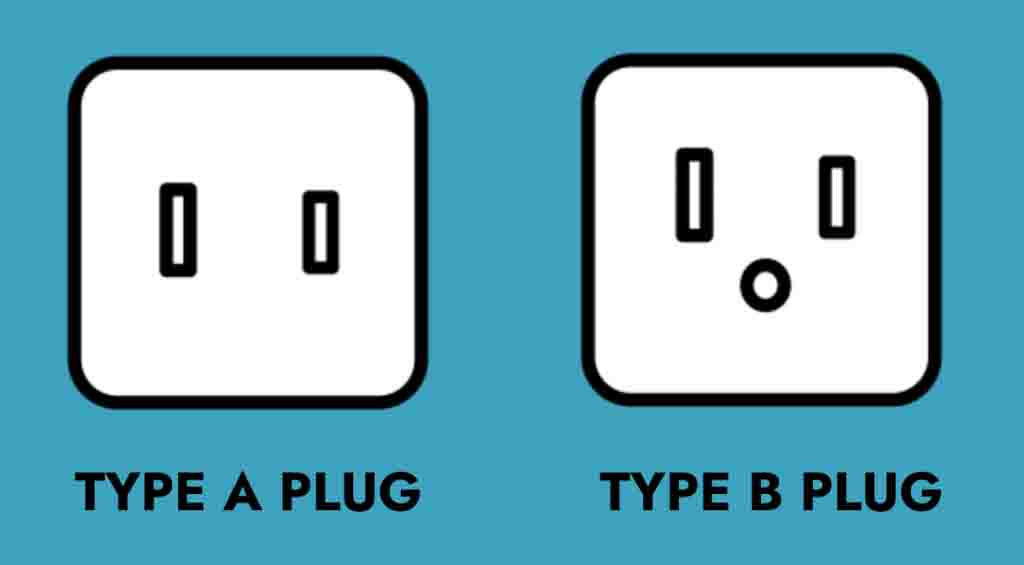
Beyond voltage and frequency, the physical shape of the plug and outlet is equally vital. Mexico exclusively uses two types of electrical outlets and their corresponding plugs: Type A and Type B.
- Type A Plugs and Outlets: This type features two flat parallel pins. It is commonly referred to as the “North American standard” two-prong plug. It is primarily used for non-grounded devices or older appliances.
- Type B Plugs and Outlets: This type is essentially a Type A plug with an added round grounding pin. It has two flat parallel pins and one round grounding pin. This is the more modern and safer standard for most electronic devices, providing a ground connection to protect against electrical surges and shocks. Most residential and commercial buildings in Mexico will feature Type B outlets, although Type A outlets can still be found, particularly in older establishments.
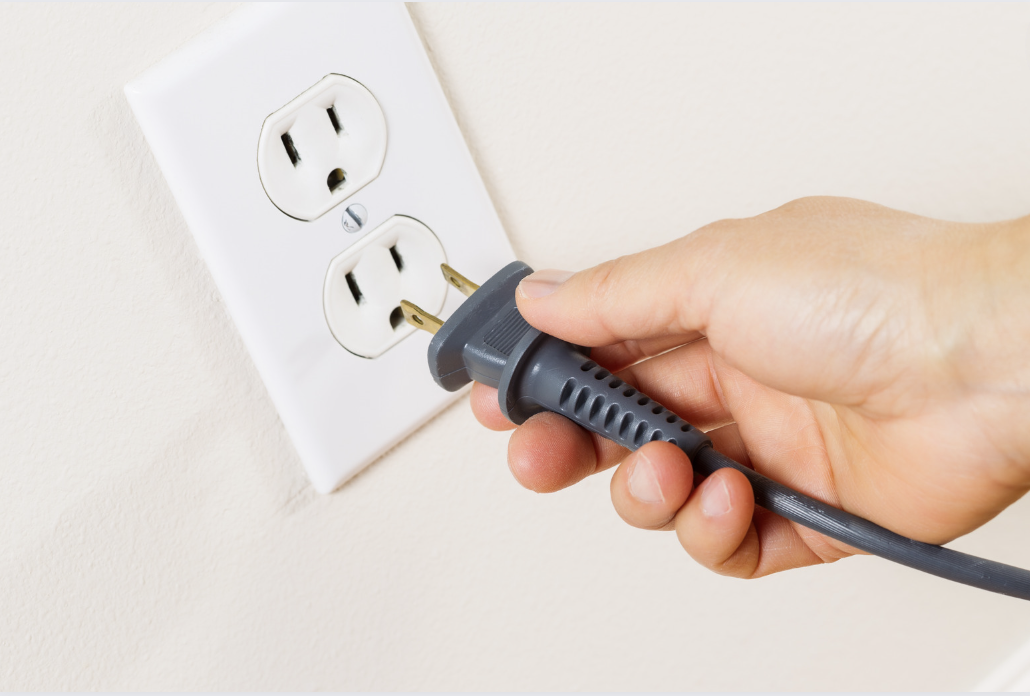
Again, for travelers from the U.S. and Canada, this is a direct match. Your standard two-prong (Type A) and three-prong (Type B) plugs will fit perfectly into Mexican outlets. For everyone else, a physical plug adapter will be necessary to bridge the gap between your device’s plug type and the Type A or B outlets found in Mexico.
Navigating Power Adapters and Converters
The terms “adapter” and “converter” are often used interchangeably, leading to widespread confusion, but they serve fundamentally different purposes in the realm of international power compatibility. Understanding the distinction is critical for safely powering your electronics abroad.
The Adapter: Physical Compatibility
A power adapter (also known as a travel adapter or plug adapter) is a simple device that changes the physical shape of your plug to match the geometric configuration of the destination country’s wall outlet. It acts as a mechanical intermediary, allowing your existing plug to fit into a foreign socket. Crucially, a power adapter does not alter the electrical voltage or frequency.
For travelers visiting Mexico from countries other than the U.S. or Canada, and whose devices are already dual-voltage (meaning they can accept 100-240V input, 50/60Hz), a simple Type A/B plug adapter is all that is required. For example, if you have a European laptop charger (which is almost certainly dual-voltage) with its two round pins, you would need an adapter to transform those pins into the flat parallel pins (and potentially the round ground pin) of a Type B plug. The adapter merely allows the plug to physically connect; the laptop’s internal power supply then handles the voltage conversion.
The Converter: Voltage Transformation
A power converter (or voltage converter) is a more complex device designed to change the electrical voltage from one level to another. This is essential when your device is single-voltage (e.g., rated only for 220-240V) and you are traveling to a country with a different standard voltage (e.g., Mexico’s 127V).
There are two main types of converters:
- Step-down converters: Reduce voltage (e.g., from 240V to 120V). This is what you would need in Mexico if your appliance is rated for 220-240V only.
- Step-up converters: Increase voltage (e.g., from 120V to 240V). You wouldn’t need this in Mexico, but it’s the counterpart for completeness.
It’s important to note that converters often come with wattage limits. Small, low-wattage converters are suitable for electronic devices like phone chargers or camera battery chargers. High-wattage converters are needed for heating appliances like hair dryers, curling irons, or travel irons. However, many modern hair styling tools are now dual-voltage themselves, eliminating the need for a heavy converter. Always check the wattage requirements of your appliance against the converter’s capacity. Using an undersized converter with a high-wattage appliance can damage both.
Dual Voltage Devices: A Traveler’s Best Friend
The vast majority of modern consumer electronics – including smartphones, tablets, laptops, digital cameras, and many electric shavers – are designed to be dual voltage. This means their power adapters can automatically handle input voltages ranging from 100V to 240V and frequencies from 50Hz to 60Hz. Look for “Input: 100-240V, 50/60Hz” printed on the device’s power brick or charger.
If your device is dual voltage, you generally only need a simple plug adapter to travel to Mexico (if coming from outside North America). The device’s internal power supply will automatically adjust to the 127V supply. This significantly simplifies your packing and reduces the need for bulky and expensive voltage converters. Always prioritize using dual-voltage devices whenever possible for international travel.
Essential Gear for Your Mexican Trip
Equipping yourself with the right power accessories can make a significant difference in your travel experience, ensuring your devices remain charged and functional throughout your Mexican adventure.
Universal Travel Adapters: Versatility in One
For maximum convenience, especially if you travel frequently to various countries, a universal travel adapter is an invaluable gadget. These adapters typically feature multiple plug configurations (e.g., US/UK/EU/AU) that can be extended or retracted, along with sockets that accept a wide range of international plugs. Many modern universal adapters also come equipped with built-in USB-A and USB-C ports, allowing you to charge multiple devices simultaneously without needing extra wall chargers. When selecting one for Mexico, ensure it specifically includes the Type A/B configuration. Look for models that are robust, have surge protection, and clearly indicate their voltage compatibility (most are plug adapters only, not converters).
Portable Power Banks: Staying Charged On-the-Go
While not directly related to plug types, a portable power bank (or external battery pack) is an indispensable accessory for any traveler. Whether you’re exploring ancient ruins, relaxing on a remote beach, or navigating a bustling city, reliable access to power outlets can be unpredictable. A fully charged power bank ensures your smartphone, action camera, or e-reader remains operational when you’re away from a wall socket. Choose a power bank with sufficient capacity for your needs (e.g., 10,000 mAh or more for multiple phone charges) and consider one with both USB-A and USB-C outputs for broader compatibility with your devices. Remember to charge your power bank fully whenever you have access to a Mexican outlet.
Surge Protectors with USB Ports: Device Safety and Convenience
In some older buildings or areas with less stable electrical grids, power fluctuations or surges can occur. A compact travel surge protector offers an extra layer of defense for your valuable electronics. Many travel-sized surge protectors are designed with multiple outlets, allowing you to charge several devices from a single wall socket, which is particularly useful if outlets are scarce. Furthermore, models integrated with USB charging ports (both USB-A and USB-C) provide added convenience, allowing you to directly charge phones and tablets without needing their bulky wall adapters. This consolidates your charging setup and provides peace of mind against potential power spikes.
Smart Practices for Charging Your Devices
Beyond having the right equipment, adopting smart charging habits ensures the longevity of your devices and your safety while traveling in Mexico.
Verifying Device Compatibility
Before plugging in any device, always take a moment to check its power requirements. Look for the small print on the device itself or its power adapter. The input voltage and frequency range will be clearly indicated (e.g., “Input: 100-240V ~ 50/60Hz”). If your device is dual-voltage, you only need a plug adapter (if not from North America). If it’s single-voltage and outside Mexico’s 127V range, a voltage converter is absolutely necessary. Never assume; always verify. This simple step can prevent irreversible damage to your electronics.
Safe Charging Habits
When charging, particularly in unfamiliar environments, adhere to best practices:
- Unplug when not in use: To conserve energy and reduce any potential risk, unplug chargers and devices when they are not actively charging or once they are fully charged.
- Avoid overloading outlets: While tempting, do not plug too many high-power devices into a single outlet using multi-plug adapters, especially in older buildings, as this can trip circuit breakers or, in extreme cases, pose fire hazards.
- Protect from elements: Keep charging devices away from water, direct sunlight, and extreme heat.
- Use reputable accessories: Stick to original or certified third-party charging cables and adapters. Generic, unbranded accessories may not meet safety standards and could damage your devices or pose a fire risk.
Local Power Grid Considerations
While Mexico’s electrical standards are generally reliable, particularly in tourist-heavy areas and newer accommodations, power outages or fluctuations can occasionally occur, especially during severe weather. Being aware of this possibility can help you prepare.
- Charge essential devices proactively: When you have a stable power source, make sure to charge your phone, power bank, and other critical devices.
- Backup light source: Keep a small flashlight or headlamp (or your phone’s flashlight) charged, as power outages can leave rooms completely dark.
- Offline resources: Download maps, important documents, and entertainment for offline access, in case you lose power and thus internet connectivity for an extended period.
By taking these steps and understanding the nuances of Mexico’s electrical system, you can ensure your gadgets remain powered and ready to capture memories, navigate new places, and stay connected throughout your journey. A little preparation goes a long way in ensuring a smooth and tech-enabled travel experience.
aViewFromTheCave is a participant in the Amazon Services LLC Associates Program, an affiliate advertising program designed to provide a means for sites to earn advertising fees by advertising and linking to Amazon.com. Amazon, the Amazon logo, AmazonSupply, and the AmazonSupply logo are trademarks of Amazon.com, Inc. or its affiliates. As an Amazon Associate we earn affiliate commissions from qualifying purchases.