
The question “what player has won the most NBA championships?” elicits a swift, definitive answer among basketball aficionados: Bill Russell. His eleven championship rings with the Boston Celtics in thirteen seasons stand as an unparalleled testament to sustained excellence and collective dominance in professional sports. While often viewed through the lens of athletic achievement and statistical records, this monumental accomplishment, and the players who strive for it, offers a profound case study in brand strategy, personal branding, and the indelible mark of legacy. Beyond the hardware, securing the title of “most decorated” or even simply being a consistent champion shapes a player’s identity, influencing everything from marketability and endorsement deals to their lasting impact on culture and the sport itself.
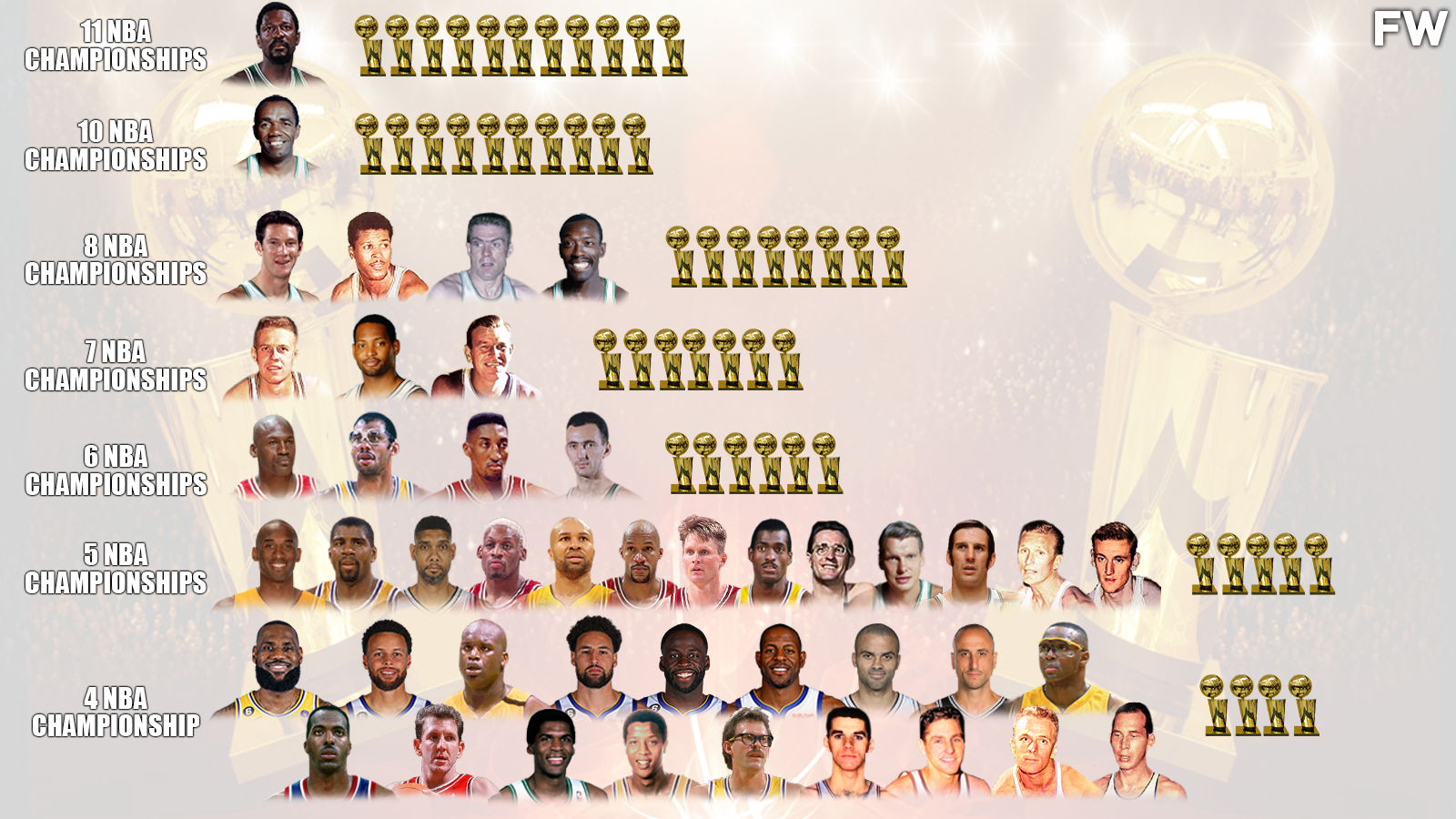
In the competitive arena of professional sports, where individual talent converges with team synergy, the ultimate measure of success often boils down to championships. For a player, accumulating titles isn’t merely about personal glory; it’s about forging a powerful, resonant brand that transcends the court. This article delves into how the pursuit and achievement of NBA championships, particularly reaching the pinnacle of success exemplified by Bill Russell, construct and fortify an athlete’s personal brand, influence corporate identity, and contribute to the broader narrative of the league.
The Indelible Mark of Championship Pedigree on Personal Branding
The journey to an NBA championship is arduous, demanding unwavering dedication, exceptional skill, and an often-elusive cohesion among teammates. For the players who repeatedly reach this summit, their personal brand undergoes a significant transformation, evolving from that of a talented athlete to an icon of success and resilience.
From Athlete to Icon: The Genesis of a Winning Brand
Winning an NBA championship immediately elevates a player’s status. It signals not just individual brilliance but also the capacity for leadership, clutch performance, and the ability to perform under the most intense pressure. Repeated championships amplify this effect exponentially. A player known for winning isn’t just recognized for their dunks or assists; they’re celebrated for their unwavering commitment to victory. This narrative of consistent winning forms the bedrock of an incredibly strong personal brand.
Consider Bill Russell. His brand isn’t defined by individual scoring titles (though he was an elite player in his own right) but by his unprecedented eleven championships. His name became synonymous with winning, leadership, and a selfless dedication to team success. This identity wasn’t merely perceived; it was proven, year after year, through tangible results. For brand strategists, this illustrates a fundamental principle: authenticity and consistent delivery on a core promise (in this case, winning) are paramount. Russell’s brand was built on an undeniable truth: he was a winner, the ultimate champion. This truth allowed his personal brand to transcend basketball, positioning him as a figure of authority and influence in broader societal discussions, particularly concerning civil rights. His brand was robust enough to endure controversies and embrace activism, precisely because its foundation was so undeniably strong.
The Halo Effect: Extending Influence Beyond the Court
A championship pedigree creates a “halo effect” that significantly expands a player’s influence. Success on the court translates into enhanced credibility and desirability in other ventures. Brands seeking ambassadors gravitate towards champions because their proven ability to succeed aligns with the aspirational messages they wish to convey. The champion’s brand implies reliability, excellence, and the ability to overcome adversity—qualities highly valued by consumers.
This halo effect isn’t limited to commercial endorsements. It extends to media opportunities, philanthropic endeavors, and even post-career ventures. Players like Michael Jordan, whose six championships cemented his status as arguably the greatest, leveraged his winning brand to build a global empire that includes the iconic Jordan Brand with Nike, movie roles, and team ownership. His championships didn’t just make him famous; they imbued his personal brand with an aura of invincibility and aspirational greatness that continues to resonate decades after his retirement. The narrative of a champion provides a powerful framework for storytelling, allowing individuals to craft compelling personal narratives that captivate audiences and foster deep connections far beyond the immediate context of their sport.
Quantifying Greatness: Championships as Brand Equity
In the realm of personal branding, championships serve as a potent form of brand equity. They are tangible markers of achievement that add quantifiable value to a player’s identity, influencing their market worth, legacy, and long-term financial prospects.
Legacy as Currency: Endorsements and Post-Career Ventures
For athletes, championships are more than trophies; they are currency. Each ring adds to a player’s brand equity, making them more attractive to corporate partners seeking to align with success. Endorsement deals for champions are often more lucrative and enduring than for equally talented players who lack championship credentials. Brands want to associate with winners, and the player with the most championships represents the ultimate winner.
This brand equity extends well into retirement. A player’s championship history becomes a cornerstone of their legacy, opening doors to broadcasting careers, coaching positions, executive roles, and entrepreneurial ventures. Bill Russell, despite playing in an era with vastly different endorsement landscapes, built a legacy that commanded respect and attention long after his playing days, enabling him to be a successful coach, activist, and respected elder statesman of the game. Modern champions like Magic Johnson and Shaquille O’Neal have leveraged their multiple titles into successful business empires and media careers, proving that a strong championship brand pays dividends for a lifetime. Their ability to connect with audiences and project an image of success, honed during their championship runs, became invaluable assets in their post-playing careers.
Storytelling the Brand: Narrative Power of Dominance
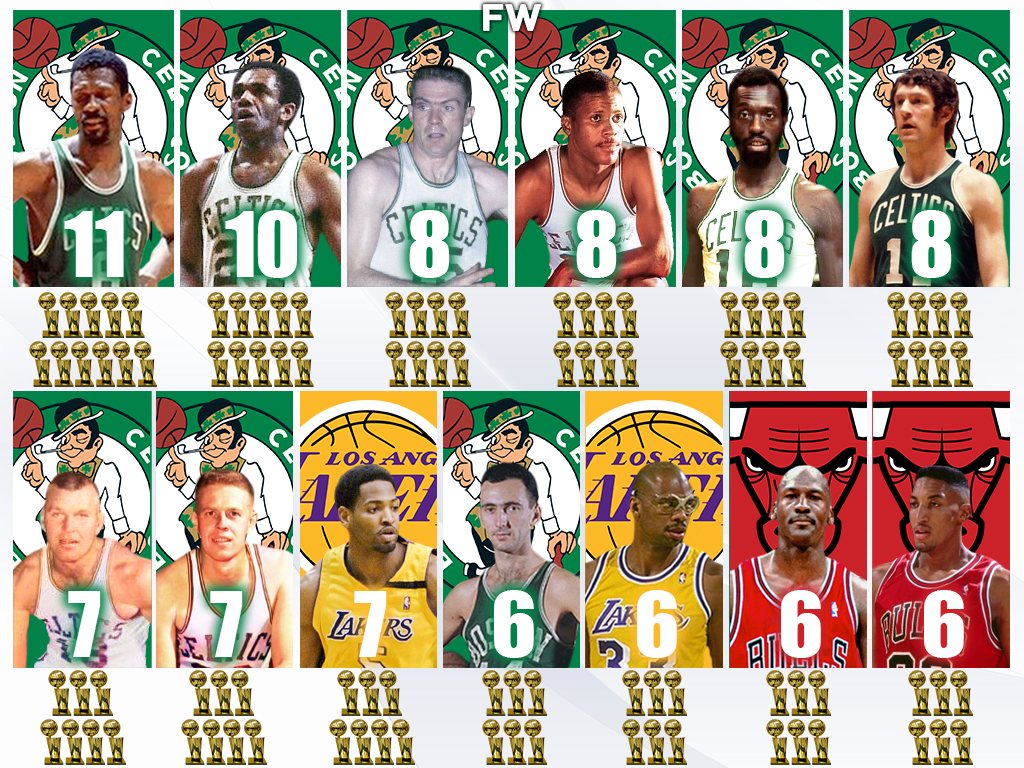
Championships provide an unparalleled narrative framework for a player’s brand. The stories of overcoming adversity, the dramatic game-winning shots, the perseverance through injuries—all these elements coalesce around the central theme of championship pursuit. For players with multiple titles, or especially the most, their career arc becomes an epic saga of dominance. This narrative power is incredibly effective in building a brand that resonates emotionally with fans and consumers.
A player’s brand is not merely a logo or a slogan; it’s the story people tell about them. For someone like Bill Russell, his story is one of unprecedented team success, coupled with groundbreaking achievements off the court as a Black athlete and activist in a segregated era. The eleven championships provide the anchor for this narrative, making it compelling and historically significant. For marketing and personal branding, mastering this narrative and ensuring its consistent delivery across all platforms is crucial. The ability to craft and communicate a compelling story of relentless pursuit and ultimate triumph is a hallmark of truly powerful brands.
Team and League Branding: The Ripple Effect of Individual Success
While the focus often remains on individual athletes, the consistent success of championship players also profoundly impacts the brands of their teams and the league itself. A single player, particularly one who defines an era of dominance, can elevate an entire franchise and contribute significantly to the NBA’s global appeal.
Franchise Identity: From Contenders to Dynasties
A player like Bill Russell didn’t just win championships; he helped forge the identity of the Boston Celtics as a dynasty. The Celtics’ brand today is inextricably linked to that era of unparalleled success. Dynasties are brand powerhouses. They create fervent fan bases, generate enormous media attention, and command premium valuations. The presence of players who consistently deliver championships transforms a team’s brand from merely a local sports entity into a globally recognized symbol of excellence.
Franchises consciously build their brand around their championship history. Banners in the rafters, retired jerseys, and celebratory anniversaries all serve to reinforce a legacy of winning. This branding attracts top talent, secures lucrative sponsorships, and ensures generational loyalty among fans. The brand equity generated by championship-winning players is a vital asset for any sports franchise, allowing them to market themselves not just on current performance, but on a storied past of proven success.
The NBA Brand: Elevating the Game Through Legendary Players
The overall brand of the NBA thrives on the narratives created by its greatest players and their championship battles. The league markets itself on competition, athleticism, and the pursuit of greatness. Players who win the most championships epitomize this pursuit, becoming central figures in the league’s global marketing efforts. Their stories of dedication, sacrifice, and ultimate triumph inspire millions and drive engagement with the sport worldwide.
From Bill Russell’s pioneering dominance to Michael Jordan’s global impact, and more recently, LeBron James’s sustained excellence, these championship-laden careers provide the fuel for the NBA’s aspirational brand. They are the benchmark against which future generations are measured, ensuring a continuous narrative of striving for greatness. The league strategically leverages the imagery and mythology surrounding its champions to expand its reach, attract new fans, and solidify its position as a premier global entertainment product. The enduring fascination with “who won the most” underscores the profound value placed on ultimate success within the NBA’s brand identity.
The Modern Era: Navigating the Brand Landscape with a Championship Mindset
In today’s hyper-connected world, the principles of brand building for champions remain constant, but the tools and strategies for amplification have evolved dramatically. Modern players, striving for championship glory, must also master the intricate dance of digital presence and purpose-driven branding.
Digital Footprints and Global Reach: Amplifying the Championship Brand
Today’s champions leverage social media and digital platforms to craft and amplify their personal brands with unprecedented reach. Every championship moment, every celebratory post, every insightful comment contributes to a meticulously curated digital footprint that transcends geographical boundaries. For a player aiming to build a championship-level brand, this means understanding the nuances of digital engagement, authentic self-expression, and strategic content creation. The narrative of winning is no longer confined to sports columns; it’s disseminated instantly, globally, across multiple channels, allowing champions to connect directly with fans and solidify their brand message in real-time. This amplification ensures that their accomplishments and persona resonate more widely and immediately than ever before.

Beyond the Trophies: Cultivating a Purpose-Driven Brand
While championships remain the ultimate measure of on-court success, modern brand building increasingly emphasizes purpose and authenticity. Players who win often use their elevated platform to advocate for social causes, engage in philanthropy, and promote values beyond basketball. This commitment to a purpose-driven brand adds depth and resonance, further solidifying their legacy. Bill Russell was a pioneer in this regard, using his championship platform to advocate for civil rights. Today’s champions, inspired by this legacy, understand that true greatness, and therefore a truly enduring brand, extends beyond athletic prowess to encompass character, community engagement, and a commitment to making a positive impact. Winning championships provides the credibility; purpose provides the soul of an iconic and everlasting brand.
In conclusion, the simple factual query “what player has won the most NBA championships” opens a gateway to a sophisticated understanding of brand building. It highlights how unparalleled athletic success—like Bill Russell’s eleven rings—lays the foundational narrative for an enduring personal brand. These championships become invaluable brand equity, shaping marketability, legacy, and influence long after a player’s career concludes. Furthermore, the ripple effect bolsters team identities and elevates the global brand of the NBA itself. Ultimately, whether through historical dominance or modern digital strategy, the pursuit of championships remains the quintessential catalyst for crafting some of the most powerful, influential, and resilient brands in the world of sports and beyond.
aViewFromTheCave is a participant in the Amazon Services LLC Associates Program, an affiliate advertising program designed to provide a means for sites to earn advertising fees by advertising and linking to Amazon.com. Amazon, the Amazon logo, AmazonSupply, and the AmazonSupply logo are trademarks of Amazon.com, Inc. or its affiliates. As an Amazon Associate we earn affiliate commissions from qualifying purchases.