
Meta Platforms, Inc., formerly known as Facebook, Inc., stands as a colossus in the digital realm. Far from being a mere social media company, Meta has strategically expanded its empire through a blend of organic innovation and aggressive acquisitions, establishing a vast ecosystem of interconnected technologies and services. For anyone seeking to understand the modern technology landscape, grasping the breadth and depth of Meta’s ownership is crucial. It’s a story of connectivity, virtual reality, artificial intelligence, and an ambitious vision for the future of digital interaction.
Meta’s portfolio extends across core social networking, cutting-edge virtual reality, sophisticated messaging, and a growing array of complementary services that solidify its position at the forefront of digital innovation. This intricate web of platforms reflects a deliberate strategy to dominate various facets of online interaction, from personal communication to immersive digital experiences, all underpinned by robust technological infrastructure.
The Core Social Media Ecosystem: Connecting Billions
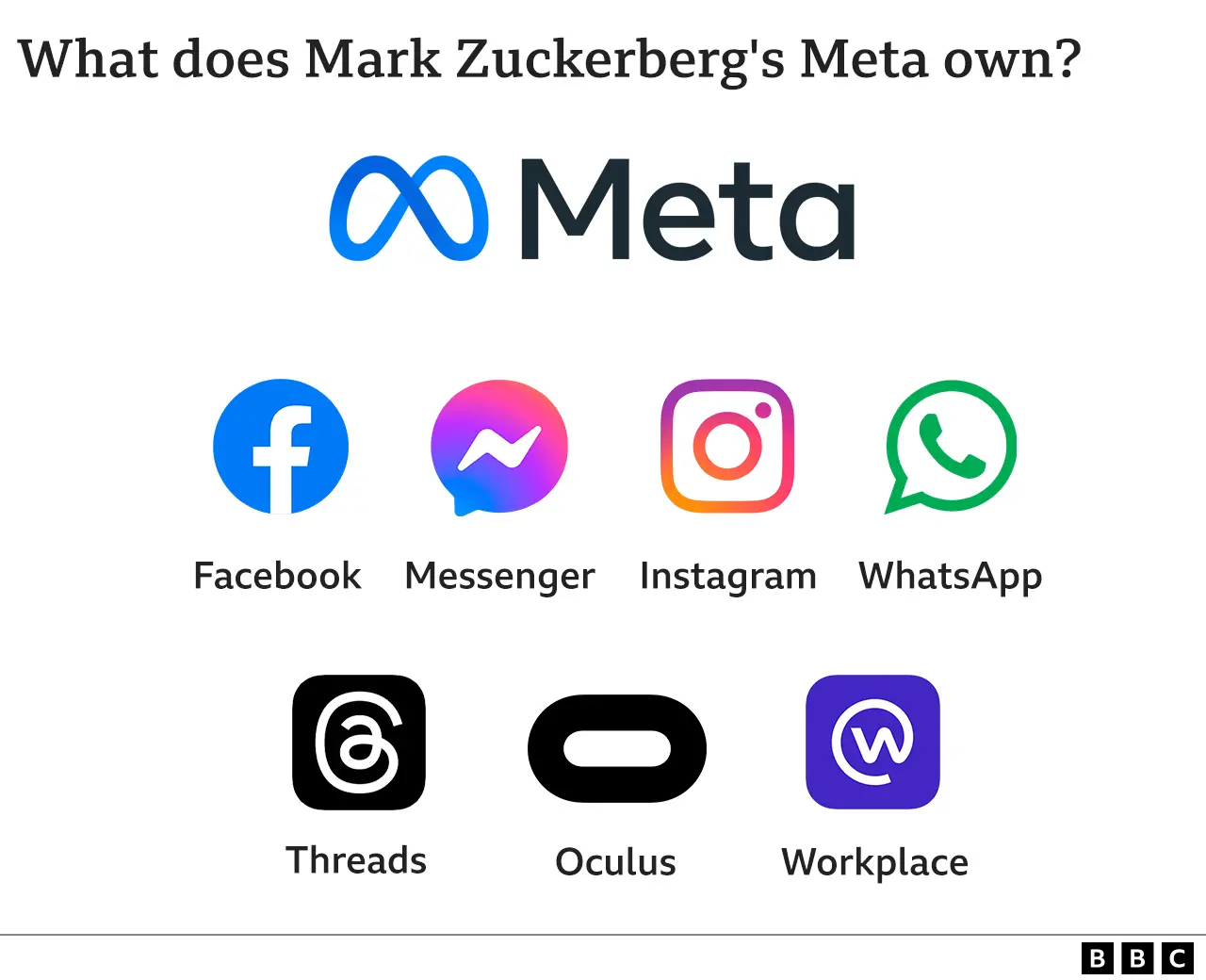
At the heart of Meta’s dominion lies a powerful suite of social media and communication platforms that have fundamentally reshaped global interaction. These platforms are not just applications; they are interconnected digital nations, each with its unique culture, user base, and technological nuances. They represent the bedrock of Meta’s user engagement and advertising revenue, serving billions worldwide.
Facebook: The Enduring Giant
Facebook remains the flagship platform and the namesake of the company’s prior identity. Launched in 2004, it rapidly evolved from a college networking site into the world’s largest social network. Its technological evolution has been relentless, continually integrating new features such as the News Feed algorithm, Marketplace for e-commerce, Watch for video content, and Groups for community building. Technologically, Facebook is a marvel of scale, handling petabytes of data daily, employing sophisticated algorithms for content personalization, and maintaining an infrastructure that supports billions of concurrent users. Its continuous development involves advanced machine learning for content moderation, recommendation engines, and targeted advertising, making it a complex and ever-evolving piece of software engineering. Despite challenges, its sheer scale and adaptability ensure its continued relevance as a primary digital touchpoint for a significant portion of the global population.
Instagram: Visual Storytelling Powerhouse
Acquired by Facebook in 2012 for approximately $1 billion, Instagram transformed from a niche photo-sharing app into a global cultural phenomenon and a primary platform for visual communication. Its growth trajectory, particularly among younger demographics, was exponential, leveraging an intuitive interface and a focus on aesthetics. Technologically, Instagram has evolved significantly, incorporating features like Stories, Reels (short-form video), IGTV (longer-form video, now integrated into main video), and Shopping. These features require robust backend systems for media processing, delivery, and sophisticated AI for content discovery and moderation. Instagram’s technological prowess lies in its ability to handle immense volumes of high-quality image and video content, deliver it seamlessly across various devices, and continuously innovate its visual toolkit, cementing its status as a pivotal platform for influencers, brands, and everyday users alike.
Messenger & WhatsApp: Global Communication Dominance
Meta’s dominance in communication is solidified by two juggernauts: Messenger and WhatsApp.
Messenger, originally a feature within Facebook, spun off into a standalone app in 2011. It has since evolved into a rich communication platform supporting text, voice, video calls, group chats, bots, and payments. Its technological stack emphasizes real-time communication protocols, end-to-end encryption options (for secret conversations), and integration with other Meta services. The development focus for Messenger has been on enhancing user experience through features like Reactions, threaded replies, and a robust platform for developers to build conversational applications.
WhatsApp, acquired by Facebook in 2014 for an astonishing $19 billion, became Meta’s second major messaging asset. Valued for its simplicity, cross-platform compatibility, and end-to-end encryption by default (powered by the Signal Protocol), WhatsApp has achieved unparalleled penetration in many parts of the world. Its technological strength lies in its ability to deliver messages reliably and securely across diverse network conditions and device types. The platform has gradually introduced features like voice and video calls, group chats, and Status updates, all while maintaining its core commitment to privacy and a minimalist user interface. The integration of WhatsApp Business APIs further highlights its technological evolution into a tool for commercial communication. Together, Messenger and WhatsApp process trillions of messages annually, showcasing Meta’s mastery over scalable, secure, and real-time communication technologies.
Venturing into the Metaverse and Virtual Reality: The Next Frontier
Meta’s rebranding from Facebook to Meta Platforms, Inc. in late 2021 was a clear signal of its strategic pivot towards the metaverse. This ambitious vision positions virtual and augmented reality as the next evolutionary step in digital interaction, aiming to create persistent, interconnected virtual worlds where users can work, play, socialize, and shop. This pivot requires a massive technological undertaking, encompassing hardware, software platforms, and developer ecosystems.
Oculus / Meta Quest: Pioneering VR Hardware
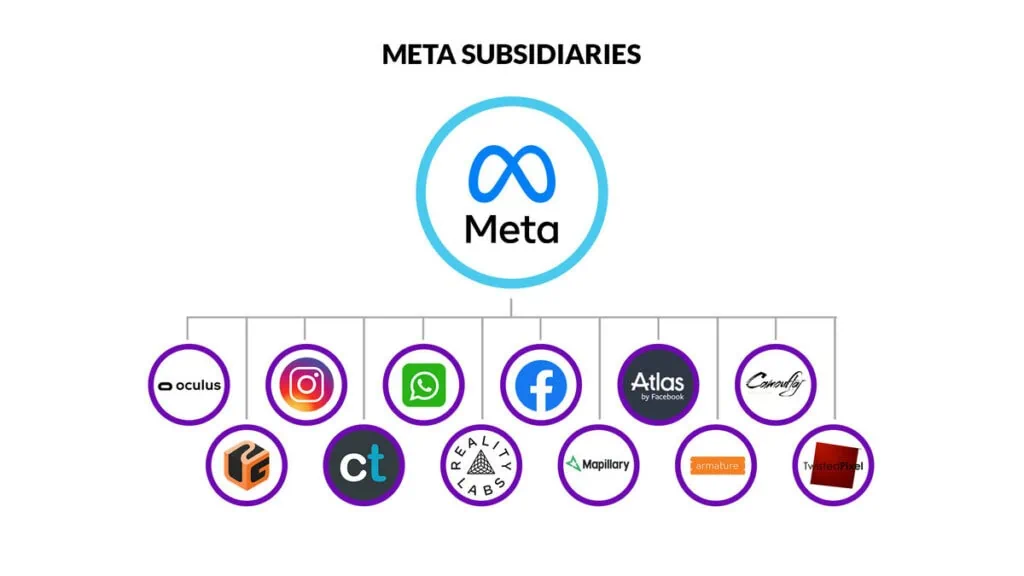
The acquisition of Oculus VR in 2014 for $2 billion was a foundational move for Meta’s metaverse ambitions. Oculus, now rebranded as Meta Quest, produces leading virtual reality headsets that are crucial entry points into the metaverse. The technological advancements in Meta Quest devices have been remarkable, moving from tethered PC-based VR to standalone wireless headsets like the Quest 2 and Quest Pro. These devices integrate sophisticated tracking technology (inside-out tracking), high-resolution displays, spatial audio, and powerful mobile processors to deliver immersive experiences. The development of Quest hardware involves cutting-edge optics, sensor fusion, computer vision, and ergonomic design to create comfortable, performant, and accessible VR systems. Meta’s commitment to lowering the barrier to entry for VR adoption through aggressive pricing and continuous innovation in hardware is a key part of its strategy.
Horizon Worlds and Metaverse Vision
Horizon Worlds is Meta’s flagship social VR platform, representing a nascent stage of its metaverse vision. It allows users to create custom avatars, build virtual worlds and games, and socialize with others in a persistent, shared virtual space. Technologically, Horizon Worlds is a complex undertaking, combining real-time 3D rendering, networking for multi-user interaction, physics engines for virtual object manipulation, and intuitive creation tools. It leverages cloud infrastructure to host persistent virtual environments and sophisticated AI for avatar animation and user interaction. Beyond Horizon Worlds, Meta is investing heavily in the underlying technologies for the broader metaverse, including haptic feedback devices, mixed reality experiences that blend virtual content with the real world, and advanced avatar systems that capture realistic expressions and movements. This extensive technological roadmap aims to blur the lines between physical and digital realities.
Spark AR: Augmented Reality Development
While VR creates entirely new realities, Augmented Reality (AR) overlays digital content onto the real world. Spark AR is Meta’s powerful augmented reality platform, enabling creators and developers to build AR experiences for Instagram, Facebook, and Messenger. From face filters to interactive environmental effects, Spark AR Studio provides a suite of tools for creating immersive AR content. The technology behind Spark AR involves sophisticated computer vision algorithms for tracking faces, hands, and environments, real-time rendering of 3D objects and effects, and seamless integration with Meta’s existing social platforms. This platform is crucial for Meta’s long-term AR strategy, fostering a vibrant ecosystem of creators who can populate its social apps with engaging, interactive digital layers, paving the way for future AR glasses and pervasive mixed reality experiences.
Strategic Acquisitions and Complementary Services: Expanding the Ecosystem
Beyond the core social and metaverse platforms, Meta has made several strategic acquisitions that complement its main offerings, enhance user experience, and bolster its technological capabilities across various domains. These platforms often serve as crucial infrastructure or content libraries that feed into Meta’s broader ecosystem.
Giphy: Animated Content Library
In 2020, Meta acquired Giphy, the popular GIF-sharing and creation platform, for a reported $400 million (though later challenged by regulatory bodies). Giphy is an essential part of online communication, providing a vast library of animated GIFs that are integrated into countless apps and services, including Meta’s own Messenger and Instagram. Technologically, Giphy manages an enormous database of media, sophisticated search algorithms for GIF discovery, and tools for users to create and upload their own animated content. Its integration enhances the expressive capabilities across Meta’s communication platforms, providing users with a rich visual language for their conversations and posts. The acquisition reinforced Meta’s control over a critical aspect of digital expression and content distribution.
Kustomer: Customer Service CRM
Meta’s 2020 acquisition of Kustomer, a customer relationship management (CRM) platform, for approximately $1 billion, highlights its commitment to supporting businesses on its platforms. Kustomer provides businesses with tools to manage customer conversations across various channels, including Messenger and WhatsApp. This acquisition is a strategic move to integrate more deeply with business operations, offering a unified view of customer interactions. Technologically, Kustomer leverages AI and automation to streamline customer support, aggregating data from multiple touchpoints to provide agents with comprehensive customer profiles. For Meta, Kustomer strengthens its appeal to businesses, providing enterprise-grade tools that make its messaging platforms more robust for customer service, thereby increasing their utility and potential for monetization in the B2B space.
Mapillary: Street-Level Imagery
In 2020, Meta also acquired Mapillary, a crowdsourced platform for street-level imagery and map data. Mapillary collects photos from contributors around the world, uses computer vision to process them, and extracts map features like speed limits, crosswalks, and building outlines. This technology is vital for enhancing Meta’s mapping capabilities, which are crucial for its location-based services and for building immersive environments in the metaverse. Technologically, Mapillary is a sophisticated system that processes millions of images, applies advanced image recognition and 3D reconstruction algorithms, and integrates with mapping frameworks. This acquisition underpins Meta’s efforts to develop richer, more accurate geographical data for applications ranging from local business discovery on Facebook to creating realistic virtual worlds in its metaverse initiatives.
Beyond the Obvious: Underlying Technologies and Future Ambitions
Meta’s portfolio extends beyond user-facing applications and specific acquisitions. A significant portion of its ownership and investment lies in fundamental technological infrastructure, advanced research, and ambitious long-term projects that are less visible but equally critical to its future. These underlying layers power its existing platforms and lay the groundwork for what’s to come.
Infrastructure and AI Research
Meta operates one of the largest and most complex global internet infrastructures in the world, comprising vast data centers, proprietary hardware designs, and a global fiber optic network. This infrastructure is essential for hosting billions of users, processing petabytes of data, and delivering content with minimal latency across its diverse platforms.
Alongside this, Meta is a leading entity in AI Research. Its AI Research (FAIR) division consistently publishes groundbreaking work in areas like natural language processing, computer vision, reinforcement learning, and advanced recommendation systems. This research isn’t just academic; it directly powers features across Facebook, Instagram, Messenger, and WhatsApp, enhancing everything from content moderation and personalization to ad targeting and the realism of virtual avatars. Its investment in AI also extends to new frontiers, such as AI models capable of translating speech and text across hundreds of languages, developing more sophisticated digital assistants for VR/AR, and building AI tools for content creation within the metaverse.
Connectivity Lab and Internet.org
Meta has also invested heavily in projects aimed at expanding global internet access through its Connectivity Lab and Internet.org initiatives. While not “platforms” in the traditional sense, these represent strategic technological investments. Projects like Terragraph (wireless technology for dense urban areas) and various open-source cellular technologies aim to bring affordable internet to underserved regions. This is a long-term strategic play to expand the potential user base for Meta’s platforms, requiring significant R&D in wireless communication, networking hardware, and infrastructure deployment. The underlying technology involves sophisticated network planning, radio frequency engineering, and the development of cost-effective access solutions, demonstrating Meta’s ambition to shape the very foundation of global digital access.
Novi/Diem: Past and Present in Digital Finance (Tech Perspective)
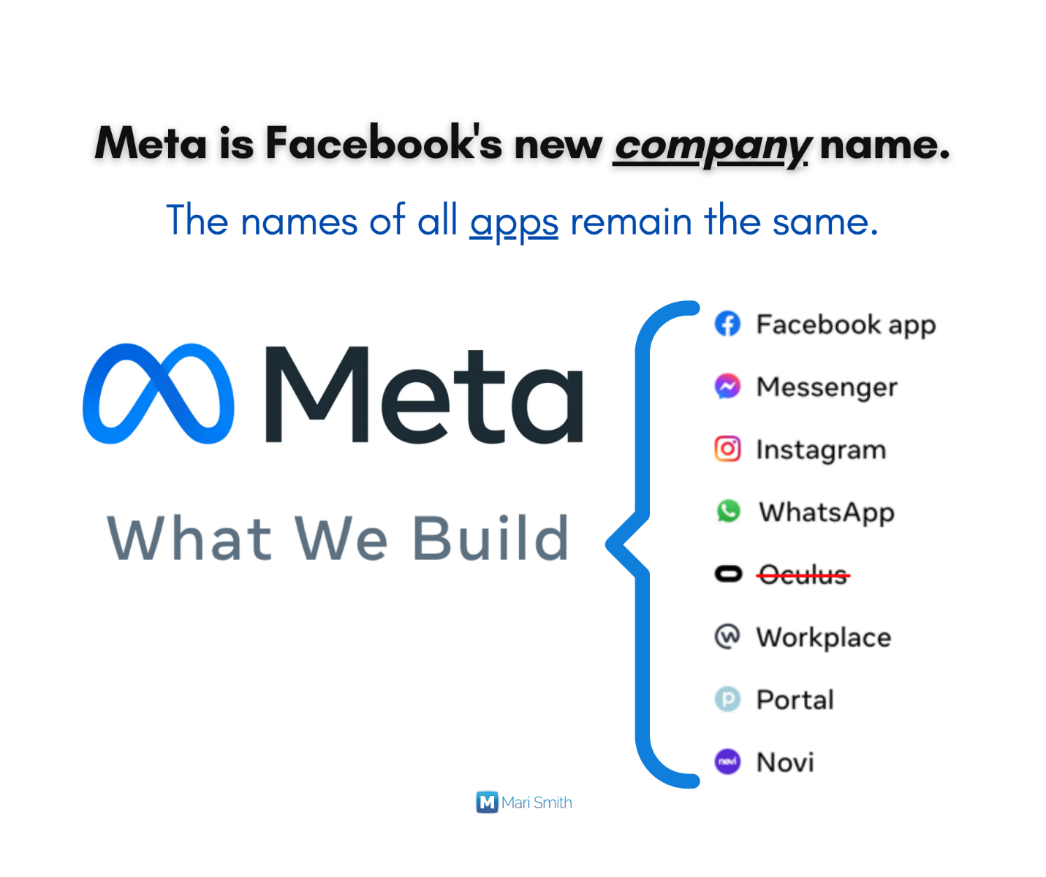
Although primarily a financial initiative, from a technological standpoint, Meta’s past venture with Diem (formerly Libra) and its associated digital wallet, Novi, represented a significant foray into blockchain technology and digital currency. While Diem itself faced regulatory hurdles and was eventually wound down, the technological ambitions were immense. It involved developing a new blockchain protocol for a stablecoin, creating a secure digital wallet (Novi) for transactions, and integrating these systems globally. Although the project’s fate shifted, the underlying technological exploration into distributed ledger technology, secure digital payments infrastructure, and identity verification within a digital currency framework showcased Meta’s willingness to push boundaries in tech sectors far beyond social media, albeit with significant learning curves in the highly regulated financial space.
In conclusion, Meta Platforms, Inc. is a technological behemoth whose ownership portfolio reflects a comprehensive strategy to dominate the current digital landscape while aggressively building the next. From the ubiquitous social networks connecting billions to the pioneering virtual reality hardware and ambitious metaverse platforms, Meta’s assets are a testament to its engineering prowess and strategic foresight. Its investments in underlying technologies like AI and global connectivity further cement its role as a principal architect of our digital future, constantly pushing the boundaries of what is technologically possible in the realm of human connection and interaction.
aViewFromTheCave is a participant in the Amazon Services LLC Associates Program, an affiliate advertising program designed to provide a means for sites to earn advertising fees by advertising and linking to Amazon.com. Amazon, the Amazon logo, AmazonSupply, and the AmazonSupply logo are trademarks of Amazon.com, Inc. or its affiliates. As an Amazon Associate we earn affiliate commissions from qualifying purchases.