
In the fiercely competitive landscape of commercial aviation, an airline’s fleet strategy is far more than a logistical decision; it’s a foundational pillar of its brand identity, market positioning, and operational efficiency. For an airline like Spirit, a pioneer in the ultra-low-cost carrier (ULCC) model, the question of “what planes do Spirit use?” delves into the very core of how they deliver their value proposition and cultivate their distinct corporate image. Spirit Airlines predominantly operates a fleet comprised exclusively of Airbus A320 family aircraft, a strategic choice that underpins their entire brand narrative of affordability, efficiency, and streamlined operations. This singular focus on a specific aircraft family is not accidental; it is a meticulously calculated decision that profoundly impacts every facet of their business, from cost structure and maintenance to pilot training and the ultimate passenger experience, all serving to reinforce their unique brand in the global airline industry.
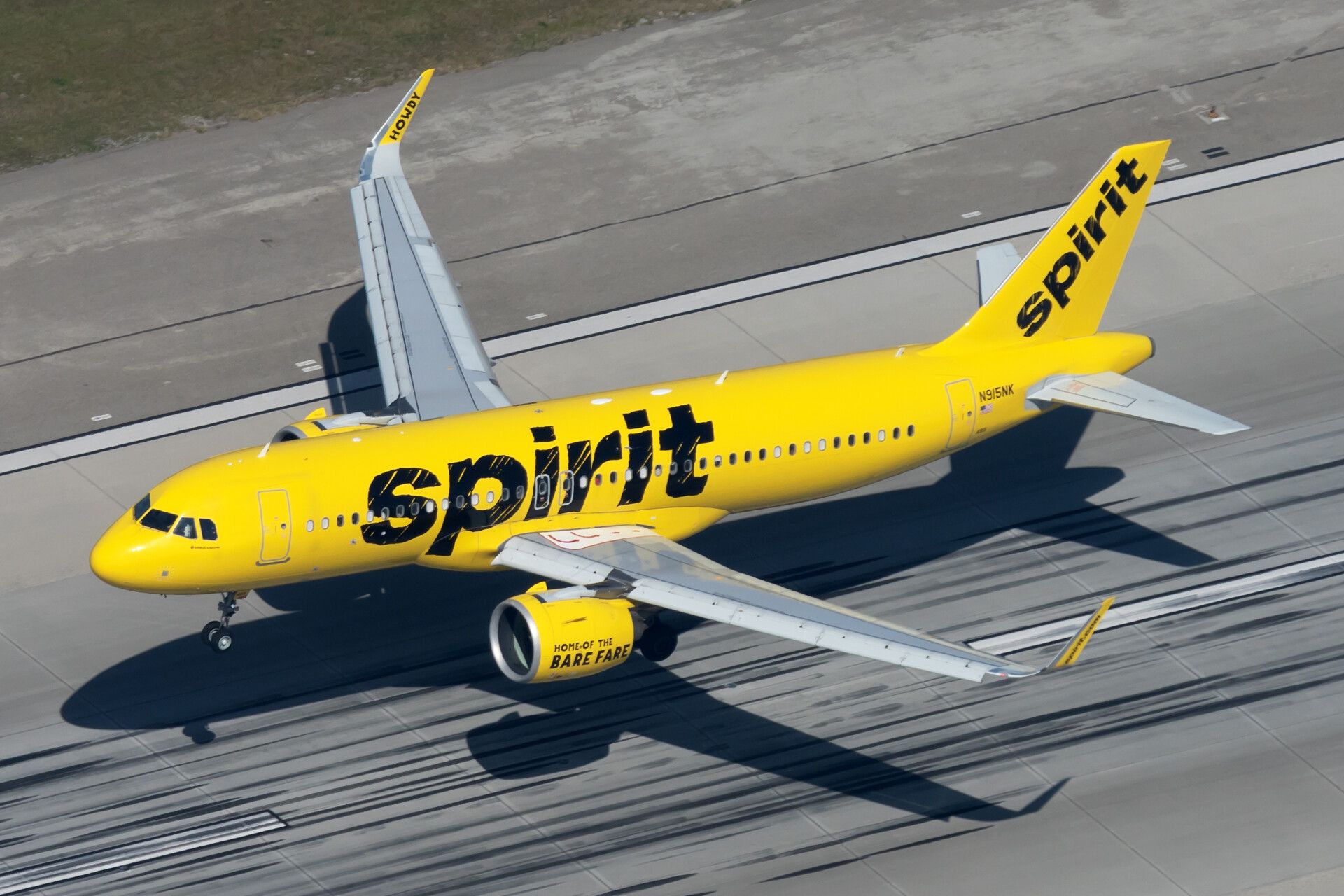
This article will explore the specific aircraft types Spirit utilizes, but more importantly, it will unpack the strategic rationale behind these choices through the lens of brand strategy. We will examine how a standardized fleet contributes to Spirit’s corporate identity as a ULCC, shapes its marketing messages, and ultimately influences both operational outcomes and customer perception. Understanding Spirit’s fleet is to understand its brand—a brand built on the promise of accessible air travel, achieved through rigorous cost control and operational simplicity.
The Airbus A320 Family: Spirit’s Brand Cornerstone
Spirit Airlines’ commitment to a single aircraft family—the Airbus A320 series—is a defining characteristic of its operational strategy and a central tenet of its brand identity. This choice is deeply intertwined with its ultra-low-cost business model, enabling a level of standardization and efficiency that directly translates into the low fares Spirit is known for. The fleet includes various models within this family, each serving a specific capacity requirement while maintaining commonality across the board.
Why Airbus? Efficiency, Commonality, and Cost Savings
The decision to operate an all-Airbus fleet, specifically the A320 family, is a cornerstone of Spirit’s brand strategy, emphasizing efficiency and cost savings above all else. Airbus aircraft are renowned for their fuel efficiency, particularly the newer A320neo (new engine option) variants, which are crucial for minimizing one of an airline’s largest variable costs: fuel. For a ULCC, every percentage point of fuel saving translates directly into more competitive ticket prices, reinforcing the brand promise of affordability.
Beyond fuel, the commonality across the A320 family offers unparalleled operational advantages. From the cockpit to the maintenance hangar, the systems, procedures, and parts are largely interchangeable. This significantly reduces the complexity inherent in managing a diverse fleet, leading to substantial cost reductions in areas like pilot training, crew scheduling, and maintenance. Pilots qualified on one A320 family aircraft can easily transition to another with minimal additional training, offering flexibility in crew deployment. Similarly, maintenance technicians require expertise on a single platform, simplifying training programs and diagnostic processes. This streamlined approach allows Spirit to operate a lean, agile organization, directly supporting its brand image as an efficient, no-frills operator focused on delivering value.
The A319, A320, and A321: Tailoring Capacity to Demand
Spirit’s fleet is designed to offer flexibility in capacity while adhering to the core principles of standardization. The airline operates three primary models within the A320 family:
- Airbus A319: These are the smallest aircraft in Spirit’s fleet, typically used for routes with lower passenger demand or to destinations with shorter runways or slot restrictions. While offering fewer seats, they still benefit from the commonality with their larger siblings, ensuring operational consistency.
- Airbus A320: The standard bearer of the family, the A320 forms the bulk of Spirit’s operations. This model strikes an optimal balance between range, capacity, and operational cost, making it ideal for a wide array of domestic and international routes that Spirit serves. It represents the workhorse of their brand, symbolizing reliable, cost-effective transport.
- Airbus A321: As the largest member of the family in Spirit’s fleet, the A321 is deployed on high-demand routes where greater passenger capacity is required. By maximizing the number of seats per flight, Spirit can further drive down the cost per seat-mile, a critical metric for ULCCs. The A321’s increased capacity allows Spirit to offer more seats on popular routes, improving efficiency and supporting its ability to offer competitive fares.
This strategic mix allows Spirit to optimize capacity utilization across its network, deploying the right-sized aircraft for specific routes without sacrificing the benefits of an all-Airbus fleet. Each aircraft size reinforces the brand’s commitment to efficiency, ensuring that every flight is as cost-effective as possible.
The NEO Advantage: Fuel Efficiency and Modernization
Spirit Airlines has been actively incorporating the “neo” (new engine option) variants of the A320 family into its fleet. These next-generation aircraft, including the A320neo and A321neo, feature advanced engines and aerodynamic improvements that deliver significant fuel savings—typically around 15-20% compared to their previous generation counterparts. For a brand whose core promise is low fares, these fuel efficiencies are not just an operational benefit; they are a direct enabler of their business model.
The adoption of NEO aircraft also contributes to a more modern and environmentally conscious brand image, albeit subtly within the ULCC context. While passengers primarily choose Spirit for price, the lower emissions and reduced noise footprint of NEO aircraft are positive externalities that align with broader industry trends towards sustainability. Furthermore, newer aircraft typically incur lower maintenance costs in their early life cycle, contributing to overall operational efficiency and further reinforcing the brand’s focus on lean operations. By continuously renewing and modernizing its fleet with NEO technology, Spirit demonstrates a forward-looking approach to cost management and operational excellence, which underpins its long-term brand viability.
Fleet Standardization: A Pillar of the Ultra-Low-Cost Model
The single-type fleet strategy adopted by Spirit Airlines is perhaps the most powerful embodiment of its ultra-low-cost brand identity. This approach is not merely about using one manufacturer; it’s about leveraging the deep commonality within the Airbus A320 family to create an operational ecosystem optimized for efficiency and cost reduction at every turn. This standardization is a core component of Spirit’s corporate identity, allowing them to market themselves effectively as the low-fare leader by proving their ability to minimize operational overheads.
Operational Simplicity and Maintenance Efficiency
The operational benefits of a standardized fleet are immense and directly contribute to Spirit’s ability to maintain its low-cost brand. With only one aircraft type family, flight operations become significantly simpler. All flight crews operate the same cockpit layout, using the same procedures and flight management systems. This reduces potential for errors, simplifies training, and enhances safety—all critical elements of a responsible brand.
From a maintenance perspective, the advantages are even more profound. Spirit’s maintenance teams specialize in a single aircraft type, allowing for deeper expertise and more efficient troubleshooting. The airline needs to stock spare parts for only one family of aircraft, drastically reducing inventory complexity, storage costs, and the risk of obsolescence. This streamlined supply chain means faster repairs, less aircraft downtime, and higher fleet utilization, which are directly tied to an airline’s profitability and its ability to offer consistent service at low prices. The faster an aircraft can be turned around and back in the air, the more revenue it generates, reinforcing the ULCC brand.
Pilot Training and Crew Scheduling Benefits
A standardized fleet simplifies pilot training from initial qualification to recurrent training. Pilots trained on the A320 family can easily transition between the A319, A320, and A321 with minimal additional training, known as “cross-qualification.” This flexibility is a significant asset for Spirit’s brand, as it means greater efficiency in crew management. The airline can schedule pilots across its entire fleet without complex retraining requirements, allowing for optimized crew deployment and reducing the need for costly external training programs.
Furthermore, crew scheduling becomes much more straightforward. Any A320-family qualified pilot can fly any of Spirit’s aircraft, enhancing resilience against unexpected events like sick calls or weather delays. This operational agility contributes to Spirit’s ability to maintain its flight schedule, which, while sometimes viewed critically by passengers due to the lean operational model, is a vital component of its brand promise of getting passengers to their destination reliably and affordably. The ability to swap aircraft or crews efficiently minimizes disruptions, which, in turn, helps maintain a perception of dependability within their low-cost framework.
Streamlined Parts Inventory and Supply Chain
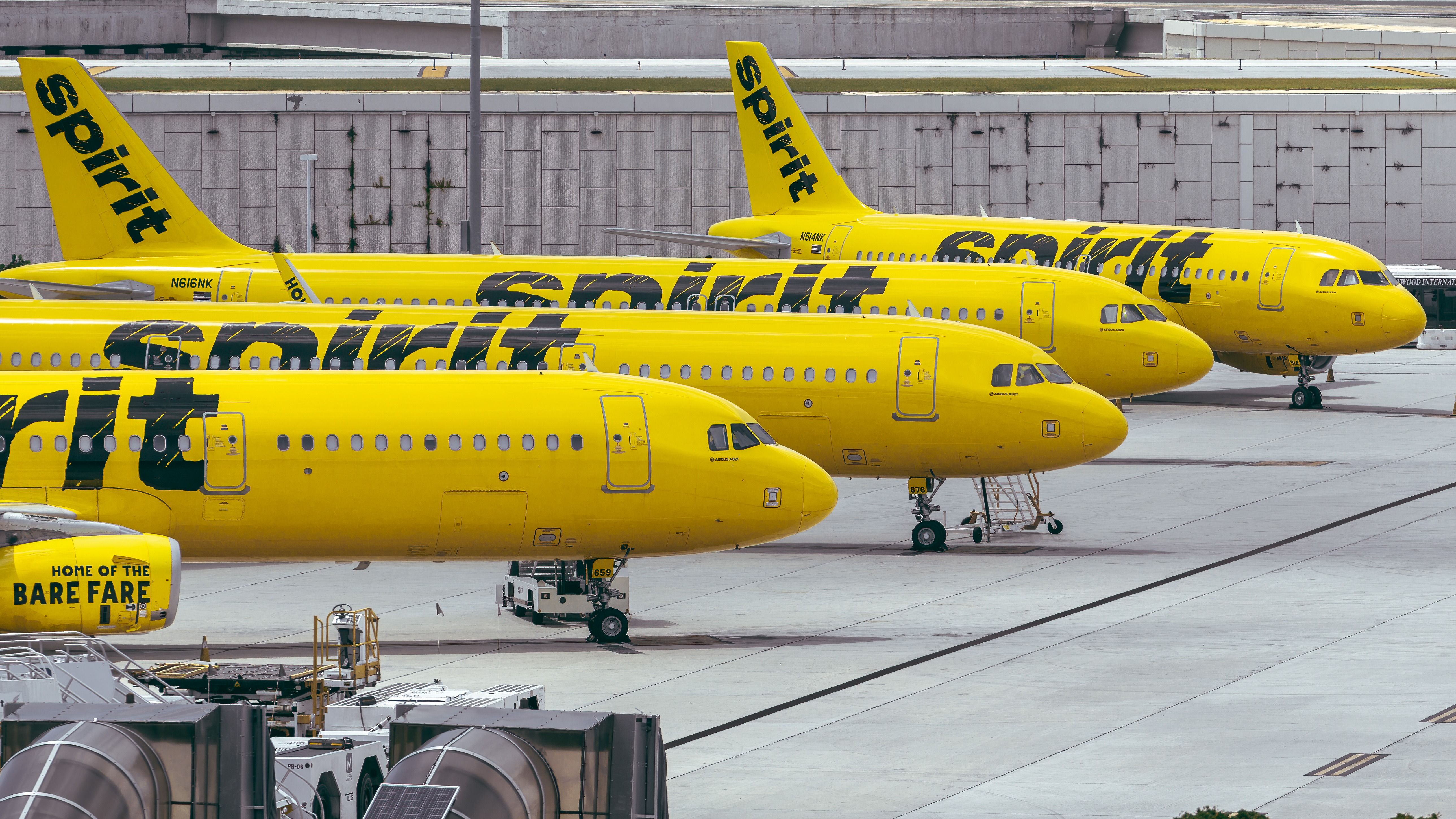
The strategic decision to use only Airbus A320 family aircraft has a profound impact on Spirit’s supply chain and inventory management, directly contributing to its brand image of relentless cost control. Instead of managing parts for multiple aircraft types, Spirit only needs to stock a single set of components that are largely interchangeable across its fleet. This drastically reduces the capital tied up in spare parts inventory, minimizes warehousing costs, and simplifies logistics.
The airline can also negotiate more favorable terms with suppliers for a larger volume of identical parts, leading to economies of scale. This streamlined approach minimizes the risk of having obsolete parts for out-of-service aircraft types and ensures a readily available supply for routine maintenance and unexpected repairs. A more efficient supply chain translates directly into lower operational costs, allowing Spirit to pass these savings on to consumers through lower ticket prices, thereby solidifying its brand position as the affordable travel option. This behind-the-scenes efficiency is a silent but powerful contributor to Spirit’s public brand promise.
Passenger Experience & Brand Perception: The ULCC Compromise
While Spirit’s fleet choices are primarily driven by operational and financial efficiency, they inherently shape the passenger experience and, consequently, public perception of the brand. Spirit’s brand is unapologetically focused on affordability, and this often comes with trade-offs in traditional creature comforts. The aircraft themselves, and how they are configured, are central to delivering this specific brand experience—one where the core product (transportation) is offered at the lowest possible price, with everything else unbundled.
Seating Configuration and Cabin Density
Spirit Airlines maximizes the seating capacity within its A320 family aircraft, typically featuring higher-density configurations compared to full-service carriers operating the same aircraft types. This is a deliberate brand choice: by fitting more seats onto each plane, Spirit lowers the cost per seat, which directly enables its ultra-low fares. This often means less legroom (though Spirit offers “Big Front Seats” as an upgrade) and narrower aisle spaces.
This high-density configuration is a physical manifestation of Spirit’s “unbundled” brand promise. Passengers understand, or quickly learn, that the extremely low base fare comes with a compact seating environment. While this can lead to complaints from passengers expecting a different experience, it aligns perfectly with the expectations of the budget-conscious traveler who prioritizes price above all else. The cabin layout, therefore, is not just an internal design choice; it’s a critical element of how the Spirit brand differentiates itself and communicates its value proposition to its target demographic.
The ‘No-Frills’ Aesthetic and Ancillary Revenue
The interior design and amenities on Spirit’s aircraft also reflect its “no-frills” brand aesthetic. Cabins are designed for durability and ease of maintenance rather than luxury. Seats are often pre-reclined or have limited recline, are thinner, and lack personal entertainment screens. These design choices are strategic: lighter seats contribute to fuel efficiency, and fewer complex features mean lower maintenance costs and faster turnaround times.
This minimalist approach reinforces the brand’s focus on functionality over embellishment. Spirit’s core brand strategy revolves around unbundling services, charging for everything from checked bags and seat selection to in-flight refreshments. The basic cabin environment sets the expectation for this model. The planes themselves become part of the ancillary revenue generation strategy; by providing only the essential physical space, the airline incentivizes passengers to pay for add-ons, which is a significant component of Spirit’s revenue stream and a core differentiator of its ULCC brand.
Impact on Turnaround Times and On-Time Performance
The standardization of Spirit’s A320 fleet, combined with its high-density cabin configuration and minimal in-flight services, is engineered to facilitate incredibly fast turnaround times at the gate. A quicker turnaround means an aircraft spends less time on the ground and more time in the air generating revenue. This operational efficiency is vital for the ULCC model and is directly linked to the brand’s ability to offer frequent, low-cost flights.
Rapid turnarounds are achieved through streamlined processes for deplaning, cleaning, refueling, and boarding, often relying on the simplicity of the single-aisle Airbus configuration and the absence of complex catering or entertainment system servicing. While aggressive scheduling can sometimes impact on-time performance if there are minor delays, the underlying strategy is built to maximize aircraft utilization. This relentless pursuit of efficiency—from the planes themselves to their operation—is a silent yet powerful aspect of Spirit’s brand, demonstrating their commitment to delivering the lowest possible fares by squeezing every ounce of productivity from their assets.
Strategic Fleet Management: Future-Proofing the Brand
Spirit Airlines’ commitment to the Airbus A320 family is not static; it’s an evolving strategy designed to future-proof its brand and sustain its competitive advantage in the dynamic aviation market. Strategic fleet management involves continuous evaluation, renewal, and expansion, all while staying true to the core brand principles of cost-efficiency and operational simplicity. This foresight ensures the brand remains relevant and competitive in the long term.
Fleet Renewal and Expansion Plans
Spirit continuously evaluates its fleet for opportunities to modernize and expand. This involves phasing out older, less fuel-efficient aircraft in favor of newer models, particularly the A320neo and A321neo variants. This renewal process is crucial for maintaining the brand’s competitive edge on fuel costs and environmental performance. As older aircraft are retired, the overall fleet age decreases, which generally leads to lower maintenance costs and greater reliability, further reinforcing the brand’s operational efficiency.
Expansion plans also exclusively focus on acquiring more A320 family aircraft. This maintains the benefits of standardization even as the airline grows its network and capacity. By ordering large batches of these aircraft, Spirit often secures favorable pricing and delivery slots from Airbus, which directly contributes to its capital expenditure efficiency—a vital aspect for a cost-conscious brand. This strategic growth ensures that Spirit can expand its footprint and offer more routes to more passengers, always within the framework of its ultra-low-cost brand promise.
Balancing Growth with Cost Discipline
A key challenge for any ULCC, and thus a critical aspect of Spirit’s brand strategy, is balancing aggressive growth with unwavering cost discipline. The decision to stick with the A320 family for expansion is a testament to this balance. While venturing into different aircraft types might offer new market opportunities (e.g., smaller regional jets or larger wide-body aircraft), it would immediately erode the cost benefits derived from standardization, jeopardizing the brand’s core identity.
Therefore, Spirit’s growth strategy is meticulously planned to leverage its existing infrastructure, pilot base, and maintenance capabilities. New aircraft are acquired with an eye toward improving unit costs and increasing capacity on existing or new routes that fit the ULCC model. This disciplined approach ensures that as Spirit grows, it does so sustainably, without diluting the fundamental brand promise of being the cheapest option, achieved through operational excellence and stringent cost controls.

Market Dynamics and Competitive Positioning
Spirit’s fleet strategy is also a dynamic response to broader market dynamics and its competitive positioning. In a market where other airlines, including legacy carriers, are increasingly adopting some ULCC tactics, Spirit must continually refine its operations to stay ahead. Its all-Airbus A320 fleet, with its inherent efficiencies, is a powerful competitive tool. It allows Spirit to offer fares that are often unattainable for airlines with more diverse or less-efficient fleets.
The consistent message of affordability, enabled by its operational choices, helps Spirit carve out and defend its niche. Its aircraft are not just vehicles; they are extensions of its brand, embodying the deliberate choices that allow the airline to maintain its unique position in the market. By understanding what planes Spirit uses and, more importantly, why they use them, one gains a comprehensive insight into the sophisticated brand strategy that fuels this ultra-low-cost airline and enables its distinct corporate identity.
aViewFromTheCave is a participant in the Amazon Services LLC Associates Program, an affiliate advertising program designed to provide a means for sites to earn advertising fees by advertising and linking to Amazon.com. Amazon, the Amazon logo, AmazonSupply, and the AmazonSupply logo are trademarks of Amazon.com, Inc. or its affiliates. As an Amazon Associate we earn affiliate commissions from qualifying purchases.