
Following the completion of menstruation, your body embarks on a distinct phase of the menstrual cycle, often referred to as the follicular phase or the pre-ovulatory phase. This period is characterized by a surge in estrogen and presents a unique set of physical and emotional experiences. For many, understanding these cyclical changes can be a powerful tool for optimizing health, productivity, and overall well-being. In the digital age, a wealth of technological innovations offers unprecedented insights into these internal shifts, empowering individuals to track, understand, and even leverage the opportunities presented by the post-period phase. This article will delve into the technological landscape that supports this understanding, focusing on how apps, wearable devices, and data analytics can illuminate the physiological and psychological nuances of your body’s cycle.
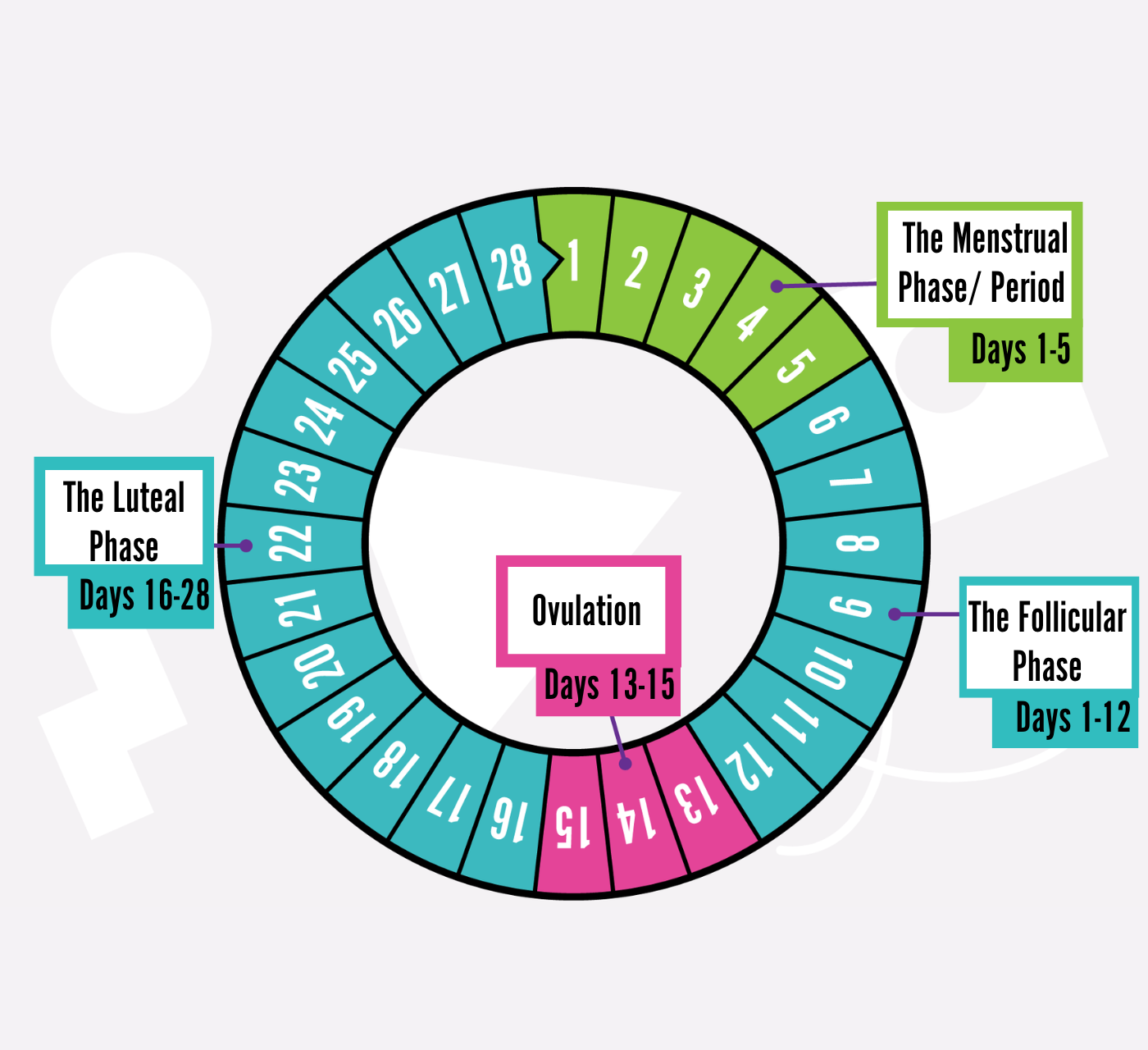
The Follicular Phase: A Digital Deep Dive
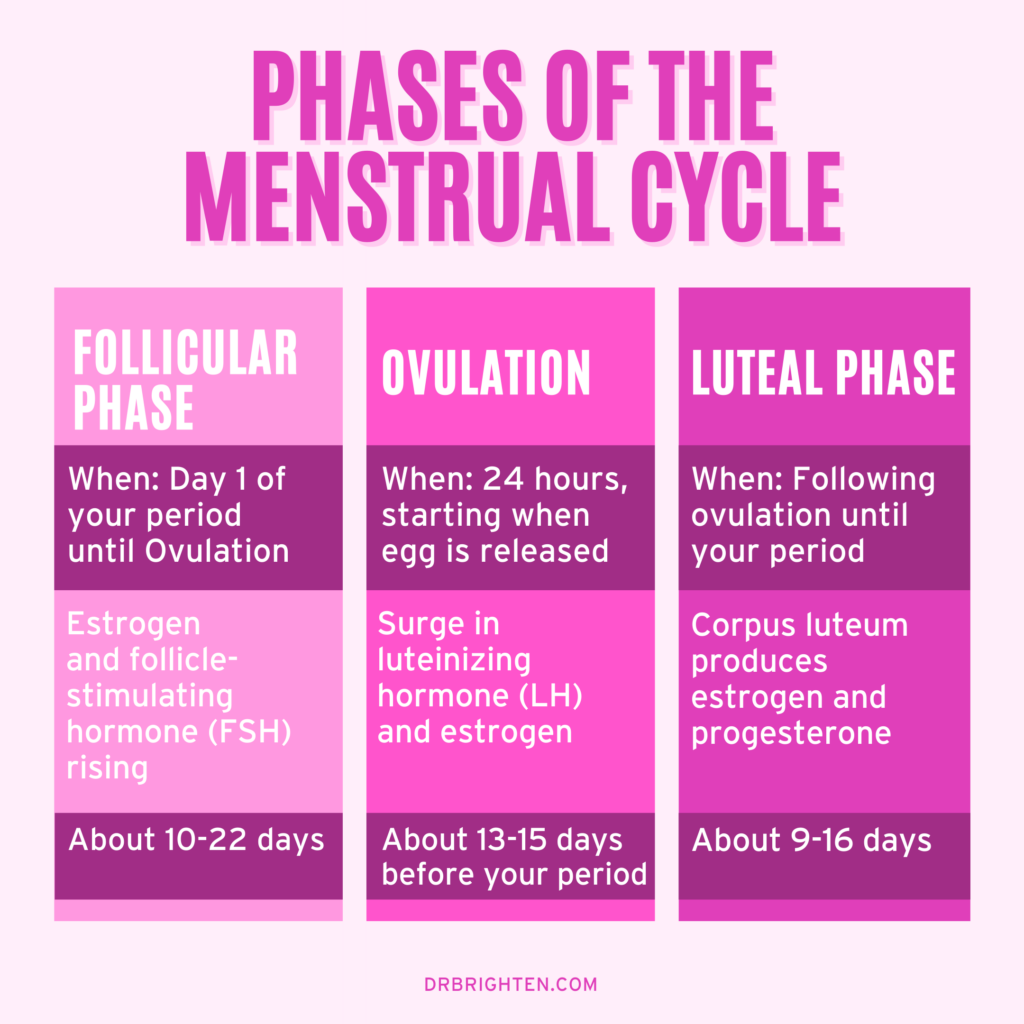
The follicular phase, beginning on the first day of your period and lasting until ovulation, is a period of renewal and preparation. As estrogen levels begin to rise, the uterine lining starts to rebuild, and a dominant follicle develops within the ovary, preparing to release an egg. This hormonal shift influences various bodily functions, including energy levels, mood, and cognitive abilities. Traditionally, understanding these changes relied on subjective self-observation, but today’s technology offers a more precise and data-driven approach.
Harnessing the Power of Menstrual Cycle Tracking Apps
The proliferation of menstrual cycle tracking applications has revolutionized how individuals engage with their reproductive health. These apps, powered by sophisticated algorithms, allow users to log a variety of data points, including period start and end dates, flow intensity, mood fluctuations, and physical symptoms. By consistently inputting this information, the app can identify patterns and predict future cycles with increasing accuracy.
Key Features and Benefits of Tracking Apps:
- Personalized Cycle Prediction: Beyond simply predicting your next period, advanced apps can forecast ovulation windows and fertile days, providing valuable information for those trying to conceive or seeking to avoid pregnancy.
- Symptom Logging and Analysis: Users can meticulously record symptoms like bloating, cramping, energy dips, or mood swings. Over time, these logs can reveal correlations between specific cycle phases and reported experiences, allowing for proactive management. For instance, recognizing a pattern of increased energy in the follicular phase might inform decisions about scheduling demanding tasks.
- Hormonal Trend Visualization: Some sophisticated apps go beyond basic logging to offer insights into predicted hormonal trends throughout the cycle. While these are not direct measurements, they are based on established physiological patterns and can offer a framework for understanding why you might feel a certain way.
- Integration with Other Health Data: Many apps are beginning to integrate with broader health platforms, allowing for a holistic view of well-being. This can include syncing with sleep trackers, fitness apps, or even mindfulness platforms, revealing how different aspects of your health intersect with your menstrual cycle.
- Community and Educational Resources: Beyond data tracking, many apps provide access to a wealth of educational content about reproductive health, hormonal changes, and tips for managing cycle-related symptoms. Some also foster online communities where users can share experiences and support.
The accuracy and utility of these apps are directly proportional to the consistency and detail of user input. By diligently logging data, individuals can gain a profound understanding of their unique cyclical journey, moving beyond guesswork to informed self-awareness.
Wearable Technology: Continuous Insights into Your Cycle
While menstrual cycle tracking apps are invaluable, wearable technology offers a more continuous and often passive way to gather data that can inform your understanding of the post-period phase. Smartwatches and fitness trackers are no longer just for counting steps; they are increasingly equipped with sensors that monitor physiological markers relevant to hormonal fluctuations.
How Wearables Enhance Cycle Tracking:
- Heart Rate Variability (HRV): HRV, the variation in time between heartbeats, is influenced by the autonomic nervous system and can fluctuate with hormonal changes. Some wearables can track HRV, and patterns may emerge that correlate with different cycle phases. For example, some individuals report lower HRV during the luteal phase when progesterone is dominant, and higher HRV during the follicular phase when estrogen is on the rise.
- Resting Heart Rate: Similar to HRV, resting heart rate can also be affected by hormonal shifts. Estrogen tends to lower resting heart rate, while progesterone can elevate it. Monitoring this metric through wearables can provide subtle cues about your body’s internal state.
- Body Temperature Tracking: While not a primary feature in all wearables, some advanced devices, particularly those designed for sleep tracking or fertility monitoring, incorporate sophisticated temperature sensors. Basal body temperature (BBT) is known to rise slightly after ovulation due to progesterone. While direct BBT tracking often requires dedicated thermometers, some wearables can detect subtle temperature shifts that, when correlated with other data, can offer clues about ovulation and the subsequent cycle phase.
- Sleep Patterns: Hormonal changes can significantly impact sleep quality and duration. Wearables that track sleep stages, duration, and disruptions can reveal patterns that may be linked to your menstrual cycle. For instance, experiencing more fragmented sleep or difficulty falling asleep might coincide with the rise of progesterone in the luteal phase.
- Activity Levels and Caloric Burn: Fluctuations in energy levels are common throughout the menstrual cycle. Wearables that monitor daily activity, exercise duration, and estimated caloric expenditure can highlight periods of increased vitality, often associated with the follicular phase, and periods of lower energy.
By integrating data from wearables with menstrual cycle tracking apps, individuals can build a comprehensive and dynamic picture of their health. This synergistic approach moves beyond simple period tracking to a nuanced understanding of how technology can illuminate the subtle biological shifts occurring after menstruation.
Optimizing Your Post-Period Phase with Data-Driven Strategies
Understanding the physiological and hormonal landscape of your post-period phase is only the first step. The true power lies in leveraging this knowledge to make informed decisions that enhance your physical, mental, and emotional well-being. Technology plays a crucial role in transforming this understanding into actionable strategies.
Leveraging Your Cycle for Productivity and Performance
The rise in estrogen during the follicular phase is often associated with increased energy, improved mood, enhanced cognitive function, and greater pain tolerance. This period can be an opportune time to tackle demanding tasks, engage in challenging workouts, or engage in creative endeavors.
Tech-Enabled Productivity Boosts:
- Task Management Tools: Utilizing digital task management apps like Asana, Trello, or Todoist can help you strategically schedule your most demanding tasks during your estimated follicular phase. By mapping out your cycle in conjunction with your workload, you can align your peak energy and focus with periods of high cognitive demand.
- Calendar Integration: Synchronizing your menstrual cycle tracking app with your digital calendar (e.g., Google Calendar, Outlook) can provide visual cues about your energy levels. Blocking out “high-focus” or “creative energy” times based on your cycle can help you mentally prepare and optimize your schedule.
- Focus and Productivity Apps: Tools like Forest or Freedom can help minimize distractions during periods when you’ve identified your cognitive function is at its peak. The knowledge that you’re leveraging a natural physiological advantage can further enhance your motivation.
Enhancing Physical Well-being and Fitness
The follicular phase is often characterized by increased stamina and a greater capacity for physical exertion. This presents an opportunity to push your fitness boundaries and explore more challenging workouts.
Tech for Enhanced Fitness:
- Fitness Tracking Apps and Wearables: As discussed, wearables provide insights into energy levels and recovery. During the follicular phase, you might notice higher activity levels, better performance metrics (e.g., faster run times, heavier lifts), and quicker recovery. Use this data to inform your training plan, perhaps increasing intensity or duration.
- Personalized Workout Apps: Apps like Peloton, Nike Training Club, or Fitbit Coach offer a vast array of workouts. By understanding your cycle, you can select more intense or endurance-focused routines during the follicular phase and opt for recovery or restorative exercises during other phases.
- Nutrition Tracking Apps: While not directly linked to cycle phase prediction, apps like MyFitnessPal or Cronometer can help you ensure you are adequately fueling your body for increased physical activity during this phase. Understanding your energy needs based on your tracked activity can be informed by your cycle.
Emotional and Mental Well-being Through Cycle Awareness
While the follicular phase is often associated with positive mood states, hormonal fluctuations can still impact emotional well-being. Technology can assist in identifying subtle shifts and implementing supportive practices.
Tech for Emotional and Mental Support:
- Mindfulness and Meditation Apps: Apps like Calm or Headspace offer guided meditations and breathing exercises that can be tailored to your cycle. For instance, you might find more benefit from energizing meditations during the follicular phase or calming practices during periods of potential premenstrual tension.
- Journaling Apps: Digital journaling platforms allow for the consistent logging of mood, thoughts, and emotions. Over time, you can analyze these entries in conjunction with your cycle data to identify patterns and triggers, enabling more proactive self-care.
- Sleep Tracking and Optimization: Ensuring adequate and quality sleep is crucial for emotional regulation. Wearables that track sleep patterns can help you identify if your sleep is being affected by your cycle and allow you to make adjustments to your sleep hygiene or bedtime routine.
The Future of Cycle Technology: AI and Personalized Health
The technological landscape surrounding menstrual cycle understanding is rapidly evolving. Artificial intelligence (AI) is poised to play an even more significant role in providing hyper-personalized insights and predictive capabilities.
AI-Powered Predictive Analytics
As AI algorithms become more sophisticated, they will be able to analyze vast datasets from user logs, wearable biosensors, and even external environmental factors to provide increasingly accurate predictions about an individual’s cycle and its associated physiological and emotional states.
- Proactive Health Recommendations: AI could move beyond simply tracking to offering proactive recommendations. For example, it might suggest specific dietary adjustments, exercise modifications, or stress management techniques based on predicted hormonal shifts in the post-period phase.
- Early Detection of Irregularities: By analyzing deviations from established personal patterns, AI could help flag potential underlying health issues that might require medical attention, such as irregular cycles or significant changes in symptoms.
- Personalized Fertility Forecasting: For those using technology for conception, AI’s ability to learn individual nuances could lead to more precise fertility window predictions than current methods.

The Rise of Integrated Health Ecosystems
The future will likely see a more integrated health ecosystem where menstrual cycle tracking is seamlessly woven into a broader digital health profile. This means your cycle data could interact with your fitness, nutrition, sleep, and even mental health tracking, creating a truly holistic view of your well-being.
- Smart Wearables and Biosensors: Future wearables may incorporate a wider array of biosensors capable of non-invasively tracking more complex hormonal markers, providing even richer data for analysis.
- Personalized Wellness Platforms: Comprehensive digital platforms will leverage AI to synthesize all this data, offering personalized insights and actionable guidance tailored to your unique cyclical journey and overall health goals.
By embracing the technological advancements in menstrual cycle tracking and analysis, individuals can gain a deeper understanding of their bodies, optimize their well-being, and unlock the potential of each phase of their cycle. The post-period phase, often overlooked, is a crucial period of renewal and preparation, and with the right technological tools, it can be a time of enhanced energy, productivity, and overall vitality.
aViewFromTheCave is a participant in the Amazon Services LLC Associates Program, an affiliate advertising program designed to provide a means for sites to earn advertising fees by advertising and linking to Amazon.com. Amazon, the Amazon logo, AmazonSupply, and the AmazonSupply logo are trademarks of Amazon.com, Inc. or its affiliates. As an Amazon Associate we earn affiliate commissions from qualifying purchases.