
In the luxury market, few products are as ephemeral yet as commercially powerful as perfume. While the consumer perceives a scent as a sensory delight, the industry views a bottle of fragrance as a meticulously engineered piece of brand architecture. To understand what perfume is made of from a business perspective, one must look past the aromatic compounds and examine the strategic pillars of ingredient sourcing, sensory marketing, and the cultivation of a brand’s “olfactory DNA.”
The Raw Materials of Brand Identity
In the realm of brand strategy, the ingredients of a perfume are the raw materials of a corporate narrative. A fragrance is not merely a collection of chemical compounds; it is a manifestation of the brand’s positioning in the marketplace.

The Olfactory Pyramid as a Strategic Framework
The structure of a perfume—divided into top, middle, and base notes—mirrors the customer journey. Top notes represent the “hook,” the initial marketing impression designed to capture immediate attention at the point of sale. Middle notes, or the “heart,” represent the core value proposition of the brand, establishing a relationship with the wearer. Base notes, which provide longevity, represent brand loyalty and the lasting impression the company aims to leave on the consumer’s psyche.
Companies spend millions researching these structural components to ensure they align with the brand’s archetype. A heritage luxury house may utilize heavy, stable base notes like oud or amber to communicate longevity and tradition. Conversely, a disruptive, millennial-focused brand might prioritize volatile, citrus-forward top notes to signal youth, innovation, and fleeting novelty.
Sourcing and the Narrative of Provenance
Beyond the chemistry, the provenance of ingredients acts as a vital tool for brand storytelling. The shift toward “clean” and “sustainable” luxury has transformed supply chain management into a central marketing asset. When a brand sources jasmine from Grasse or sandalwood from ethical farms in Australia, they are not just buying raw materials; they are buying a narrative of exclusivity and corporate social responsibility (CSR). This provenance is often the difference between a mass-market scent and a high-margin luxury product, justifying a premium price point while insulating the brand against criticisms regarding ethical manufacturing.
The Chemistry of Market Positioning
Perfume is a masterclass in product design, where the chemistry of the liquid must support the emotional promise of the brand. This requires a sophisticated integration of R&D and consumer insights.
Translating Emotion into Molecules
The success of a fragrance launch often hinges on the “brief”—a document that translates abstract emotional concepts into technical instructions for perfumers. When a brand like Chanel or Dior decides to launch a new product, the creative team does not just ask for a “nice smell.” They define an emotional destination. Does the brand want to be perceived as rebellious, intellectual, or nostalgic?
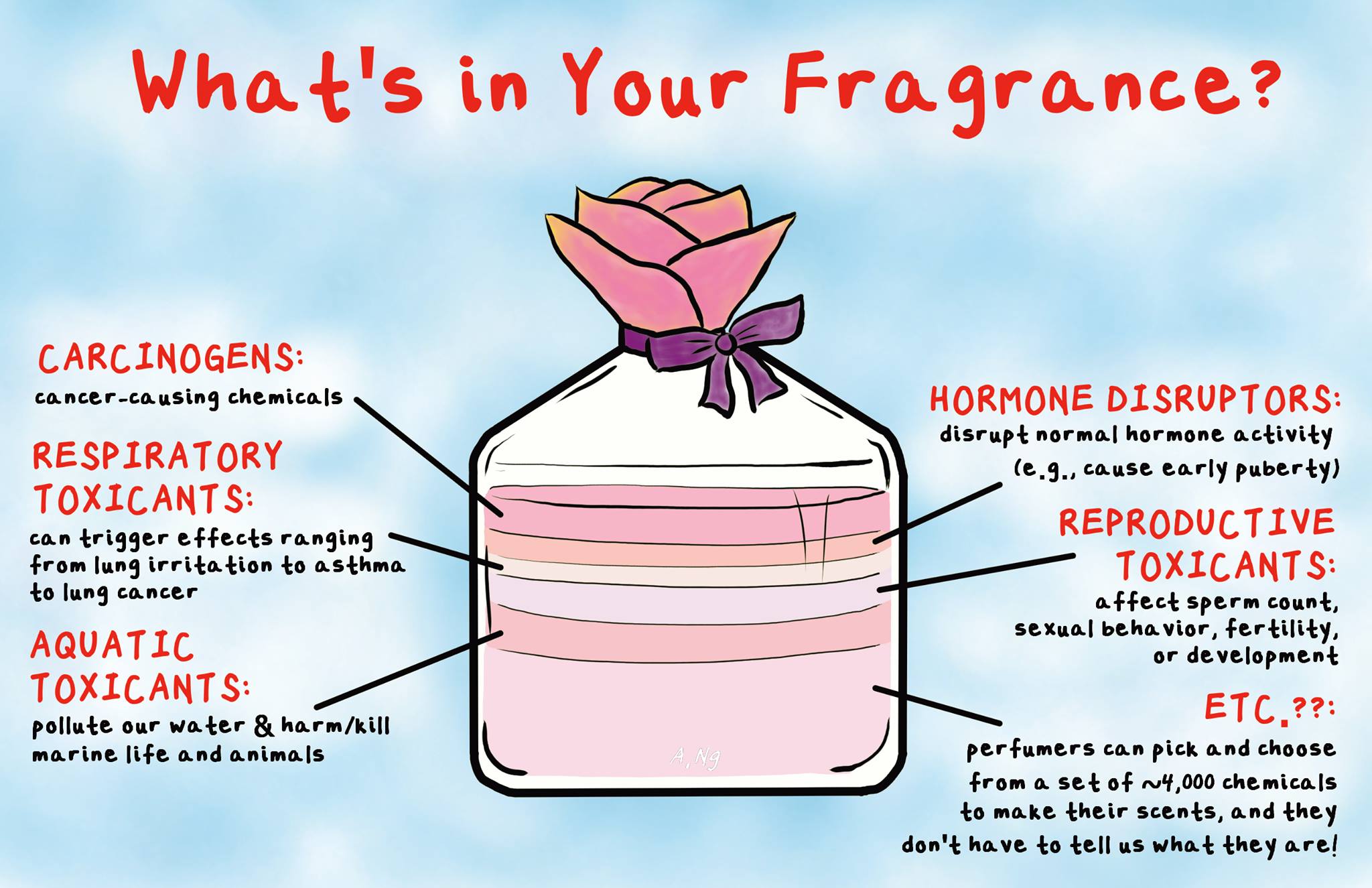
Perfumers—often called “noses”—act as technical designers, selecting synthetic and natural molecules to build an olfactory profile that fits the target demographic’s aspirations. Synthetic ingredients, often misunderstood by the public, are the unsung heroes of modern brand strategy. They allow for consistency across millions of units—a critical requirement for global scaling—and enable the creation of scents that feel “futuristic” or “transcendent,” traits often required for contemporary digital-first branding.
The Role of Packaging and Sensory Synergy
The “ingredients” of a perfume extend beyond the liquid to the vessel itself. In the luxury perfume business, the bottle is the visual anchor of the brand. A heavy glass flacon with magnetic closures communicates durability and premium positioning, while minimalist, avant-garde design language targets a demographic that values intellectual simplicity. The interplay between the liquid—what the consumer smells—and the bottle—what the consumer sees—must be seamless. If the scent is vibrant and floral but the bottle is dark and aggressive, the brand’s identity becomes fragmented, leading to confusion in the marketplace and diminished brand equity.
Olfactory Marketing as a Corporate Asset
Once the fragrance is created, it becomes a permanent fixture in the brand’s assets, acting as an invisible billboard that reinforces identity long after the initial transaction.
Building Olfactory Equity
Brand equity is typically visual and auditory, but olfactory branding is significantly more potent due to the brain’s direct connection between the olfactory bulb and the limbic system, which governs emotion and memory. Savvy brands treat their signature scent as a proprietary asset, much like a trademarked logo or a distinct color palette.
When a brand infuses its retail spaces with a signature scent, it is engaging in sensory marketing that bypasses the consumer’s rational brain. This is a deliberate strategic move to anchor the brand identity in the consumer’s emotional memory. The goal is for the consumer to encounter a similar fragrance notes in another environment and immediately evoke the brand’s core values, thereby fostering a deep, subconscious connection that is incredibly difficult for competitors to replicate.
Scalability and the Economics of Scent
For a fashion house or lifestyle brand, perfume is often the primary vehicle for business scalability. High-end clothing lines are accessible to few, but fragrances provide an entry-level price point that allows the mass market to buy into the brand’s universe.
The strategy of “accessible luxury” relies on the perfume being made of the right brand DNA. By licensing a perfume line, a brand can monetize its prestige without needing to expand its physical retail footprint significantly. This requires the fragrance to serve as a perfect ambassador for the brand. If the perfume fails to embody the corporate identity, it risks diluting the brand’s perceived value. Therefore, the “ingredients” of a successful perfume launch are not just botanical oils and synthetic fixatives, but the rigorous alignment of the scent profile with the long-term vision of the parent corporation.

Conclusion: The Synthesis of Art and Industry
The anatomy of a perfume is far more complex than a simple list of aromatic ingredients. From a brand strategy perspective, a perfume is a highly engineered product that sits at the intersection of chemistry, emotional intelligence, and market positioning.
The true “ingredients” of a perfume include the brand’s heritage, the precise selection of raw materials to support a specific narrative, the strategic use of synthetic molecules to ensure global consistency, and the psychological alignment of the product with the consumer’s own desired identity. By treating fragrance as a cornerstone of brand identity rather than a peripheral accessory, companies can create a lasting legacy. Whether through the ethical sourcing of raw materials, the meticulous design of the olfactory pyramid, or the strategic deployment of scent as a tool for customer retention, the perfume industry continues to demonstrate that a brand’s success is often hidden in the invisible notes of its identity. In the end, what a perfume is made of is, fundamentally, the story a brand chooses to tell about itself to the world.
aViewFromTheCave is a participant in the Amazon Services LLC Associates Program, an affiliate advertising program designed to provide a means for sites to earn advertising fees by advertising and linking to Amazon.com. Amazon, the Amazon logo, AmazonSupply, and the AmazonSupply logo are trademarks of Amazon.com, Inc. or its affiliates. As an Amazon Associate we earn affiliate commissions from qualifying purchases.