
The pursuit of higher education, particularly a bachelor’s degree, has long been considered a significant marker of individual achievement and a pathway to economic prosperity. Understanding the prevalence of bachelor’s degrees within a population is not merely an academic exercise; it has profound implications for economic forecasting, workforce development, and understanding societal progress. This article delves into the statistics surrounding bachelor’s degree attainment, exploring its global distribution, historical trends, and the multifaceted factors that influence these numbers.
Global Landscape of Bachelor’s Degree Attainment
The percentage of the population holding a bachelor’s degree varies dramatically across the globe. These disparities are influenced by a complex interplay of socioeconomic factors, educational infrastructure, cultural values, and economic development. Examining these global trends provides a crucial lens through which to understand the differential access to higher education and its subsequent impact on national economies and individual opportunities.
Regional Variations and Key Indicators
Continent-level analyses often reveal significant divergences. For instance, North America and Europe generally exhibit higher rates of bachelor’s degree attainment compared to many regions in Africa and Asia. This is often linked to historical investment in public education, the presence of established research universities, and a more developed economic base that supports tertiary education.
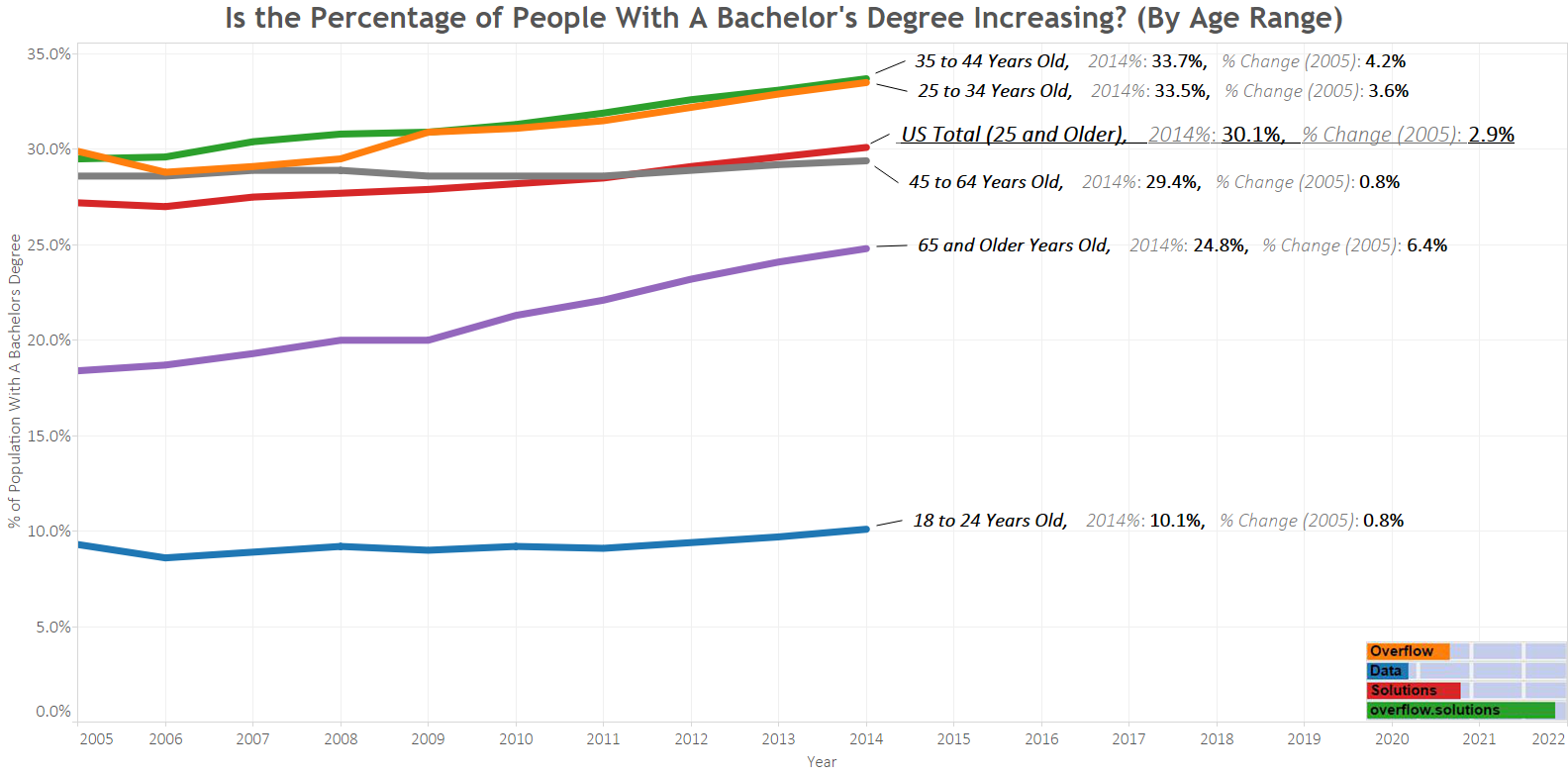
- North America (USA & Canada): The United States, while having a large absolute number of degree holders, sees a significant portion of its adult population (around 35-40% for those aged 25 and over) possessing at least a bachelor’s degree. Canada shows similar trends, with a slightly lower but still substantial proportion. These figures reflect a long-standing emphasis on higher education as a societal norm and a driver of the knowledge economy.
- Europe: Within Europe, there is considerable variation. Countries like Finland, Sweden, and Denmark often report high percentages of tertiary education attainment, including bachelor’s degrees. However, other European nations, particularly in Eastern and Southern Europe, may have lower average attainment rates, reflecting different educational funding models, historical pathways, and economic priorities. The Bologna Process, aimed at standardizing European higher education, has had a significant impact on degree structures and mobility, influencing overall attainment over time.
- Asia: Asia presents a diverse picture. Countries like South Korea and Japan boast very high rates of university enrollment and completion, driven by intense competition and a strong cultural emphasis on academic achievement. Conversely, many developing nations in South and Southeast Asia face challenges related to access, affordability, and the capacity of their educational systems to meet demand. However, there is a discernible trend of increasing enrollment and attainment across the continent as economies develop.
- Latin America: While progress has been made in expanding access to higher education, many Latin American countries still grapple with lower bachelor’s degree attainment rates compared to developed nations. Socioeconomic inequality plays a significant role, with access often correlating with family income and geographic location. Efforts to increase scholarships, improve public university funding, and expand online learning opportunities are gradually influencing these numbers.
- Africa: The African continent generally has the lowest rates of bachelor’s degree attainment globally. This is largely due to historical underinvestment in education, limited infrastructure, and ongoing economic challenges. However, there is a growing recognition of the importance of higher education for development, leading to increased investment in universities and a rising number of graduates, albeit from a smaller base.
Factors Influencing Global Differences
The reasons behind these regional disparities are multifaceted:
- Economic Development: Wealthier nations tend to have more resources to invest in higher education, both public and private. A strong economy also creates greater demand for skilled labor, incentivizing individuals to pursue degrees.
- Educational Infrastructure: The availability and quality of universities, colleges, and vocational training institutions are critical. Countries with robust and accessible higher education systems naturally see higher attainment rates.
- Government Policy and Funding: Government policies regarding tuition fees, student loans, scholarships, and public university funding have a profound impact on who can access and complete a bachelor’s degree.
- Cultural Values and Societal Norms: In some cultures, a bachelor’s degree is seen as an essential prerequisite for social and professional advancement, driving higher enrollment. In others, vocational training or immediate entry into the workforce might be more valued.
- Demographics: The age structure of a population can also influence the percentage of degree holders. A younger population might have a lower current attainment rate but a higher proportion currently enrolled in higher education.
Understanding these global variations is essential for policymakers, educators, and international organizations aiming to promote equitable access to higher education and foster economic development worldwide.
Historical Trends in Bachelor’s Degree Attainment
The journey of the bachelor’s degree from an elite privilege to a more widespread aspiration is a story of societal evolution, technological advancement, and shifting economic paradigms. Tracking historical trends in degree attainment reveals not only how access has broadened but also the underlying forces that have shaped modern educational landscapes.
The Rise of Mass Higher Education
In many developed nations, the mid-20th century marked a significant turning point, ushering in the era of mass higher education. Prior to this period, university education was largely the preserve of the wealthy and elite. Several factors converged to democratize access:
- Post-War Expansion: Following World War II, many countries experienced a surge in demand for higher education. In the US, the G.I. Bill of Rights, for example, provided educational benefits to returning soldiers, dramatically increasing university enrollment. Similar initiatives were seen in other nations.
- Economic Shifts: The transition from industrial economies to service-based and knowledge-based economies created a greater demand for educated workers. Industries increasingly required individuals with specialized skills and analytical abilities, often acquired through university degrees.
- Social Mobility and Equal Opportunity: Growing awareness of social inequality and a desire for greater equal opportunity led to policies aimed at expanding access to education for a broader segment of the population, including women and minority groups.
- Growth of Public Universities and Community Colleges: The establishment and expansion of public universities and community colleges made higher education more affordable and accessible. This proliferation of institutions provided more pathways for individuals to pursue degrees.
The Impact of the Digital Revolution
The advent of the internet and digital technologies has had a transformative impact on higher education and, by extension, bachelor’s degree attainment.
- Online Learning and Distance Education: The rise of online courses, virtual classrooms, and fully online degree programs has broken down geographical barriers and offered unprecedented flexibility. This has enabled individuals who might not have been able to attend traditional brick-and-mortar institutions—due to work, family commitments, or location—to pursue and complete bachelor’s degrees.
- Open Educational Resources (OER) and MOOCs: Massive Open Online Courses (MOOCs) and other OER have made high-quality educational content accessible to millions worldwide, often for free or at a low cost. While not always leading to formal degrees, they serve as valuable stepping stones, skill-building tools, and introductions to academic subjects, potentially encouraging individuals to pursue formal degree programs.
- Technological Enhancement of Learning: Digital tools and platforms have enhanced the learning experience within traditional institutions, offering personalized learning paths, interactive simulations, and access to vast digital libraries. This can improve retention rates and the overall quality of education.

Modern Challenges and Opportunities
Despite the historical expansion, contemporary trends present new challenges and opportunities:
- Rising Tuition Costs and Student Debt: In many countries, the cost of higher education has outpaced inflation, leading to significant student loan burdens. This can deter individuals from pursuing degrees or limit their choices of institutions.
- The Skills Gap and Employability: While a bachelor’s degree is still highly valued, there is ongoing debate about whether university curricula adequately prepare graduates for the demands of the rapidly evolving job market. The concept of a “skills gap” highlights the need for greater alignment between academic programs and industry needs.
- Credentialing and Alternative Pathways: The emergence of micro-credentials, bootcamps, and certifications offers alternative pathways to acquiring specific skills, sometimes challenging the traditional dominance of the bachelor’s degree for certain career trajectories.
- Lifelong Learning: The concept of lifelong learning is gaining prominence, emphasizing the need for continuous skill development and education throughout one’s career. This includes pursuing advanced degrees, professional certifications, and shorter, targeted learning programs.
The historical trajectory of bachelor’s degree attainment underscores a persistent societal belief in the value of higher education. However, the future will likely involve a more nuanced landscape where traditional degrees coexist with diverse learning pathways and a greater emphasis on adaptability and continuous skill acquisition.
Factors Influencing Bachelor’s Degree Attainment
The decision to pursue and ultimately complete a bachelor’s degree is influenced by a complex interplay of personal, economic, social, and institutional factors. Understanding these determinants is crucial for comprehending the statistical variations observed in degree attainment rates and for developing effective strategies to enhance access and success in higher education.
Socioeconomic Status and Access
One of the most significant predictors of bachelor’s degree attainment is socioeconomic status. Individuals from higher-income households generally have greater access to quality primary and secondary education, which better prepares them for college-level work. Furthermore, financial resources play a critical role:
- Affordability: The cost of tuition, fees, living expenses, and educational materials can be a major barrier. Families with higher incomes can more easily absorb these costs, while those with lower incomes may require substantial financial aid, scholarships, or loans, which can involve long-term financial commitment and risk.
- Parental Education and Aspirations: The educational background of parents often influences a child’s aspirations and their understanding of the value and process of higher education. Parents with college degrees are more likely to encourage and support their children in pursuing similar paths.
- Geographic Location and School Quality: Disparities in the quality of K-12 education based on geographic location and local funding can significantly impact college readiness. Students from under-resourced school districts may lack the academic preparation and guidance needed to successfully navigate the college application process and succeed in university.
Personal Motivation and Academic Preparation
Beyond external circumstances, individual drive and preparedness are paramount.
- Academic Performance in High School: Strong performance in high school, including rigorous coursework and high grades, is a strong indicator of readiness for the academic demands of a bachelor’s degree program. Standardized test scores (where applicable) also play a role in college admissions.
- Intrinsic Motivation and Career Goals: A clear sense of purpose, strong intrinsic motivation to learn, and well-defined career aspirations can fuel the dedication required to complete a demanding four-year degree. Students who understand how a degree aligns with their future goals are often more committed.
- Resilience and Grit: The journey to a bachelor’s degree is not always linear. Students need resilience to overcome academic challenges, personal setbacks, and the pressures of university life. Grit, the perseverance and passion for long-term goals, is a key determinant of completion.
Institutional Factors and Support Systems
The institutions themselves play a vital role in facilitating and supporting degree attainment.
- Quality of Instruction and Faculty Support: Engaging teaching, accessible faculty, and robust academic advising services are critical for student success. Institutions that invest in strong pedagogical practices and provide ample support systems tend to have higher retention and graduation rates.
- Student Support Services: Comprehensive support services, including tutoring centers, writing labs, mental health counseling, career services, and disability support, are essential for addressing the diverse needs of students and helping them navigate challenges.
- Campus Environment and Sense of Belonging: A positive and inclusive campus environment can foster a sense of belonging, which is strongly linked to student engagement and persistence. Students who feel connected to their university community are more likely to stay and succeed.
- Flexibility in Program Design: Offering flexible scheduling options, hybrid learning models, and accelerated programs can accommodate the needs of diverse student populations, including working adults and those with family responsibilities.
Economic and Labor Market Demand
The perceived economic value of a bachelor’s degree significantly influences its pursuit.
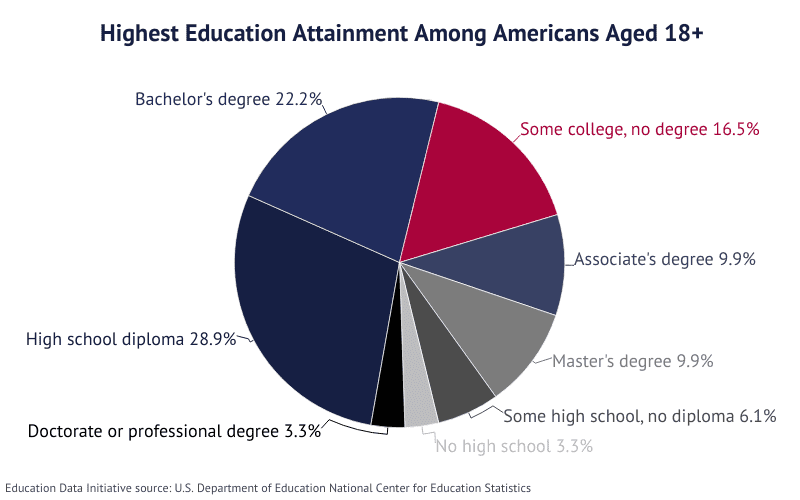
- Employment Prospects and Earning Potential: Statistical data consistently show that individuals with bachelor’s degrees tend to have lower unemployment rates and higher lifetime earnings compared to those with only a high school diploma. This economic incentive is a powerful driver for many individuals.
- Industry-Specific Needs: Certain industries have a high demand for university-educated professionals, creating a pull factor for students to pursue degrees in those fields. Conversely, fields with strong vocational pathways or where experience is highly valued may see lower bachelor’s degree attainment.
- Perceived Return on Investment: Prospective students and their families weigh the cost of a degree against its potential future benefits. Economic downturns or periods of high youth unemployment can sometimes temper enthusiasm for higher education if the immediate return on investment appears low.
In conclusion, the percentage of the population holding a bachelor’s degree is a dynamic figure shaped by a confluence of personal ambition, socioeconomic realities, and the evolving landscape of educational institutions and the labor market. Addressing disparities in access and support is crucial for ensuring that the pursuit of higher education remains a viable and achievable goal for a broader segment of society.
aViewFromTheCave is a participant in the Amazon Services LLC Associates Program, an affiliate advertising program designed to provide a means for sites to earn advertising fees by advertising and linking to Amazon.com. Amazon, the Amazon logo, AmazonSupply, and the AmazonSupply logo are trademarks of Amazon.com, Inc. or its affiliates. As an Amazon Associate we earn affiliate commissions from qualifying purchases.