
The vast, blue expanse that dominates our planet is a subject of endless fascination. From its profound influence on climate and ecosystems to its potential as a source of untapped resources, the ocean’s sheer scale is a constant reminder of Earth’s dynamic nature. Understanding the percentage of our planet’s surface that is submerged beneath these waters is not just a matter of geographical curiosity; it has significant implications across various scientific, economic, and even technological domains. This article delves into the quantitative reality of Earth’s oceanic coverage and explores the far-reaching consequences of this dominant feature.
The Ocean’s Dominance: A Numerical Perspective
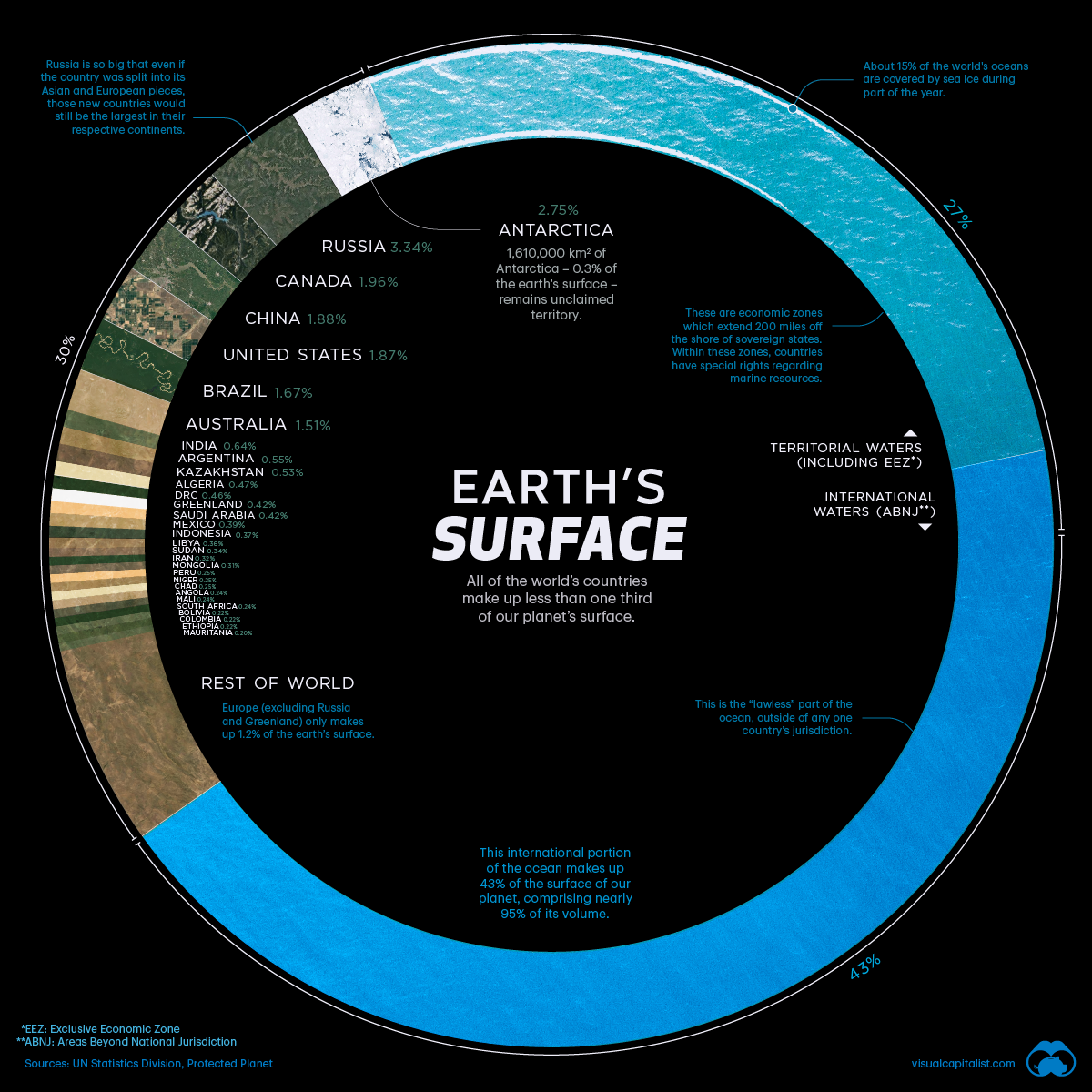
At its most fundamental, the answer to “what percentage of the Earth is covered by oceans?” is remarkably high. This fact underpins much of our planet’s environmental and climatic systems.
Surface Area Statistics
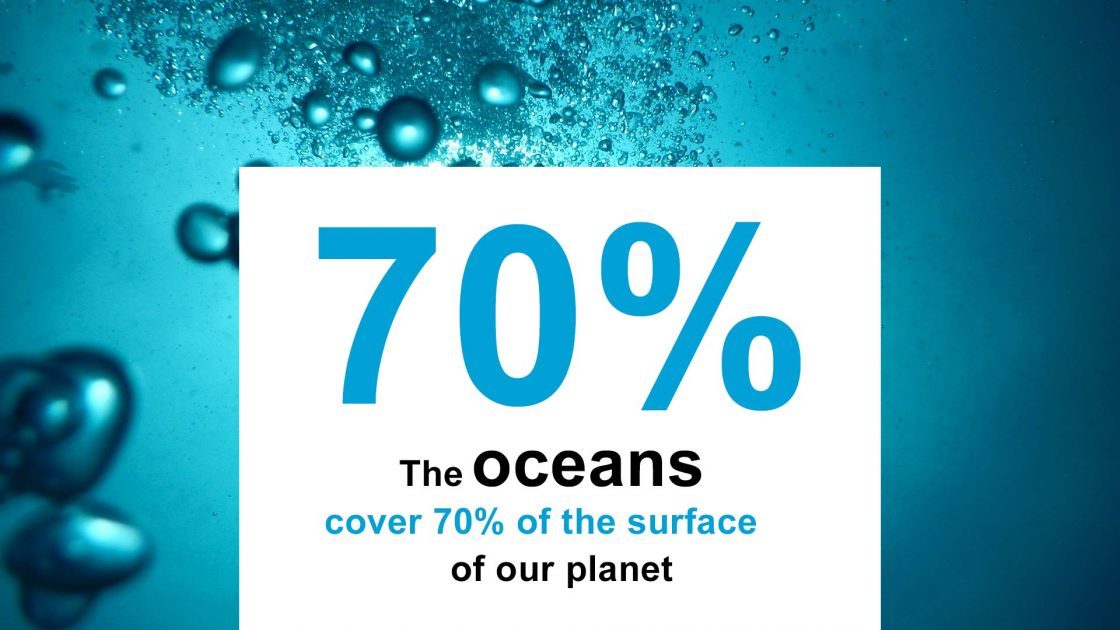
The Earth’s total surface area is approximately 510.1 million square kilometers. Of this immense figure, the hydrosphere – encompassing all the water on, above, and below the surface of the Earth – accounts for about 71% of the planet’s surface. When we isolate the oceans, they represent the lion’s share of this hydrated portion. Specifically, the world’s oceans, including the Arctic, Atlantic, Indian, Pacific, and Southern Oceans, cover approximately 361.1 million square kilometers. This translates to a staggering 70.8% of the Earth’s total surface area. To put this into perspective, if you were to look at our planet from space, the dominant color you would observe is blue, a testament to the overwhelming presence of water.
Freshwater vs. Saltwater Distribution
It’s crucial to differentiate between the total water on Earth and the water found in the oceans. While the 70.8% figure refers to the saltwater bodies that define our oceans, it’s important to note that the vast majority of Earth’s water is saline. Freshwater, which is vital for terrestrial life and human civilization, constitutes a much smaller percentage of the total water. Approximately 97.5% of all water on Earth is saltwater, residing in the oceans. Only the remaining 2.5% is freshwater, and a significant portion of this freshwater is locked away in glaciers and ice caps. This stark imbalance highlights the immense challenge of accessing and managing potable water resources for human consumption and agriculture, a challenge that technology is increasingly being tasked to address.
The Technological Significance of Oceanic Coverage
The sheer volume and extent of Earth’s oceans are not just an environmental consideration; they present immense opportunities and challenges for technological innovation. From deep-sea exploration to harnessing renewable energy, technology plays a pivotal role in our interaction with this submerged world.
Exploration and Resource Mapping
The vastness of the oceans means that a significant portion remains largely unexplored. The deep ocean, in particular, harbors mysteries and potential resources that humanity is only beginning to comprehend. Advanced sonar systems, remotely operated vehicles (ROVs), and autonomous underwater vehicles (AUVs) are crucial technological tools for mapping the ocean floor, identifying geological formations, and assessing potential mineral deposits. These technologies are essential for understanding seismic activity, locating underwater pipelines and cables, and even discovering new species. The development of more sophisticated sensors, underwater drones, and data processing algorithms is continuously pushing the boundaries of what we can discover and map in these challenging environments. Furthermore, satellite imagery and remote sensing technologies provide a broader perspective, enabling us to monitor ocean currents, sea surface temperatures, and marine pollution on a global scale, informing both scientific research and environmental policy.
Harnessing Marine Renewable Energy
The movement of ocean water – waves, tides, and currents – represents a colossal and largely untapped source of renewable energy. Technologies for harnessing this power are rapidly evolving. Wave energy converters (WECs) are designed to capture the kinetic energy of ocean waves, transforming it into electricity. Tidal energy systems, such as tidal barrages and tidal stream generators, utilize the predictable rise and fall of tides to generate power. Ocean thermal energy conversion (OTEC) systems exploit the temperature difference between warm surface waters and cold deep waters. While these technologies are still in their nascent stages compared to wind and solar power, ongoing research and development are focused on improving efficiency, reducing costs, and mitigating environmental impacts. The potential for large-scale, reliable, and sustainable energy generation from the oceans makes these technological pursuits of critical importance in the global transition to cleaner energy sources. The increasing percentage of our energy needs that could be met by these marine sources is a testament to technological advancement.

Data Analytics and Monitoring in the Marine Environment
The sheer volume of data generated by oceanic research and exploration necessitates advanced technological solutions for analysis and interpretation. The interconnectedness of ocean systems means that understanding one aspect often requires synthesizing information from a multitude of sources.
Big Data and Oceanographic Modeling
Oceanography has become a data-intensive field. Satellites, buoys, research vessels, and underwater sensors all contribute to a massive influx of data related to temperature, salinity, currents, marine life, and atmospheric interactions. Advanced computing power and sophisticated algorithms are essential for processing this “big data.” Machine learning and artificial intelligence are increasingly being employed to identify patterns, predict oceanic phenomena like El Niño events, model climate change impacts on marine ecosystems, and optimize resource management. These technologies enable scientists to gain deeper insights into the complex workings of the ocean, which are critical for predicting weather patterns, understanding marine biodiversity, and mitigating the effects of pollution and climate change. The ability to process and analyze this data effectively is directly linked to our capacity to understand and protect the 70.8% of our planet that is oceanic.
Marine Technology for Environmental Protection
The health of our oceans is intrinsically linked to the health of the planet. Technological innovations are vital for monitoring and protecting these vast ecosystems. This includes the development of sensors for detecting microplastics and chemical pollutants, advanced tracking systems for marine animals to understand their migratory patterns and habitat use, and technologies for cleaning up oil spills and other environmental disasters. Furthermore, sophisticated surveillance systems, often utilizing AI, are being deployed to combat illegal fishing and protect vulnerable marine areas. The development of biodegradable materials for marine applications and technologies that reduce the carbon footprint of maritime activities are also crucial areas of focus. As our understanding of the ocean’s fragility grows, so does the demand for technological solutions to ensure its long-term sustainability.
The Economic and Resource Potential of the Oceans
Beyond their environmental significance, the oceans represent a vast economic frontier, holding immense potential for resource extraction, transportation, and development. Technology is the enabler of this economic activity.
Maritime Trade and Logistics
The vast majority of global trade is transported by sea. This highlights the critical role of technology in ensuring efficient and safe maritime operations. From advanced navigation systems and vessel tracking to automated port management and sophisticated cargo handling equipment, technology drives the engine of global commerce. The development of more fuel-efficient ship designs, advancements in propulsion systems (including alternative fuels), and the implementation of digital platforms for supply chain management are all crucial for optimizing this sector. The increasing automation in shipping and port operations, powered by AI and robotics, promises to further enhance efficiency and safety, allowing us to better utilize the oceanic highways that connect the world. The percentage of the planet covered by oceans directly correlates to the immense scale of this global trade network.
Seabed Mining and Marine Biotechnology
Beneath the ocean’s surface lies a wealth of mineral resources, including polymetallic nodules, cobalt-rich crusts, and seafloor massive sulfides, which contain valuable metals like copper, nickel, cobalt, and rare earth elements. Technologies for seabed mining are being developed to extract these resources, though this remains a controversial area with significant environmental concerns. Similarly, the oceans are a rich source of novel compounds and organisms with potential applications in medicine, pharmaceuticals, and industry. Marine biotechnology, enabled by advanced genetic sequencing, bioinformatics, and specialized laboratory equipment, is unlocking the secrets of these marine organisms. From developing new antibiotics to creating enzymes for industrial processes, the potential economic benefits are substantial. The technological prowess required to explore, extract, and utilize these deep-sea resources is immense, and its advancement is directly tied to our ability to interact with the vast oceanic realms.
Conclusion: A Blue Planet Demanding Technological Engagement
The statistic that approximately 70.8% of the Earth is covered by oceans is not merely a numerical fact; it is a fundamental characteristic that shapes our planet’s climate, supports its biodiversity, and presents both profound challenges and immense opportunities for humanity. As we continue to grapple with global issues such as climate change, resource scarcity, and sustainable development, our engagement with the ocean will become increasingly critical. Technology stands at the forefront of this engagement, providing the tools and innovations necessary for exploration, resource management, energy generation, and environmental protection. From the sophisticated algorithms that model ocean currents to the autonomous vehicles that plumb the deepest trenches, technological advancement is indispensable for understanding, utilizing, and ultimately preserving this vast, blue expanse that defines so much of our world. The future of our planet is inextricably linked to our ability to harness and protect its oceans, a endeavor that will continue to be driven by relentless technological innovation.
aViewFromTheCave is a participant in the Amazon Services LLC Associates Program, an affiliate advertising program designed to provide a means for sites to earn advertising fees by advertising and linking to Amazon.com. Amazon, the Amazon logo, AmazonSupply, and the AmazonSupply logo are trademarks of Amazon.com, Inc. or its affiliates. As an Amazon Associate we earn affiliate commissions from qualifying purchases.