
The health of a nation is inextricably linked to its economic well-being. While discussions about the percentage of the American population that is overweight often center on physical health and lifestyle choices, the financial ramifications are profound and far-reaching. This demographic reality translates into significant costs for individuals, healthcare systems, employers, and the national economy as a whole. Understanding these financial implications is crucial for developing effective public health strategies and for individuals to grasp the personal economic burden of weight-related health issues.
The Staggering Economic Burden of Overweight and Obesity in America
The prevalence of being overweight and obese in the United States represents not just a public health crisis but a colossal economic drain. This burden manifests in various sectors, from direct medical costs to lost productivity and increased insurance premiums. The sheer scale of these financial impacts demands a closer examination to appreciate the true cost of excess weight in America.
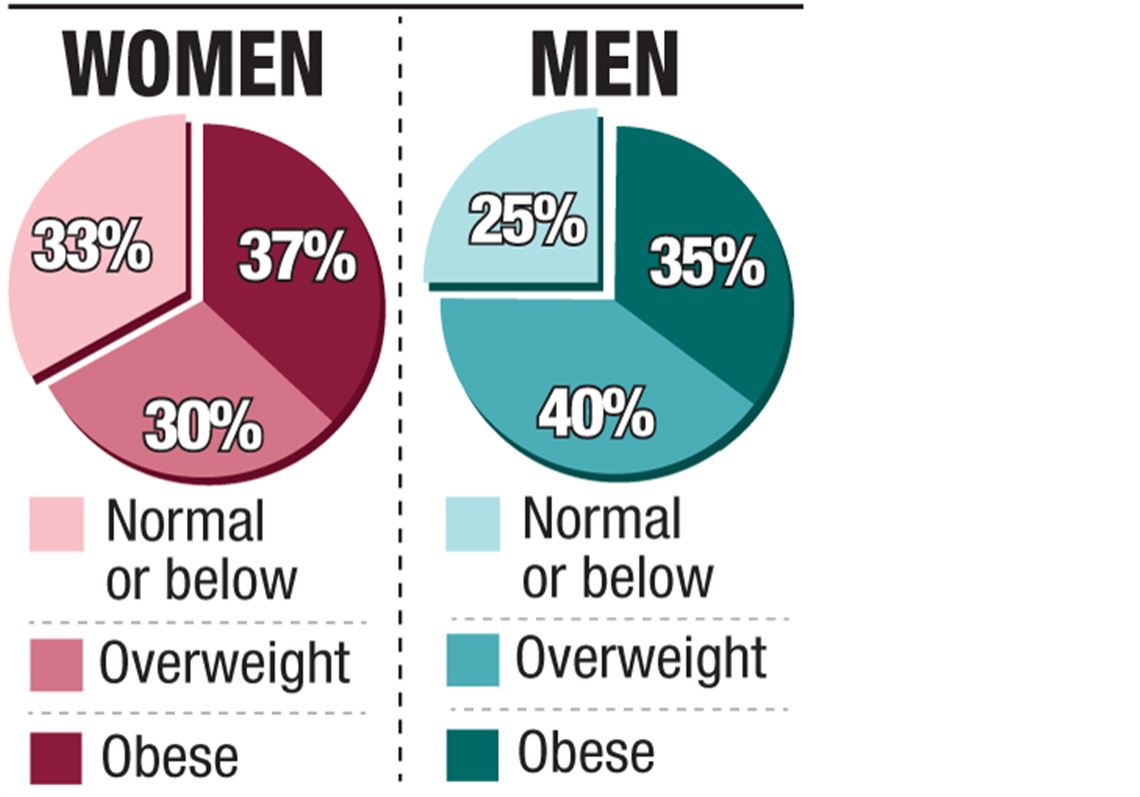
Direct Medical Costs: A Growing Healthcare Expenditure
The most immediate and visible financial consequence of a population being overweight is the escalation of direct medical costs. Individuals who are overweight or obese are at a significantly higher risk for a multitude of chronic diseases, many of which require ongoing and often expensive medical interventions.
Chronic Disease Management and Treatment
Conditions such as type 2 diabetes, heart disease, stroke, certain types of cancer, osteoarthritis, and sleep apnea are all strongly associated with excess body weight. The management and treatment of these chronic conditions involve a complex web of services, including:
- Physician Visits and Consultations: Regular check-ups, specialist appointments, and diagnostic testing become more frequent and intensive.
- Prescription Medications: A steady stream of medications is often required to manage blood pressure, cholesterol, blood sugar, and other related health issues. The cost of these pharmaceuticals, especially for chronic conditions, can be substantial over a lifetime.
- Hospitalizations and Surgeries: Complications arising from these diseases can lead to emergency room visits, hospital stays, and surgical procedures, such as bypass surgeries, joint replacements, or bariatric surgery. These interventions carry hefty price tags.
- Rehabilitation and Therapy: Post-operative care, physical therapy, and other forms of rehabilitation add to the overall medical expenditure.
Estimates consistently show that a significant portion of healthcare spending in the U.S. is attributable to overweight and obesity-related illnesses. These costs are borne by individuals through out-of-pocket expenses, deductibles, and co-pays, as well as by insurers who ultimately pass these costs on to consumers through higher premiums.
Indirect Costs: Lost Productivity and Economic Output
Beyond direct medical expenses, the financial impact of being overweight extends to the broader economy through indirect costs, primarily related to lost productivity and diminished economic output.
Absenteeism and Presenteeism
Individuals struggling with weight-related health issues are more likely to experience increased absenteeism from work due to illness or medical appointments. Furthermore, the phenomenon of “presenteeism” – being physically present at work but not fully functional due to health problems – also leads to reduced productivity. This translates to businesses operating at a lower capacity, impacting their profitability and, on a larger scale, national economic growth.
Reduced Work Capacity and Disability
In some cases, the health consequences of being overweight can lead to reduced work capacity, making it difficult for individuals to perform their jobs effectively or even to continue working altogether. This can result in early retirement, reliance on disability benefits, and a loss of skilled labor from the workforce.
Impact on Industries
Certain industries are more directly affected than others. For instance, the physical demands of jobs in manufacturing, construction, and transportation can be challenging for individuals with significant weight-related health concerns, potentially leading to higher rates of injury and reduced performance.
The Individual Financial Toll: Personal Expenses and Lost Earning Potential
For individuals, the financial burden of being overweight is a deeply personal and often escalating concern. This burden manifests not only in direct healthcare costs but also in a tangible impact on earning potential and financial well-being.
Escalating Personal Healthcare Expenses
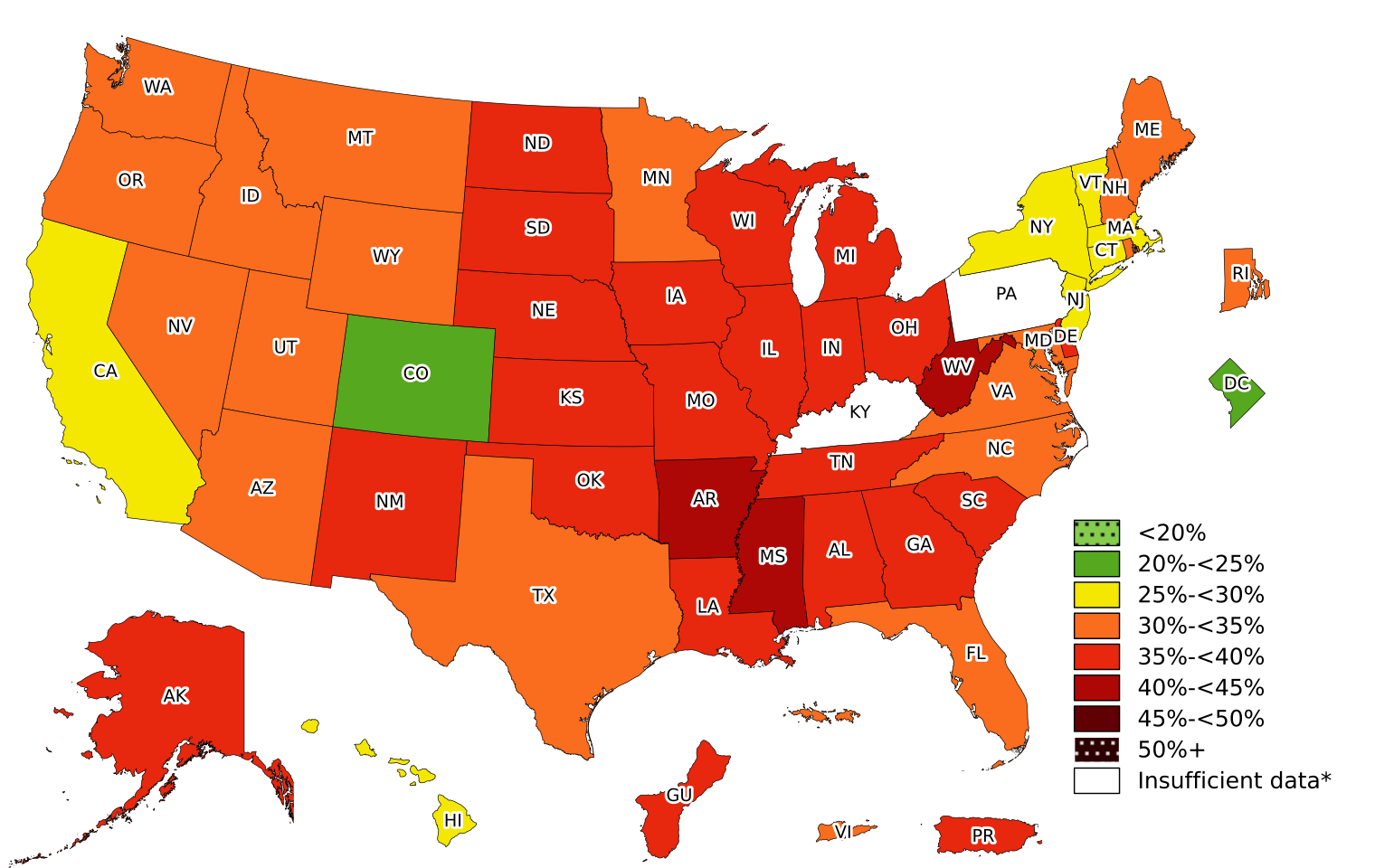
As mentioned previously, individuals who are overweight or obese face higher out-of-pocket healthcare costs. This includes:
- Increased Insurance Premiums: Many health insurance plans incorporate risk factors into their premium calculations. While direct charges based on weight are less common, the overall increase in healthcare utilization by overweight individuals contributes to higher premiums for everyone, including those who are not overweight. However, some employer-sponsored wellness programs may offer incentives for reaching health goals, or conversely, penalties for not meeting certain metrics, indirectly linking weight to individual insurance costs.
- Higher Co-pays and Deductibles: The greater frequency of doctor visits and medical procedures for weight-related conditions directly increases the amount individuals pay in co-pays and deductibles.
- Out-of-Pocket Purchases: Beyond medical care, individuals may incur expenses for specialized diets, weight-loss programs, gym memberships, and fitness equipment, all of which can represent a significant financial investment.
Reduced Earning Potential and Career Limitations
The link between health and earning potential is undeniable. For individuals who are overweight or obese, this link can become a significant barrier to financial success.
Discrimination and Bias
While often subtle and not legally codified, weight-based discrimination can occur in hiring, promotion, and compensation decisions. Studies have indicated that individuals perceived as overweight may be offered lower starting salaries and face greater obstacles in career advancement. This unconscious or conscious bias can lead to a cumulative loss of income over a person’s working life.
Physical Limitations and Job Suitability
Certain professions require a certain level of physical fitness or the ability to perform demanding physical tasks. Individuals who are significantly overweight may find themselves excluded from these roles, limiting their career options and potentially leading them into lower-paying positions.
The Cost of Weight Management Products and Services
The pursuit of weight loss itself can be a substantial financial undertaking. The market for diet plans, weight-loss supplements, specialized foods, and fitness programs is a multi-billion dollar industry. While some individuals find success with these interventions, many spend considerable sums without achieving sustainable results, adding to their financial strain. This creates a cycle where the problem itself becomes a source of ongoing expenditure.
Societal and National Financial Implications: Beyond Individual Costs
The financial impact of a large overweight and obese population extends far beyond individual expenses. It represents a substantial drain on national resources, impacting government budgets, employer costs, and the overall economic productivity of the nation.
Burden on Public Health Programs and Government Budgets
Government-funded healthcare programs, such as Medicare and Medicaid, bear a significant portion of the costs associated with treating overweight and obesity-related illnesses. As the prevalence of these conditions grows, so does the strain on these programs, leading to increased taxpayer burden.
- Increased Medicare and Medicaid Spending: The direct medical costs associated with conditions like diabetes and cardiovascular disease, which are prevalent in overweight populations, drive up the expenditure for these vital public health services.
- Public Health Initiatives and Prevention Programs: While investing in preventative measures can yield long-term savings, the initial funding required for comprehensive public health campaigns, nutrition education, and accessible fitness programs represents a substantial government expenditure.
Employer Costs and Economic Competitiveness
Businesses play a critical role in the financial ecosystem of a nation, and the health of their workforce directly impacts their bottom line.
- Higher Healthcare Premiums for Employers: As mentioned, increased healthcare utilization translates into higher insurance premiums for employers who offer health benefits to their employees. This can reduce profit margins, limit investment in growth, and potentially lead to higher prices for goods and services.
- Workers’ Compensation Claims: Overweight individuals may be at a higher risk for certain injuries, leading to increased workers’ compensation claims and associated costs for businesses.
- Reduced Workforce Productivity: The cumulative effect of absenteeism, presenteeism, and reduced work capacity among employees can significantly impact a company’s overall productivity and its ability to compete in the global market.
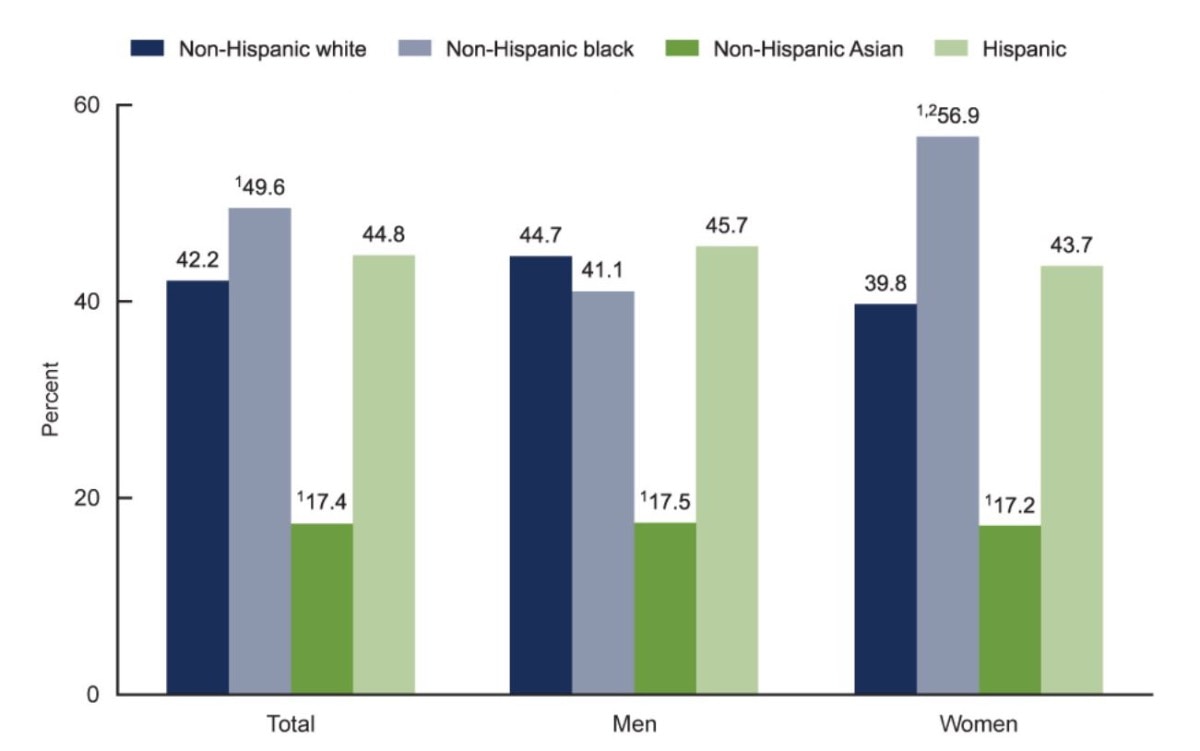
The Long-Term Economic Outlook
The long-term economic outlook for a nation with a high prevalence of overweight and obesity is concerning. A healthier population is a more productive and economically vibrant population. Conversely, a population burdened by chronic disease and its associated costs faces significant headwinds.
- Impact on Economic Growth: Sustained high healthcare costs and reduced workforce productivity can stifle economic growth, diverting resources from investment and innovation towards the management of preventable diseases.
- Intergenerational Economic Impact: The financial and health consequences of obesity can be passed down through generations, perpetuating cycles of ill health and economic hardship.
In conclusion, the question of “what percentage of the American population is overweight” is far more than a statistic about public health; it is a critical economic indicator. The financial costs associated with excess weight are deeply embedded in individual lives, business operations, and the very fabric of the national economy. Addressing this challenge requires a comprehensive approach that recognizes not only the health imperatives but also the profound financial benefits of fostering a healthier America.
aViewFromTheCave is a participant in the Amazon Services LLC Associates Program, an affiliate advertising program designed to provide a means for sites to earn advertising fees by advertising and linking to Amazon.com. Amazon, the Amazon logo, AmazonSupply, and the AmazonSupply logo are trademarks of Amazon.com, Inc. or its affiliates. As an Amazon Associate we earn affiliate commissions from qualifying purchases.