
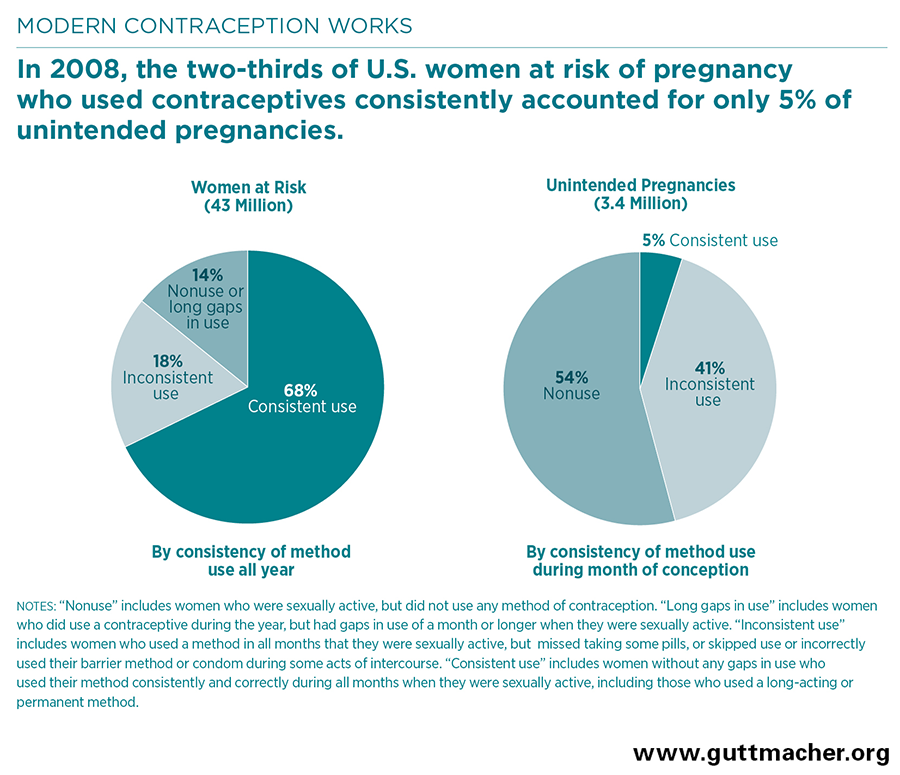
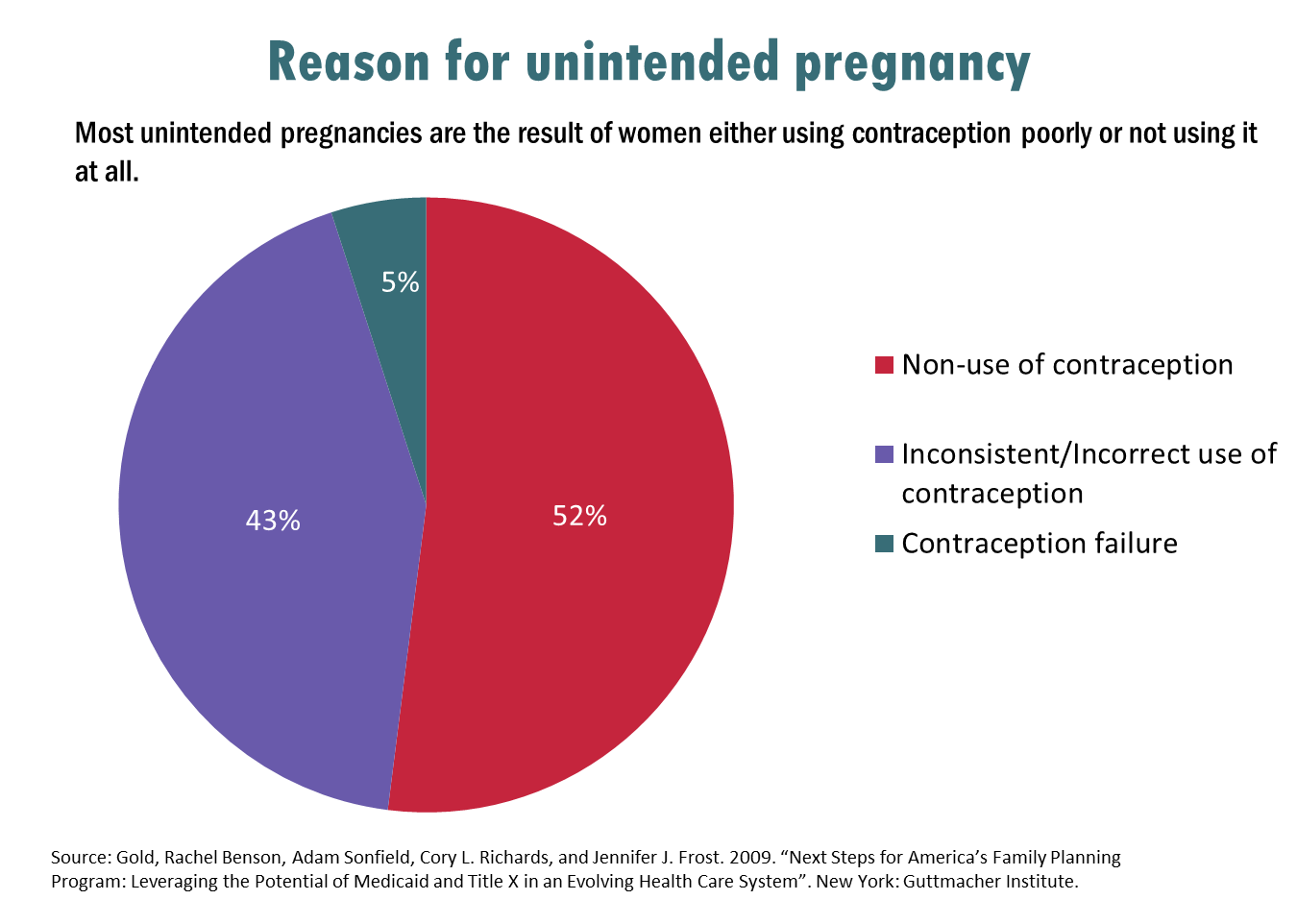
In the landscape of personal finance and long-term wealth management, few variables are as volatile or as impactful as a change in family size. While financial planners often focus on market volatility, interest rate hikes, or career transitions, the statistical reality of family planning is one of the most significant “black swan” events a household can face. Globally and domestically, the percentage of pregnancies that are unplanned remains a critical metric for economists and financial advisors alike. In the United States, approximately 45% of all pregnancies are unintended. This figure represents not just a sociological data point, but a profound shift in capital allocation, career trajectories, and lifetime earning potential for millions of individuals.

Understanding the intersection of reproductive statistics and personal finance is essential for building a resilient financial plan. When nearly half of all pregnancies occur outside of a deliberate “financial readiness” window, the ability to pivot, re-budget, and protect assets becomes a primary skill in wealth preservation.
Understanding the Statistics and the Macroeconomic Impact
The 45% figure in the United States is part of a broader global trend where unplanned pregnancy rates correlate heavily with economic development and access to financial resources. From a macro-financial perspective, unintended pregnancies influence labor market participation rates and the velocity of household spending. When a significant portion of the population faces an unplanned expansion of their household, it triggers a shift in consumer behavior—moving funds away from long-term investments and discretionary spending toward immediate essential goods and services.
Global and National Trends in Unplanned Pregnancies
While the U.S. rate sits near 45%, global figures vary significantly based on the economic infrastructure of the region. In many developing economies, the rate can exceed 60%, often acting as a drag on per-capita GDP growth as families struggle to accumulate the surplus capital necessary to move out of subsistence-level living. In higher-income brackets, the percentage tends to drop, but the financial “shock” can be more pronounced due to the high cost of the lifestyles and educational standards those families aim to maintain.
The Correlation Between Economic Status and Family Planning
There is a documented feedback loop between financial stability and family planning. Lower-income households are statistically more likely to experience an unplanned pregnancy, which in turn creates further financial strain. This “poverty trap” is a major focus for developmental economists. For the middle-class professional, an unplanned pregnancy often represents a “opportunity cost” event, where the capital intended for a down payment on a home or a high-growth investment portfolio is suddenly diverted to the high costs of neonatal care and early childhood expenses.
The Immediate Financial Cost of an Unplanned Pregnancy
The financial shock of an unplanned pregnancy begins long before the child arrives. In a planned scenario, a family might spend two to three years building a “baby fund” to cover the deductible of a high-tier health insurance plan, outfitting a nursery, and compensating for lost income during parental leave. In an unplanned scenario, this multi-year accumulation phase is compressed into a matter of months, often leading to high-interest debt acquisition to cover the gap.
Healthcare and Insurance Considerations
The cost of delivery in the United States can range from $5,000 to over $30,000 depending on the state and the level of complications. For a family that has not optimized their insurance during an open enrollment period, these costs can be devastating. An unplanned pregnancy often forces individuals to navigate “out-of-network” costs or high deductibles without the benefit of a pre-funded Health Savings Account (HSA) or Flexible Spending Account (FSA). The immediate liquidity required to manage medical billing can deplete emergency funds that were meant for other financial crises, leaving the household vulnerable to further economic shocks.
Lost Opportunity Costs and Workforce Participation
One of the most overlooked financial aspects of an unplanned pregnancy is the “opportunity cost” related to the career. Career paths are often built on a trajectory of increasing responsibility and compensation. A surprise pregnancy may force a professional to decline a promotion, defer an MBA program, or step away from a high-growth startup role that requires extensive travel. The “motherhood penalty” in the workforce remains a documented financial phenomenon, where women’s earnings can drop significantly compared to their peers. When the pregnancy is unplanned, the lack of a “career-cushion”—a period of intense advancement prior to taking leave—can result in a lower lifetime earnings ceiling.
Long-Term Wealth Accumulation and Family Budgeting
The long-term impact of a surprise addition to the family extends into the decades. Financial planning is essentially an exercise in compounding; the earlier a dollar is invested, the more weight it carries in retirement. An unplanned pregnancy shifts the timeline of compounding.
The “Cost to Raise a Child” Metric
According to recent data, the cost of raising a child to age 18 in a middle-class household is approximately $310,000, excluding the cost of college. When this expense is introduced into a budget without a five-year lead time, it often comes at the expense of retirement contributions. For example, if a couple is forced to stop contributing $500 a month to a 401(k) for five years to cover childcare costs, they aren’t just losing $30,000 in contributions—they are losing the thirty years of compounded growth that those dollars would have generated. This can result in a retirement gap of several hundred thousand dollars.
Adjusting Retirement Goals and Emergency Funds
An unplanned pregnancy requires an immediate recalibration of the “Emergency Fund.” The standard advice of three to six months of expenses must be adjusted upward to account for the increased “burn rate” of a larger family. This often means that a household must shift into a “defensive” financial posture, prioritizing liquidity over growth for several years. For many, this results in a delayed retirement age or a lower standard of living in later years.
Financial Tools and Strategies for Managing Surprises
While the statistics suggest that unplanned pregnancies are common, modern financial tools provide ways to mitigate the shock. The goal for any individual, regardless of their current family plans, should be to build a “shock-absorbent” financial infrastructure.
Building a “Life Event” Contingency Fund
Traditional budgeting often categorizes savings into “Vacation,” “Home,” and “Retirement.” However, a more robust strategy includes a “Life Event” bucket. This is a liquid or semi-liquid fund designed specifically for high-impact, low-probability events. If a pregnancy occurs, these funds prevent the need to liquidate retirement assets or take on credit card debt. If the pregnancy never occurs, the fund acts as a massive boost to the retirement nest egg later in life.
Navigating Government Credits and Tax Incentives
Upon the realization of an unplanned pregnancy, the first financial move should be a deep dive into the tax code. The Child Tax Credit (CTC) and the Child and Dependent Care Credit can provide significant relief. Furthermore, understanding the nuances of the Earned Income Tax Credit (EITC) for lower-to-middle income earners is vital. Sophisticated tax planning can recoup a portion of the immediate costs, allowing the family to redirect those savings back into an emergency fund.
Corporate Policy and the Economic Role of Paid Leave
The financial outcome of an unplanned pregnancy is also heavily dictated by the employer’s benefits package. This highlights the importance of “benefit-forward” career planning. Even for individuals who do not plan on having children, working for a company with robust paid parental leave and short-term disability insurance is a form of financial hedging.
In the corporate world, “Human Capital Management” has begun to recognize that supporting employees through these transitions is more cost-effective than the turnover associated with financial distress. Employees who can leverage 12 to 16 weeks of paid leave are far more likely to return to their previous earning trajectory than those who must take unpaid leave and accrue debt. For the individual, the presence of these benefits can mean the difference between a minor financial speedbump and a total derailment of their long-term wealth strategy.
In conclusion, while the percentage of pregnancies that are unplanned remains high at nearly 45%, the financial impact does not have to be catastrophic. By viewing family planning through the lens of risk management and capital allocation, individuals can build financial systems that are resilient to the unexpected. The key lies in maintaining high liquidity, understanding the long-term cost of compounding, and leveraging tax and corporate benefits to stabilize the household budget during one of life’s most significant transitions.
aViewFromTheCave is a participant in the Amazon Services LLC Associates Program, an affiliate advertising program designed to provide a means for sites to earn advertising fees by advertising and linking to Amazon.com. Amazon, the Amazon logo, AmazonSupply, and the AmazonSupply logo are trademarks of Amazon.com, Inc. or its affiliates. As an Amazon Associate we earn affiliate commissions from qualifying purchases.