
The question “what percentage of people believe in God?” seems, at first glance, like a purely sociological or theological inquiry. Yet, in an increasingly interconnected and data-driven world, the landscape of belief – or lack thereof – holds profound implications across technology, branding, and finance. Understanding global and regional patterns of religious belief is no longer just a matter for academics; it’s a critical input for tech developers designing inclusive platforms, brands crafting resonant messages, and financial institutions navigating ethical investment and charitable giving. This article delves into the contemporary state of religious belief, examining how technology illuminates these trends, how brands adapt to diverse spiritual landscapes, and how faith continues to shape economic behavior and personal finance.

The Evolving Landscape of Faith in the Digital Age
The human experience of spirituality and belief has always been complex, but the digital age has introduced new layers of understanding and expression. Global surveys consistently attempt to quantify belief, painting a broad picture that often surprises those accustomed to more secular narratives prevalent in certain Western societies. While precise percentages fluctuate with methodology, region, and definition of “belief in God,” a common consensus from major research organizations like Pew Research Center, Gallup, and others suggests that a significant majority of the world’s population identifies with some form of religious belief or spirituality.
Global Belief: A Statistical Overview
Current estimates frequently place the number of people globally who identify with a religion at over 80%. This broad figure encompasses a vast spectrum of faiths, from Christianity and Islam, which together account for over half of the global population, to Hinduism, Buddhism, Judaism, folk religions, and numerous other spiritual practices. Within these religious affiliations, belief in God (or a divine entity/ultimate reality) is a central tenet for most. For instance, data from sources like the World Values Survey typically show that even in countries often perceived as highly secular, a notable portion of the population still holds some form of belief in God or a higher power, even if they don’t regularly attend religious services.
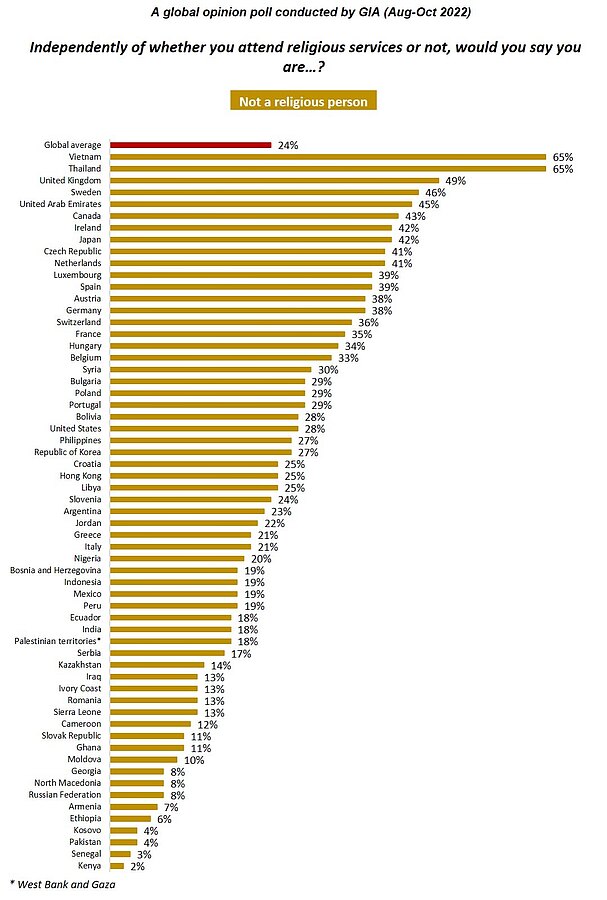
However, these global averages mask significant regional and demographic variations. In many African and Asian countries, belief in God remains near-universal, often exceeding 95%. Conversely, in parts of Western Europe and East Asia (e.g., Sweden, Czech Republic, Japan, China), the percentage of people who believe in God can be considerably lower, sometimes dropping below 50% or even 30%. The United States, while generally more religious than Europe, has also seen a gradual decline in religious affiliation and belief among younger generations, though belief in God remains high for the majority.
The critical insight for technology, branding, and finance professionals is not just the aggregate number but the distribution of belief. Understanding where religious belief is strongest, which demographics are shifting, and how different faiths are growing or declining offers crucial context. Digital tools and data analytics play an indispensable role in collecting, processing, and visualizing these complex global spiritual maps, moving beyond anecdotal evidence to offer actionable insights.
The Nuance of Belief: Beyond Simple Categories
Measuring “belief in God” is inherently challenging. It’s not a simple binary. Do respondents define God as a personal deity, an abstract cosmic force, or merely a spiritual principle? Do they practice their faith regularly, or is their belief more cultural? The percentage of people who believe in God often differs from those who identify with a religion, and both can differ from those who actively practice.
For instance, many individuals may believe in a higher power without adhering to organized religion, identifying as “spiritual but not religious.” This growing segment represents a distinct demographic with unique needs and preferences that are increasingly relevant to tech developers and brands. Technology, through nuanced survey design and qualitative data analysis, helps capture these layers, moving beyond simplistic checkboxes to understand the underlying motivations and expressions of faith. AI-driven sentiment analysis on social media, for example, can reveal evolving attitudes towards spirituality in ways traditional surveys cannot. This granular understanding is vital for creating products, services, and campaigns that resonate authentically with diverse audiences, whether they are deeply religious, spiritual but unchurched, or secular.
Technology as a Mirror and Catalyst for Belief
Technology doesn’t just measure belief; it actively shapes it. From democratizing access to religious texts and teachings to fostering global faith communities and providing tools for personal reflection, digital innovations are fundamentally altering how people engage with spirituality. For technology companies, this presents both immense opportunities and significant ethical considerations.
Digital Tools for Understanding and Expressing Faith
The proliferation of smartphones and internet access has led to an explosion of faith-based apps and online platforms. These range from digital Bibles and Qur’ans with integrated study tools, meditation and prayer apps, to online forums for spiritual discussion, virtual reality experiences simulating religious sites, and live-streamed religious services. These tools cater to a global audience, allowing individuals to practice their faith privately, connect with co-religionists across geographical boundaries, and even explore different spiritual paths.
For tech companies, understanding the percentage of people who believe in God, and critically, how they believe, is essential for developing successful products. App developers can target specific demographics with tailored content, from devotional apps for specific denominations to mindfulness apps for a broader “spiritual but not religious” audience. Data collected from these apps—anonymously and with user consent, of course—can offer unprecedented insights into spiritual practices, preferences, and trends. For instance, analytics might reveal peak times for prayer, popular meditation techniques, or common questions users ask, informing future feature development and content strategy. The digital security surrounding these personal and often sensitive spiritual engagements is paramount, highlighting the importance of robust cybersecurity measures for any faith-based tech offering.
The Intersection of AI, Ethics, and Spirituality
As artificial intelligence advances, its impact on the discourse around belief becomes increasingly significant. AI tools are being used to analyze vast amounts of religious texts, identify linguistic patterns, and even generate theological insights. More controversially, the development of increasingly sophisticated AI raises philosophical questions about consciousness, ethics, and the nature of existence – questions that traditionally fall within the domain of religion and philosophy.
For tech companies, particularly those developing AI, understanding the prevalence and nature of religious belief is crucial for ethical AI development. How do different faith traditions approach concepts like digital immortality, machine consciousness, or algorithmic bias? How can AI be designed to respect diverse spiritual perspectives and avoid inadvertently promoting or undermining particular belief systems? The conversation around AI ethics must include voices from various spiritual backgrounds to ensure inclusive and responsible innovation. Moreover, AI tools can also be harnessed to analyze global surveys on religious belief with greater precision, identifying subtle correlations between faith, technological adoption, and societal values.
Data-Driven Insights into Spiritual Trends
Beyond apps, big data analytics and advanced statistical modeling, powered by technology, are transforming our ability to understand spiritual trends. Researchers can now correlate religious belief with factors like economic indicators, social media engagement, political attitudes, and technological adoption rates. This allows for a deeper understanding of how faith influences various aspects of life and how these influences might shift over time.
For marketers, this means understanding how religious holidays impact consumer spending or how faith-based values influence purchasing decisions for specific demographics. For policymakers, it provides insights into community engagement and social cohesion. For financial analysts, it can inform predictions about charitable giving or ethical investing. The ability to track changes in belief percentages over time, across different age groups and regions, provides an invaluable compass for navigating an increasingly complex global society.
Branding Belief: Marketing, Identity, and Influence
In a world saturated with information and choices, even abstract concepts like belief and spirituality are, in a sense, ‘branded.’ Religious organizations, spiritual leaders, and even secular movements seeking to fill a spiritual void, all engage in processes akin to branding to define their identity, communicate their values, and attract adherents or supporters. The percentage of people believing in God directly impacts how brands, both secular and religious, strategize their communications and positioning.
The Brand of Faith: Organizations and Personalities
Religious institutions themselves operate much like brands. They have distinct identities, symbols, narratives, and communities. Churches, mosques, temples, and spiritual movements all develop a ‘brand image’ that communicates their core tenets, values, and mission. In the digital age, this branding extends to online presence: websites, social media profiles, and digital content. A compelling and consistent brand identity is crucial for attracting and retaining members, especially as traditional forms of religious participation face competition from other lifestyle choices.
Personal branding is also significant for spiritual leaders. From televangelists to mindfulness gurus, individuals often cultivate a public persona that embodies their spiritual message. Technology platforms provide the tools for this personal branding, enabling leaders to share content, build communities, and engage with followers directly. Understanding the prevailing belief percentages helps these religious brands tailor their messages, identifying common spiritual yearning or existing points of connection within a given population. For example, in a highly secularized region, a spiritual brand might focus on universal values like well-being and community, rather than explicit theological doctrines.
Consumer Behavior and Spiritual Alignment
The percentage of people who believe in God directly influences consumer behavior and market trends. For many, religious or spiritual beliefs inform their ethical stances, leading to preferences for products and services that align with their values. This is evident in the growth of ethical consumerism, where individuals choose brands that are environmentally sustainable, socially responsible, or adhere to specific ethical guidelines (e.g., halal, kosher, fair trade).
Brands seeking to connect with consumers must understand these spiritual dimensions. This isn’t about overtly religious marketing for secular products, but rather about understanding the underlying values. A brand promoting transparency and fair labor practices might appeal to consumers whose faith emphasizes social justice. A tech company offering robust privacy features might resonate with those whose spiritual beliefs emphasize personal sanctity and autonomy. Corporate Social Responsibility (CSR) initiatives can also be strategically aligned with the values of faith communities, demonstrating genuine commitment rather than mere lip service. Ignoring the spiritual dimension of a significant portion of the global population is to miss a crucial driver of consumer choice and brand loyalty.
Navigating Reputation in a Diverse World
In a world where diverse belief systems coexist, managing brand reputation – for both religious organizations and secular companies – is complex. The digital landscape amplifies both positive and negative narratives. A religious organization’s online reputation can be impacted by news events, theological debates, or controversies, and this, in turn, can affect membership and donations.
For secular brands, missteps in cultural or religious sensitivity can quickly lead to backlash, especially when a significant percentage of their target market holds strong religious beliefs. Understanding the nuances of different faiths, their sacred symbols, holidays, and ethical norms is paramount. Brand strategy must involve robust cultural competency and a clear understanding of the diverse spiritual tapestry of their consumer base to avoid alienating large segments of the population. This requires continuous monitoring of digital conversations and proactive engagement with various communities, enabled by advanced listening tools and sentiment analysis.
The Economic Ripple Effect of Spiritual Conviction
The belief in God, and religious affiliation more broadly, has always been a powerful force shaping economic activity, from charitable giving and investment patterns to entrepreneurial ventures and financial decision-making. In the modern financial landscape, these spiritual convictions continue to exert significant influence, often facilitated and amplified by technological advancements.
Faith-Based Economies: Donations, Investments, and Philanthropy
Globally, religious organizations represent a massive economic sector. They manage substantial assets, employ millions, and are major recipients of charitable giving. The percentage of people who believe in God directly correlates with the flow of donations, tithes, and offerings that sustain these institutions. For financial institutions and fintech companies, understanding this economy is crucial. Digital giving platforms have revolutionized how religious institutions collect funds, making it easier for congregants to contribute regularly and for organizations to manage their finances efficiently.
Beyond direct donations, faith-based investing is a growing trend. This involves screening investments based on religious or ethical principles, such as avoiding companies involved in alcohol, gambling, tobacco, or unethical labor practices (e.g., Sharia-compliant finance, Christian ethical funds). As more people become aware of the social impact of their investments, this sector is poised for continued growth. Financial advisors and asset managers need to understand the spiritual and ethical frameworks that guide these investment decisions for a significant percentage of their clientele. Technology provides the tools for identifying, tracking, and managing such socially responsible portfolios, making ethical investing more accessible.
Personal Finance and Ethical Considerations
At an individual level, personal finance decisions are often deeply intertwined with spiritual convictions. Budgeting, saving, debt management, and future planning can all be influenced by religious teachings on stewardship, generosity, and responsibility. For example, some faiths emphasize tithing a portion of income, while others encourage living frugally or avoiding excessive debt.
Financial literacy programs and tools can be more effective if they acknowledge and integrate these faith-based perspectives. Fintech innovations that support ethical budgeting or facilitate charitable giving can resonate strongly with individuals whose financial decisions are guided by their beliefs. Understanding the percentage of people who hold these convictions allows financial service providers to tailor products and advice that are not only financially sound but also spiritually aligned with their clients’ values. This personalized approach, often enabled by AI and data analytics, can build stronger trust and deeper engagement.
The Spiritual Entrepreneur: Online Income and Niche Markets
The digital age has also given rise to a new class of “spiritual entrepreneurs” who leverage online platforms to create businesses centered around faith-based content, products, and services. This includes online courses in meditation or theology, digital art inspired by religious themes, e-commerce stores selling spiritual artifacts, or platforms offering faith-based counseling or coaching.
For individuals seeking online income or side hustles, their own spiritual beliefs can become a source of entrepreneurial inspiration. The global percentage of people believing in God represents a massive potential market for these niche businesses. Marketing and payment platforms, digital content creation tools, and social media all play a vital role in enabling these entrepreneurs to reach their target audience and monetize their passion. Understanding the demographic spread and specific needs of faith communities allows these entrepreneurs to identify viable market gaps and craft offerings that genuinely serve their spiritual interests.
The Future of Faith: Navigating a Pluralistic World
The trends in belief are dynamic. While global belief in God remains high, secularization is increasing in some regions, and spiritual diversity is growing everywhere. Technology will continue to be a primary driver in how these trends are understood, how spiritual communities interact, and how belief systems adapt to modern challenges.
Adapting to Shifting Demographics and Belief Systems
The future will demand even greater adaptability from tech companies, brands, and financial institutions. As global demographics shift and new generations come of age with different spiritual priorities, the “percentage of people who believe in God” will be a constantly moving target. Monitoring these shifts with sophisticated data analytics will be crucial for strategic planning. Brands may need to become more inclusive in their messaging, financial products more flexible in their ethical frameworks, and technology more adept at serving a wide spectrum of spiritual and non-spiritual needs.

The Role of Continuous Dialogue and Understanding
Ultimately, the exploration of belief percentages isn’t just about numbers; it’s about understanding humanity. In a world increasingly shaped by technology, where brands seek to forge deeper connections, and financial decisions have broader societal implications, fostering continuous dialogue and understanding across different belief systems is paramount. Technology can facilitate this dialogue, breaking down barriers and fostering empathy between diverse spiritual and secular communities. Brands that embrace this pluralism in their messaging and operations will build greater trust, and financial models that accommodate diverse ethical frameworks will unlock new opportunities.
As we move forward, the question “what percentage of people believe in God?” remains fundamental. Its answer, continuously refined by technological advancements and interpreted through the lenses of branding and finance, will offer vital insights into the evolving human spirit and its profound impact on our interconnected world.
aViewFromTheCave is a participant in the Amazon Services LLC Associates Program, an affiliate advertising program designed to provide a means for sites to earn advertising fees by advertising and linking to Amazon.com. Amazon, the Amazon logo, AmazonSupply, and the AmazonSupply logo are trademarks of Amazon.com, Inc. or its affiliates. As an Amazon Associate we earn affiliate commissions from qualifying purchases.