
The question “What percentage of people are bisexual?” is more than just a demographic inquiry; it’s a crucial data point for brands aiming to foster genuine connection and inclusivity in their marketing and operational strategies. In an era where authenticity and representation are paramount, understanding the nuances of sexual orientation within the population is no longer a niche consideration but a fundamental aspect of effective brand building. While precise percentages can fluctuate based on survey methodologies, geographic location, and evolving societal norms, available data consistently points to bisexuality being a significant and often underestimated component of the LGBTQ+ spectrum. For brands, grasping this reality is essential for developing resonant campaigns, ensuring equitable representation, and ultimately, building stronger, more loyal customer bases.

The Evolving Landscape of Sexual Orientation Data
Historically, discussions around sexual orientation have often been bifurcated into exclusively heterosexual or homosexual identities. However, research and lived experiences have consistently demonstrated a broader spectrum of human attraction and identity. The increasing visibility and acceptance of bisexuality have led to more robust data collection efforts, revealing that a substantial portion of the population identifies with this orientation.
Defining Bisexuality in Research
Before delving into percentages, it’s important to acknowledge the varying definitions used in research. Bisexuality is generally understood as attraction to more than one gender. This can manifest in numerous ways and is not necessarily an equal or simultaneous attraction to all genders. Surveys often employ questions that allow for a range of responses beyond a simple “yes” or “no” to a heterosexual or homosexual identity. This nuanced approach is critical for capturing the diversity within the bisexual community, which includes individuals attracted to men and women, individuals attracted to people of their own gender and other genders, and individuals attracted to multiple genders. The phrasing of survey questions, the cultural context, and the willingness of participants to disclose their identity all play a role in the reported statistics. Understanding these methodological nuances is the first step for brands in accurately interpreting and applying this demographic information.
Trends in Self-Identification
Recent studies and reports from reputable organizations have begun to paint a clearer picture. For instance, large-scale surveys conducted in Western countries often indicate that individuals identifying as bisexual form a significant plurality, and sometimes a majority, of the LGBTQ+ population. This means that when considering individuals who are not exclusively heterosexual, a substantial number identify as bisexual. This finding challenges older assumptions that bisexuality is a less common or transitional identity. Instead, it suggests a stable and significant demographic group whose preferences and experiences are integral to the overall tapestry of human sexuality. Brands that recognize this trend are better positioned to connect with an audience that may feel overlooked by marketing efforts that predominantly focus on a binary understanding of attraction.
Quantifying Bisexuality: Key Findings and Interpretations
While exact figures can vary, consistent patterns emerge across numerous studies, offering valuable insights for brand strategists. These numbers are not static, reflecting ongoing societal shifts and increased comfort with diverse identities.
The Significance of Bisexual Representation in Surveys
Numerous surveys, such as those conducted by the Williams Institute at UCLA School of Law or national health and behavior surveys in various countries, consistently show that between 10% and 30% of individuals who identify as LGBTQ+ identify as bisexual. Some broader surveys that include questions about attraction beyond a strictly heterosexual or homosexual framework have even higher figures, suggesting that a significant portion of the general population may experience attraction to more than one gender, even if they don’t always use the label “bisexual.” For instance, some studies suggest that anywhere from 3% to 10% of the general adult population may identify as bisexual. This means that a substantial segment of consumers are part of this demographic.
Bisexuality as the Largest Single Identity within the LGBTQ+ Community
In many demographic analyses, bisexuality emerges as the largest single identity group within the broader LGBTQ+ community. This is a critical piece of data for brands. It signifies that efforts to be inclusive should not be limited to a singular focus but must actively acknowledge and embrace the diverse experiences of individuals who are attracted to multiple genders. Ignoring or underrepresenting this significant portion of the population means missing opportunities to build rapport and trust with a large and engaged consumer base. Brands that proactively incorporate bisexual narratives and perspectives into their messaging will likely resonate more deeply with a wider audience.
Factors Influencing Reported Percentages
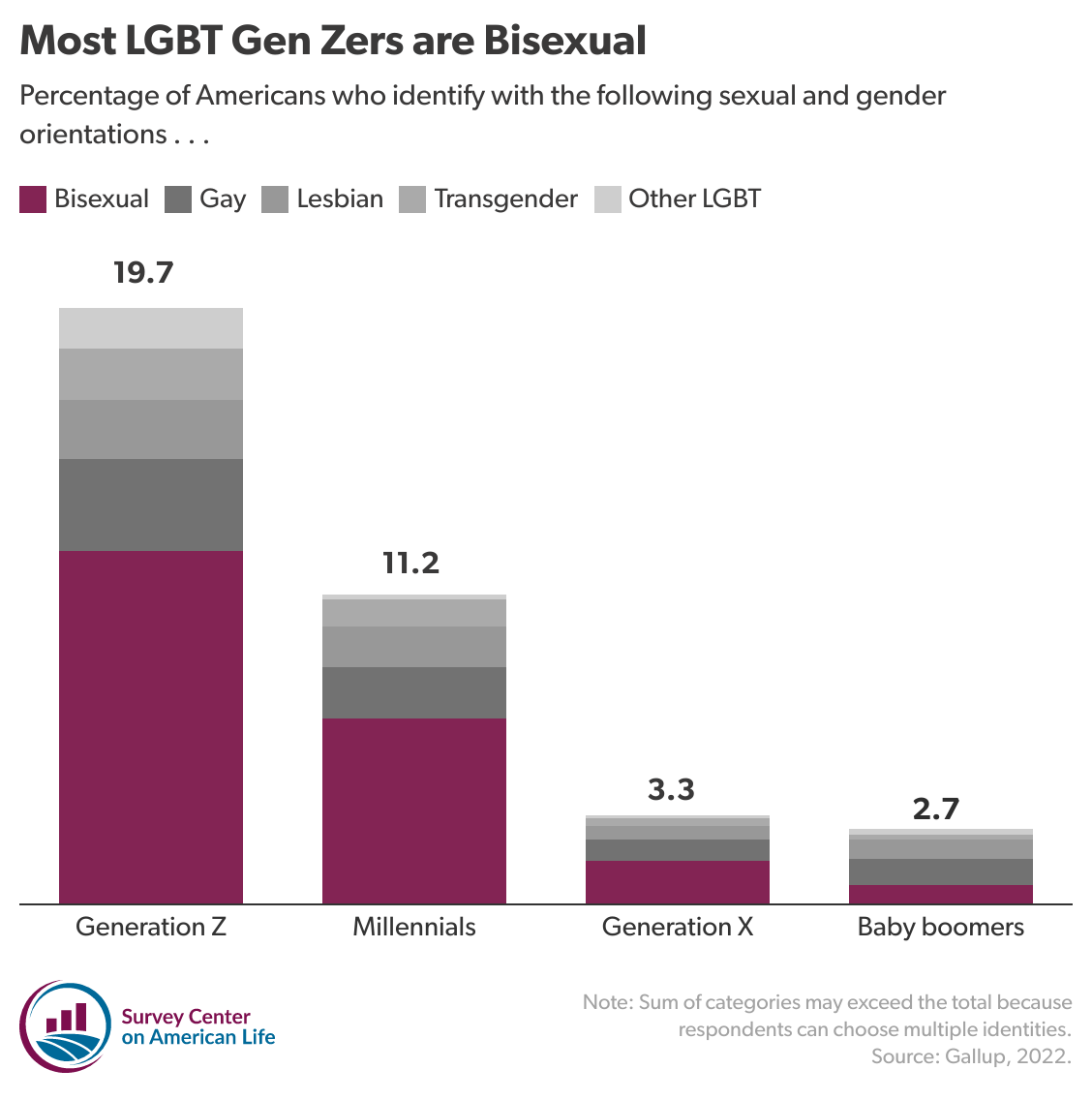
It is crucial to acknowledge that the percentage of people identifying as bisexual can be influenced by several factors. These include:
- Survey Methodology: How questions about sexual orientation are framed significantly impacts responses. Surveys that offer a wider range of identity options or explore attraction rather than solely identity tend to report higher percentages of bisexual individuals.
- Age and Cohort Effects: Younger generations, often more open about their identities, may report higher rates of bisexuality compared to older generations. This suggests a potential increase in self-identification over time.
- Cultural Context: Societal acceptance and understanding of bisexuality vary globally. In cultures where bisexuality is more openly discussed and accepted, individuals may feel more comfortable identifying as such.
- Definition of Bisexuality: As mentioned earlier, different studies may use slightly different definitions, which can lead to variations in reported numbers.
For brands, understanding these nuances is key to moving beyond raw numbers and appreciating the complexities of identity within their target markets.
Strategic Implications for Brand Building and Marketing
The demographic data surrounding bisexuality has profound implications for how brands approach their communication, product development, and overall identity. Acknowledging and embracing this diversity can lead to stronger customer loyalty and a more robust brand reputation.
Crafting Inclusive Marketing Campaigns
For brands, the data on bisexuality underscores the imperative to move beyond stereotypical representations or the binary of heterosexual versus homosexual. Inclusive marketing means ensuring that advertising, content, and brand messaging reflect the reality that attraction is diverse. This can involve:
- Diverse Representation: Featuring individuals who openly identify as bisexual in campaigns, not as tokens, but as integral characters or protagonists. This demonstrates a genuine understanding and acceptance of the community.
- Language and Imagery: Using inclusive language and imagery that acknowledges attraction to multiple genders. This might involve avoiding assumptions about a person’s partner based on their gender or showcasing relationships that reflect bisexual experiences.
- Targeted Outreach: Understanding that bisexual individuals are a significant consumer group means developing targeted marketing strategies that speak to their unique needs, desires, and values. This could involve partnerships with bisexual advocacy groups or sponsoring events that resonate with the bisexual community.
Building Brand Authenticity and Trust
In today’s consumer landscape, authenticity is a powerful currency. Brands that demonstrate a genuine commitment to diversity and inclusion, rather than simply engaging in performative allyship, build deeper trust and loyalty. For brands that understand the percentage of people who are bisexual, this means:
- Internal Policies and Culture: Ensuring that internal company policies and culture are inclusive of bisexual employees. This extends beyond marketing and signals a genuine commitment to diversity at all levels.
- Product and Service Development: Considering how products and services can be made more accessible and appealing to bisexual individuals. This might involve ensuring that customer-facing interfaces, support systems, and product offerings are designed with a diverse user base in mind.
- Consistent Messaging: Maintaining a consistent message of inclusivity across all brand touchpoints, from social media to customer service. Inconsistencies can quickly erode trust and signal a lack of genuine commitment.

The Economic and Social Impact of Bisexual Visibility
The economic and social impact of embracing bisexual visibility cannot be overstated. As more brands recognize and cater to this demographic, they not only tap into a substantial market but also contribute to a more inclusive society. This can lead to:
- Increased Market Share: By connecting with a previously underserved or misunderstood demographic, brands can expand their market reach and attract new customer segments.
- Enhanced Brand Reputation: Companies known for their inclusivity and authentic representation are often viewed more favorably by consumers, leading to positive word-of-mouth and a stronger brand image.
- Societal Progress: Increased visibility and positive representation in media and marketing can help to break down stigma and foster greater understanding and acceptance of bisexuality in broader society.
For brands looking to thrive in an increasingly diverse and conscious world, understanding the statistical reality of bisexuality is not just a matter of demographic awareness; it’s a strategic imperative for building meaningful connections and lasting success. By moving beyond assumptions and embracing the full spectrum of human identity, brands can unlock new avenues for growth and contribute to a more equitable future.
aViewFromTheCave is a participant in the Amazon Services LLC Associates Program, an affiliate advertising program designed to provide a means for sites to earn advertising fees by advertising and linking to Amazon.com. Amazon, the Amazon logo, AmazonSupply, and the AmazonSupply logo are trademarks of Amazon.com, Inc. or its affiliates. As an Amazon Associate we earn affiliate commissions from qualifying purchases.