
Marriage, an institution deeply embedded in human culture, signifies partnership, commitment, and shared futures. Yet, it also represents a significant financial union, intertwining assets, debts, incomes, and long-term financial plans. When this union dissolves through divorce, the emotional and social ramifications are profound. However, often overlooked in public discourse are the equally significant and complex financial consequences that accompany the dissolution of a marriage. While global divorce statistics vary wildly and are challenging to pin down precisely due to differing legal systems, cultural norms, and data collection methods across countries, the financial implications of marriage and divorce remain a universal concern for individuals, couples, and financial planners alike. This article delves into the financial intricacies surrounding marital dissolution, exploring not just the global landscape of divorce rates, but more critically, the profound economic impacts it leaves on individuals and families, and the vital role of proactive financial planning.
The Global Snapshot: Divorce Rates and Their Economic Resonance
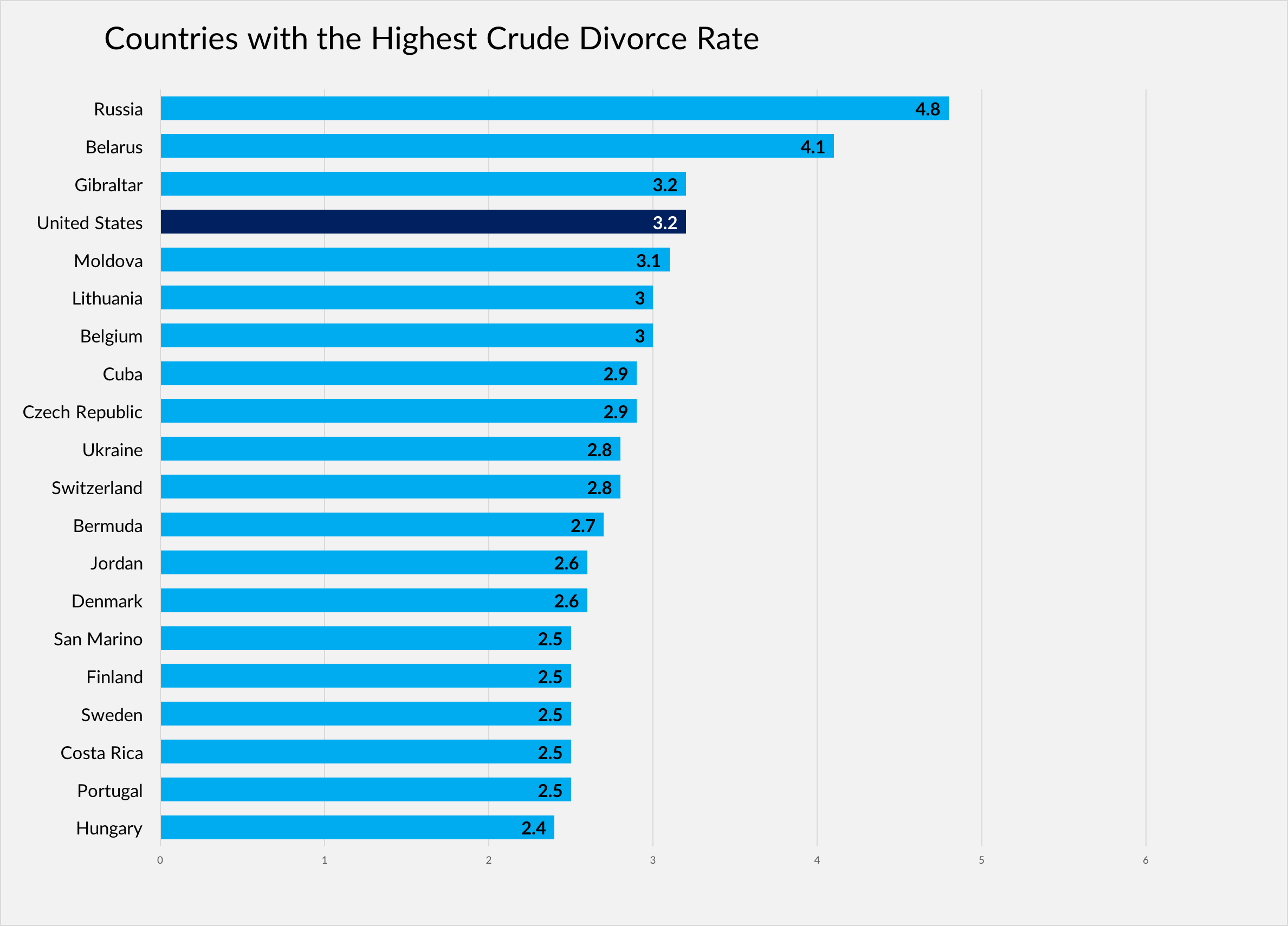
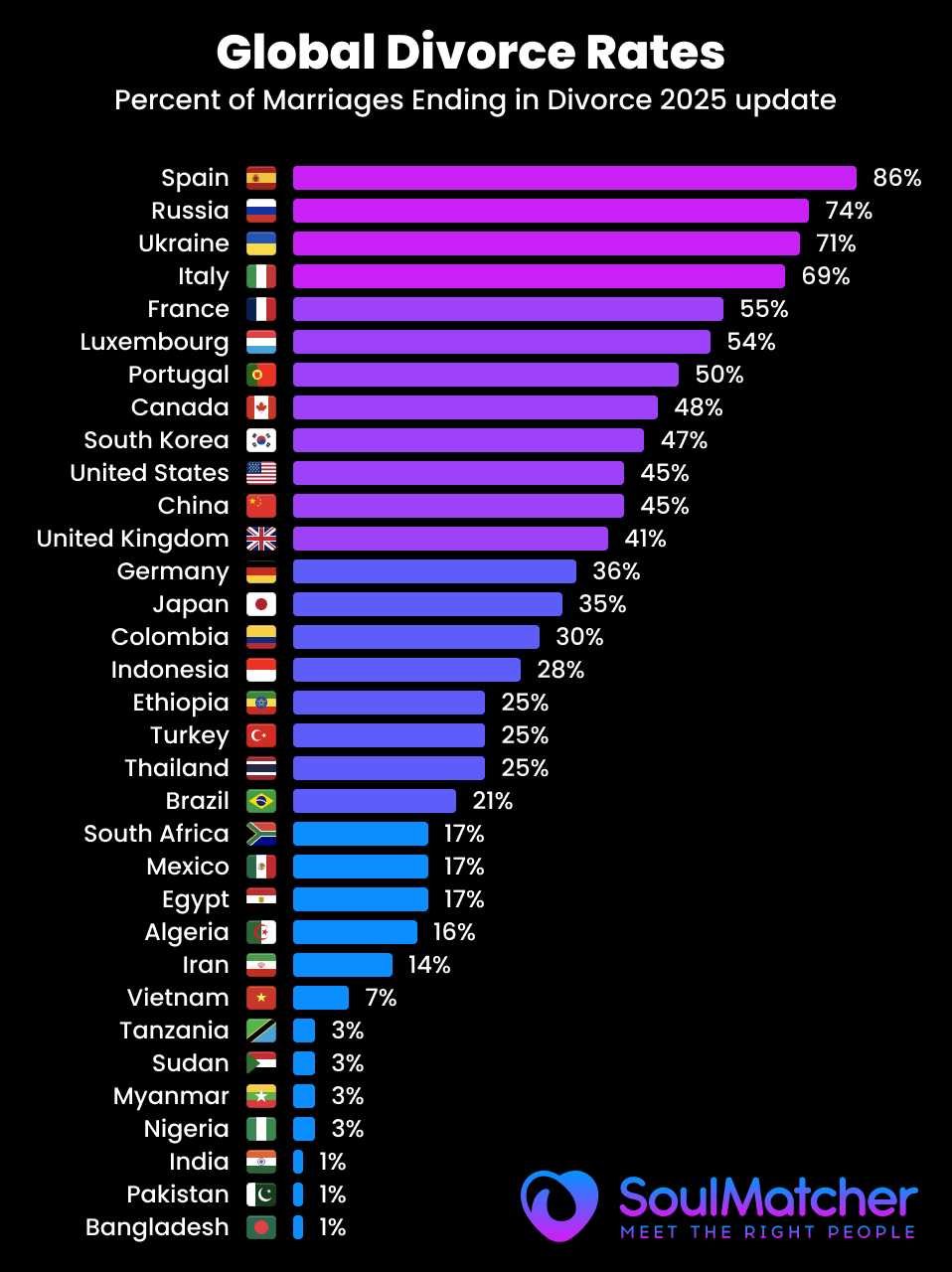
Understanding the percentage of marriages ending in divorce worldwide is less about a single, definitive number and more about appreciating the diverse statistical realities and their underlying economic currents. While often cited figures might suggest rates ranging from 30% to over 50% in various developed nations, these numbers are snapshots that often fluctuate and hide a multitude of factors. For instance, some statistics measure the percentage of marriages that will end in divorce over a lifetime, while others reflect annual divorce rates per 1,000 existing marriages or per 1,000 people. Regardless of the exact methodology, the pervasive nature of divorce means that its financial shadow looms large for many.
Interpreting Global Divorce Statistics
Accurately quantifying a worldwide divorce rate is inherently complex. Different countries have varying legal definitions of marriage and divorce, differing social attitudes, religious influences, and vastly different economic structures, all of which impact marital stability. Nations like Spain and Portugal, for example, saw significant increases in divorce rates after liberalizing their divorce laws, illustrating how legal frameworks can influence statistics. Conversely, countries with strong religious or cultural prohibitions against divorce, or those where women have limited financial independence, may exhibit lower official rates, not necessarily indicating stronger marriages but rather fewer options for marital dissolution. What is consistently clear, however, is that a substantial proportion of marriages, globally, do not endure, leading to a ripple effect across personal and national economies.
Economic Indicators and Marital Stability
Economic prosperity and stability often correlate with marital trends. During times of economic recession or high unemployment, some studies suggest a temporary decrease in divorce filings, primarily because couples may be unable to afford the costs associated with divorce (e.g., legal fees, separate living arrangements). However, prolonged financial stress is also a significant contributor to marital discord and eventual dissolution. Income disparities within a marriage, significant debt burdens, job loss, or poor financial management can erode the foundation of a relationship, making it more susceptible to breakdown. Conversely, economic growth can sometimes empower individuals, particularly women, to pursue divorce if they are in an unhappy marriage, knowing they have the financial means to support themselves independently. Thus, the broader economic climate plays a critical, if sometimes counterintuitive, role in shaping the landscape of marital stability and divorce rates.
The Cost of a Broken Union: Initial Financial Impacts
The immediate financial impact of divorce is often substantial. Legal fees can quickly accumulate, with retainers and hourly rates for attorneys, mediators, and potentially forensic accountants forming a considerable outlay. Beyond legal costs, there are practical expenses associated with establishing separate households, such as security deposits for new rentals, moving costs, purchasing new furniture, and setting up utilities. If one spouse moves out of the marital home, they often incur additional living expenses while still contributing to the upkeep of the former marital residence. This initial phase of separation and divorce is financially taxing, often requiring couples to dip into savings, take on new debt, or liquidate assets, highlighting the urgent need for robust financial planning even before a marriage encounters difficulties.
Unpacking the Financial Implications of Divorce
The financial fallout from a divorce extends far beyond the initial legal and logistical costs. It fundamentally reshapes the financial future of both individuals involved, affecting everything from daily budgeting to long-term retirement planning. Understanding these ramifications is crucial for anyone navigating the complexities of marital dissolution.
Asset Division and Debt Allocation
One of the most contentious and complex aspects of divorce is the division of marital assets and liabilities. Assets can range from tangible items like real estate (the marital home, vacation properties), vehicles, and personal belongings, to intangible assets such as investment portfolios, retirement accounts (401(k)s, IRAs, pensions), stock options, and even business ownership interests. Debts, too, must be meticulously divided, including mortgages, credit card balances, car loans, student loans, and other forms of joint debt. Jurisdictions generally follow one of two principles: community property or equitable distribution. Community property states typically divide all assets and debts acquired during the marriage equally (50/50). Equitable distribution states, conversely, aim for a fair, but not necessarily equal, division, taking into account various factors like each spouse’s income, earning capacity, health, and contribution to the marriage. Navigating this process often requires detailed financial disclosure, valuation of assets, and negotiation, potentially involving forensic accountants to uncover hidden assets or income.
Alimony and Spousal Support: Financial Recalibration
Alimony, also known as spousal support or maintenance, is financial assistance paid by one spouse to the other after divorce. Its primary purpose is to help the receiving spouse maintain a similar standard of living to that enjoyed during the marriage, or to provide temporary support while they become self-sufficient. Alimony can take various forms: temporary (during the divorce proceedings), rehabilitative (for a set period to allow the recipient to acquire skills or education), or permanent (less common today, typically for long-term marriages where one spouse has significantly sacrificed their career). The determination of alimony involves factors such as the length of the marriage, the income and earning capacity of both spouses, the standard of living during the marriage, and the financial needs of each party. It represents a significant ongoing financial commitment for the paying spouse and a crucial income stream for the receiving spouse, directly impacting their respective budgets and financial planning for years to come.
Child Support and Future Financial Planning
For divorcing couples with children, child support becomes a paramount financial consideration. This is a regular payment made by the non-custodial parent to the custodial parent to contribute to the child’s upbringing expenses. Child support calculations are typically governed by state-specific guidelines, taking into account factors like both parents’ incomes, the number of children, and the amount of time each parent spends with the children. Beyond basic child support, there are often additional considerations for shared expenses such as healthcare (insurance premiums, unreimbursed medical costs), childcare, extracurricular activities, and future educational expenses (college funds). These obligations are not merely short-term payments; they shape the long-term financial plans of both parents, influencing their ability to save, invest, and meet their own retirement goals, while ensuring the children’s needs are met.
Retirement and Investment Accounts: A Major Financial Hit
The division of retirement accounts and investment portfolios is often one of the most financially impactful aspects of divorce. Retirement savings accumulated during the marriage are typically considered marital property, regardless of whose name the account is in. Dividing a 401(k), pension, or other qualified retirement plan usually requires a Qualified Domestic Relations Order (QDRO), a special court order that instructs the plan administrator on how to distribute funds to the non-employee spouse without incurring immediate tax penalties. However, even with a QDRO, the division of these assets can significantly reduce the retirement nest egg of both parties, potentially delaying retirement plans or necessitating a complete overhaul of long-term financial strategies. Similarly, investment portfolios must be valued and divided, sometimes requiring the sale of assets and incurring capital gains taxes, further eroding the overall wealth.
Pre-Marital Financial Planning: Proactive Steps for Marital Resilience
Given the significant financial ramifications of divorce, proactive financial planning before and during marriage is not merely advisable but essential. A robust financial foundation can not only cushion the blow of a potential marital dissolution but also strengthen the marriage itself by reducing financial stress and fostering transparency.
The Importance of Financial Transparency
Open and honest communication about finances is the bedrock of any healthy financial partnership, married or otherwise. Before marriage, prospective spouses should openly discuss their incomes, debts, assets, credit scores, spending habits, financial goals, and attitudes towards money. Understanding each other’s financial history and future aspirations can prevent misunderstandings and conflict down the line. During marriage, this transparency should continue through regular financial check-ins, joint budget reviews, and shared decision-making regarding major financial expenditures or investments. Lack of financial transparency, hidden debts, or undisclosed spending habits are frequent sources of marital strife and can significantly complicate a divorce, should it occur.
Pre-Nuptial and Post-Nuptial Agreements: Financial Safeguards
Pre-nuptial agreements (pre-nups) and post-nuptial agreements (post-nups) are powerful tools for financial planning within a marriage. A pre-nup is signed before marriage, outlining how assets and debts will be divided and whether spousal support will be paid in the event of divorce or death. A post-nup serves the same purpose but is signed after the marriage has already taken place. While often perceived as unromantic or indicative of a lack of trust, these agreements are, in essence, detailed financial plans. They provide clarity, reduce uncertainty, and can significantly streamline the divorce process by pre-determining contentious financial issues. For individuals with significant pre-marital assets, business interests, or children from previous relationships, these agreements offer vital protection and peace of mind, allowing couples to focus on building their relationship without the looming specter of unpredictable financial conflict.
Joint vs. Separate Accounts: Managing Financial Interdependence
Deciding whether to combine finances through joint accounts or maintain separate accounts is a critical financial decision for married couples. Many couples opt for a hybrid approach: a joint account for shared household expenses and individual accounts for personal spending. Each approach has its merits and drawbacks. Joint accounts foster a sense of shared responsibility and unity but can lead to disputes over spending and make asset division more complex during a divorce. Separate accounts offer greater financial autonomy and simplify the process of disentangling finances if the marriage ends but can sometimes diminish the sense of shared financial partnership. The key is to choose a strategy that aligns with both partners’ comfort levels and financial philosophies, ensuring clear communication and mutual agreement on how money is managed, saved, and invested, whether individually or jointly.
Estate Planning and Beneficiary Designations
Marriage profoundly impacts estate planning. Spouses typically become primary beneficiaries on life insurance policies, retirement accounts, and wills. However, in the event of a divorce, it is critically important to revisit and update all estate planning documents. Failure to update beneficiary designations on life insurance or retirement accounts can result in an ex-spouse inheriting assets, even if the divorce decree states otherwise. Similarly, wills and trusts need to be revised to reflect new intentions regarding asset distribution and guardianship of children. This step is often overlooked during the emotional turmoil of divorce but has significant financial and legal ramifications, ensuring that assets are distributed according to current wishes and minimizing potential future legal disputes for heirs.
Post-Divorce Financial Recovery and Rebuilding
Divorce presents a unique challenge: not just surviving the immediate financial upheaval, but actively rebuilding a stable and secure financial future from scratch. This phase requires discipline, strategic planning, and often, professional guidance to navigate the new financial landscape.
Crafting a New Budget and Financial Plan
The first and most critical step in post-divorce financial recovery is creating a realistic new budget. Income streams may have changed significantly due to alimony, child support, or a sudden reduction in household income. Expenses also shift; new housing costs, single-person utility bills, and potentially higher insurance premiums must be accounted for. This budget should prioritize essential living expenses, debt repayment, and new savings goals. Simultaneously, a comprehensive financial plan needs to be developed, outlining short-term liquidity needs, medium-term debt reduction strategies, and long-term investment and retirement goals. This process is about regaining control and establishing a clear roadmap for financial independence.
Re-establishing Credit and Financial Independence
For many, divorce means re-establishing individual credit and financial identity. If credit accounts were primarily joint, or if one spouse was the primary account holder, the other may find their credit history less robust. It’s crucial to obtain personal credit cards, loans, or lines of credit to build an individual credit score. Closing joint accounts, especially credit cards, is advisable to prevent an ex-spouse’s spending from impacting one’s own credit. If there was significant joint debt, ensuring that it is either paid off or formally re-allocated to individual names as per the divorce decree is paramount. This re-establishment of credit is fundamental to securing future financial stability, from qualifying for a mortgage to obtaining favorable interest rates on loans.
Seeking Professional Financial Guidance
Navigating the complexities of post-divorce finances is often overwhelming, making professional guidance invaluable. Divorce financial planners specialize in understanding the financial nuances of marital dissolution, helping individuals make informed decisions regarding asset division, tax implications, and future planning. Certified Financial Planners (CFPs) can assist in crafting new budgets, setting realistic financial goals, and developing investment strategies. Legal professionals, particularly those specializing in family law, are essential for ensuring that divorce decrees are legally sound and that all financial agreements are properly executed. A team of experts can provide the necessary support and expertise to ensure a smooth transition and a solid foundation for financial recovery.

Long-Term Investment Strategies and Retirement Planning
One of the most significant long-term impacts of divorce is on retirement savings. With a potentially reduced nest egg, individuals must re-evaluate their investment strategies and retirement timelines. This may involve increasing contributions to retirement accounts, exploring new investment avenues, or adjusting lifestyle expectations for retirement. It’s also an opportune time to diversify portfolios, reassess risk tolerance, and consider new long-term financial goals, such as saving for a child’s college education as a single parent or purchasing a new home. Proactive and aggressive long-term planning, coupled with disciplined savings, is crucial to rebuild and secure a comfortable financial future.
Divorce is a multifaceted event with profound emotional, social, and, as explored here, undeniable financial consequences. While pinpointing a precise global divorce rate remains an elusive task, the financial realities of marital dissolution are universally impactful. From the initial costs of legal separation to the intricate division of assets and debts, the establishment of support payments, and the long-term imperative of rebuilding individual financial stability, every stage of divorce carries a significant economic weight. Understanding these financial dimensions, engaging in proactive pre-marital financial planning, and seeking expert guidance during and after divorce are not just prudent steps—they are essential safeguards for navigating the complexities of modern relationships and securing one’s financial future, regardless of marital status.
aViewFromTheCave is a participant in the Amazon Services LLC Associates Program, an affiliate advertising program designed to provide a means for sites to earn advertising fees by advertising and linking to Amazon.com. Amazon, the Amazon logo, AmazonSupply, and the AmazonSupply logo are trademarks of Amazon.com, Inc. or its affiliates. As an Amazon Associate we earn affiliate commissions from qualifying purchases.