
Humidity, the amount of water vapor in the air, is an often-overlooked environmental factor that profoundly impacts our comfort, health, property, and even our digital lives. While we all intuitively understand the discomfort of a “humid” day, pinpointing exactly what percentage constitutes “high” humidity is crucial for maintaining optimal indoor environments, protecting assets, and even influencing personal and corporate branding. This comprehensive guide delves into the nuances of relative humidity, its thresholds for becoming problematic, and how modern technology, sound financial decisions, and strategic branding can help us manage it effectively.
Understanding Relative Humidity: The Baseline
To define what percentage of humidity is high, we first need to understand the concept of relative humidity (RH). RH is the ratio of the current absolute humidity to the highest possible absolute humidity at the same temperature. Essentially, it tells us how “saturated” the air is with water vapor. A 50% RH means the air holds half the maximum amount of moisture it can at that temperature. The critical aspect of RH is its dependence on temperature: colder air can hold less moisture than warmer air. This is why a cold winter day at 50% RH might feel dry, while a warm summer day at 50% RH feels comfortable, but 80% RH on a warm day feels oppressive.

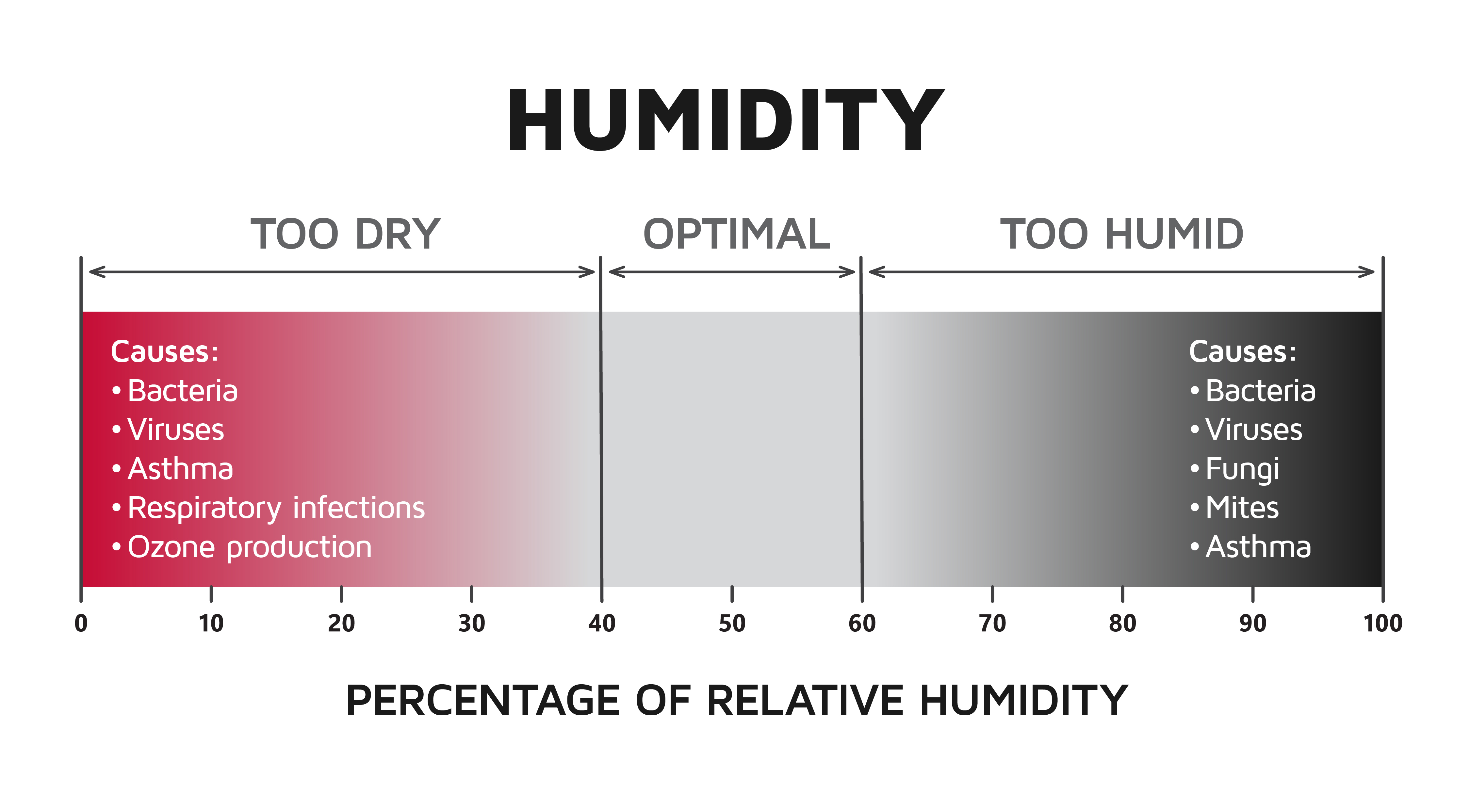
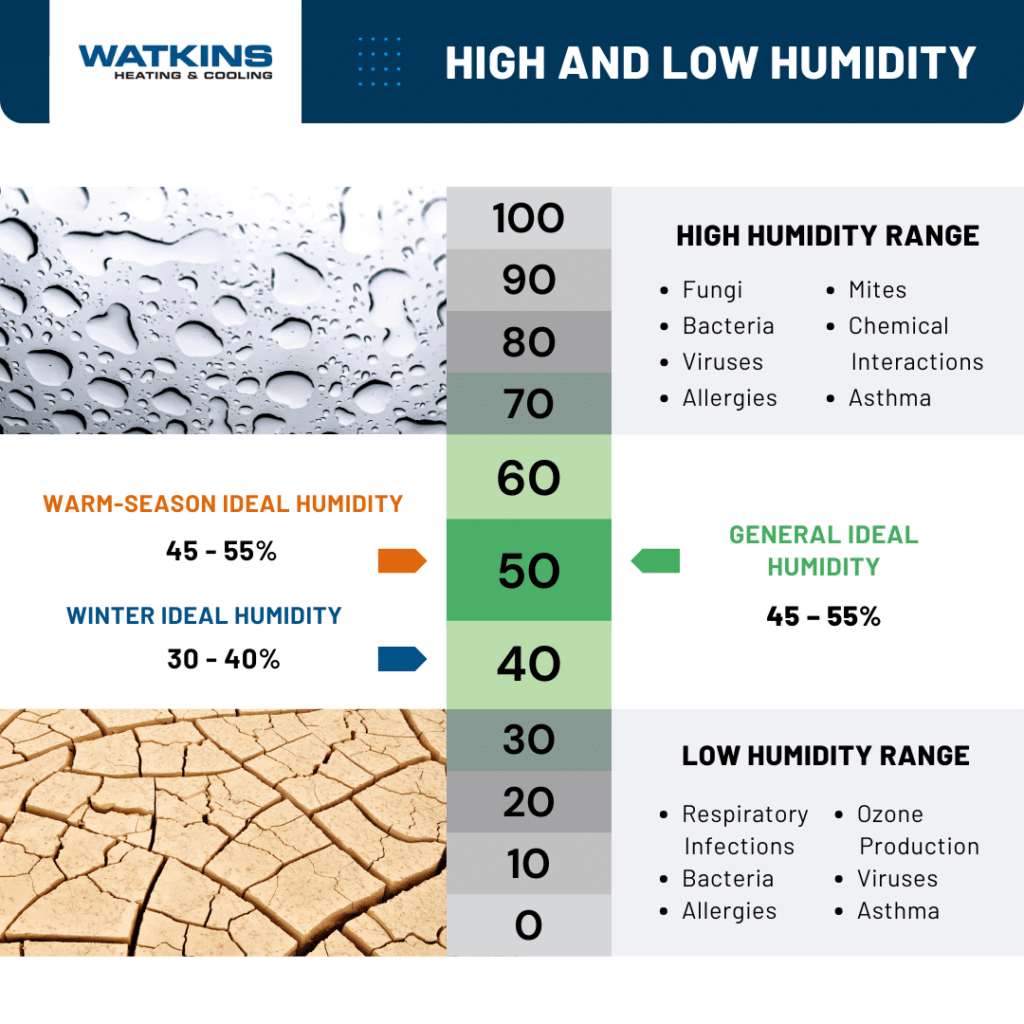
Generally, for human comfort and health in indoor environments, an ideal relative humidity range is between 30% and 50%, with some experts extending the comfortable upper limit to 60%. Below 30%, air can feel excessively dry, leading to irritated skin, dry nasal passages, and static electricity. Above 60%, problems begin to emerge, accelerating significantly as RH climbs past this threshold.
Several factors influence RH, both indoors and outdoors. Outdoors, geographical location, proximity to large bodies of water, vegetation, and prevailing weather patterns play significant roles. Indoors, factors like external weather, ventilation, human activity (showering, cooking), laundry drying, and the operation of heating/cooling systems all contribute. With the advent of smart home technology, understanding and monitoring these fluctuations has become more accessible. Basic humidity sensors, often integrated into smart thermostats or standalone gadgets, can provide real-time data, while weather apps on our smartphones can predict outdoor conditions, helping us anticipate indoor humidity challenges.
When Humidity Becomes “High”: Thresholds and Impacts
The term “high humidity” isn’t a single, fixed number but rather a spectrum where increasing percentages lead to escalating problems. Generally, when indoor relative humidity consistently exceeds 60%, it crosses the threshold into the problematic zone. As it approaches and surpasses 70-80%, the issues become severe and immediate.
Health and Comfort Implications (The Personal Impact)
One of the most immediate and noticeable effects of high humidity is on personal comfort. When the air is saturated with moisture, sweat evaporates less efficiently from our skin, making us feel sticky, clammy, and much hotter than the actual temperature suggests. This discomfort directly impacts our ability to concentrate, our mood, and overall well-being.
Beyond discomfort, sustained high humidity poses significant health risks. It creates an ideal breeding ground for allergens such as dust mites, which thrive in environments with RH above 50%. More concerning is the proliferation of mold and mildew. Mold spores are ubiquitous, but they only germinate and grow in the presence of moisture. Once established, mold can release spores, mycotoxins, and volatile organic compounds (VOCs) into the air, triggering allergic reactions, asthma attacks, respiratory problems, headaches, and other health issues in susceptible individuals. For those concerned with personal branding, chronic discomfort or health issues stemming from high humidity can undermine confidence and professional presentation, affecting everything from clarity of thought during a presentation to the appearance of skin and hair.
Structural and Property Risks (The Financial & Asset Impact)
The insidious nature of high humidity extends beyond personal well-being to the very fabric of our homes and businesses, leading to considerable financial implications. A consistently humid environment acts as a slow but relentless destroyer of property.
- Mold and Mildew Growth: This is perhaps the most visible and costly problem. Mold can spread rapidly across walls, ceilings, carpets, furniture, and clothing, causing staining, musty odors, and structural degradation. Remediation is expensive and often requires professional intervention.
- Damage to Wood: Wooden structures, flooring, furniture, and cabinetry are highly susceptible to moisture. High humidity can cause wood to swell, warp, crack, and eventually rot, compromising structural integrity and aesthetic appeal.
- Corrosion of Electronics and Metal: Moisture accelerates the corrosion of metals, leading to rust on appliances, tools, and fixtures. More critically, it can damage sensitive electronics, causing short circuits, component failure, and reducing the lifespan of computers, TVs, and other gadgets. This presents a direct digital security risk, as damaged hardware can lead to data loss or system malfunctions.
- Pest Infestations: Many common household pests, such as cockroaches, silverfish, and termites, are attracted to damp environments, further exacerbating property damage and hygiene concerns.
The cumulative effect of these issues can significantly diminish a property’s value, lead to hefty repair bills, and increase maintenance costs. For homeowners, understanding and managing humidity is a critical aspect of personal finance and asset protection.
Business and Productivity Challenges (The Corporate & Economic Impact)
For businesses, particularly those operating in specific industries, high humidity can translate directly into operational inefficiencies and financial losses. In offices and commercial spaces, employee discomfort due to muggy conditions leads to decreased morale, reduced concentration, and lower productivity. Studies consistently show a correlation between indoor environmental quality and employee performance.
Furthermore, certain businesses have critical requirements for humidity control. Data centers, for example, must maintain precise humidity levels (typically 40-55% RH) to prevent static electricity (at low humidity) and corrosion or condensation (at high humidity) that could destroy expensive server equipment. Manufacturing facilities, storage warehouses for sensitive goods (e.g., pharmaceuticals, electronics, food products, art), and even retail spaces can suffer significant financial losses due to damaged inventory, spoiled products, or compromised equipment caused by excessive moisture.
From a corporate identity and brand reputation standpoint, a business that provides a consistently comfortable and healthy environment for its employees and customers projects a positive image. Conversely, a perpetually stuffy, mold-ridden, or uncomfortable workspace can deter talent, alienate clients, and undermine brand trust. Managing humidity effectively is therefore an integral part of business finance and strategic facility management.
Leveraging Technology for Optimal Humidity Control
The challenges posed by high humidity can be effectively mitigated through strategic application of tech, from smart home gadgets to sophisticated monitoring systems.
Smart Home Solutions and Gadgets
The rise of the Internet of Things (IoT) has brought unprecedented control over our indoor environments. Smart thermostats, often equipped with integrated humidity sensors, can not only control temperature but also intelligently manage whole-house humidifiers or dehumidifiers. These devices can be programmed to maintain a specific RH range, automatically adjusting based on real-time data and even external weather forecasts. Connected humidifiers and dehumidifiers, controllable via smartphone apps, allow users to monitor and adjust levels remotely, receive alerts, and schedule operations, leading to both comfort and energy efficiency.
Beyond integrated systems, a plethora of standalone gadgets exists. Portable dehumidifiers are essential for specific problem areas like basements, bathrooms, or laundry rooms. Advanced models offer features like automatic shut-off, continuous drainage options, and quiet operation. The integration of AI tools in these systems is also emerging, allowing devices to “learn” user preferences and environmental patterns, optimizing energy consumption while maintaining ideal humidity. For example, an AI-powered system might anticipate a spike in humidity after a shower and proactively activate a fan or dehumidifier.
Digital Monitoring and Data Insights
Beyond active control, continuous monitoring provides invaluable insights. Affordable IoT sensors can be placed in various rooms, attics, basements, or even specific storage units (like a wine cellar or an electronics storage room) to track humidity and temperature over time. The data collected by these sensors can be aggregated and visualized through dedicated apps or smart home dashboards. This allows users to identify problem areas, understand seasonal trends, and detect potential issues before they escalate into costly repairs.
This data-driven approach is a prime example of how software and AI tools are transforming environmental management. Long-term data analysis can help identify structural issues leading to excessive moisture, such as leaks or poor insulation, allowing for targeted and effective solutions. For businesses, comprehensive monitoring systems provide critical data for maintaining optimal conditions in server rooms, laboratories, or storage facilities, preventing catastrophic equipment failures or product damage.
Security and Maintenance in a Humid Environment
The digital security of our devices extends beyond cyber threats to physical environmental factors. High humidity poses a direct threat to electronics, leading to condensation, corrosion, and short circuits. Proper humidity control, therefore, becomes an integral part of protecting our digital assets and ensuring the longevity of our expensive gadgets and computing infrastructure. This includes ensuring adequate ventilation, using dehumidifiers where necessary, and storing sensitive electronics in controlled environments.
Furthermore, maintaining HVAC systems is paramount. Regular cleaning of filters, inspection of ducts for mold growth, and professional servicing ensure that these systems operate efficiently and don’t inadvertently contribute to humidity problems. Investing in energy-efficient systems and smart controls is not just about comfort; it’s a strategic move for long-term savings and property preservation.
The Financial and Brand Value of Humidity Management
Understanding “what percentage of humidity is high” isn’t merely an academic exercise; it’s a foundation for making smart money and brand decisions. Proactive humidity management yields tangible returns, both economically and reputationally.
Financial Returns: Savings, Health, and Property Value
Investing in effective humidity control solutions, whether through smart home technology or professional services, offers significant financial benefits. Firstly, by preventing mold growth and structural damage, homeowners can avoid expensive remediation and repair costs, preserving their property’s value. From an investing perspective, a well-maintained home with optimal indoor air quality is a more attractive asset, potentially commanding a higher resale value.
Secondly, improved indoor air quality leads to better health outcomes. Reduced allergens and mold mean fewer allergy attacks, less respiratory distress, and potentially lower medical expenses related to chronic conditions. This contributes directly to personal finance by reducing unforeseen health costs and increasing overall well-being, which in turn can boost productivity and earning potential. Efficient humidity control systems can also lead to reduced energy bills. By making the air feel cooler (due to efficient sweat evaporation), one might rely less on aggressive air conditioning, thereby saving on electricity.
For those pursuing online income or side hustles, the expertise in indoor air quality, smart home installations, or mold remediation can even become a lucrative service offering.
Branding Your Environment: Comfort, Productivity, and Reputation
The environment we inhabit, whether personal or professional, is an extension of our brand. For individuals, a comfortable and healthy living space contributes to well-being, focus, and overall quality of life. This indirectly enhances personal branding by supporting a productive and healthy lifestyle, which radiates confidence and capability.
For businesses, maintaining an optimally controlled environment is a critical aspect of corporate identity and reputation. A workplace that prioritizes employee comfort and health, free from oppressive humidity and allergens, fosters higher morale, reduces sick days, and attracts top talent. This signals a company that cares about its people, enhancing its employer brand. For customer-facing businesses, a pleasant and comfortable environment directly impacts client satisfaction and perception. A musty-smelling office or a retail store where customers feel sticky and uncomfortable can severely damage a brand’s marketing efforts and leave a lasting negative impression. Investing in superior environmental design and climate control systems becomes a strategic marketing tool, communicating professionalism and care.
Conclusion
The question “what percentage of humidity is high” finds its answer in the threshold of 60% relative humidity for indoor environments, with problems escalating significantly thereafter. This seemingly simple atmospheric measurement carries profound implications for our health, the longevity of our homes and electronics, and the productivity of our businesses. By understanding these thresholds and leveraging the power of modern tech – from smart sensors and AI-driven control systems to comprehensive digital monitoring – we can proactively manage indoor humidity. This proactive approach translates directly into sound financial decisions, safeguarding personal assets, reducing health costs, and optimizing energy consumption. Ultimately, controlling humidity isn’t just about comfort; it’s a strategic investment that enhances our well-being, protects our property, and reinforces a positive brand image, whether personal or corporate, ensuring a healthier, more productive, and more secure future.
aViewFromTheCave is a participant in the Amazon Services LLC Associates Program, an affiliate advertising program designed to provide a means for sites to earn advertising fees by advertising and linking to Amazon.com. Amazon, the Amazon logo, AmazonSupply, and the AmazonSupply logo are trademarks of Amazon.com, Inc. or its affiliates. As an Amazon Associate we earn affiliate commissions from qualifying purchases.