
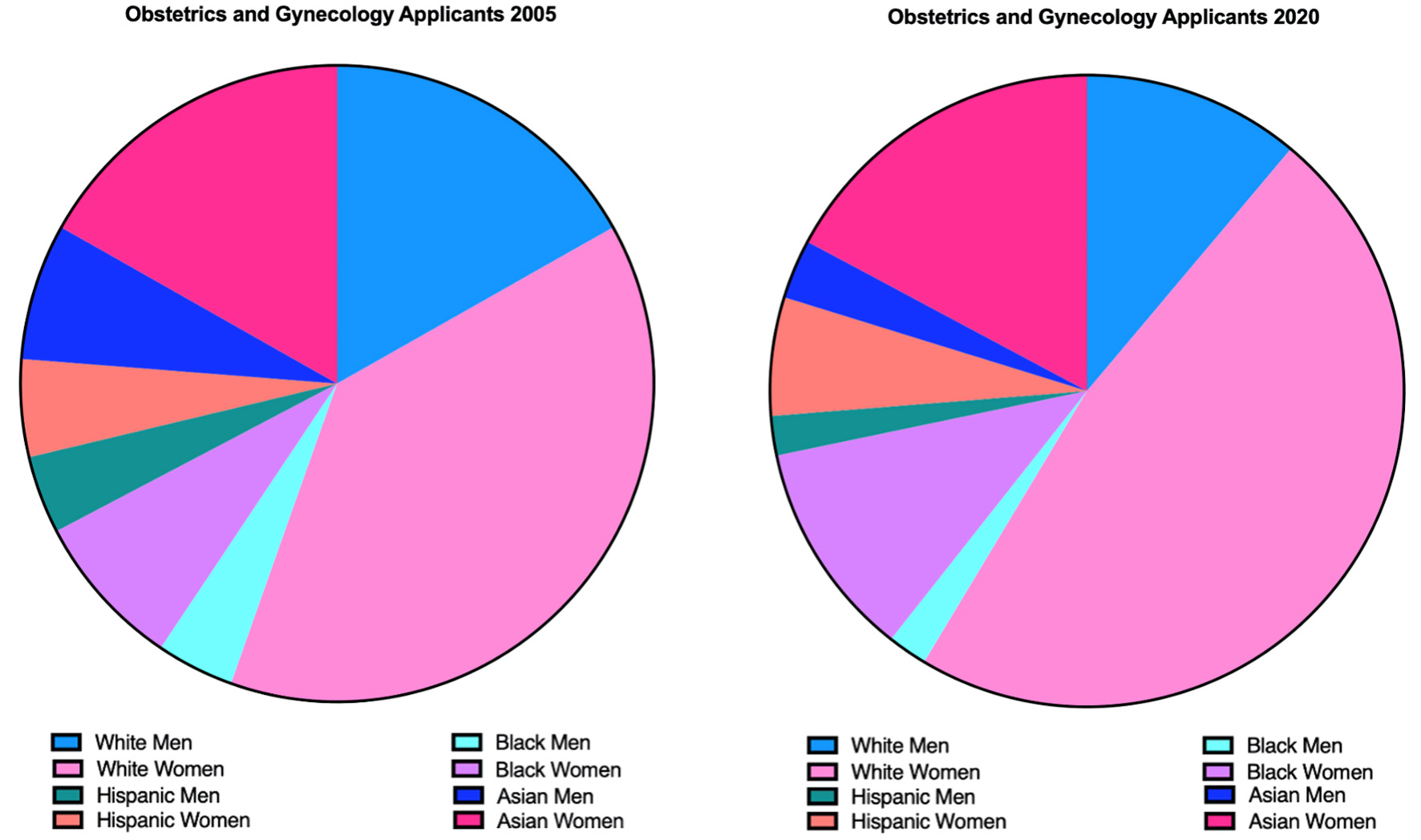
The field of Obstetrics and Gynecology (OB/GYN) is currently undergoing one of the most dramatic demographic shifts in the history of specialized medicine. Once a field dominated almost exclusively by men, the specialty has seen a rapid transformation. Today, according to data from the American Board of Obstetrics and Gynecology, while approximately 40% of all practicing gynecologists are male, that number is dropping precipitously among younger cohorts. In current residency programs, the percentage of male OB/GYNs often hovers between 15% and 18%.
From a business and financial perspective, this shift is not merely a matter of social representation; it represents a significant disruption in the healthcare labor market, practice valuation models, and long-term investment strategies for medical groups. Understanding the “why” behind these numbers requires an analytical look at the economic forces of patient preference, the narrowing gender pay gap within the specialty, and the evolving business models of women’s health clinics.

The Labor Market Shift: Supply, Demand, and the Residency Pipeline
The financial health of any medical specialty is dictated by the pipeline of new professionals entering the field. In the case of gynecology, the shrinking percentage of male practitioners is a direct result of market signaling and recruitment trends that have financial consequences for hospital systems and private equity investors.
The Recruitment Cost of Gender Imbalance
As the percentage of male medical students choosing OB/GYN declines, competition for female candidates has intensified. For large healthcare organizations, this creates a recruitment challenge. If a specific geographic market shows a strong consumer preference for female providers, the “cost per hire” for a female OB/GYN increases. Sign-on bonuses, relocation packages, and competitive salary negotiations are increasingly skewed by the scarcity of female practitioners in high-demand areas.
Impact on Residency Funding and Future Labor Costs
Residency programs are the engine of the medical economy. When a specialty becomes overwhelmingly dominated by one gender, it can lead to “occupational crowding,” which historically affects wage growth. However, in OB/GYN, the high demand for services has kept compensation robust. The financial risk lies in the potential for a labor shortage. If the pool of applicants becomes too narrow (i.e., if men stop applying entirely), the total supply of gynecologists may fail to meet the rising demand of an aging population, driving up labor costs for hospitals and potentially leading to service deserts.
The Economics of Patient Preference and Practice Revenue
One of the primary drivers of the demographic shift is the “market vote”—the financial impact of patient choice. In the business of healthcare, patient acquisition and retention are the two most critical metrics for a profitable practice.
Patient Acquisition and the “Female-Led” Brand Premium
Marketing data suggests that a significant majority of women prefer female gynecologists for their primary obstetric and gynecological care. From a business finance perspective, this preference dictates the “brand value” of a medical practice. Practices that are 100% female-led often see lower marketing costs because they align naturally with consumer demand. Conversely, male-led practices or those with a high percentage of male practitioners may need to spend more on “trust-building” marketing and brand positioning to maintain a steady patient volume.
Volume vs. Value: Procedural Revenue Trends
Interestingly, historical financial data has often shown that male gynecologists, on average, have higher gross billings than their female counterparts. This is frequently attributed to a higher volume of surgical procedures and a traditional focus on gynecologic surgery rather than long-term obstetric care. However, as the industry moves toward “value-based care” models, the financial advantage is shifting. Female practitioners often score higher on patient satisfaction surveys—a metric that is increasingly tied to insurance reimbursement rates. Therefore, the long-term revenue stability of a practice may now favor the communication-heavy approach often associated with the modern female-led clinical model.
Income Disparities and the Business of Work-Life Balance
The financial narrative of the male-to-female shift in gynecology cannot be told without addressing the gender pay gap and the evolving definition of “full-time” employment in the medical field.
Addressing the Gender Pay Gap in OB/GYN
Despite the field becoming majority-female, a pay gap persists. Male gynecologists often earn more due to factors like seniority (as the older cohort is predominantly male) and a higher propensity to work in high-revenue sub-specialties like Urogynecology or Gynecologic Oncology. From a corporate finance standpoint, as more men retire and the workforce becomes younger and more female, the specialty is seeing a “reset” in compensation structures. Employers are increasingly forced to standardize pay scales to remain transparent and avoid litigation, which is slowly narrowing the gap but also changing the overhead projections for medical groups.
The Financial Cost of Productivity Models
The “Money” aspect of gynecology is also being reshaped by the “work-life balance” movement. Data suggests that younger practitioners—both male and female, but predominantly female—are prioritizing flexible schedules and burnout prevention over the “volume-at-all-costs” model of previous generations. This has led to the rise of the “Laborist” model, where doctors are paid for shifts rather than per-delivery. While this increases the payroll expense for hospitals (as they need more doctors to cover the same number of hours), it creates a more sustainable financial model by reducing the high costs associated with physician burnout and turnover.
The Business of Specialized Care: Investment and Future Outlook
The changing face of gynecology has caught the attention of private equity firms and healthcare investors. The transition of the field into a female-dominated space is being viewed as an opportunity for specialized “FemTech” and boutique healthcare investments.
Private Equity and the Consolidation of Women’s Health
In the last decade, there has been a massive influx of private equity money into women’s health practices. Investors are betting on the “lifetime value” of a female patient. Because women are often the primary healthcare decision-makers for their families, a gynecological practice is seen as a “gateway” to the broader healthcare economy. Investors are specifically targeting practices that have successfully navigated the gender transition, recognizing that a practice with a diverse, predominantly female staff is a more “future-proof” asset in the current market.
The “Male Niche” in a Female-Dominated Market
As the percentage of male gynecologists continues to drop, those who remain are finding a unique financial niche. Some male practitioners are pivoting toward highly technical surgical roles where patient preference for gender is less pronounced compared to primary obstetric care. Financially, this specialization allows male gynecologists to maintain high earning potential while operating in a market that is increasingly segregated by service type. For a business owner, the “perfect” financial mix in a large OB/GYN group often involves a diverse team that can capture the widest possible patient demographic.

Conclusion: The Bottom Line on Demographic Shifts
The fact that the percentage of male gynecologists is currently around 40% and falling is a clear indicator of a market in transition. For stakeholders in the healthcare economy—ranging from hospital CFOs to individual practitioners—the financial implications are clear.
The decline of the male gynecologist is not just a social trend; it is a response to consumer demand that is reshaping the labor market. While this shift introduces challenges, such as the need for more aggressive recruitment and a re-evaluation of productivity models, it also opens doors for more sustainable, patient-centric business models. As the specialty approaches a future where it may be 80% or 90% female, the focus will remain on how to balance the high costs of specialized medical education with the evolving revenue streams of modern women’s healthcare.
Ultimately, the most successful practices—and the most profitable ones—will be those that understand these demographic shifts not as a hurdle, but as a roadmap for where the capital in healthcare is flowing. Whether it is through the adoption of shift-based labor or the branding of “all-female” clinics, the money in OB/GYN is following the path of the patient, and currently, that path is leading toward a new era of gender-specialized medicine.
aViewFromTheCave is a participant in the Amazon Services LLC Associates Program, an affiliate advertising program designed to provide a means for sites to earn advertising fees by advertising and linking to Amazon.com. Amazon, the Amazon logo, AmazonSupply, and the AmazonSupply logo are trademarks of Amazon.com, Inc. or its affiliates. As an Amazon Associate we earn affiliate commissions from qualifying purchases.