
The United States’ defense spending is a perennial topic of discussion, often evoking strong opinions and significant debate. Understanding the proportion of the nation’s Gross Domestic Product (GDP) allocated to defense is crucial for grasping the scale of its military apparatus, its implications for the national budget, and its impact on the global geopolitical landscape. While the exact percentage fluctuates annually, and its definition can be nuanced, a consistent examination of this metric reveals significant trends and underlying factors. This analysis delves into the historical context, current figures, and the multifaceted considerations surrounding US defense spending as a percentage of GDP.
Historical Trends and the Evolution of Defense Spending
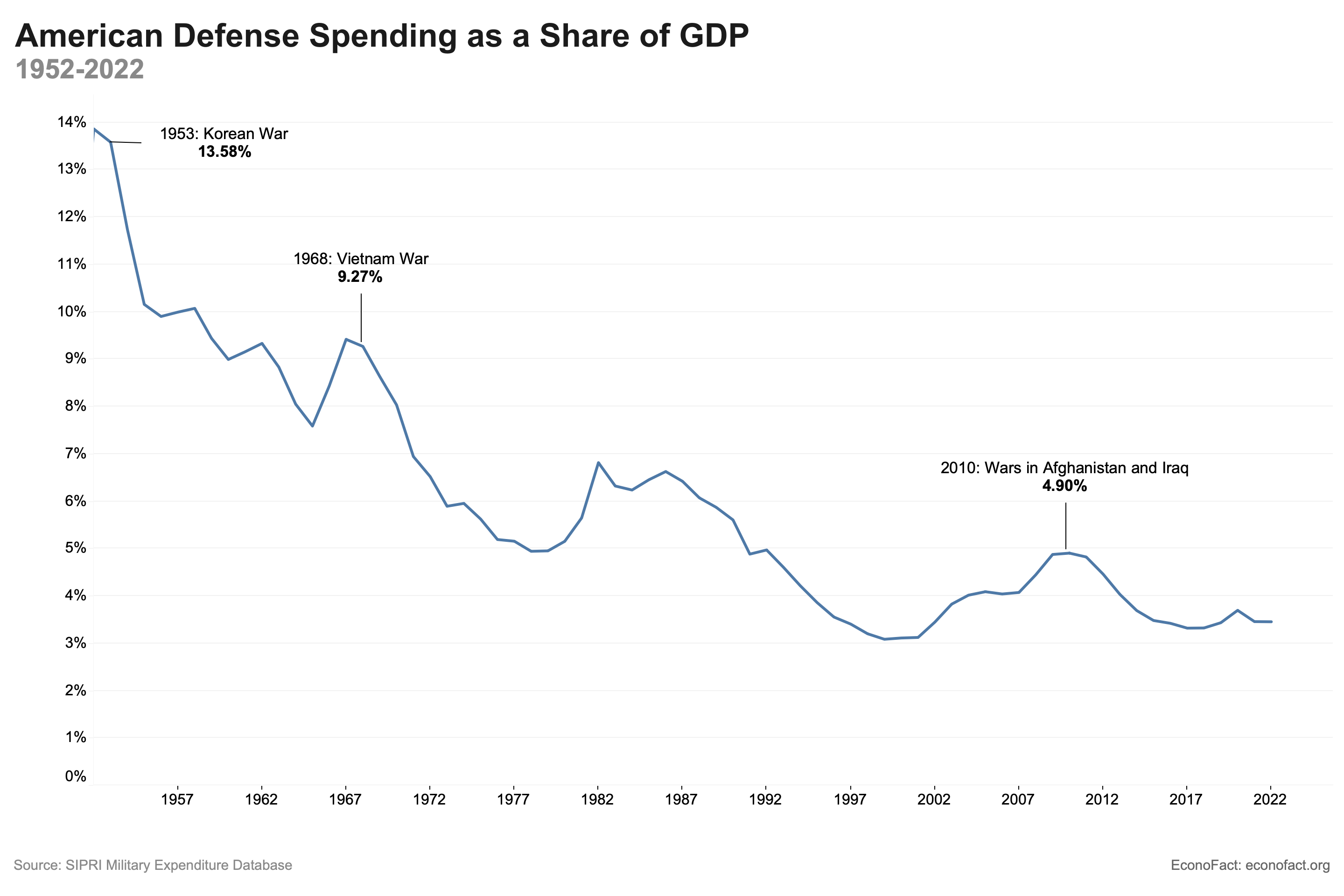
US defense spending as a percentage of GDP has experienced dramatic shifts throughout history, largely driven by geopolitical events and evolving national security doctrines. These shifts offer valuable insights into how economic capacity and perceived threats influence budgetary priorities.
The Cold War Era: A Sustained High
During the Cold War, the existential threat posed by the Soviet Union necessitated a sustained high level of defense investment. From the late 1940s through the 1980s, defense spending often constituted a significant portion of the US GDP, frequently exceeding 10% during periods of heightened tension. This era saw the development of advanced military technologies, a massive standing army, and a global network of alliances and military bases, all of which required substantial financial commitment. The arms race, both in conventional and nuclear weaponry, was a primary driver of this elevated spending. This period established the framework for a powerful and technologically advanced military, the legacy of which continues to influence present-day defense budgets. The sheer scale of this investment, relative to the economic output of the time, underscores the perceived imperative of maintaining military parity and deterring aggression on a global scale.
Post-Cold War Adjustments and the “Peace Dividend”
The dissolution of the Soviet Union in the early 1990s ushered in a period often referred to as the “peace dividend.” As the primary existential threat waned, there was a palpable expectation and subsequent movement towards reducing defense expenditures. For a significant portion of the 1990s, US defense spending as a percentage of GDP saw a marked decline. This reduction was driven by a desire to reallocate resources to domestic priorities, reduce the national debt, and capitalize on the perceived end of large-scale, state-sponsored conflict. However, this period of reduced spending was not absolute, as regional conflicts and evolving security challenges, such as the rise of asymmetric warfare and terrorism, began to shape new defense requirements.
The Post-9/11 Era: A Resurgence in Spending
The September 11, 2001, terrorist attacks fundamentally reshaped US national security priorities and, consequently, its defense spending. The subsequent wars in Afghanistan and Iraq, along with broader global counter-terrorism efforts, led to a significant increase in defense budgets. While the percentage of GDP dedicated to defense did not reach the peaks of the Cold War, it experienced a substantial rise from its post-Cold War lows. This surge was fueled by the operational tempo of ongoing conflicts, the procurement of new equipment and technologies suited for these engagements, and the expansion of military operations across various theaters. The focus shifted from large-scale conventional deterrence to counter-insurgency, intelligence gathering, and the projection of force in complex, unconventional environments.
Current Defense Spending as a Percentage of GDP
Determining the precise percentage of US GDP spent on defense requires careful consideration of what is included in the “defense budget.” This can range from the Department of Defense’s core budget to broader national security initiatives, including certain intelligence agencies and veterans’ benefits, depending on the analysis. However, generally accepted figures provide a clear picture of the current allocation.
The Department of Defense Budget
The most direct measure of defense spending is the annual budget allocated to the Department of Defense (DoD). For fiscal year 2023, the enacted DoD budget was approximately $858 billion. When compared to the projected US GDP for that year, which hovered around $27 trillion, this figure represents roughly 3.1% of GDP. This percentage is considered moderate in historical context, falling below the Cold War highs but above the low points of the 1990s. The composition of this budget includes personnel costs, operations and maintenance, procurement of new weapon systems, research and development, and infrastructure. The allocation within these categories reflects current strategic priorities, such as modernizing the nuclear triad, investing in emerging technologies like artificial intelligence and cyber warfare, and maintaining global presence.
Broader National Security Expenditures
A more comprehensive view of US security spending might include outlays beyond the DoD. This can encompass the Department of Energy’s nuclear weapons programs, certain intelligence agency budgets, and even expenditures related to veterans’ affairs, which are often seen as a consequence of military service. When these additional expenditures are factored in, the overall percentage of GDP dedicated to national security can be slightly higher, though it typically remains within a similar range. For example, some analyses might push the figure closer to 4% or slightly above when considering these broader categories. It’s important to note that the definition of “defense spending” can be fluid, and different organizations may use varying methodologies for their calculations, leading to slight discrepancies in reported percentages. The key takeaway remains that a substantial, though not historically unprecedented, portion of the US economy is dedicated to maintaining its defense capabilities and national security.

Factors Influencing US Defense Spending as a Percentage of GDP
Several interconnected factors influence the trajectory of US defense spending as a proportion of its GDP. These range from the global threat landscape to domestic economic conditions and political considerations.
Geopolitical Threats and Global Commitments
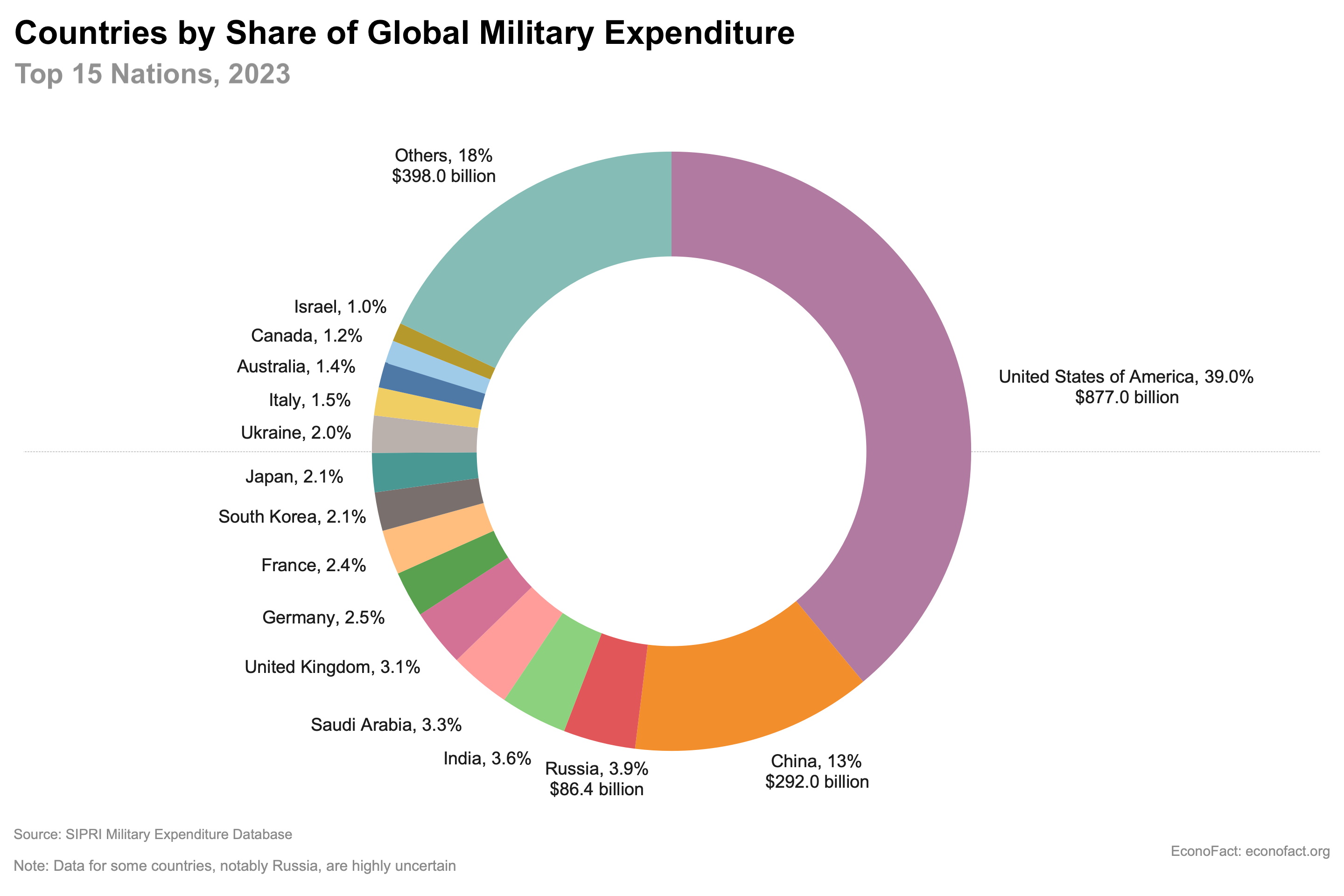
The primary driver of defense spending has always been the perceived level of external threats to national security. In the current global climate, this includes a resurgent Russia, the rising influence of China, ongoing instability in the Middle East, and the persistent threat of non-state actors and terrorism. The US maintains a global network of alliances and military commitments, requiring the projection of power and the maintenance of readiness across multiple regions. This global posture necessitates significant investment in personnel, advanced weaponry, intelligence capabilities, and logistical support, all of which contribute to the overall defense budget and its percentage of GDP. The perception of threat directly correlates with the political will to allocate resources towards defense.
Economic Conditions and Budgetary Priorities
The US economy’s overall health and growth rate play a crucial role in determining the absolute and relative size of the defense budget. A growing GDP can accommodate a larger defense budget in absolute terms without necessarily increasing the percentage of GDP allocated. Conversely, during economic downturns or periods of fiscal austerity, defense spending can face scrutiny and potential reductions to address budget deficits or fund domestic priorities. The competition for resources within the federal budget is intense, with defense vying for funds alongside healthcare, education, infrastructure, and social programs. Political ideologies and the prevailing economic philosophy of the administration in power significantly influence the balance of these budgetary priorities. For instance, administrations focused on deficit reduction might push for lower defense spending as a percentage of GDP, while those emphasizing global leadership and security might advocate for maintaining or increasing it.
Technological Advancements and Modernization Needs
The nature of modern warfare is increasingly driven by technological innovation. Maintaining a military edge requires continuous investment in research, development, and procurement of advanced systems. This includes platforms such as next-generation fighter jets, submarines, and naval vessels, as well as cutting-edge technologies in areas like artificial intelligence, cybersecurity, unmanned aerial vehicles (UAVs), and space-based assets. The cost of developing and deploying these sophisticated systems is substantial and contributes significantly to the defense budget. The drive to modernize and counter evolving threats from potential adversaries necessitates sustained, and often escalating, investment in these technological domains, impacting the percentage of GDP allocated to defense. The long lead times and high costs associated with acquiring new military hardware mean that these modernization programs can have a lasting impact on the defense budget for years to come.
The Economic and Societal Implications of Defense Spending
The significant allocation of national resources to defense has profound economic and societal implications, extending far beyond the immediate security benefits. Understanding these impacts is critical for a holistic view of defense spending.
Economic Impact: Stimulus vs. Opportunity Cost
Defense spending can act as a significant economic stimulus, creating jobs in manufacturing, research, and support services, and fostering technological innovation that can have spillover effects into the civilian economy. Military bases and installations are major employers in their respective regions. Furthermore, defense contracts drive innovation in sectors like aerospace, materials science, and computing. However, this spending also represents an opportunity cost. Resources allocated to defense cannot be used for other public goods such as education, healthcare, infrastructure, or renewable energy, which could also generate jobs and economic growth, potentially with different societal benefits. The debate often centers on whether defense spending is the most efficient way to achieve economic prosperity and national well-being compared to alternative investments.
Societal Impact: Global Role and Domestic Priorities
The level of defense spending directly influences the United States’ role on the global stage. A robust military budget supports its position as a superpower, enabling it to project influence, deter aggression, and respond to international crises. This has significant implications for global stability and the maintenance of international norms. Domestically, the allocation of a substantial portion of the federal budget to defense can impact the availability of funds for social programs, public services, and domestic infrastructure projects. This can lead to debates about national priorities and the balance between international security commitments and domestic needs. The perception of whether the nation is adequately addressing its citizens’ needs while maintaining its global security posture is a recurring theme in public discourse and political decision-making.
Conclusion: A Dynamic Balance of Security and Economy
In conclusion, the percentage of GDP the United States spends on defense is not a static figure but a dynamic reflection of its historical experiences, current geopolitical realities, economic health, and evolving national priorities. While the precise percentage fluctuates, generally hovering around 3-4% of GDP in recent years, this figure represents a substantial commitment of national resources. The Cold War era saw significantly higher allocations, while the post-9/11 period marked a resurgence after a period of reduction. Factors such as perceived threats, economic conditions, and the relentless pursuit of technological superiority in military capabilities all play a crucial role in shaping this crucial metric. The ongoing debate surrounding defense spending highlights the inherent tension between ensuring national security and investing in domestic well-being, underscoring the complex interplay between economic capacity and global responsibilities that defines the United States’ approach to defense. As the global landscape continues to evolve, so too will the considerations and calculations surrounding what percentage of GDP the US dedicates to its defense.
aViewFromTheCave is a participant in the Amazon Services LLC Associates Program, an affiliate advertising program designed to provide a means for sites to earn advertising fees by advertising and linking to Amazon.com. Amazon, the Amazon logo, AmazonSupply, and the AmazonSupply logo are trademarks of Amazon.com, Inc. or its affiliates. As an Amazon Associate we earn affiliate commissions from qualifying purchases.