
The question of “what percentage of Americans are criminals” is a complex one, fraught with definitional challenges and statistical nuances. It’s not as simple as counting individuals who have been convicted of a crime. The answer depends heavily on how we define “criminal,” the scope of our data collection, and the timeframe we’re considering. This article aims to unpack the various interpretations of this question, focusing on how technology and data analysis are increasingly being used to understand and potentially influence criminal behavior and its societal impact. We will explore the statistics, the limitations of those statistics, and the technological advancements that are reshaping our understanding of crime and its prevalence in American society.
The Elusive Definition: Who is a “Criminal”?
Before we can even begin to quantify, we must grapple with the fundamental question: what does it mean to be a “criminal”? This isn’t merely an academic exercise; the definition directly impacts the statistics we generate and the conclusions we draw.
Beyond Conviction: The Spectrum of Criminality
The most common and legally defined understanding of a “criminal” typically refers to someone who has been convicted of a crime. This involves a formal legal process, including arrest, charges, and a guilty verdict or plea. However, this definition is inherently narrow. It excludes:
- Individuals arrested but not convicted: Many people are arrested for alleged offenses but are later acquitted, have charges dropped, or enter diversion programs that lead to dismissal. While not legally convicted, they have been involved in the criminal justice system.
- Individuals who commit crimes but are never caught: The “dark figure of crime” is a well-known concept in criminology, representing offenses that go unreported or unsolved. This includes everything from petty theft to more serious offenses.
- Individuals convicted of lesser offenses: The severity of crimes varies greatly. Does a conviction for a minor traffic violation, like a speeding ticket that escalates to a criminal charge in some jurisdictions, place someone in the same category as someone convicted of a violent felony?
Technological Advancements in Defining and Identifying Criminal Behavior
While legal definitions remain paramount, technology is offering new ways to identify and analyze patterns associated with criminal behavior, often before formal charges are laid.
- Predictive Policing and Data Analytics: Law enforcement agencies are increasingly using sophisticated algorithms and vast datasets to predict where and when crimes are likely to occur. These systems analyze historical crime data, socioeconomic factors, and even real-time sensor information. While not defining individuals as “criminals,” they identify areas or situations with a higher probability of criminal activity, influencing policing strategies.
- Digital Forensics and Surveillance: The proliferation of digital devices and online activity has led to a surge in digital forensics. Investigations now routinely involve analyzing smartphones, computers, and internet activity. This can uncover evidence of criminal intent or past actions, even if no formal charges have been filed yet.
- Behavioral Analytics: In commercial and security contexts, behavioral analytics are used to detect anomalous patterns that might indicate fraudulent activity or malicious intent. While not directly applied to broad “criminal” populations, these techniques share a common methodological root with analyzing behavior for deviations from the norm.
Quantifying Crime: Statistics and Their Limitations
The raw numbers surrounding crime in America can be staggering, but they require careful interpretation. Official statistics, primarily gathered by organizations like the FBI and the Bureau of Justice Statistics (BJS), provide the most commonly cited figures.
The Official Record: Arrest and Incarceration Rates
- Arrest Data: The FBI’s Uniform Crime Reporting (UCR) Program collects data on arrests made by law enforcement agencies across the country. These reports provide the number of arrests for various offenses. However, as mentioned, an arrest does not equal a conviction.
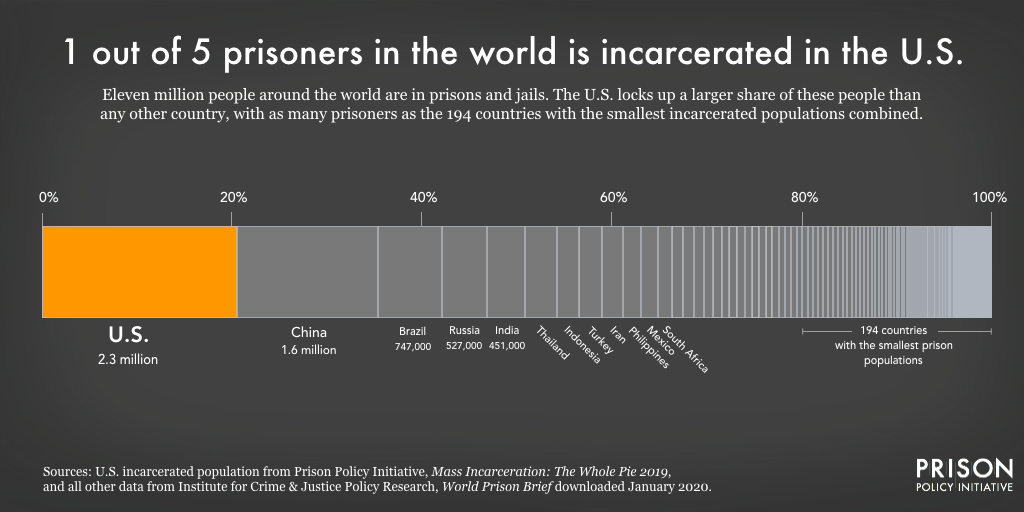
- Incarceration Rates: The U.S. has one of the highest incarceration rates in the world. This statistic refers to the number of individuals held in federal, state, and local correctional facilities. According to the BJS, as of recent data, millions of Americans are incarcerated. This number represents a significant portion of the population, but it reflects those who have been through the judicial process and received a sentence of imprisonment.
- Recidivism Rates: Technology plays a role in tracking and analyzing recidivism – the rate at which formerly incarcerated individuals reoffend. This data is crucial for understanding the effectiveness of rehabilitation programs and informing correctional policies. Predictive models are also being developed to identify individuals at higher risk of reoffending, enabling more targeted interventions.
The Unseen Majority: The Dark Figure of Crime
The limitations of official statistics are profound. The “dark figure of crime” is the iceberg beneath the visible tip of reported and prosecuted offenses.
- Underreporting: Many crimes, especially those involving sensitive issues like sexual assault or domestic violence, are significantly underreported due to fear, shame, or lack of trust in the system.
- Unsolved Crimes: Even when crimes are reported, many go unsolved, meaning perpetrators are never identified or brought to justice.
- Victimless Crimes: Debates exist about whether certain offenses, like drug possession or minor gambling, should even be criminalized. The statistics for these crimes can inflate the perceived “criminal” population.

Technology’s Role in Bridging the Gap (and Creating New Ones)
While technology helps gather more granular data on reported crimes, it also highlights the vastness of what remains unknown.
- Victimization Surveys: Surveys like the National Crime Victimization Survey (NCVS) attempt to capture crimes that were not reported to the police by asking individuals directly about their experiences as victims. This provides a broader picture than arrest or conviction data alone.
- Data Visualization and Trend Analysis: Advanced data visualization tools allow researchers and policymakers to identify trends, correlations, and patterns in crime data that might otherwise be missed. This can lead to more informed strategies for crime prevention and intervention.
- Ethical Considerations in Data Use: The increasing use of data to identify potential criminal activity raises significant ethical questions. Concerns about bias in algorithms, privacy violations, and the potential for over-policing certain communities are critical issues that technology companies and legal systems are grappling with.
The Socioeconomic and Demographic Dimensions of Criminality
The prevalence of criminal activity and its disproportionate impact are not evenly distributed across the American population. Technology has been instrumental in revealing and, in some cases, perpetuating these disparities.
Disparities in the Justice System
Statistics consistently show significant racial and socioeconomic disparities within the criminal justice system.
- Racial Profiling and Bias: While not always overt, systemic biases can influence policing, prosecution, and sentencing. Technology, through predictive policing algorithms, can inadvertently amplify these biases if the underlying data reflects historical inequities.
- Socioeconomic Factors: Poverty, lack of educational opportunities, and unemployment are often correlated with higher rates of certain types of crime. This correlation is not to say that poverty causes crime, but rather that individuals in disadvantaged circumstances may face more pressures and fewer opportunities, increasing their risk of involvement in the criminal justice system.
Technology’s Role in Revealing and Potentially Mitigating Disparities
- Algorithmic Fairness and Bias Detection: Researchers are developing tools to audit algorithms for fairness and to identify and mitigate biases that could lead to discriminatory outcomes in areas like sentencing recommendations or parole decisions.
- Data-Driven Social Programs: By analyzing data on crime and its underlying causes, policymakers can better target social programs designed to address issues like poverty, education, and job training, which can indirectly impact crime rates.
- Transparency and Accountability: Technology can be used to increase transparency in the justice system, for example, through the use of body cameras by law enforcement. Analyzing this footage can help identify instances of misconduct and hold officers accountable.
The Evolving Landscape: Technology’s Impact on Crime Prevention and Rehabilitation
The relationship between technology and crime is not static. As technology advances, so do our methods for preventing, detecting, and responding to criminal behavior, as well as our approaches to rehabilitation.
Innovations in Law Enforcement and Security
- Advanced Surveillance Technologies: Drones, facial recognition software, and sophisticated sensor networks are increasingly used for surveillance and crime prevention. These tools can help identify suspects, monitor criminal activity in real-time, and enhance public safety.
- Cybersecurity and Digital Investigations: The rise of cybercrime has necessitated a parallel evolution in cybersecurity technologies and digital investigation techniques. These are crucial for combating online fraud, data breaches, and other digital offenses.
- Forensic Science Advancements: DNA analysis, digital forensics, and other advanced forensic techniques have revolutionized criminal investigations, providing more accurate and irrefutable evidence.
The Role of Technology in Rehabilitation and Reintegration
- Online Educational and Vocational Training: For incarcerated individuals, technology offers access to online courses and vocational training programs, equipping them with skills for reintegration into the workforce upon release.
- Rehabilitation Apps and Platforms: A growing number of apps and online platforms are designed to support individuals undergoing rehabilitation, offering resources for mental health, addiction recovery, and job searching.
- Electronic Monitoring and Ankle Braces: While controversial, electronic monitoring technologies are used to supervise individuals on probation or parole, allowing them to remain in the community while still being accountable for their actions.

The Future of Crime and Technology
The question of “what percentage of Americans are criminals” will continue to be debated as our understanding of crime, and our ability to measure it, evolves. Technology is not a panacea; it presents both opportunities and challenges. As we move forward, a critical and ethical approach to data collection, analysis, and application will be essential to ensure that technological advancements serve to enhance justice and safety for all Americans, rather than exacerbate existing inequalities or infringe upon fundamental rights. The focus must remain on addressing the root causes of crime and fostering a society where fewer individuals are compelled to cross the line into criminal behavior.
aViewFromTheCave is a participant in the Amazon Services LLC Associates Program, an affiliate advertising program designed to provide a means for sites to earn advertising fees by advertising and linking to Amazon.com. Amazon, the Amazon logo, AmazonSupply, and the AmazonSupply logo are trademarks of Amazon.com, Inc. or its affiliates. As an Amazon Associate we earn affiliate commissions from qualifying purchases.