
Jeff Bezos, the visionary founder who transformed Amazon from an online bookstore into a global e-commerce and cloud computing behemoth, remains intricately linked with the company’s identity. His name is synonymous with its success, innovation, and relentless pursuit of customer satisfaction. However, a common misconception, often fueled by the scale of his wealth and Amazon’s omnipresence, is that Bezos still owns a commanding majority of the company. While his influence is undeniable and his wealth derived from Amazon shares is staggering, the reality of his direct ownership percentage has evolved significantly over time. Understanding this dynamic is crucial for grasping both Bezos’s financial standing and Amazon’s corporate governance.
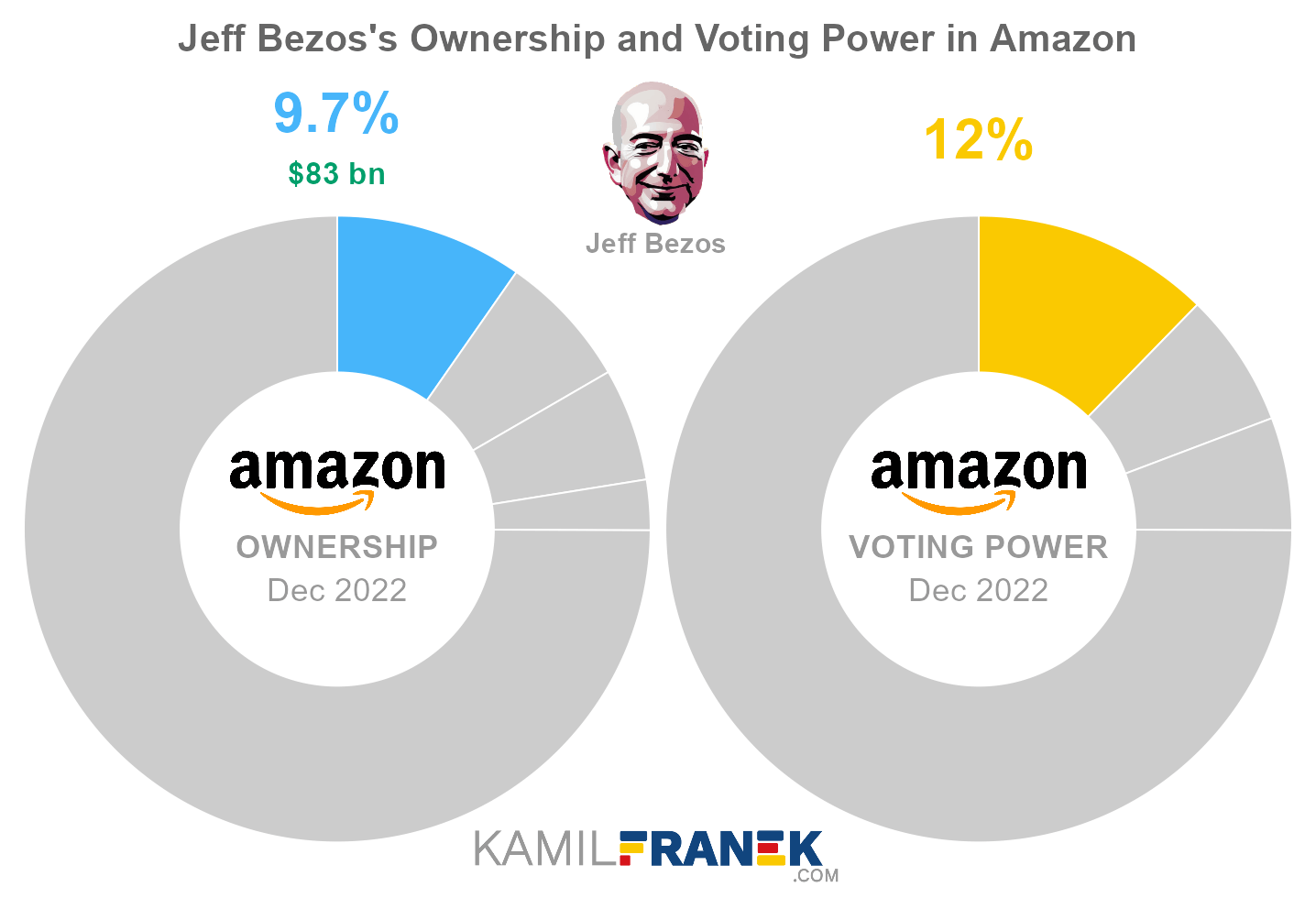
As of early 2024, Jeff Bezos owns approximately 9-10% of Amazon. While this figure might seem modest compared to the company’s early days, it represents an immense financial stake in one of the world’s most valuable corporations, cementing his position as one of the wealthiest individuals on the planet. This percentage, though significant, reflects a deliberate and gradual reduction from his initial near-complete ownership, influenced by various strategic decisions, personal life events, and philanthropic endeavors. Examining the trajectory of his ownership, the implications of his stake, and the broader context of founder control in public companies offers invaluable insights into the intersection of personal wealth, corporate power, and the financial markets.
The Shifting Sands of Ownership: Bezos’s Amazon Stake Over Time
The story of Jeff Bezos’s ownership percentage in Amazon is a narrative of growth, diversification, and strategic recalibration. From the nascent stages of an ambitious startup to its current status as a sprawling multinational corporation, his stake has continually adapted to the evolving demands of a public company and his personal financial objectives.
From Founder’s Dream to Public Giant
In 1994, when Jeff Bezos founded Amazon.com, he was the sole owner. As the company grew, it attracted angel investors and venture capital, diluting his initial 100% stake. The real transformation in ownership structure, however, came with Amazon’s Initial Public Offering (IPO) in May 1997. Going public allowed Amazon to raise substantial capital for expansion, but it also meant distributing ownership among a multitude of public shareholders. At the time of the IPO, Bezos still held a dominant position, owning roughly 42% of the company. This gave him unchallenged control over Amazon’s direction and strategy, a common scenario for founders taking their companies public. This substantial stake was not just a testament to his entrepreneurial spirit but also a powerful financial lever for guiding Amazon through its early, often tumultuous, growth phases.
Strategic Divestitures and Philanthropic Endeavors
Over the decades, Bezos’s ownership percentage has seen a steady, albeit gradual, decline. This reduction isn’t indicative of a loss of faith in Amazon, but rather a calculated series of actions for various purposes. One significant factor has been the periodic sale of Amazon shares to fund other ventures, most notably Blue Origin, his private aerospace company. Bezos has publicly stated that he liquidates approximately $1 billion worth of Amazon stock annually to finance Blue Origin’s ambitious projects, reflecting a deep personal commitment to space exploration.
Another major event that impacted his stake was his divorce from MacKenzie Scott (formerly MacKenzie Bezos) in 2019. As part of the settlement, MacKenzie Scott received approximately 4% of Amazon’s outstanding shares. This transaction significantly reduced Bezos’s total holdings, transferring a substantial portion of his wealth to his ex-wife, who has since become a prominent philanthropist. Beyond these large-scale events, minor sales for personal liquidity, tax obligations, and philanthropic donations have also contributed to the incremental decrease in his percentage.
Current Holdings: A Snapshot
Today, Jeff Bezos typically holds between 9% and 10% of Amazon’s outstanding shares. It’s important to note that this figure can fluctuate slightly due to ongoing, though often minor, transactions. While this percentage is a far cry from his initial majority stake, it still makes him Amazon’s single largest individual shareholder by a considerable margin. To put this into perspective, even a single-digit percentage of a company with a market capitalization often exceeding $1.5 trillion translates into a personal fortune running into hundreds of billions of dollars. His continued presence as Executive Chairman of Amazon’s board of directors further solidifies his influence, demonstrating that ownership percentage, while important, is only one facet of control and impact.
Decoding the Value: More Than Just a Percentage
While the percentage figure itself provides a quantitative measure of ownership, understanding its true value and implications requires delving deeper into market dynamics, corporate structure, and the power associated with such a significant stake. For investors and financial analysts, Bezos’s holdings are not merely a number but a powerful indicator of commitment, stability, and potential future direction.
Market Capitalization and Share Value
The sheer value of Bezos’s 9-10% stake is mind-boggling, fluctuating daily with Amazon’s stock price. Amazon is consistently one of the most highly valued companies globally, with its market capitalization (total value of all outstanding shares) often in the trillions of dollars. For example, if Amazon’s market cap is $1.8 trillion, a 9% stake is worth approximately $162 billion. This figure alone underscores why even a seemingly small percentage translates into unparalleled personal wealth. The growth in Amazon’s stock price over the decades has magnified the value of Bezos’s declining percentage, making him vastly wealthier today than when he owned a much larger share of a far smaller company. Investors often watch insider holdings closely, as large stakes by founders can signal confidence in the company’s long-term prospects.
Impact of Stock Splits and Dividends (or Lack Thereof)
Amazon has historically been known for not issuing cash dividends, preferring to reinvest its profits back into the business for growth. This strategy has aligned with Bezos’s long-term vision, focusing on maximizing shareholder value through capital appreciation rather than regular payouts. For large shareholders like Bezos, this means that the growth of his wealth is almost entirely tied to the appreciation of Amazon’s stock price.
Stock splits, such as the 20-for-1 split Amazon executed in 2022, also impact the number of shares held, but not the overall percentage of ownership or the total value of that stake. While Bezos now holds many more individual shares, his percentage of the company remains the same, and the pre-split value of his holdings is simply distributed across a larger number of lower-priced shares. Such splits are typically aimed at making shares more accessible to a broader base of individual investors, without altering the underlying fundamentals for major shareholders.
The Power of Voting Rights
Beyond the monetary value, Bezos’s substantial stake carries significant voting power. Each share of common stock typically represents one vote on corporate matters, including the election of directors, major corporate actions, and shareholder proposals. With approximately 9-10% of the voting shares, Bezos holds considerable sway in shareholder meetings. While he doesn’t own a majority, his block of votes, combined with his influence as Executive Chairman and founder, means he can significantly influence outcomes and direction, even against the wishes of other large institutional investors. This combination of substantial ownership, founder status, and a key leadership role grants him an unparalleled level of influence over Amazon’s strategic trajectory and corporate governance.
The Financial Implications of Bezos’s Remaining Stake
Bezos’s enduring stake in Amazon carries multifaceted financial implications, not just for his personal wealth but also for Amazon’s strategic direction and broader economic landscapes. It speaks volumes about the leverage and responsibility that come with being the largest individual shareholder of a global titan.
Personal Wealth and Diversification
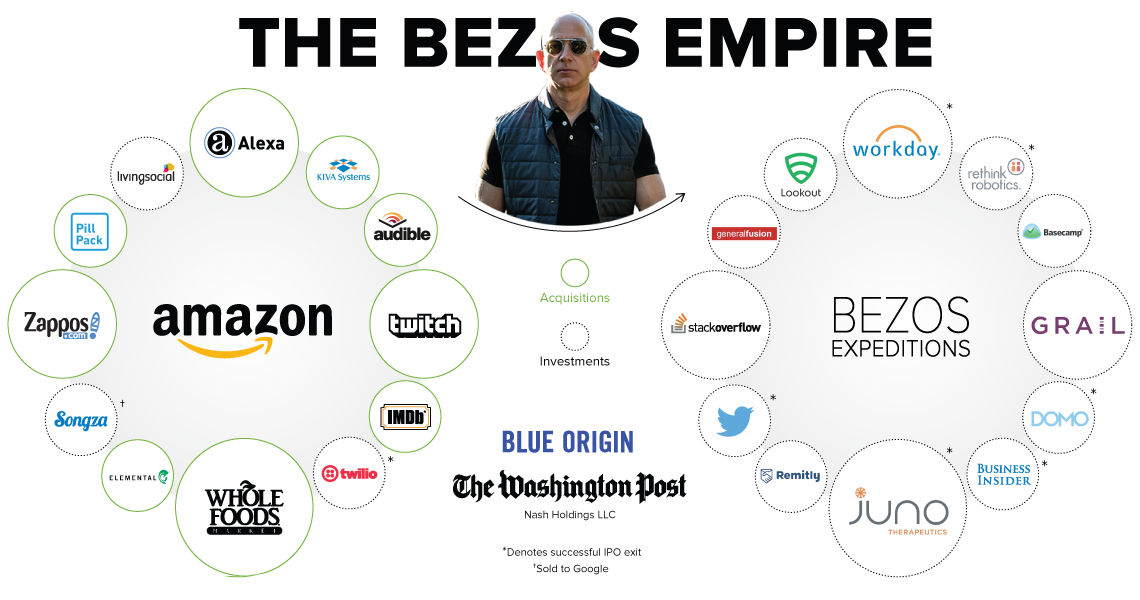
For Jeff Bezos, his Amazon shares remain the bedrock of his vast personal fortune. While he has diversified into other investments, real estate, and ventures like Blue Origin and The Washington Post, the vast majority of his wealth is still tied directly to Amazon’s stock performance. This concentration presents both immense opportunity and some level of risk, albeit mitigated by Amazon’s scale and stability. His periodic sales of stock are often seen as strategic moves to diversify his holdings and fund capital-intensive projects without liquidating too much of his core asset. Understanding this balance is key to comprehending the financial strategies of ultra-high-net-worth individuals.
Influence on Amazon’s Strategic Direction
Even after stepping down as CEO in 2021, Jeff Bezos’s role as Executive Chairman and largest individual shareholder ensures his continued, albeit indirect, influence on Amazon’s strategic direction. His vision and long-term perspective, which built Amazon, still permeate the company’s culture and decision-making processes. Investors often view his continued significant ownership as a vote of confidence and a stabilizing force, suggesting that the company will remain true to its foundational principles. While he no longer handles day-to-day operations, his presence on the board and his substantial voting power mean that major strategic shifts or acquisitions would likely require his tacit approval or outright support. This illustrates how significant founder stakes can embed long-term vision into corporate governance.
Philanthropy and Space Exploration Funding
A significant portion of Bezos’s Amazon share sales has been directed towards his ambitious philanthropic and personal endeavors. As mentioned, Blue Origin, his aerospace company, is largely self-funded through Amazon stock liquidations. This demonstrates how his stake directly fuels innovation beyond Amazon itself, contributing to the broader tech and space industries. Furthermore, Bezos has pledged billions through the Bezos Earth Fund to combat climate change, and other philanthropic initiatives, often funded by cashing out Amazon shares. This showcases how the value derived from his Amazon ownership is recycled into large-scale societal and scientific investments, shaping sectors well beyond e-commerce.
The Broader Context: Founder Ownership in Tech Giants
Jeff Bezos’s journey from majority owner to a significant, yet not controlling, shareholder is a common trajectory among founders of successful public tech companies. Examining his situation within this broader context provides valuable insights into corporate governance, leadership transitions, and the delicate balance between founder vision and shareholder democracy.
Comparing Bezos to Other Tech Moguls
When comparing Bezos to other tech founders, a pattern emerges. Founders like Mark Zuckerberg (Meta), Larry Page and Sergey Brin (Alphabet/Google), and Elon Musk (Tesla, SpaceX) have navigated similar paths, though their current ownership structures vary. Zuckerberg, for instance, maintains super-voting shares, granting him majority control over Meta despite owning a smaller percentage of equity. Page and Brin also utilize a dual-class share structure at Alphabet to retain significant control. Bezos, however, does not possess such super-voting shares in Amazon. His influence is derived from the sheer size of his regular common stock holdings, his founder status, and his ongoing role as Executive Chairman. This difference highlights varying philosophies on founder control post-IPO and the different mechanisms companies employ to empower their visionary leaders.
Why Founders Retain Significant Stakes
Founders like Bezos often retain substantial stakes in their companies for several compelling reasons. Firstly, it keeps their financial interests deeply aligned with the company’s long-term performance, encouraging decisions that prioritize sustained growth over short-term gains. Secondly, a large founder stake can act as a powerful signal of confidence to the market, reassuring investors about the company’s future. Thirdly, it preserves a degree of strategic control and vision. Even without a majority, a significant stake can fend off hostile takeovers and ensure that the company remains true to its original mission and values. For Bezos, his continued substantial ownership of Amazon underscores his enduring belief in the company he created and his desire to see its innovative spirit continue.
The Long-Term Vision vs. Short-Term Investor Pressure
The dynamic between a founder’s long-term vision and the short-term pressures from public investors is a recurring theme in corporate finance. Public companies are often scrutinized on a quarterly basis, with pressure to deliver consistent profits and growth. Founders, however, often think in terms of decades, making strategic investments that may not pay off immediately but are crucial for future dominance. Bezos famously championed Amazon’s willingness to sacrifice short-term profits for long-term market share and innovation. His significant stake has historically provided a buffer against purely short-term shareholder demands, allowing Amazon to invest heavily in ventures like AWS, which took years to become profitable but are now cornerstones of the company’s success. This aspect of founder ownership is critical for understanding the resilience and innovation capacity of leading tech firms.
Understanding Shareholder Structure and Control
Beyond Jeff Bezos’s individual ownership, comprehending Amazon’s broader shareholder structure is vital for a complete picture of corporate control and influence. Public companies are complex ecosystems of investors, each with varying stakes and interests.
Institutional vs. Individual Investors
While Bezos is the largest individual shareholder, the vast majority of Amazon’s remaining shares are held by institutional investors. These include mutual funds, hedge funds, pension funds, and other large financial institutions. These entities collectively hold significantly more shares than any individual, including Bezos. Their aggregate voting power is substantial, and their collective decisions can exert considerable pressure on the company’s management and board. However, institutional investors are often fragmented and may not always vote as a single bloc, which can amplify the influence of a large, unified shareholder like Bezos. Individual retail investors, though numerous, typically hold a very small percentage of the total shares and therefore have limited direct influence on major corporate decisions.
The Role of the Board of Directors
The Board of Directors plays a crucial role in corporate governance, overseeing management and acting as fiduciaries for shareholders. As Executive Chairman, Jeff Bezos holds a prominent position on Amazon’s board. His experience, institutional knowledge, and substantial personal stake give his voice considerable weight in board discussions and decisions. The board is responsible for key strategic approvals, executive compensation, and succession planning. While shareholders vote for board members, the board itself often has significant power in shaping the company’s trajectory, making Bezos’s continued presence there as significant as his ownership percentage.
Future Scenarios: Further Sales or Consolidation?
Looking ahead, the future of Jeff Bezos’s Amazon stake could evolve. He may continue to sell shares periodically to fund Blue Origin, philanthropic initiatives, or for personal liquidity. Conversely, while less likely given his current diversification strategy, he could also choose to consolidate his holdings further under certain market conditions or strategic opportunities. Any significant change in his ownership percentage is closely watched by investors, as it can signal shifts in his personal financial strategy, his view on Amazon’s future, or broader market dynamics. His continued involvement, both as a major shareholder and Executive Chairman, suggests a sustained commitment to the company’s long-term success.
In conclusion, while Jeff Bezos no longer owns a majority of Amazon, his approximately 9-10% stake represents an extraordinarily valuable and influential holding. This percentage is not static, having evolved through strategic sales, personal events, and philanthropic pursuits. His enduring ownership and role as Executive Chairman underscore his continued impact on Amazon’s strategic direction, his immense personal wealth, and his ability to fund ambitious ventures beyond the e-commerce giant. Understanding this intricate financial reality provides a nuanced perspective on corporate ownership, founder influence, and the dynamics of wealth in the 21st century.
aViewFromTheCave is a participant in the Amazon Services LLC Associates Program, an affiliate advertising program designed to provide a means for sites to earn advertising fees by advertising and linking to Amazon.com. Amazon, the Amazon logo, AmazonSupply, and the AmazonSupply logo are trademarks of Amazon.com, Inc. or its affiliates. As an Amazon Associate we earn affiliate commissions from qualifying purchases.