
In the landscape of modern personal finance, the “hidden” costs of daily life often pose the greatest challenge to a well-maintained budget. Among these, few are as culturally complex and financially significant as tipping. What used to be a simple gesture of a few coins left on a table has evolved into a sophisticated social and economic contract. As service models change and digital payment systems become the norm, the question of “what percent to tip” is no longer just a matter of etiquette—it is a critical component of financial planning and consumer literacy.
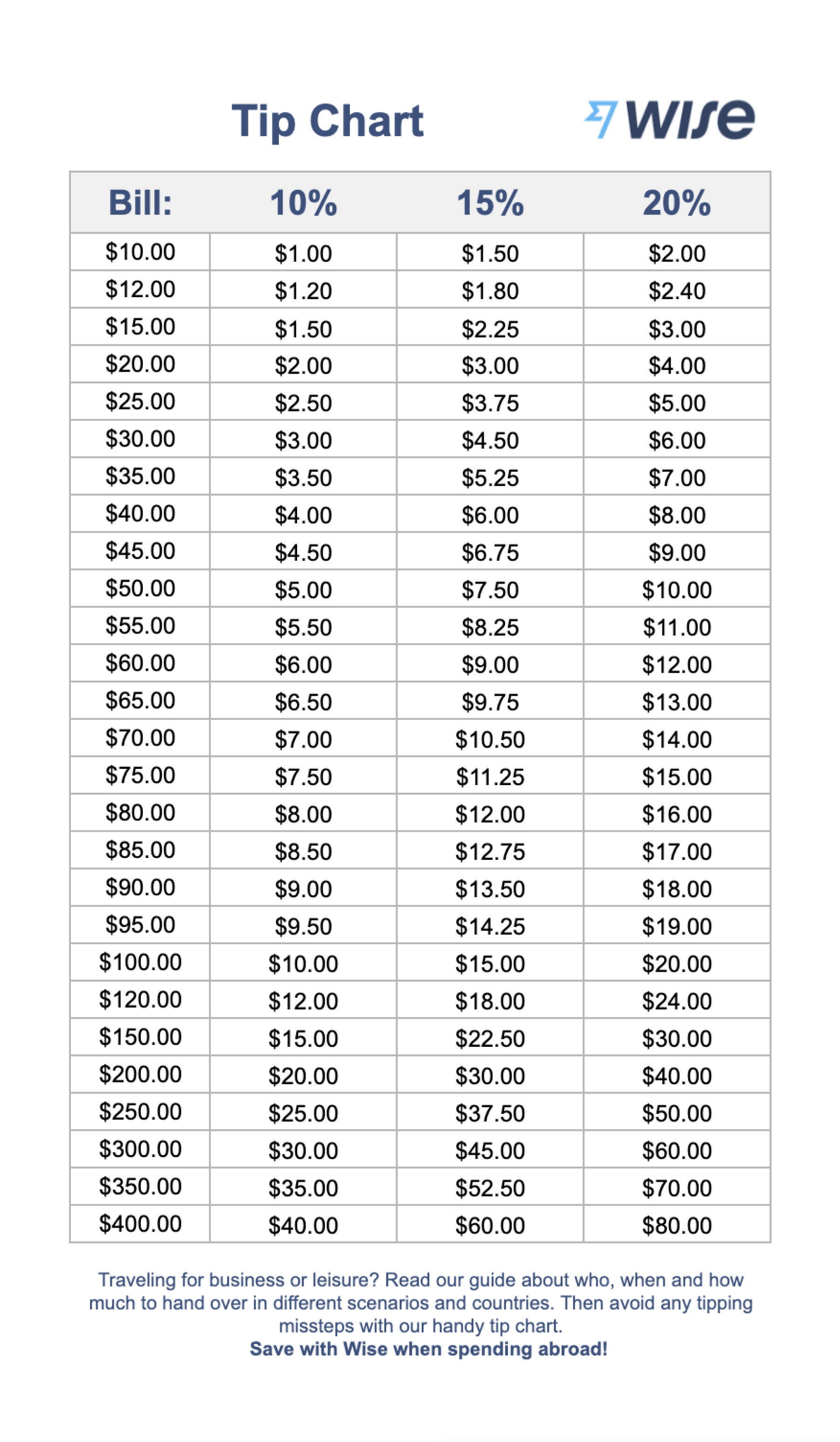
Understanding how much to tip, when to tip, and how to account for these costs in your monthly cash flow is essential for anyone looking to master their personal finances. This guide breaks down the standard percentages across various industries and provides a strategic framework for managing gratuity without compromising your savings goals.
Understanding the Economics of Tipping
Before diving into the specific percentages, it is vital to understand the “why” behind tipping from a financial perspective. In many regions, particularly in the United States, the service economy is built on a “tipped wage” system.
The Shift from Gesture to Expectation
Historically, a tip was an acronym for “To Insure Promptitude.” Today, however, it serves as a primary source of income for millions of workers. From a personal finance standpoint, consumers must view the tip not as an “extra” or a “bonus,” but as a variable part of the service’s total cost. When you look at a menu or a service list, the price you see is often only 80% of the actual financial obligation you are expected to fulfill. Recognizing this helps in making more accurate purchasing decisions.
How Tipping Impacts Service Industry Wages
Many service workers receive a base wage significantly lower than the standard minimum wage, under the legal assumption that tips will make up the difference. When customers opt out of tipping or tip significantly below the average, they are effectively benefiting from a lower-priced service at the expense of the provider’s livelihood. For the financially conscious consumer, understanding this economic reality ensures that your personal spending habits remain ethical and sustainable within your community.
The Standard Percentages: A Sector-by-Sector Breakdown
Navigating the various “rules” of tipping can be overwhelming. To keep your budget predictable, it is helpful to categorize services into standard percentage brackets. While these figures can fluctuate based on the quality of service, having a “default” percentage helps in pre-calculating expenses.
Dining and Restaurants
The restaurant industry remains the most standardized area for tipping.
- Sit-down Service: The current gold standard is 18% to 22%. While 15% was once the baseline, inflation and rising costs of living have shifted the “good service” floor upward.
- Buffets: Generally, 10% is appropriate, as staff are still clearing plates and refilling drinks.
- Bars: A standard of $1 to $2 per drink is common, or 15% to 20% of the total tab if you are running a balance.
Personal Care and Beauty Services
Services such as haircuts, massages, manicures, and tattooing involve high levels of personal labor and skill.
- Standard Rate: 20% is the industry norm for personal care.
- Nuance: If you receive a service from the owner of a boutique or salon, historical etiquette suggested a tip wasn’t necessary, but modern financial standards have shifted. Tipping the owner 20% is now widely expected and appreciated as they manage high overhead costs.
Travel and Hospitality
Tipping in the travel sector is often where people forget to budget, leading to “leakage” in vacation funds.
- Hotel Housekeeping: $2 to $5 per night, left daily.
- Valet Parking: $2 to $5 when the car is returned to you.
- Porters/Bellhops: $1 to $2 per bag.
- Concierge: $5 to $20 depending on the complexity of the task (e.g., booking a difficult reservation).
Delivery and Gig Economy Services
With the rise of apps like Uber, DoorDash, and Instacart, tipping has moved into the digital realm.
- Food Delivery: 15% to 20% of the order total, with a minimum of $5. It is important to remember that delivery drivers use their own assets (vehicles) and fuel, making the tip a vital part of their business expense recovery.
- Rideshare: 15% to 20% is standard. For short rides, a flat $3 to $5 is often more appropriate than a small percentage.

Integrating Gratuities into Your Personal Budget
One of the biggest mistakes in personal finance is failing to account for tips when setting a budget for “Discretionary Spending” or “Entertainment.” If you budget $100 for a night out, you only have about $75 to $80 to spend on the actual meal and drinks.
The “Hidden Cost” of Dining Out
To master your money, you must practice “inclusive budgeting.” When you decide to eat out, mentally add 25% to every price you see on the menu—this accounts for both the tip and local sales tax. This psychological trick prevents you from overspending and ensures you always have enough to compensate the service provider fairly without dipping into your rent or savings funds.
Using the 15-20% Rule as a Fixed Expense
Treat the tip as a fixed expense rather than a variable one. By assuming a 20% tip is mandatory, you simplify your financial decision-making. If a service plus a 20% tip exceeds your allocated budget for the week, the financial answer is simple: you cannot afford the service at this time. This discipline is what separates a casual spender from someone with a high level of financial literacy.
Adjusting Your Lifestyle for “Tip Fatigue”
“Tip fatigue” is a real phenomenon where consumers feel overwhelmed by the constant request for gratuities at every point of sale. From a money management perspective, the best way to combat this is to limit the frequency of service-based transactions. Opting for takeout (where tipping expectations are lower, usually 10%) instead of delivery, or making coffee at home, can save hundreds of dollars a month in both the base price and the associated tips.
To Tip or Not to Tip? Navigating Ethical and Financial Dilemmas
The modernization of payment technology has introduced the “iPad flip,” where even coffee shops and fast-casual counters prompt for a 15%, 20%, or 25% tip. This has created confusion for many consumers.
Dealing with Digital Tip Jars and Tablet Prompts
In a counter-service setting where you stand in line, order, and pick up your own food, a tip is not strictly mandatory by traditional standards. However, from a personal finance and social perspective, a small tip (10% or rounding up the change) is a kind gesture for the staff. If you are on a strict budget, these are the areas where you can reasonably decline to tip without violating social contracts, provided you are not receiving table service.
When Is It Acceptable to Tip Less (or More)?
Financial experts generally agree that you should never use a tip to “punish” a server for things outside their control, such as a kitchen error or a long wait for a table. If the service was truly egregious, it is better to speak with a manager than to withhold a tip. Conversely, if you receive exceptional service that saves you time or adds significant value to your experience, tipping above 20% is a great way to reinvest in the local service economy—provided your budget allows for it.
Financial Tools to Manage Your Gratuity Spending
Tracking micro-expenses is the key to a successful financial plan. Because tips are often added after the initial transaction, they can sometimes be forgotten in manual expense tracking.
Expense Tracking Apps and Tip Calculators
Modern budgeting apps like YNAB (You Need A Budget) or Monarch Money allow you to categorize expenses in real-time. When you enter a transaction, ensure you are entering the total amount, including the tip. If you struggle with mental math, there are dozens of free tip calculator apps that can help you determine the exact amount based on your preferred percentage, helping you stay within your limits.
Cash vs. Digital Tipping: A Budgeting Perspective
From a purely financial standpoint, tipping in cash can be a double-edged sword. For the recipient, cash is often preferred as it is immediate. For your budget, however, cash can be harder to track. If you are someone who struggles with “disappearing money,” it is often better to tip via credit card so that every cent is documented in your banking app. This transparency allows you to review your spending at the end of the month and see exactly how much your “gratuity tax” is impacting your bottom line.
By viewing tipping as an integral part of your financial ecosystem rather than an afterthought, you can enjoy services guilt-free while keeping your personal finances on track. Knowledge of “what percent to tip” is more than just good manners—it is a sign of a disciplined and prepared financial mind.
aViewFromTheCave is a participant in the Amazon Services LLC Associates Program, an affiliate advertising program designed to provide a means for sites to earn advertising fees by advertising and linking to Amazon.com. Amazon, the Amazon logo, AmazonSupply, and the AmazonSupply logo are trademarks of Amazon.com, Inc. or its affiliates. As an Amazon Associate we earn affiliate commissions from qualifying purchases.