
Taxation is a fundamental aspect of modern society, serving as the engine that funds public services, infrastructure, and social programs. For individuals and businesses alike, understanding the “what percent tax” is not merely an academic exercise but a crucial component of financial planning, compliance, and ultimately, financial well-being. The percentage of tax levied can vary dramatically based on numerous factors, including income level, business structure, geographical location, and specific economic policies. This article delves into the multifaceted world of tax percentages, exploring how they are determined, their impact, and strategies for navigating this complex landscape.
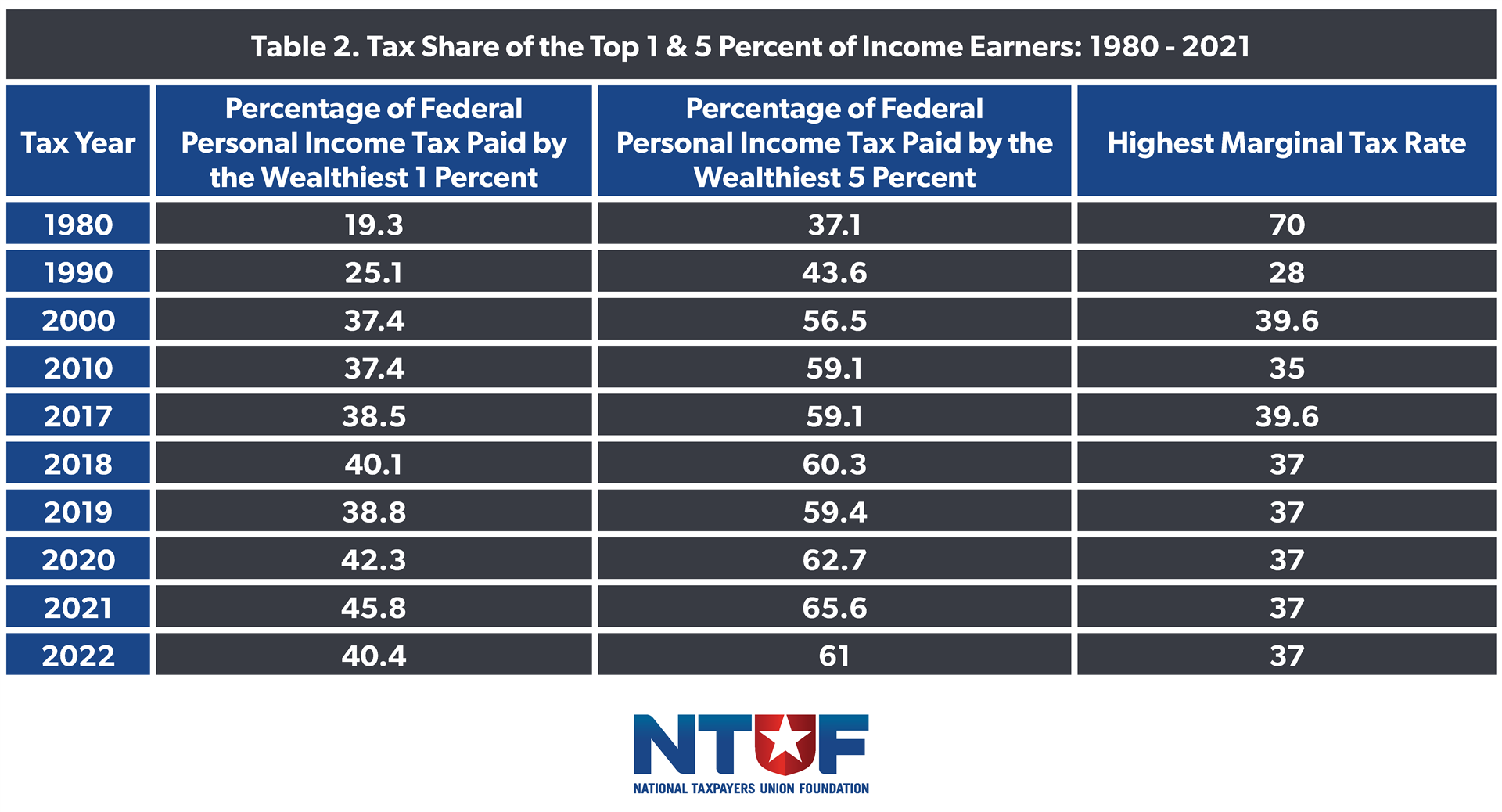
The Foundations of Tax Percentages: Income Tax and Its Brackets
At its core, income tax is levied on the earnings of individuals and businesses. The determination of the tax percentage is most commonly achieved through a progressive tax bracket system. This system ensures that those who earn more contribute a larger proportion of their income in taxes.
Understanding Tax Brackets
Tax brackets are ranges of income that are subject to specific tax rates. As your income increases, you move into higher tax brackets, meaning a portion of your income is taxed at a higher rate. It is crucial to understand that you are not taxed at the highest bracket’s rate on your entire income. Instead, only the income falling within each bracket is taxed at that bracket’s specific percentage.
For example, in a simplified progressive tax system:
- Bracket 1: $0 – $10,000 taxed at 10%
- Bracket 2: $10,001 – $40,000 taxed at 15%
- Bracket 3: $40,001 – $80,000 taxed at 20%
- Bracket 4: $80,001+ taxed at 25%
If an individual earns $50,000, their tax liability would be calculated as follows:
- $10,000 * 10% = $1,000
- ($40,000 – $10,000) * 15% = $30,000 * 15% = $4,500
- ($50,000 – $40,000) * 20% = $10,000 * 20% = $2,000
Total Income Tax: $1,000 + $4,500 + $2,000 = $7,500.
This means the individual’s effective tax rate (total tax paid divided by total income) is $7,500 / $50,000 = 15%.
Marginal vs. Effective Tax Rates
It’s essential to distinguish between marginal and effective tax rates. The marginal tax rate is the percentage of tax paid on the last dollar earned. In the example above, the marginal tax rate for someone earning $50,000 is 20% because their additional income falls into Bracket 3. The effective tax rate, on the other hand, is the total amount of tax paid divided by total taxable income. This provides a more accurate picture of the overall tax burden.
Factors Influencing Income Tax Percentages
Several factors influence the specific tax percentages applied to an individual’s income:
- Filing Status: In many countries, tax rates differ based on filing status, such as single, married filing jointly, married filing separately, or head of household. This is designed to account for differing financial responsibilities.
- Deductions and Credits: Taxable income is not the same as gross income. Deductions (e.g., for mortgage interest, charitable donations, student loan interest) reduce taxable income, effectively lowering the tax percentage applied to the remaining income. Tax credits directly reduce the tax liability, offering a dollar-for-dollar offset.
- Tax Year: Tax laws and bracket percentages are subject to change annually due to legislative updates, economic conditions, and inflation adjustments. What might have been the tax percentage in one year may not be the same in the next.
Beyond Income Tax: Other Forms of Taxation and Their Percentages
While income tax is a primary concern for most individuals and businesses, it is far from the only form of taxation. Understanding various tax types and their associated percentages is vital for comprehensive financial management.
Sales Tax and Value-Added Tax (VAT)
Sales tax and Value-Added Tax (VAT) are consumption taxes. They are levied on the sale of goods and services.
- Sales Tax: Typically collected at the point of sale by the retailer, who then remits it to the government. Sales tax percentages vary significantly by state, county, and even city within a country. Some goods and services may be exempt from sales tax, such as certain groceries or medical supplies. The percentage can range from 0% to over 10%.
- VAT: A more complex system prevalent in many countries globally. VAT is levied at each stage of production and distribution, with businesses able to reclaim VAT paid on inputs. The final consumer ultimately bears the VAT burden. VAT rates also vary by country and can differ for various categories of goods and services (e.g., a lower rate for essential items). Common VAT percentages often fall between 5% and 25%.
Property Tax
Property taxes are levied on the value of real estate. These taxes are typically paid to local governments and are a primary source of funding for local services like schools, police, and fire departments.
- Assessment: The tax percentage, often referred to as the “mill rate” or “tax rate,” is applied to the assessed value of the property. The assessed value may be the market value or a fraction thereof, depending on local regulations.
- Rates: Property tax rates are expressed as a percentage of the assessed value or as a dollar amount per $1,000 of assessed value. These rates can vary widely based on local spending needs and property values. High property tax areas can represent a significant annual expense for homeowners.
Corporate Tax
For businesses, understanding corporate tax percentages is paramount for profitability and investment decisions. Corporate tax is levied on a company’s profits.
- Federal, State, and Local Levels: Corporations often face taxes at multiple levels of government. Federal corporate tax rates are set by national legislation, while state and local corporate tax rates can add significantly to the overall burden.
- Deductions and Credits for Businesses: Similar to individual income tax, businesses can utilize deductions and credits to reduce their taxable income and tax liability. These can include deductions for operating expenses, depreciation of assets, research and development, and investment tax credits.
- Impact on Business Decisions: The prevailing corporate tax percentages can influence decisions regarding where to incorporate, where to invest, and how to structure business operations. A high corporate tax rate might discourage investment or lead companies to seek more tax-favorable jurisdictions.
Navigating the Tax Landscape: Strategies for Minimizing Tax Percentages
While taxes are unavoidable, there are legitimate strategies individuals and businesses can employ to manage their tax liabilities and potentially reduce their overall tax percentages.
Maximizing Deductions and Credits
This is perhaps the most fundamental strategy. Diligent record-keeping and a thorough understanding of available deductions and credits can significantly reduce taxable income or directly lower tax bills.
- For Individuals: This includes tracking all eligible expenses for itemized deductions (e.g., medical expenses above a certain threshold, state and local taxes up to a limit, mortgage interest, charitable contributions) and taking advantage of above-the-line deductions (e.g., for student loan interest, IRA contributions, self-employment taxes). Understanding tax credits for education, child care, energy efficiency, and retirement savings can also provide substantial relief.
- For Businesses: Businesses should meticulously track all ordinary and necessary business expenses, including rent, salaries, supplies, travel, and marketing. Depreciation of business assets is a significant deduction. Furthermore, exploring tax credits for research and development, hiring specific employee groups, or investing in renewable energy can offer substantial tax savings.
Tax-Advantaged Investment and Retirement Accounts
Utilizing tax-advantaged accounts is a powerful tool for both individuals and businesses to defer or reduce their tax burden.
- Retirement Accounts: Contributions to accounts like 401(k)s, IRAs (Traditional and Roth), and SEP IRAs are often tax-deductible or grow tax-free. Traditional accounts offer pre-tax contributions, reducing current taxable income, while Roth accounts offer tax-free withdrawals in retirement. The choice depends on an individual’s current and expected future tax rates.
- Other Tax-Advantaged Investments: Depending on the jurisdiction, other investment vehicles might offer tax benefits, such as municipal bonds (often tax-exempt from federal income tax) or capital gains tax considerations that favor long-term investments.
Strategic Business Structuring and Planning
For business owners, the structure of their entity can have a profound impact on their tax percentages.
- Pass-Through Entities: Structures like sole proprietorships, partnerships, and S-corporations are “pass-through” entities. Their profits and losses are passed through to the owners’ personal income and taxed at individual income tax rates, avoiding the double taxation often associated with C-corporations.
- C-Corporations: While subject to corporate income tax, C-corporations may offer benefits for reinvesting profits and accessing certain tax credits. The decision between entity types requires careful consideration of profit levels, reinvestment plans, and the prevailing tax rates for both corporate and individual income.
- Timing of Income and Expenses: Businesses can sometimes strategically time the recognition of income and the incurrence of expenses to manage their tax liability in a given year. For example, accelerating deductible expenses into the current year or deferring income to a future year when tax rates might be lower.
The Evolving Landscape of Tax Percentages
The question of “what percent tax” is not static. Tax laws are constantly evolving, influenced by economic cycles, government priorities, and societal needs.
Economic Factors and Policy Shifts
Governments often adjust tax percentages to stimulate or cool down the economy. During economic downturns, tax cuts might be implemented to encourage spending and investment. Conversely, during periods of rapid inflation or economic overheating, tax increases might be considered. The impact of global economic trends and trade policies can also influence domestic tax strategies.
Technological Advancements and Digital Taxation
The rise of the digital economy presents new challenges for taxation. Issues surrounding the taxation of digital services, cross-border transactions, and the use of cryptocurrencies are leading to the development of new tax frameworks and potentially new tax percentages. International discussions are ongoing to establish fair and effective digital tax regimes.

The Role of Tax Professionals
Given the complexity and ever-changing nature of tax laws, consulting with qualified tax professionals is often essential. Certified Public Accountants (CPAs), Enrolled Agents (EAs), and tax attorneys can provide invaluable guidance. They stay abreast of the latest regulations, identify opportunities for tax savings, and ensure compliance, helping individuals and businesses navigate the intricacies of “what percent tax” and optimize their financial outcomes. Understanding and strategically managing tax percentages is not just about minimizing liabilities; it’s about sound financial stewardship and ensuring long-term financial health.
aViewFromTheCave is a participant in the Amazon Services LLC Associates Program, an affiliate advertising program designed to provide a means for sites to earn advertising fees by advertising and linking to Amazon.com. Amazon, the Amazon logo, AmazonSupply, and the AmazonSupply logo are trademarks of Amazon.com, Inc. or its affiliates. As an Amazon Associate we earn affiliate commissions from qualifying purchases.