
Understanding the demographic composition of a market is the first step in crafting a resilient brand strategy. As of the latest data from the U.S. Census Bureau, the Hispanic population has reached a historic milestone, accounting for approximately 19.1% of the total United States population. With over 62 million individuals identifying as Hispanic or Latino, this demographic is no longer a “niche market” or a secondary consideration for growth. It is, instead, a primary engine of American consumerism and a cornerstone of modern brand identity.

For brand strategists, marketing executives, and corporate leaders, the question “what percent of the US population is Hispanic” is merely the starting point. The real challenge—and opportunity—lies in interpreting this nearly 20% share of the population as a call to evolve brand messaging, design, and corporate values. To ignore this shift is to ignore the fastest-growing segment of the domestic economy.
The Strategic Significance of Demographic Shifts
When a single demographic group represents one-fifth of a nation, the traditional “total market” approach requires a fundamental overhaul. For decades, brands treated the Hispanic market as an add-on—a translated ad campaign here, a Spanish-language radio spot there. Today, the scale of the Hispanic population demands a “culture-first” strategy that integrates these insights into the core of the brand.
The Economic Power of $2.8 Trillion
The sheer volume of the Hispanic population translates into staggering economic influence. If the U.S. Hispanic market were a standalone country, its GDP would be the fifth largest in the world, surpassing those of France and the United Kingdom. For a brand, this represents a massive pool of purchasing power that is increasingly driving trends in retail, technology, and consumer packaged goods. Strategic branding must move beyond awareness and toward building long-term equity within this community.
A Younger Demographic Profile
One of the most critical data points for brand longevity is age. The median age of the Hispanic population is significantly lower than that of the non-Hispanic white population. While the national median age hovers around 38, the Hispanic median age is approximately 30. This means that Hispanic consumers are entering their peak spending years, starting families, buying homes, and forming brand loyalties that could last for the next four to five decades. From a brand strategy perspective, capturing the attention of this younger cohort is an investment in future-proofing the company.
Moving Beyond Translation: The Nuance of Cultural Identity
A common mistake in brand strategy is equating “Hispanic” solely with the Spanish language. While language is a vital component of identity, the 19.1% of the population that identifies as Hispanic is incredibly diverse, encompassing various national origins, generational statuses, and linguistic preferences.
The Rise of the “Ambicultural” Consumer
Today’s brand landscape is dominated by the “ambicultural” consumer—individuals who move seamlessly between their Hispanic heritage and the broader American culture. They are often bilingual or English-dominant but remain deeply rooted in their cultural traditions. Brands that succeed in this environment do not just translate their English copy into Spanish; they “transcreate” their message to resonate with cultural values like familismo (the importance of family), personalismo (valuing personal relationships), and a strong sense of community.
Authenticity as a Brand Pillar
In an era of hyper-transparency, authenticity is the currency of brand success. Hispanic consumers are notoriously savvy at detecting “Hispandering”—hollow attempts by brands to appear inclusive during Hispanic Heritage Month without any year-round commitment. A robust brand strategy involves incorporating Hispanic perspectives into the product development phase, the creative process, and the corporate leadership team. When the internal identity of a brand reflects the diversity of the 19% of the population it serves, the outward marketing feels earned rather than forced.
Designing for Inclusivity: Visual and Narrative Strategy
The visual identity of a brand must also evolve to reflect the changing face of America. Brand strategy is not just about what you say, but how you look and the stories you choose to tell.

Visual Representation and Diversity
For a long time, stock photography and marketing visuals relied on a narrow definition of the “all-American” aesthetic. With nearly 20% of the population being Hispanic, inclusivity in visual storytelling is a strategic necessity. This goes beyond just including a person of color in a photo shoot. It involves representing the breadth of the Hispanic experience—different skin tones, urban and rural settings, and various family structures. When consumers see themselves reflected accurately and respectfully in a brand’s visual assets, it lowers the barrier to trust.
Narrative Archs and Emotional Resonance
The themes that resonate with the Hispanic community often center on aspiration, hard work, and the collective success of the family. Brands like Nike and Coca-Cola have successfully leveraged these themes by telling stories of athletes and everyday heroes who overcome obstacles while staying true to their roots. This narrative approach builds an emotional connection that transcends transactional relationships. A brand that understands the journey of the Hispanic consumer can position itself as a partner in their success.
Digital Strategy and Media Consumption Habits
The way the Hispanic population interacts with technology and media provides a roadmap for digital brand strategy. Statistical data shows that Hispanic consumers are “super-consumers” of digital content, often over-indexing on mobile usage, social media engagement, and streaming services.
Mobile-First Brand Experiences
The Hispanic community has historically led the shift toward mobile-first behavior. For brands, this means that every digital touchpoint—from the website UI to the checkout process—must be optimized for mobile performance. A brand strategy that fails to prioritize a seamless mobile experience is effectively alienating a significant portion of the 62 million Hispanic individuals who rely on their smartphones for everything from banking to entertainment.
The Power of Social Influence
Social media platforms like Instagram, TikTok, and YouTube are central to how Hispanic consumers discover and vet brands. Community-driven platforms allow for word-of-mouth marketing at scale. Brands that engage with Hispanic influencers—particularly “micro-influencers” who have deep trust within specific sub-communities—can see much higher ROI than through traditional advertising. The strategy here is to foster community rather than just push products.
Corporate Identity and Social Responsibility
As the Hispanic population grows toward 20% and beyond, their expectations for corporate behavior have also risen. Brand strategy today is inextricably linked to corporate social responsibility (CSR) and how a company treats its employees and the communities it serves.
Workforce Diversity as Brand Equity
A brand’s external reputation is increasingly defined by its internal culture. Companies that actively recruit, retain, and promote Hispanic talent are better positioned to understand and serve the Hispanic market. From a brand strategy standpoint, showcasing your diverse workforce is a powerful way to signal that your brand’s commitment to the community is more than just skin deep.
Community Investment and Impact
Hispanic consumers often show high levels of brand loyalty to companies that give back. Whether it is through educational scholarships, support for small businesses, or disaster relief in Latin American countries, corporate actions speak louder than marketing slogans. When a brand invests in the prosperity of the Hispanic community, it builds a reservoir of goodwill that protects the brand during times of crisis and strengthens its market position.
Conclusion: The Path Forward for Brands
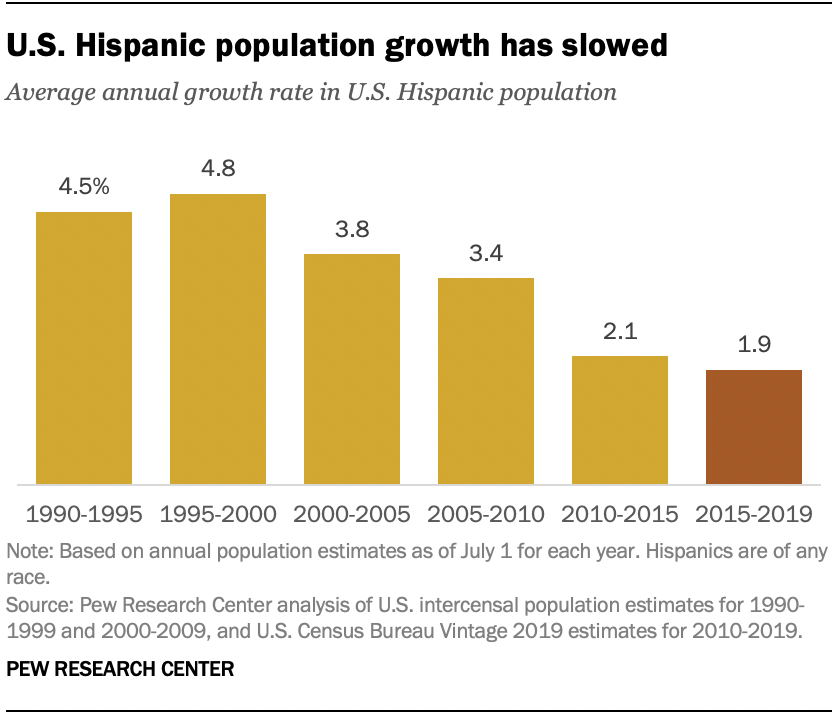
The fact that nearly 20% of the U.S. population is Hispanic is not a static data point; it is a dynamic trend that will continue to shape the American landscape for the foreseeable future. For any brand looking to grow in the 21st century, the Hispanic market is no longer an “alternative” market—it is the market.
Successful brand strategy requires a move away from silos. It is no longer enough to have a “Hispanic marketing budget.” Instead, every aspect of the brand—from product design and customer service to digital presence and corporate identity—must be viewed through a multicultural lens. By embracing the nuance, diversity, and economic power of the Hispanic community, brands can move beyond the numbers and build lasting, meaningful connections with the new American majority. The goal is clear: to be a brand that doesn’t just speak to 20% of the population, but one that truly understands and reflects the world they live in.
aViewFromTheCave is a participant in the Amazon Services LLC Associates Program, an affiliate advertising program designed to provide a means for sites to earn advertising fees by advertising and linking to Amazon.com. Amazon, the Amazon logo, AmazonSupply, and the AmazonSupply logo are trademarks of Amazon.com, Inc. or its affiliates. As an Amazon Associate we earn affiliate commissions from qualifying purchases.