
In the era of hyper-globalization, businesses no longer operate within the vacuum of their local borders. Whether a startup is launching a digital app or a legacy corporation is expanding its physical footprint, the “target audience” is increasingly the entire world. However, many Western-based brands still operate under a subconscious bias regarding the global demographic makeup. To build a resilient brand strategy, one must first confront a fundamental demographic reality: what percent of the global population is white, and how does that reality dictate the future of marketing, design, and corporate identity?

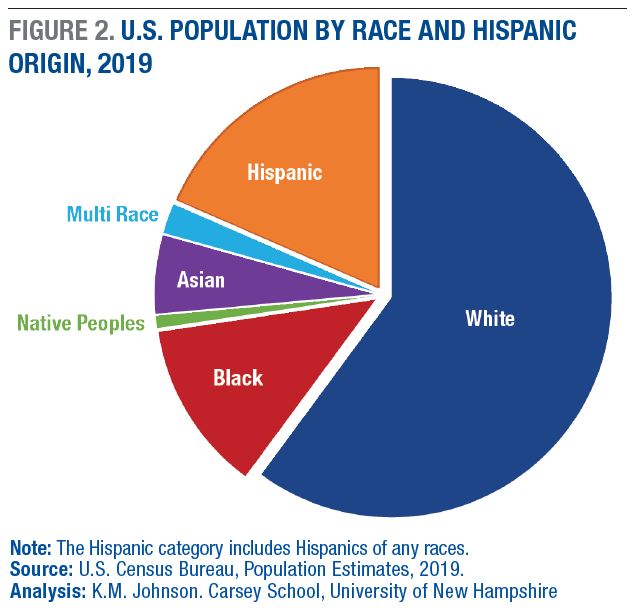
Statistical data from various demographic research entities, including the United Nations and the CIA World Factbook, suggests that people of European descent (often categorized as “white”) make up approximately 10% to 15% of the total global population. As the world’s population surpasses 8 billion, this minority status presents a profound challenge—and opportunity—for brands that have historically centered Western aesthetics and cultural norms.
Understanding the Global Demographic Landscape for Modern Brands
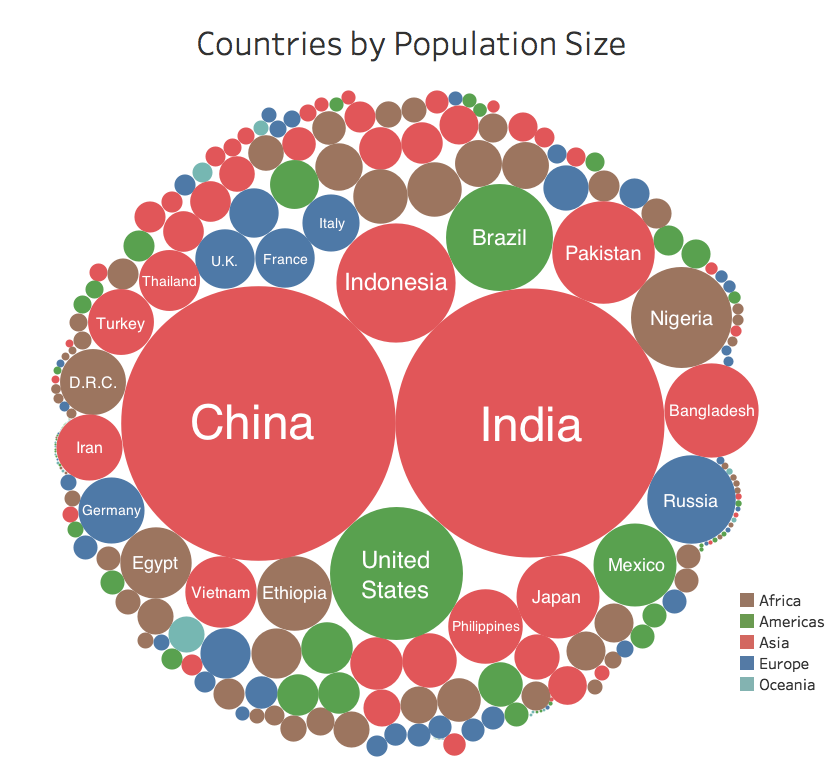
The first step in any sophisticated brand strategy is market research. When we look at the global breakdown, the numbers are clear. Asia accounts for roughly 60% of the world’s population, while Africa is the fastest-growing continent, expected to house a quarter of the world’s people by 2050. In this context, the “white” demographic is a shrinking slice of the global pie.
The Statistics of Global Ethnicity
While “white” is a social construct with varying definitions depending on the census (often including those of European, North African, and Middle Eastern descent in some contexts), most global marketing metrics focus on the European-descended population. With Europe’s birth rates declining and populations in South Asia and Sub-Saharan Africa surging, the demographic center of gravity has shifted. For a brand to remain relevant, it must recognize that the “average” global consumer is not Western, but rather a member of the rising middle class in regions like Southeast Asia or West Africa.
Why Perception Often Differs from Reality
There is often a “perception gap” in brand boardrooms. Because the majority of global media, advertising spending, and corporate headquarters have historically been concentrated in the U.S. and Europe, there is an illusory sense that the white demographic is the global majority. This leads to “default” branding—where the imagery, tone, and values are tailored to a Western audience, with other regions treated as “secondary markets.” A successful global brand strategy requires dismantling this illusion and acknowledging that 85% of the world’s potential customers do not share a Western European heritage.
The Shift from Western-Centric to Global-First Branding
For decades, “International Marketing” meant taking a successful American or European brand and simply translating the slogans. Today, that approach is a recipe for irrelevance. If only 10-15% of the world is white, a brand that relies exclusively on Western cultural cues is effectively ignoring 85% of its potential growth.
Moving Beyond “Default” Personas
In the world of UX design and brand personas, the “ideal customer” is often depicted through a Western lens. Strategic branding now demands a “Global-First” mindset. This means designing products and marketing campaigns that are culturally agnostic or deeply localized from the start. It involves questioning the “standard” of beauty, the “standard” of professional success, and the “standard” of family life used in visual storytelling. When your brand imagery reflects the true diversity of the 8 billion people on earth, you increase your brand equity across diverse markets.
The Economic Power of Emerging Markets
Demographics are inextricably linked to purchasing power. The “Global South” is no longer just a source of raw materials; it is the primary engine of consumer growth. Brands like Transsion (the leading smartphone manufacturer in Africa) have succeeded by specifically ignoring Western-centric design standards and building features—such as cameras optimized for darker skin tones and long-lasting batteries for areas with unstable power—that cater to the actual majority. Their brand strategy is rooted in the demographic reality that the future of tech and consumer goods lies outside the 15% Western minority.
Case Studies in Cultural Sensitivity and Representation
Examining how major corporations have handled the reality of global demographics reveals the difference between a brand that is surviving and one that is thriving.
Lessons from Luxury Fashion’s Global Expansion
The luxury sector provides a fascinating case study. Historically, European fashion houses were the gatekeepers of “whiteness” as an aesthetic of exclusivity. However, as the demographic and economic data shifted, so did their strategy. Brands like Louis Vuitton and Gucci have shifted their brand identities to incorporate influencers, designers, and cultural motifs from East Asia and the African diaspora. They recognized that their growth was dependent on the 85%. Those that failed to adapt or that released tone-deaf campaigns—such as Dolce & Gabbana’s infamous “eating with chopsticks” ad in China—suffered massive hits to their corporate identity and bottom line.
Tech Giants and Localized Brand Identity
Google and Netflix are prime examples of brands that have successfully pivoted their identity to match global demographics. Netflix’s strategy of investing in “local originals” (like Squid Game or Lupin) is a direct response to the fact that their growth in the U.S. and Europe (the majority-white markets) has plateaued. By centering non-Western narratives, they have strengthened their brand as a global storyteller rather than a mere exporter of Hollywood values. This is a deliberate brand strategy that acknowledges the demographic weight of the global population.
Leveraging Demographic Data for Personal and Corporate Branding
Whether you are building a personal brand as a consultant or leading a multinational corporation, the data regarding global race and ethnicity should inform your design and communication choices.
Building an Inclusive Brand Architecture
A brand’s architecture—its logo, color palette, and typography—carries different meanings across the globe. While the 15% of the population in the West might associate white with purity or minimalism, other cultures view it as the color of mourning. Branding experts must move away from “color psychology” charts that are based solely on Western observations. Truly global branding involves a “multi-centric” approach where the visual identity is tested and refined against the preferences of the global majority.
Avoid Tokenism: Authenticity in Global Marketing
One of the greatest risks in adapting to global demographics is falling into the trap of tokenism. Tokenism occurs when a brand includes diverse faces in its marketing without changing its core strategy or corporate culture. To avoid this, “Brand Integrity” must be the goal. This means:
-
Diverse Leadership: Ensuring that the people making the branding decisions reflect the global population.
-
Equitable Resource Allocation: Investing in R&D for products that serve non-Western needs, not just marketing existing products to them.
-
Cultural Competency: Moving beyond surface-level aesthetics to understand the deep-seated values (collectivism vs. individualism, etc.) that drive the 85% of the world that is non-white.
Conclusion: The Competitive Advantage of Demographic Literacy
Understanding that the white population constitutes only about 10-15% of the global total is not just a sociological exercise; it is a fundamental business requirement. For brand strategists, this statistic is a wake-up call to move beyond the “Western bubble.”
In the coming decade, the brands that dominate will be those that do not see the “rest of the world” as an afterthought. Instead, they will be the brands that recognize the massive, vibrant, and economically powerful majority of the global population as their primary audience. By aligning corporate identity with demographic reality, businesses can move from being local players to becoming truly global icons. The future of branding is not white—it is as diverse, colorful, and complex as the 8 billion people who inhabit our planet. Embracing this reality is no longer an option for brands; it is the only path to long-term sustainability and growth in the global marketplace.
aViewFromTheCave is a participant in the Amazon Services LLC Associates Program, an affiliate advertising program designed to provide a means for sites to earn advertising fees by advertising and linking to Amazon.com. Amazon, the Amazon logo, AmazonSupply, and the AmazonSupply logo are trademarks of Amazon.com, Inc. or its affiliates. As an Amazon Associate we earn affiliate commissions from qualifying purchases.