
When we talk about the federal budget, the numbers are often so astronomical that they lose their meaning for the average individual. However, for anyone interested in personal finance, investing, or macroeconomic trends, understanding where the largest chunks of taxpayer dollars go is essential. Perhaps no single line item generates as much debate or carries as much economic weight as military spending.
To understand what percent of the budget is military, we must first distinguish between the various types of federal spending. For the savvy investor or the fiscally conscious citizen, the “military budget” is not just a political figure—it is a massive driver of industry, a primary factor in the national debt, and a significant component of the “Money” ecosystem.
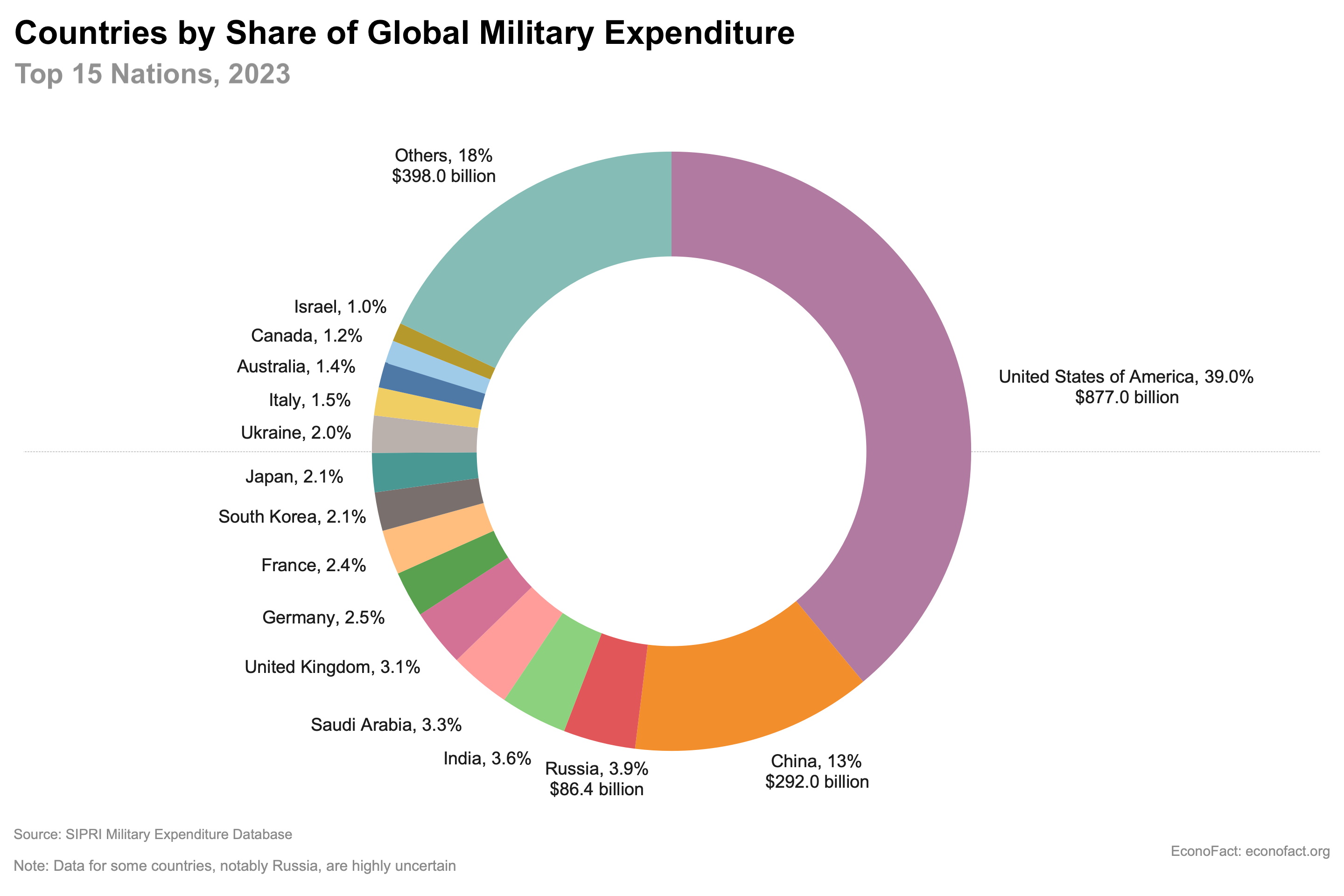
Understanding the Federal Pie: Discretionary vs. Mandatory Spending
To answer the question of what percentage of the budget goes to the military, we have to look at how the U.S. government categorizes its outflows. The federal budget is generally divided into two main categories: Mandatory Spending and Discretionary Spending.
The Distinction Between Discretionary and Mandatory Spending
Mandatory spending refers to programs that are enacted by ongoing laws. This includes Social Security, Medicare, and Medicaid. These programs do not require an annual vote from Congress; the money is automatically allocated based on the number of eligible recipients.
Discretionary spending, on the other hand, is the portion of the budget that Congress must vote on and approve every year. This is where the debate over military spending truly lives. When politicians argue over “the budget,” they are usually arguing over the discretionary slice of the pie.
Where Military Spending Fits in the Pie
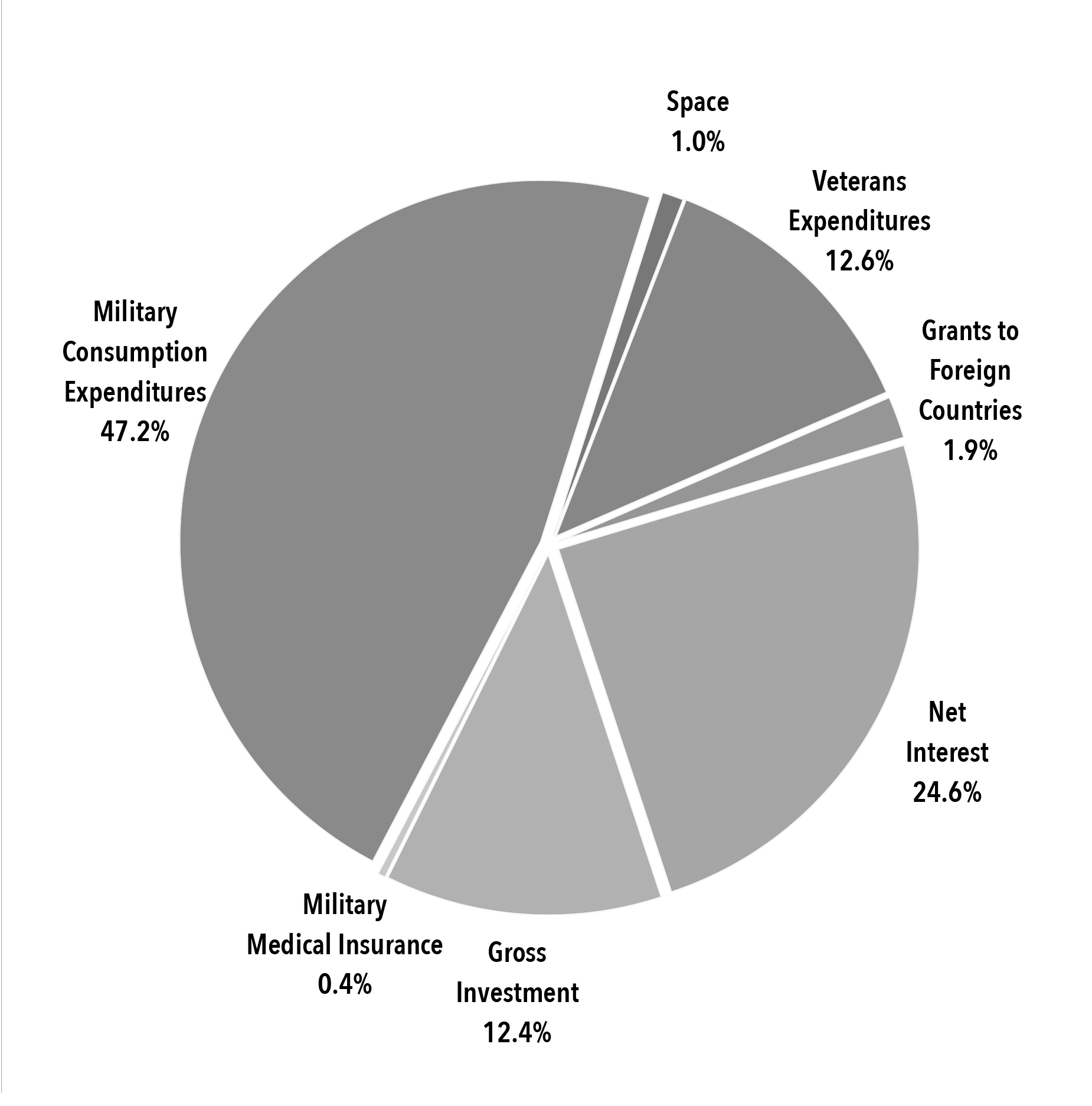
If we look at the total federal budget—which includes both mandatory and discretionary spending—military expenditures usually hover between 12% and 15%. However, if we focus solely on the discretionary budget, the military often accounts for nearly half (45% to 50%) of all spending.
For someone managing their personal finances, this distinction is crucial. While mandatory spending is driven by demographics (an aging population), discretionary spending is driven by policy. As an investor, knowing that nearly 50 cents of every discretionary dollar is funneled into defense tells you exactly where the government’s industrial priorities lie.
The Financial Impact: Taxpayer Dollars and the Defense Industry
Every dollar the government spends must come from somewhere, primarily through tax revenue or debt. As a taxpayer, a significant portion of your annual contribution to the IRS is essentially a reinvestment into the global defense infrastructure.
How Your Tax Dollars are Allocated
When you look at your tax return, it is helpful to visualize where that money goes. If 15% of the total budget is military-related, then 15% of your federal income tax is effectively funding the Department of Defense (DoD). This includes everything from the salaries of service members to the research and development of next-generation stealth technology.
From a “Money” perspective, this represents a massive transfer of wealth from the private sector (taxpayers) to the public-private partnership of the defense industry. This cycle sustains millions of jobs and keeps the United States at the forefront of aerospace and engineering innovation, but it also increases the federal deficit when spending outpaces tax receipts.
The Economic Ripple Effect of Defense Spending
Defense spending doesn’t just vanish into a vacuum; it acts as a significant economic stimulus. The “Military-Industrial Complex” involves thousands of contractors, from multi-billion-dollar corporations to small machine shops in rural towns.
When the government increases the military budget, it creates a “multiplier effect.” Funds flow to companies like Lockheed Martin or General Dynamics, which then pay subcontractors, who in turn pay employees. Those employees buy homes, invest in the stock market, and pay local taxes. For those looking at regional business finance, areas with high concentrations of military bases or defense contractors often show higher economic resilience during national recessions.
Investing in Defense: Opportunities and Risks in the Sector
For many, the question of “what percent of the budget is military” is a precursor to an investment strategy. If the government is committed to spending nearly $800 billion to $900 billion annually on defense, there are clear opportunities for capital growth.
Top Defense Stocks and ETFs to Watch
Investing in the defense sector is often seen as a “defensive” move—pun intended. Because the government is the primary customer and defense contracts are often long-term (sometimes spanning decades), these companies tend to have predictable cash flows.
- Pure-Play Contractors: Companies like Northrop Grumman (NOC), Lockheed Martin (LMT), and Raytheon Technologies (RTX) are the primary beneficiaries of the defense budget. They hold massive backlogs of orders that protect them during economic downturns.
- Defense ETFs: For those who prefer diversification over individual stock picking, Aerospace & Defense ETFs (such as ITA or XAR) offer exposure to the entire sector. These funds track the performance of companies involved in civil and military aerospace and defense equipment.
- Cybersecurity as Defense: In the modern era, “military spending” isn’t just about tanks and planes. A growing percentage of the budget is allocated to the “Fifth Domain” of warfare: cyberspace. Investing in firms that secure government networks is a modern way to capitalize on military budget trends.
Navigating Volatility in Military-Industrial Markets
While defense stocks are often stable, they are not without risk. Their primary risk factor is political. Changes in administration can lead to shifts in budget priorities. For example, a shift from traditional hardware (tanks) to digital infrastructure (AI and Cyber) can leave some legacy contractors in the lurch.
Furthermore, these companies are often subject to intense regulatory scrutiny and “cost-plus” contract structures, which can limit profit margins compared to high-growth tech firms. An astute investor must weigh the stability of a government-backed revenue stream against the potential for political gridlock that could delay budget approvals.
Future Outlook: Fiscal Policy and Long-term Financial Planning
Understanding the military budget is also about understanding the long-term health of the U.S. economy. As the national debt continues to climb, the percentage of the budget dedicated to the military will likely face increased scrutiny from fiscal hawks and social advocates alike.
Debt, Deficits, and the Military Budget
The United States has consistently run a budget deficit for decades. Because military spending is such a large part of the discretionary budget, it is often at the center of discussions regarding debt ceiling crises and fiscal responsibility.
From a personal finance perspective, a high debt-to-GDP ratio—driven in part by high defense spending—can lead to inflationary pressures or higher interest rates in the future. As the cost of servicing the national debt increases, it may “crowd out” other types of spending or lead to higher tax brackets for high earners. Being aware of these macro trends allows individuals to adjust their long-term retirement planning and asset allocation accordingly.
Global Geopolitics and Your Portfolio Strategy
In the world of finance, geopolitics is a “known unknown.” The military budget is a direct reflection of the global threat environment. When tensions rise in Eastern Europe or the Indo-Pacific, the military budget typically increases, which can serve as a catalyst for defense-related assets.
However, a massive military budget also signals a world in flux. For an investor, this means maintaining a balanced portfolio that can withstand global shocks. While defense stocks might rise during conflict, other sectors like consumer discretionary or international equities might suffer. Using the military budget as a barometer for global stability can help you decide when to pivot toward “safe haven” assets like gold or Treasury bonds.
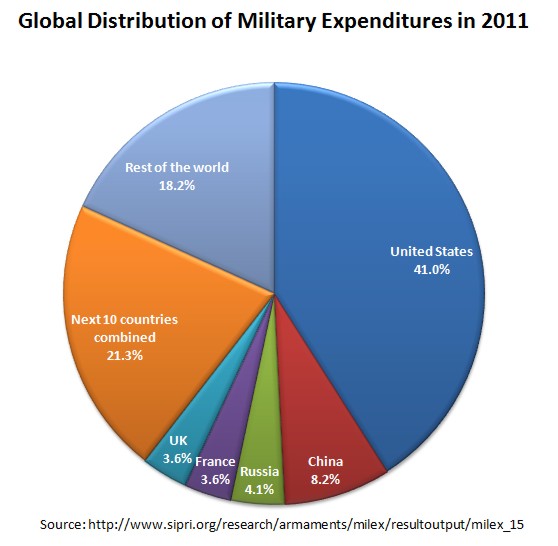
Conclusion: The Bottom Line on Defense Spending
So, what percent of the budget is military? While the answer varies depending on whether you look at total spending or discretionary spending, the impact on “Money” remains constant. It represents a massive allocation of national resources that influences everything from your annual tax bill to the performance of the S&P 500.
By understanding the mechanics of the defense budget, you are better equipped to navigate the complexities of the financial world. Whether you are looking for stable dividends in the aerospace sector, trying to understand the roots of the national debt, or simply want to know where your tax dollars go, the military budget is a vital piece of the economic puzzle. In the realm of finance, knowledge is the best defense, and understanding the flow of government capital is the first step toward making more informed, strategic financial decisions.
aViewFromTheCave is a participant in the Amazon Services LLC Associates Program, an affiliate advertising program designed to provide a means for sites to earn advertising fees by advertising and linking to Amazon.com. Amazon, the Amazon logo, AmazonSupply, and the AmazonSupply logo are trademarks of Amazon.com, Inc. or its affiliates. As an Amazon Associate we earn affiliate commissions from qualifying purchases.