
In the realm of global economics, few relationships are as symbiotic or as lopsided as the trade partnership between Canada and the United States. For business owners, investors, and financial analysts, understanding the flow of goods across the 49th parallel is not just a matter of curiosity; it is a fundamental requirement for risk management and capital allocation. Historically and currently, approximately 75% to 78% of Canada’s total exports are destined for the United States. This staggering figure underscores a profound level of economic integration that dictates the pulse of the Canadian financial landscape.
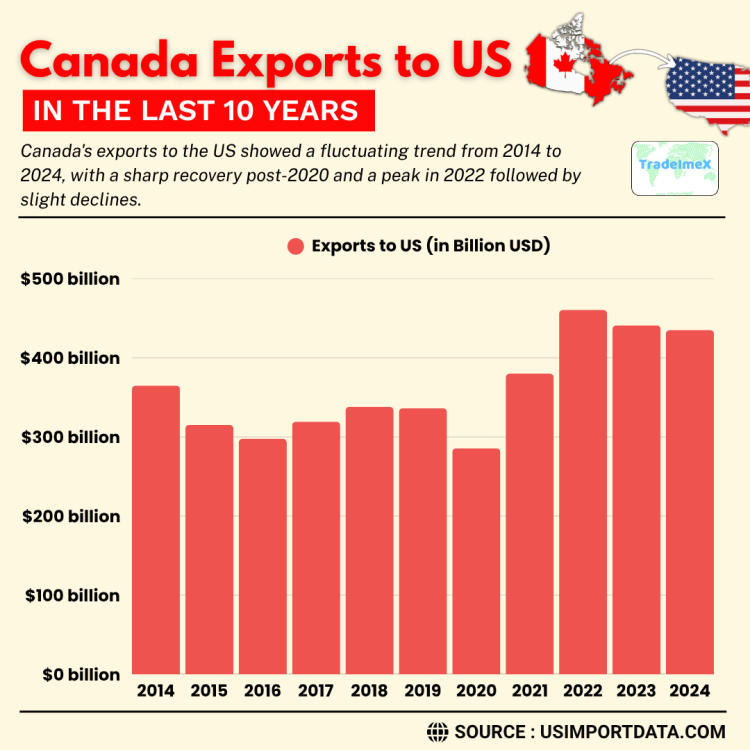
From a business finance perspective, this concentration represents both an unparalleled opportunity and a significant systemic risk. When three-quarters of a nation’s outbound revenue is tied to a single customer, the economic health of that customer becomes the primary driver of domestic prosperity. This article explores the financial intricacies of this relationship, the sectoral drivers behind the numbers, and the strategies businesses use to navigate this high-stakes environment.
The Current Landscape: Understanding the 75% Export Threshold
The sheer volume of trade between Canada and the U.S. is measured in hundreds of billions of dollars annually. While Canada has made concerted efforts to diversify its trade portfolio through agreements like CETA (with the European Union) and CPTPP (with Pacific nations), the gravitational pull of the American market remains irresistible. Proximity, a shared language, integrated supply chains, and the United States-Mexico-Canada Agreement (USMCA) create a frictionless environment that few other markets can replicate.
Key Sectors Driving the Trade Relationship
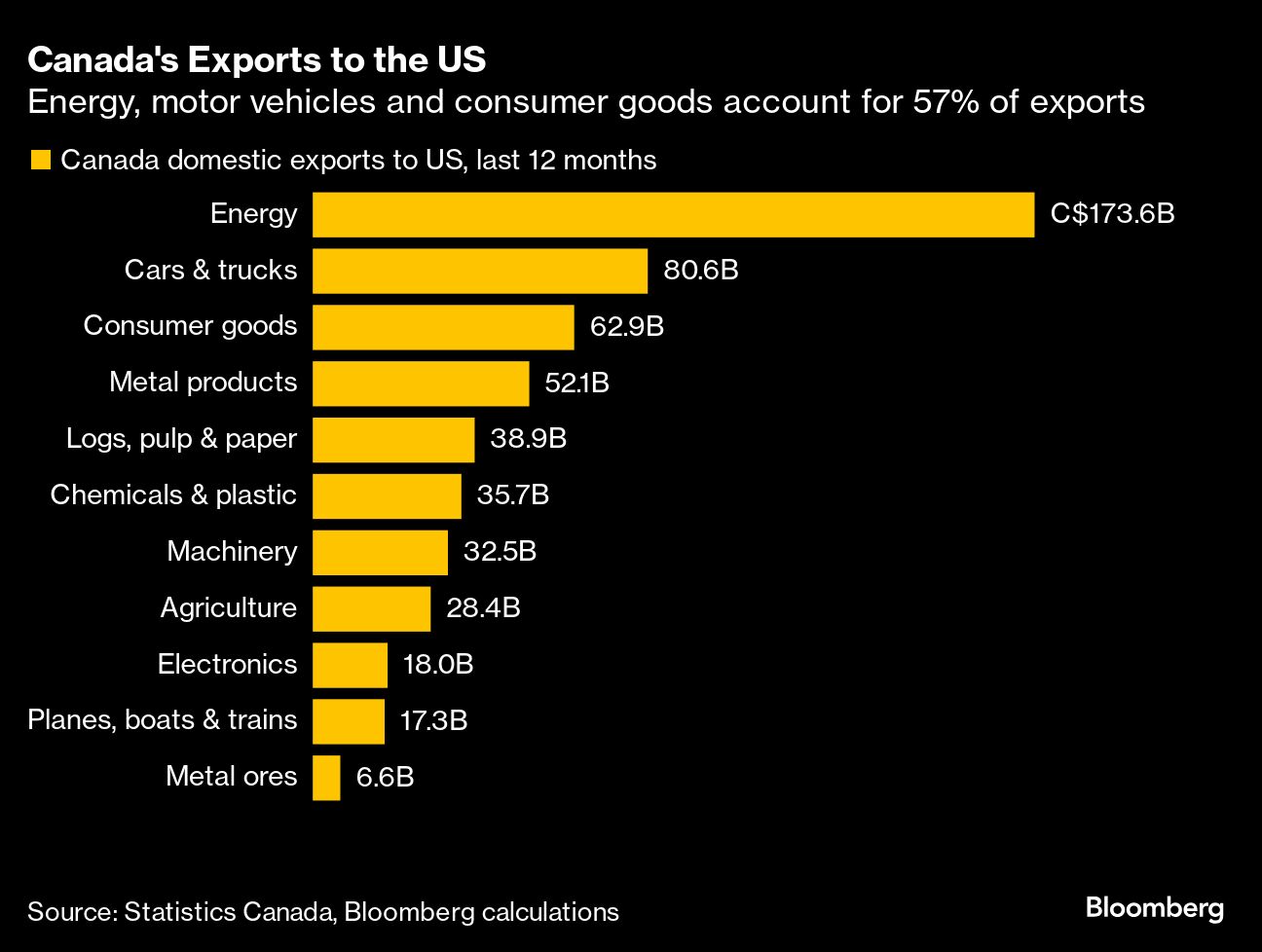
The composition of Canadian exports to the U.S. is heavily weighted toward energy, automotive parts, and raw materials. Energy products, including crude oil and natural gas, constitute the largest share of this value. Because the U.S. possesses a massive refining capacity tailored to Canadian heavy crude, the financial link is structural.
Beyond energy, the automotive sector represents a prime example of “just-in-time” financial and logistical integration. A single vehicle component might cross the border several times before the finished car is sold. For Canadian manufacturers, this means their revenue cycles are inextricably linked to U.S. consumer demand and interest rate environments. When American consumers have access to cheap credit, Canadian export revenues soar.
The Mechanics of Cross-Border Financial Flows
The financial infrastructure supporting this $2-billion-a-day trade flow is complex. It involves sophisticated treasury management, trade finance instruments like letters of credit, and complex tax arrangements. For a Canadian exporter, the U.S. market is often treated as a “domestic-plus” market. However, from a business finance standpoint, the reliance on a single market requires robust cash flow forecasting that accounts for U.S. economic indicators, such as the Consumer Price Index (CPI) and non-farm payroll data, which often impact Canadian export volumes before they affect the domestic Canadian economy.
Business Finance Implications of Trade Concentration
For the individual business owner or the corporate CFO, Canada’s heavy export reliance on the U.S. creates a specific set of financial challenges. The most prominent of these is “concentration risk.” In any investment or business portfolio, over-reliance on a single source of income is a vulnerability. If the U.S. economy enters a recession, or if trade barriers are erected, the financial impact on Canadian exporters is immediate and often severe.
Managing Currency Risk (CAD vs. USD)
One of the most critical aspects of Canadian business finance is the management of the “loonie” against the “greenback.” Because most Canadian exports are priced in U.S. dollars, volatility in the exchange rate can wipe out profit margins overnight.
Financial managers often utilize hedging strategies, such as forward contracts and options, to lock in exchange rates for future receivables. When the Canadian dollar strengthens, Canadian goods become more expensive for Americans, potentially reducing demand. Conversely, a weaker Canadian dollar can boost export volumes but increases the cost of imported machinery and raw materials needed for production. Navigating this “seesaw” is a full-time occupation for corporate treasurers in the export sector.
Supply Chain Finance and Liquidity Management
The 75% export figure also influences how Canadian companies access capital. Lenders often view companies with heavy U.S. exposure through a different lens than those serving only the domestic market. Receivables from reputable U.S. corporations are often seen as high-quality collateral, allowing Canadian firms to access asset-based lending or factoring at competitive rates.
Furthermore, the integration of supply chains means that Canadian businesses must maintain high levels of liquidity to manage the “float” between shipping goods and receiving payment. Trade finance tools, such as supply chain financing (reverse factoring), have become essential for maintaining the working capital necessary to sustain high-volume cross-border operations.
Strategic Diversification for Canadian Businesses
While the U.S. remains the primary engine of growth, savvy Canadian businesses are increasingly looking at diversification as a financial defensive play. Diversification isn’t just about finding new customers; it’s about decoupling the firm’s balance sheet from the singular fluctuations of the U.S. economy.
Beyond the Border: Exploring New Market Entries
For many Canadian small and medium-sized enterprises (SMEs), the jump from U.S. exports to global exports is daunting. However, the financial rewards of entering the Asian or European markets include not just increased revenue, but a reduction in “event risk.” If a specific U.S. industry faces a downturn, a diversified firm can pivot its resources to other regions.
From a side-hustle or small-business perspective, digital platforms have lowered the barrier to entry for global trade. E-commerce businesses in Canada can now utilize global fulfillment networks to reach customers in 50+ countries, though the logistical ease of shipping to the U.S. still makes it the first port of call for most “micro-exporters.”
Leveraging Trade Agreements for Global Expansion
Canada is the only G7 nation with free trade access to the entire G7 and the European Union. Financially, this provides a unique “arbitrage” opportunity. Businesses can utilize Canadian resources and labor to produce goods that are then exported tariff-free to a variety of wealthy markets. Understanding the legal and financial nuances of agreements like the CPTPP is essential for businesses looking to move away from the 75% U.S. dependency. These agreements often provide frameworks for dispute resolution and intellectual property protection that make international expansion less financially risky than it was a decade ago.
Investment Perspectives: How Trade Data Influences Portfolios
The 75% export statistic is a vital indicator for the individual investor. The Canadian stock market (TSX) is heavily weighted toward energy, materials, and financials—sectors that are the first to feel the impact of changes in U.S. trade policy or demand.
Canadian Equities and U.S. Economic Health
When an investor buys shares in a major Canadian bank or a pipeline company, they are essentially betting on the continued health of the U.S. economy. Because Canadian banks finance the exporters and the pipeline companies move the energy, the entire ecosystem is a derivative of U.S. industrial activity.
For a well-balanced portfolio, investors must recognize that holding “Canadian” stocks does not necessarily provide geographical diversification if those companies earn 80% of their revenue south of the border. Financial advisors often suggest looking at “non-cyclical” sectors or international equities to balance the inherent U.S.-bias of the Canadian market.
Fixed Income and Interest Rate Correlation
The financial bond between the two nations extends to monetary policy. The Bank of Canada rarely deviates significantly from the U.S. Federal Reserve. If the Fed raises rates to combat inflation caused by a booming U.S. economy, the Bank of Canada often follows suit to prevent the Canadian dollar from devaluing too sharply. This correlation affects everything from mortgage rates to corporate bond yields in Canada. Investors must monitor the U.S. Federal Open Market Committee (FOMC) meetings as closely as they monitor the Bank of Canada’s announcements to manage their fixed-income portfolios effectively.
The Future of North American Trade Finance
As we look toward the next decade, the financial nature of Canada-U.S. trade is evolving. We are seeing a shift from simple commodity exchange to more integrated service and technology exports, though the 75% figure remains a stubborn benchmark.
ESG and Sustainable Finance in Exports
Environmental, Social, and Governance (ESG) criteria are becoming central to trade finance. As the U.S. implements stricter carbon disclosure requirements for importers, Canadian firms must invest capital in “greening” their operations to remain preferred suppliers. This requires significant capital expenditure (CAPEX), but it also opens doors to “Green Bonds” and sustainable lending products that offer lower interest rates for companies meeting specific environmental benchmarks.
Digital Transformation in Trade Documentation
The “Money” aspect of trade is also becoming more digital. The move toward blockchain-based trade finance and digital customs documentation is reducing the “cost of doing business.” For Canadian exporters, this means faster payment cycles and reduced administrative overhead. Reducing the time it takes to settle a cross-border invoice from 30 days to 3 days would provide a massive liquidity boost to the Canadian economy, effectively “unlocking” billions of dollars currently tied up in transit.
In conclusion, while the fact that 75% of Canada’s exports go to the United States highlights a significant vulnerability, it also represents one of the most stable and lucrative financial arrangements in the world. For those in the world of business and finance, the goal is not necessarily to break this bond, but to manage the risks associated with it through smart hedging, strategic diversification, and proactive capital management. Understanding this relationship is the key to navigating the Canadian financial landscape with confidence and precision.
aViewFromTheCave is a participant in the Amazon Services LLC Associates Program, an affiliate advertising program designed to provide a means for sites to earn advertising fees by advertising and linking to Amazon.com. Amazon, the Amazon logo, AmazonSupply, and the AmazonSupply logo are trademarks of Amazon.com, Inc. or its affiliates. As an Amazon Associate we earn affiliate commissions from qualifying purchases.