
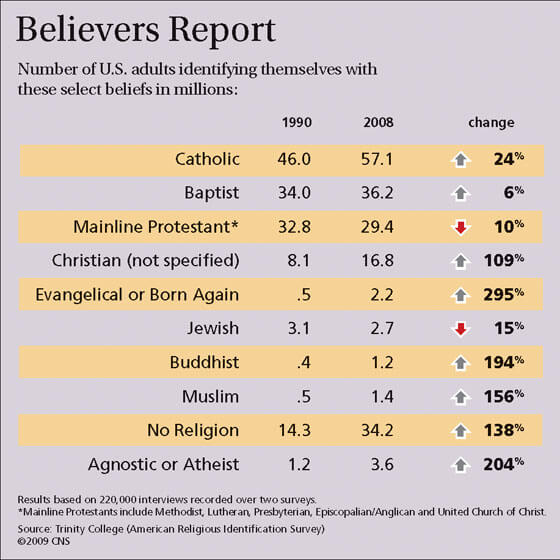
In the world of brand management and market analysis, few entities possess the longevity, global recognition, and demographic complexity of the Catholic Church. When we ask, “What percent of America is Catholic?” we are not merely asking a demographic question; we are assessing the market share of one of the most significant institutional brands in Western history. Currently, approximately 20% to 22% of the United States population identifies as Catholic. While this figure represents a massive “customer base” of roughly 70 million people, it also tells a story of brand evolution, shifting loyalty, and the need for strategic adaptation in an increasingly competitive marketplace of ideas and affiliations.
Understanding the “Catholic brand” in America requires a deep dive into how identity is formed, how reputation is managed, and how a legacy organization maintains its footprint when faced with the rise of secularism and competing “lifestyle brands.”
Understanding the Market Share: The Data Behind the Percentages
To understand the current standing of the Catholic brand, one must look at the data through the lens of market penetration and demographic shifts. For decades, the Catholic Church maintained a stable share of the American population, but the internal composition of that share has undergone a radical transformation.
The Current Demographic Footprint
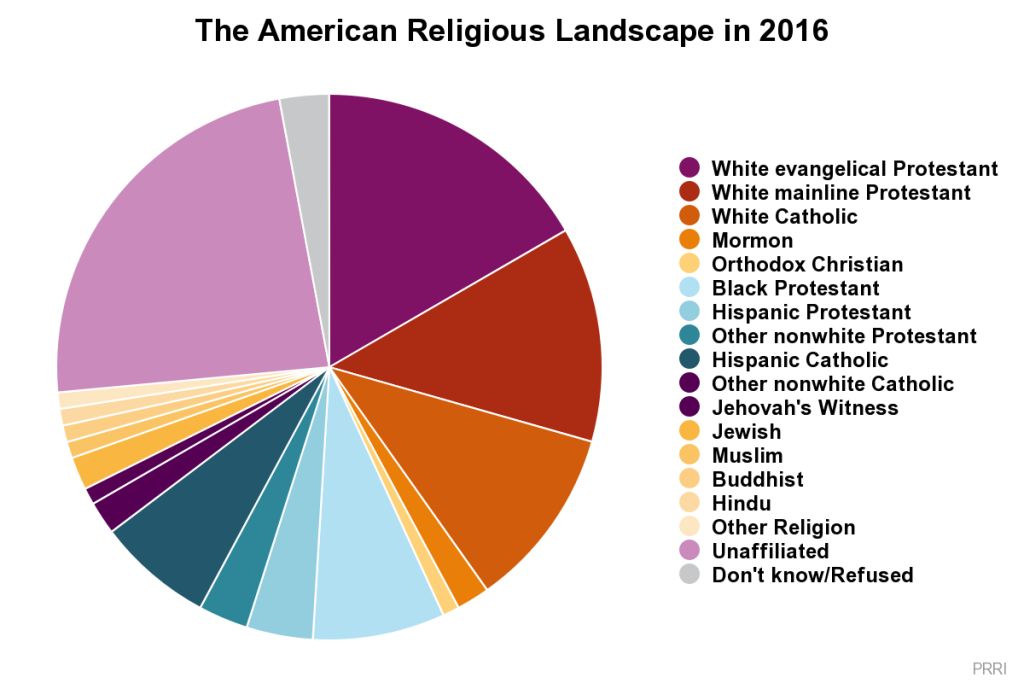
According to data from the Pew Research Center and PRRI (Public Religion Research Institute), the Catholic share of the U.S. population has held relatively steady near the 20% mark, but this stability masks significant “churn.” If the Catholic Church were a corporate entity, its “acquisition” strategy would currently be heavily reliant on immigration, particularly from Latin America. Hispanic Catholics now make up about 40% of the U.S. Catholic population, representing a vital and growing demographic segment that is keeping the brand’s overall numbers from plummeting.
Retention Rates and Brand Loyalty
One of the most pressing challenges for the Catholic brand strategy is “customer retention.” Data suggests that for every one person who joins the Catholic Church, more than six leave. This represents a significant “churn rate” that would alarm any CMO. Those who leave often migrate to the “Nones”—individuals with no religious affiliation—or to evangelical denominations. Analyzing why brand loyalty is wavering among younger cohorts (Millennials and Gen Z) is essential for understanding the future viability of the institution’s presence in the American market.
The Evolution of the “Catholic Brand” in America
The Catholic brand has not always occupied the same space in the American consciousness. Its journey from a marginalized outsider brand to a central pillar of the American establishment is a masterclass in institutional growth and cultural integration.
From Immigrant Identity to Institutional Power
In the 19th and early 20th centuries, the Catholic brand was synonymous with specific ethnic enclaves—Irish, Italian, Polish, and German. The brand strategy then was “community-centric,” focusing on building a parallel infrastructure of schools, hospitals, and charities. This “ecosystem” created high switching costs; being Catholic was not just a belief but a comprehensive social identity. As these groups assimilated, the brand moved from the margins to the mainstream, culminating in the “premium brand” status represented by figures like John F. Kennedy.
Challenges to Brand Reputation and Trust
Every legacy brand faces a crisis of trust at some point. For the Catholic Church, the early 21st century brought significant “brand damage” due to systemic scandals and perceived institutional opacity. In branding terms, this led to a decline in “brand equity”—the value of the name itself. When a brand’s core promise (in this case, moral leadership and spiritual safety) is compromised, the path to recovery requires a transparent, long-term PR and “rebranding” effort that goes beyond surface-level changes.
Marketing the Message: Communication Strategies in a Digital Age
In a world where attention is the primary currency, the Catholic Church has had to modernize its communication strategy. The shift from the pulpit to the smartphone is a critical component of how the church maintains its 20% market share.
Leveraging Social Media for Outreach
The “digitization” of the Catholic brand has seen the rise of “micro-influencers”—priests, nuns, and laypeople who use platforms like TikTok, Instagram, and YouTube to humanize the brand. By breaking down the formal, often intimidating institutional barriers, these creators engage in “inbound marketing,” drawing people in through relatable content, humor, and bite-sized wisdom. This decentralized approach allows the brand to reach niche demographics that traditional “mass marketing” (weekly mass) might miss.
Personal Branding: The “Pope Francis Effect”
In corporate terms, the Pope acts as the Global CEO and the “face of the brand.” The transition from Pope Benedict XVI to Pope Francis represented a significant “pivot” in brand positioning. Pope Francis focused on a “brand promise” of mercy, environmental stewardship, and economic justice. This shift was designed to appeal to “lapsed customers” and younger demographics who prioritize social impact over dogma. The “Pope Francis Effect” showed how a change in leadership style can temporarily boost brand sentiment, even if the underlying “product” (doctrine) remains unchanged.
Competitive Analysis: Staying Relevant in a Secularizing Marketplace
The Catholic Church does not exist in a vacuum; it operates in a highly competitive landscape where “spiritual seekers” have more choices than ever before. From meditation apps to secular social justice movements, the competition for the “American soul” is fierce.
The Rise of the “Nones” and Market Fragmentation
The fastest-growing “competitor” in the religious marketplace is “None of the above.” Currently, about 28% of Americans are religiously unaffiliated. For the Catholic brand, this represents “market fragmentation.” People are no longer buying “bundled” spiritual services; they are “unbundling” their beliefs, perhaps practicing yoga for mindfulness, volunteering for a secular NGO for community service, and adopting a “spiritual but not religious” philosophy. To compete, the Catholic brand must articulate its “Unique Selling Proposition” (USP)—what can it offer that a secular lifestyle cannot?
Niche Strategy: Community and Social Justice
One area where the Catholic brand maintains a competitive advantage is its massive “physical footprint” and institutional “social proof.” With thousands of parishes, universities, and charities, the brand offers a level of tangible, local community that digital-first movements struggle to replicate. By leaning into its identity as a “brand for the poor” and a provider of “community infrastructure,” the Church can position itself as a necessary antidote to the modern “epidemic of loneliness,” a strategic move that aligns with current social needs.
The Future of Catholic Brand Equity in America
As we look toward the next decade, the percentage of Catholics in America will likely be determined by how well the institution navigates the balance between tradition (brand heritage) and modernization (innovation).
Adapting to Multi-Cultural Demographics
The future of the American Catholic brand is undeniably Hispanic and multi-cultural. Strategic success will depend on “localization”—how well the institutional brand adapts to the cultural expressions, languages, and priorities of its most loyal and growing segments. This is not just a translation task; it is a fundamental shift in the “brand DNA” of American Catholicism, moving away from its Euro-centric roots toward a more global, “Global South” aesthetic and focus.
Sustainable Growth and Long-term Vision
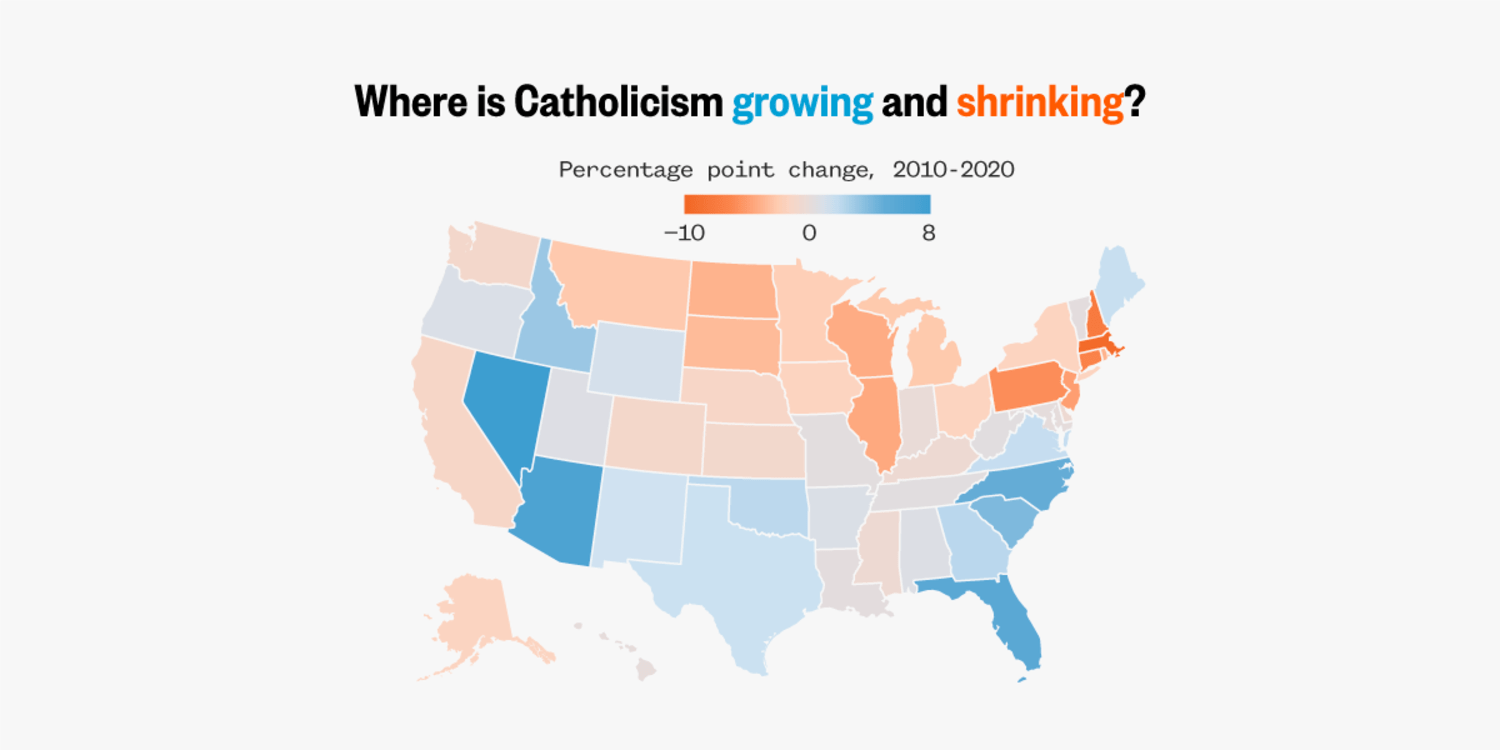
For any brand to survive for two millennia, it must have an extraordinary capacity for “long-term value creation.” The Catholic Church in America is currently in a “restructuring” phase—closing underutilized “retail locations” (parishes) in the Northeast and Midwest while “investing” in high-growth markets in the South and West. By focusing on “product quality” (the depth of the spiritual and communal experience) rather than just “market share,” the brand aims to build a more resilient, if perhaps slightly smaller, base of “brand advocates.”
In conclusion, the 20% to 22% of America that is Catholic represents more than just a statistic. It represents a massive, complex, and evolving brand ecosystem. Through strategic adaptation, a focus on demographic shifts, and a modern approach to communication, the Catholic brand continues to be a dominant player in the American cultural marketplace. Whether it can maintain this “market share” in the face of increasing secularization will depend on its ability to remain relevant to a new generation of “consumers” who value authenticity, community, and social purpose above all else.
aViewFromTheCave is a participant in the Amazon Services LLC Associates Program, an affiliate advertising program designed to provide a means for sites to earn advertising fees by advertising and linking to Amazon.com. Amazon, the Amazon logo, AmazonSupply, and the AmazonSupply logo are trademarks of Amazon.com, Inc. or its affiliates. As an Amazon Associate we earn affiliate commissions from qualifying purchases.