
In the realm of personal finance, few topics spark as much debate and confusion as the etiquette of tipping. Once a simple gesture of appreciation for exceptional service, tipping has evolved into a foundational component of the service industry’s economic model. For the modern consumer, understanding “what percent for tip” is no longer just about social grace; it is a critical aspect of budgeting, cash flow management, and ethical spending. As digital payment systems and shifting economic tides alter the landscape, staying informed on current gratuity standards is essential for maintaining a healthy financial life and professional reputation.
The Evolution of Tipping: Why the Standard Has Shifted
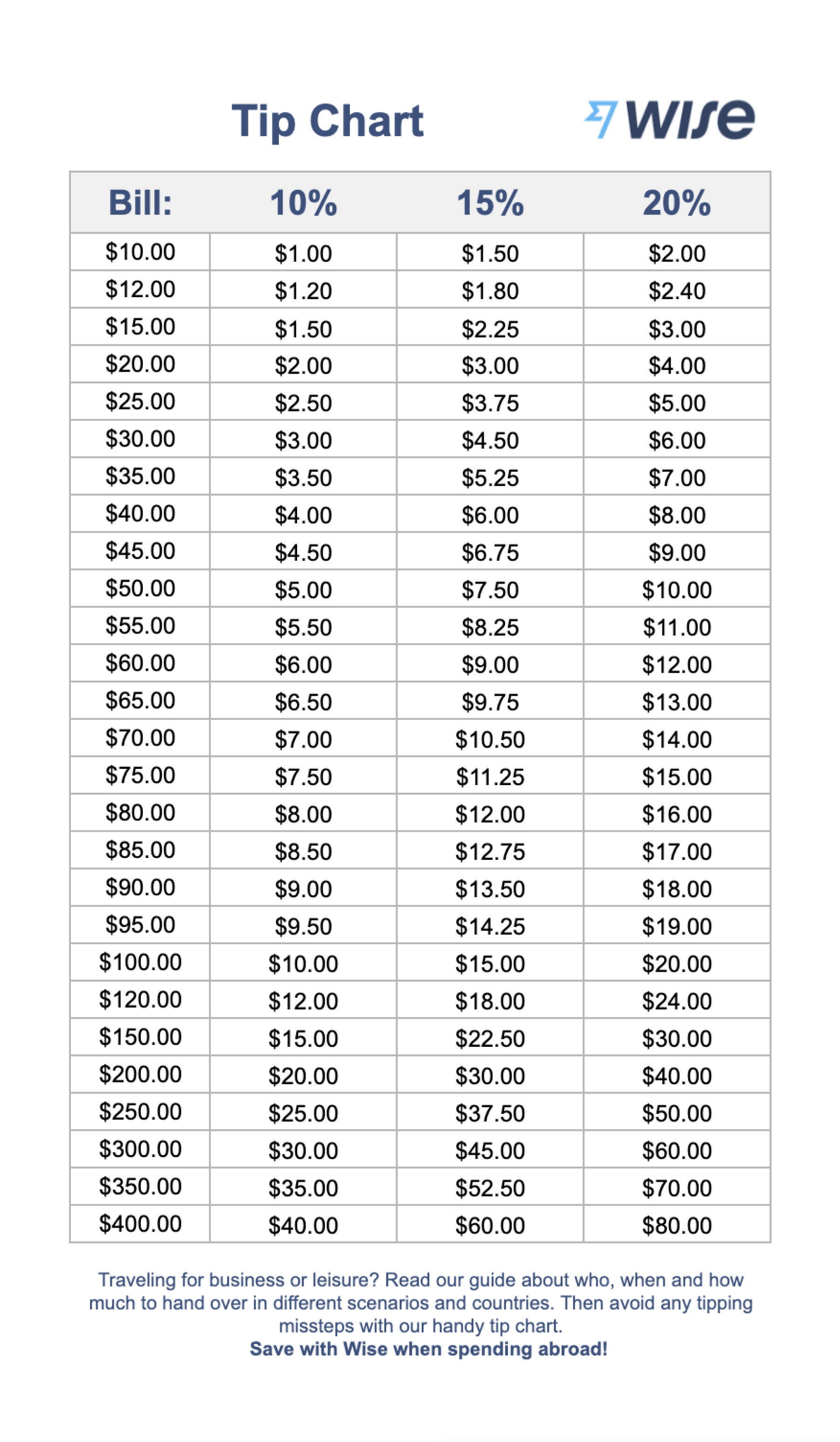
To understand how much you should be tipping today, one must first look at the shifting baseline of the American economy. For decades, the “gold standard” for a restaurant tip was 15%. However, over the last ten years, that floor has effectively moved. In most urban centers and across the service industry at large, 18% to 20% is now considered the standard for “good” service.
From 15% to 20%: Understanding the New Baseline
The shift from 15% to 20% as a baseline isn’t merely a result of social pressure; it is a reflection of the widening gap between the federal tipped minimum wage and the actual cost of living. In the United States, the federal minimum wage for tipped employees has remained at $2.13 per hour since 1991. While many states have enacted higher local minimums, the reliance on gratuity to bridge the “living wage gap” has increased. From a personal finance perspective, when you calculate the cost of a meal out, you must treat the 20% tip as a fixed cost rather than a variable luxury. If the 20% addition makes the meal unaffordable, the financial reality is that the meal itself is outside of your current budget.
The Impact of Inflation on Service Industry Wages
Inflation affects the service sector uniquely. While the price of menu items rises—thereby naturally increasing the dollar amount of a percentage-based tip—the operational costs for service workers (such as transportation, housing, and healthcare) often outpace these incremental gains. For the consumer, viewing a tip as a percentage of the total bill helps maintain the purchasing power of the service provider. In an era of high inflation, sticking to a 20% minimum ensures that the labor behind your experience is compensated in a way that keeps pace with the broader economy.
Navigating the Financial Etiquette of Different Service Sectors
One of the most significant challenges in modern money management is the “tipping creep”—the expansion of tipping requests into sectors where they were previously uncommon. To manage your finances effectively, it is helpful to categorize services and assign a “standard percentage” to each, allowing for predictable budgeting.
Full-Service Dining vs. Counter Service
The distinction between full-service dining and counter service (or “fast-casual”) is where most consumers feel the most friction.
- Full-Service: The standard remains 18%–22%. This covers the coordinated effort of servers, bussers, and kitchen staff.
- Counter Service: This is the “iPad flip” scenario. While the prompt may suggest 15%, 20%, or 25%, the financial etiquette for counter service is more flexible. For a simple coffee or a pre-packaged sandwich, $1 to $2, or 10%, is a generous and appropriate gesture. However, for complex custom orders, leaning toward 15% is recommended. From a budgeting standpoint, these small “micro-tips” can add up; if you buy coffee daily, a $1 tip per day is $365 a year—a small but notable line item in a personal budget.
Travel and Hospitality: Hotels, Valets, and Rideshares
Travel expenses often involve a series of small, cash-based tips that are frequently overlooked in vacation budgeting.
- Rideshares (Uber/Lyft): 15%–20% is standard. Many users forget to tip on apps, but for the driver, this is a significant portion of their take-home pay after gas and maintenance.
- Valet Parking: $2–$5 upon the return of the car.
- Hotel Housekeeping: $3–$5 per night. This is often the most neglected tip in the hospitality industry, yet it represents some of the most labor-intensive work. Including this in your “travel incidentals” budget is a hallmark of a disciplined and ethical traveler.
Personal Care and Professional Services
For services that involve high levels of personal interaction and technical skill—such as barbers, hair stylists, massage therapists, and tattoo artists—the standard is firmly set at 20%. Because these professionals often pay “chair fees” or provide their own supplies, the tip represents a large portion of their actual profit margin. If you are receiving a discounted service (e.g., a promotional rate or a Groupon), personal finance etiquette dictates that you should tip 20% based on the original price of the service, not the discounted total.

The Economics of “Tip Creep” and Budgeting for Gratuity
As digital point-of-sale (POS) systems like Square and Toast become ubiquitous, consumers are being prompted to tip at almost every transaction. This phenomenon, often called “Tip Creep,” can lead to decision fatigue and “guilt-tipping,” which can quietly erode a monthly budget.
Digital Point-of-Sale Systems and Decision Fatigue
The psychological “nudge” of a pre-set tipping screen (often starting at 20% or 25%) is designed to capitalize on the social pressure of the moment. From a financial wellness perspective, it is important to detach the emotion from the transaction. You have the right to select “Custom Tip” or “No Tip” for transactions that do not involve a service component (such as buying a retail item at a bakery). Being intentional about where your money goes prevents “leakage”—those small, unplanned expenditures that make it difficult to track where your income is disappearing each month.
Integrating Tips into Your Monthly Cash Flow
A sophisticated approach to personal finance involves “grossing up” your service-based expenses. If you budget $500 a month for “Dining Out,” you should recognize that your actual purchasing power for food is only about $400. The remaining $100 (20%) is reserved for gratuity. By accounting for the tip upfront, you avoid the end-of-the-month surprise when your credit card statement arrives and the “small” meals turn out to be significantly more expensive due to the accumulated tips.
Strategic Tipping: When to Go Above or Below the Average
While 20% is the baseline, there are specific financial and social scenarios where adjusting that percentage is both appropriate and strategic.
Rewarding Exceptional Value Creation
In some cases, a service provider goes beyond the transaction to provide genuine value—perhaps a concierge secures a difficult reservation, or a freelance consultant provides insights that save you thousands of dollars. In these instances, tipping above 20% (or providing a flat-fee “success bonus”) is a wise investment in the relationship. In the world of business and personal finance, rewarding high-performers ensures that you remain a “preferred client,” often leading to better service, priority scheduling, and insider access in the future.
Handling Service Failures Financially
What happens when the service is objectively poor? While the impulse may be to leave a 0% tip, financial experts and etiquette specialists usually advise against it. A 0% tip is often interpreted as an oversight rather than a critique. Instead, leaving a 10% tip sends a clear message that the service was acknowledged but found lacking. More importantly, if the service failure was significant, it is more effective to speak with a manager to seek a reduction in the bill itself rather than just withholding the tip. This protects your reputation as a fair consumer while ensuring that the business is aware of the lapse in quality.
The Future of Gratuity: Service Charges and “Tip-Free” Models
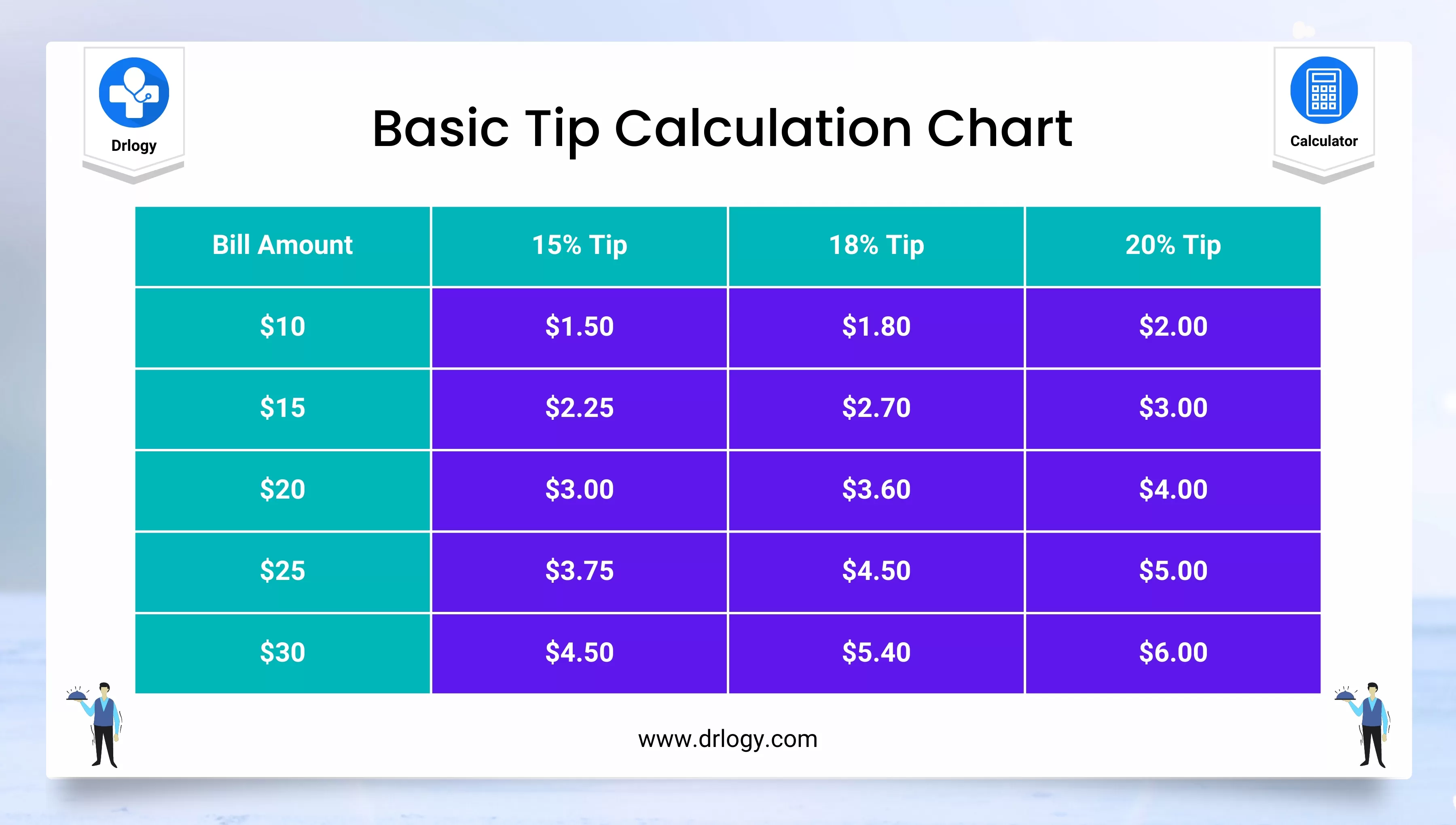
As the conversation around a living wage intensifies, more businesses are moving toward “service inclusive” models. You may notice a “20% Service Charge” automatically added to your bill.
From a financial standpoint, you must read the fine print. Sometimes this charge is a “Living Wage Surcharge” that goes toward health insurance for staff and is not a tip for your specific server. In other cases, it replaces the tip entirely. Understanding these nuances is key to ensuring you aren’t double-tipping (unless you intend to) and that you are appropriately compensating the person who served you.
In conclusion, “what percent for tip” is a question that sits at the intersection of math and manners. By adopting a standard 20% baseline, budgeting for it as a fixed cost, and remaining mindful of the “digital nudge” at the checkout counter, you can navigate the modern economy with financial confidence and social grace. Tipping is more than just a line item; it is a reflection of your personal financial values and your participation in the broader economic ecosystem.
aViewFromTheCave is a participant in the Amazon Services LLC Associates Program, an affiliate advertising program designed to provide a means for sites to earn advertising fees by advertising and linking to Amazon.com. Amazon, the Amazon logo, AmazonSupply, and the AmazonSupply logo are trademarks of Amazon.com, Inc. or its affiliates. As an Amazon Associate we earn affiliate commissions from qualifying purchases.