
In the modern financial landscape, the speed of capital movement has become as critical as the capital itself. Venmo, a titan in the peer-to-peer (P2P) payment sector, has revolutionized how we handle small-scale personal finance, from splitting dinner checks to paying rent. However, as the platform has evolved from a social networking experiment into a robust financial tool, its fee structure has become a focal point for savvy users looking to optimize their cash flow. The most common question among these users is: what percent does Venmo take for an instant transfer, and is the convenience worth the cost?
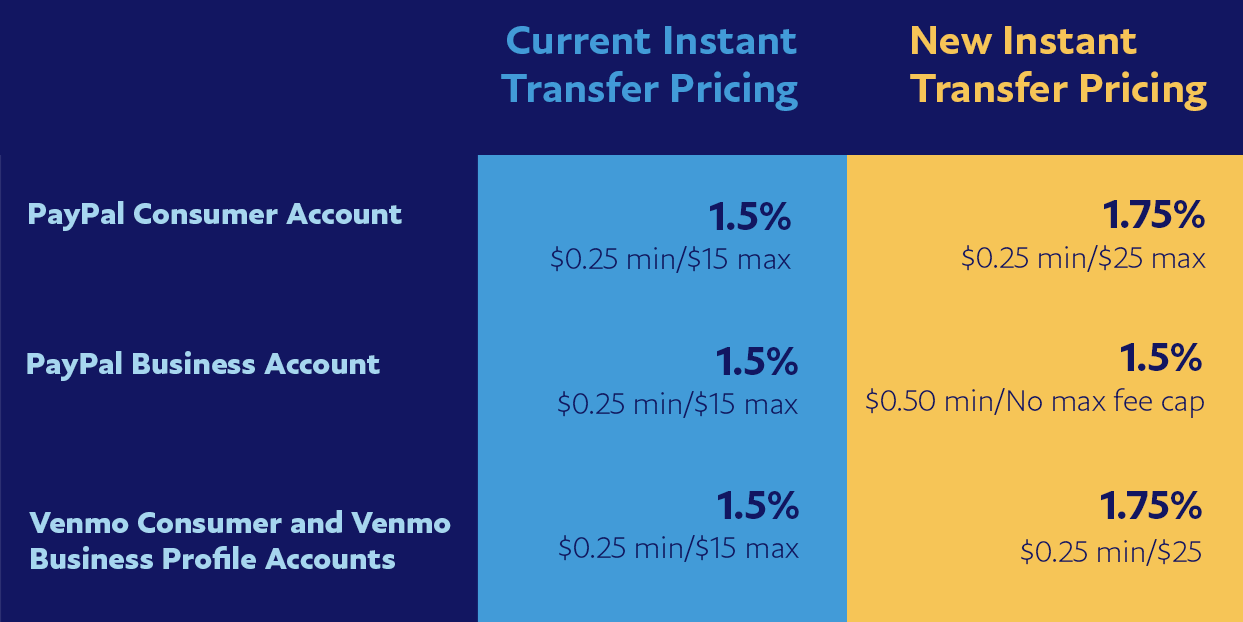
Currently, Venmo charges a fee of 1.75% for its Instant Transfer service. While this may seem like a marginal percentage at a glance, the implications for your personal bottom line can be significant over time. Understanding the mechanics of this fee, the alternatives available, and the strategic timing of your transfers is essential for maintaining a healthy financial workflow.
Breaking Down the Venmo Instant Transfer Fee
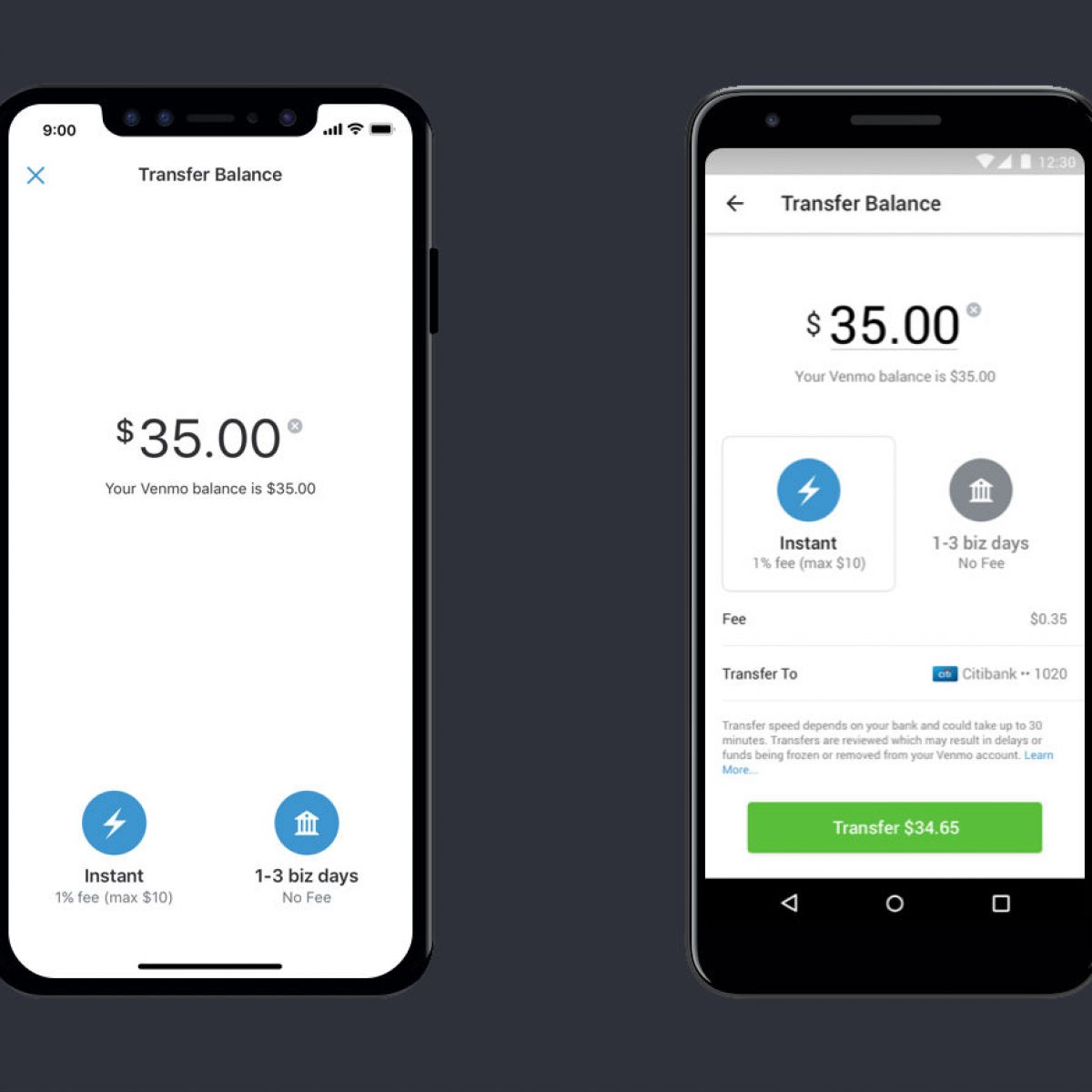
The 1.75% fee is a mandatory deduction for users who wish to move their Venmo balance to a linked debit card or an eligible bank account immediately. This service is designed for those who cannot afford the typical 1-to-3 business day waiting period associated with standard ACH transfers.
The Minimum and Maximum Thresholds
It is not just the percentage that matters; Venmo has established guardrails that impact both very small and very large transactions.
-
The Minimum Fee: Venmo charges a minimum fee of $0.25. This means if you are transferring a small amount—for instance, $10—you aren’t paying 1.75% ($0.175); you are paying the full quarter. In this scenario, your effective fee rate jumps to 2.5%, making small instant transfers disproportionately expensive.
-
The Maximum Fee: On the opposite end of the spectrum, the fee is capped at $25.00. This is a crucial detail for high-volume users. If you are transferring $2,000, 1.75% would normally be $35.00. Because of the cap, you save $10.00. For any transfer above approximately $1,428, the effective percentage starts to drop below 1.75%, making the instant transfer more “cost-effective” for larger sums in terms of percentage.
How the Fee is Deducted
Unlike some services that add a fee on top of the transaction, Venmo deducts the fee directly from the transfer amount. If you initiate an instant transfer for $100, you will see $98.25 land in your bank account, while $1.75 stays with Venmo. This “net-settlement” approach is important to remember if you are transferring funds to cover a specific bill that requires an exact balance.
The Economic Logic Behind Instant Transfer Fees
To manage your money effectively, it is helpful to understand why this fee exists. In the traditional banking world, moving money between institutions via the Automated Clearing House (ACH) network is a batch-processed system that takes time to clear. Venmo’s “Instant” service bypasses this timeline by utilizing the real-time payment rails provided by major card networks like Visa and Mastercard.
The Cost of Liquidity
In financial terms, you are paying for liquidity. Liquidity is the ease with which an asset can be converted into ready cash without affecting its market price. By opting for an instant transfer, you are essentially purchasing time. For a gig worker who needs to pay for gas to continue working, or a student who needs to cover an immediate overdraft, that 1.75% is the price of financial agility.
The Psychology of Micro-Transactions
One of the dangers in personal finance is the “leakage” caused by small, recurring fees. While $1.75 on a $100 transfer feels negligible, a user who performs this action four times a month is spending $84 a year on transfer fees alone. From a wealth-building perspective, that is capital that could have been diverted into a high-yield savings account or a micro-investing platform. The convenience of “instant” gratification often masks the long-term erosion of capital.
Strategic Comparison: Navigating the P2P Payment Landscape
Venmo does not operate in a vacuum. To determine if the 1.75% fee is reasonable, one must look at the broader ecosystem of financial tools and how they handle the movement of money.
Venmo vs. Cash App and PayPal
Cash App, operated by Block, Inc., offers a similar instant deposit feature. Historically, Cash App’s fee has fluctuated between 0.5% and 1.75%, often mirroring Venmo’s pricing to stay competitive. PayPal, which actually owns Venmo, utilizes a nearly identical fee structure (1.75% for instant transfers to cards and bank accounts). This industry standardization suggests that the 1.75% mark is currently the market equilibrium for the cost of using private payment rails.
The Zelle Advantage
Zelle represents a different architectural approach to P2P payments. Because Zelle is integrated directly into the banking infrastructure of most major US financial institutions, it moves money from bank account to bank account almost instantly without a fee. If your primary goal is to move money quickly and for free, Zelle is often the superior financial tool. However, it lacks the “wallet” ecosystem and social features that keep users tethered to Venmo.
Apple Pay Cash
For iOS users, Apple Pay Cash offers an instant transfer to eligible debit cards for a 1.5% fee (with a minimum of $0.25 and a maximum of $15). In this comparison, Apple Pay is slightly more economical than Venmo for mid-range transfers and offers a lower maximum fee, which can be a deciding factor for those within the Apple ecosystem.
Maximizing Your Financial Efficiency with Digital Wallets
Managing the 1.75% Venmo fee is a matter of discipline and planning. By adopting a few strategic habits, you can ensure that you are never paying for speed unless it is absolutely necessary.
Utilizing the Standard Transfer
The most effective way to “beat” the fee is to never use it. Venmo’s standard transfer remains 100% free. This transfer usually takes 1 to 3 business days. For the average user, the best practice is to initiate transfers on Monday or Tuesday to ensure the funds are in the bank by the weekend. By anticipating your cash needs just 48 hours in advance, you effectively give yourself a 1.75% “return” on your money by avoiding the fee.
Linking the Right Accounts
Ensure that your Venmo account is linked directly to a high-yield checking or savings account via a verified bank connection. This allows for seamless standard transfers. Some users rely solely on debit card links, which can sometimes be more restrictive. Having a verified bank account link is the foundation of a fee-free Venmo strategy.
The “Venmo Buffer” Strategy
Another approach to managing these fees is to maintain a “buffer” in your primary bank account. If you have enough of a cash cushion to cover your immediate expenses, you can afford to wait the three days for a standard Venmo transfer to clear. In this way, your emergency fund serves as a tool to avoid unnecessary transaction costs, allowing your money to stay in your pocket rather than the service provider’s.
The Future of Instant Liquidity and Banking
The landscape of instant transfers is shifting rapidly. The introduction of the FedNow® Service by the Federal Reserve and the continued expansion of the RTP® (Real-Time Payments) network by The Clearing House are aimed at modernizing the US payment infrastructure.
Moving Toward Zero-Fee Instant Transfers
As the underlying rails of the American banking system become more capable of real-time processing, the justification for a 1.75% “convenience fee” may begin to diminish. If the “standard” transfer becomes instant by default through government or industry-wide upgrades, third-party apps like Venmo will likely have to pivot their revenue models away from transfer fees and toward value-added services or merchant fees.
The Role of FinTech in Business Finance
For freelancers and small business owners, Venmo’s instant transfer is more than just a personal convenience—it’s a business expense. While the 1.75% is a cost, it can also be a tool for managing business liquidity, paying contractors on time, or purchasing inventory. In a business context, this fee is often tax-deductible as a transaction cost, which slightly mitigates the impact on the net margin.
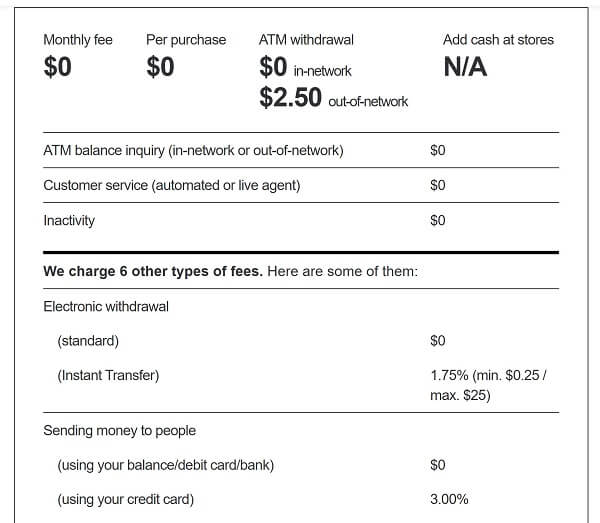
Ultimately, the 1.75% Venmo takes for an instant transfer is a premium for speed. In the world of personal finance, speed is often a luxury. By understanding the math—the $0.25 floor and the $25 ceiling—and by comparing it against the broader market of Zelle, Cash App, and standard ACH transfers, you can make an informed decision. The most successful financial managers are those who recognize that every percentage point matters, and that true financial freedom is built on the elimination of unnecessary costs, one transaction at a time.
aViewFromTheCave is a participant in the Amazon Services LLC Associates Program, an affiliate advertising program designed to provide a means for sites to earn advertising fees by advertising and linking to Amazon.com. Amazon, the Amazon logo, AmazonSupply, and the AmazonSupply logo are trademarks of Amazon.com, Inc. or its affiliates. As an Amazon Associate we earn affiliate commissions from qualifying purchases.