
The intricate symphony of our senses, each playing a crucial role in how we perceive and interact with the world, is orchestrated by our brain. Among these, the sense of smell, or olfaction, holds a unique and often underestimated power. It’s a primal sense, deeply intertwined with memory, emotion, and even our survival instincts. But when we ponder the biological machinery behind this olfactory experience, a fundamental question arises: what part of the brain controls the sense of smell?
While the intuitive answer might point to a single, dedicated “smell center,” the reality is far more nuanced and interconnected. Olfaction is a complex process involving multiple brain regions, each contributing to the detection, identification, and interpretation of airborne molecules. Understanding these components not only satisfies scientific curiosity but also sheds light on the profound impact smell has on our daily lives, from appreciating a fine meal to recognizing danger. This exploration delves into the neurological architecture that underpins our sense of smell, unraveling the journey of an odorant from our nostrils to our conscious perception.
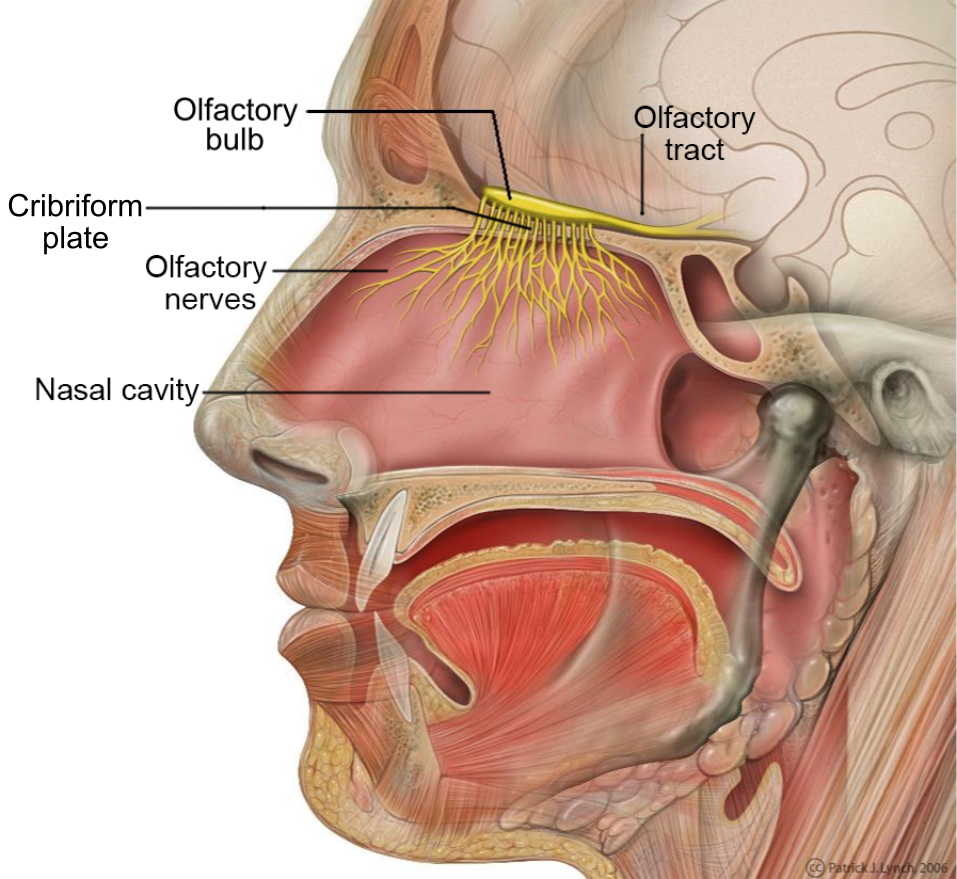
The Olfactory Pathway: A Journey from Nose to Brain
The journey of a scent begins long before it reaches the higher cognitive centers of our brain. It’s a carefully choreographed process, starting with the initial detection of odorant molecules in the environment and culminating in the complex interpretation we experience as smell. This pathway is a testament to the brain’s efficiency and specialization, with dedicated structures designed to process olfactory information.
Detecting Odorants: The Nasal Epithelium and Olfactory Receptors
Our olfactory adventure commences within the nasal cavity, specifically in a specialized region known as the olfactory epithelium. This patch of tissue, located in the upper part of the nasal cavity, is home to millions of olfactory sensory neurons. These neurons are the primary detectors of odorants. Attached to the dendrites of these neurons, which project into the nasal mucus, are olfactory receptors. These receptors are protein molecules that bind to specific odorant molecules.
There are hundreds of different types of olfactory receptors in humans, each capable of recognizing a particular range of chemical structures. When an odorant molecule encounters its corresponding receptor, it triggers a biochemical cascade within the neuron. This cascade ultimately leads to the generation of an electrical signal. It’s this electrical signal that carries the initial information about the smell. The diversity of olfactory receptors allows us to distinguish an astonishing array of scents, from the sweet aroma of roses to the pungent odor of ammonia.
Transmitting the Signal: The Olfactory Nerve and Olfactory Bulb
Once the olfactory sensory neurons are activated, they transmit their electrical signals along their axons. These axons bundle together to form the olfactory nerve, which is unique in that it directly projects to the olfactory bulb, bypassing the thalamus, a relay station for most other sensory information. This direct connection highlights the primal nature of olfaction.
The olfactory bulb, located on the underside of the frontal lobes of the brain, is the first major processing center for olfactory information. Here, the axons from the olfactory sensory neurons synapse with other neurons, primarily mitral cells and tufted cells, within structures called glomeruli. Each glomerulus receives input from olfactory sensory neurons that express the same type of olfactory receptor. This organization allows for a preliminary sorting and processing of odor information based on the detected odorant profiles. The olfactory bulb essentially acts as a hub, integrating and refining the signals from the nasal epithelium before relaying them to other brain regions.
The Role of the Piriform Cortex: Identifying and Recognizing Smells
While the olfactory bulb is crucial for initial processing, the real work of identifying and recognizing what we are smelling happens in subsequent brain regions. The piriform cortex, a key component of the olfactory cortex, plays a pivotal role in this olfactory perception.
Decoding Odor Signatures: The Piriform Cortex and Olfactory Association
The piriform cortex, located in the temporal lobe, is a primary olfactory processing area. It receives direct input from the olfactory bulb. Unlike the more topographical organization of visual or auditory processing areas, the piriform cortex is organized more associatively. This means that neurons within the piriform cortex represent distinct odor “signatures” or patterns of activation.
When a particular combination of odorant molecules activates a specific pattern of olfactory receptors, this pattern is transmitted to the piriform cortex. Neurons in the piriform cortex then learn to associate these patterns with specific smells. This is where the magic of identification happens. The piriform cortex allows us to distinguish between the smell of freshly baked bread and the smell of burning toast, even if both share some common odorant components. It’s this area that enables us to name and categorize smells.
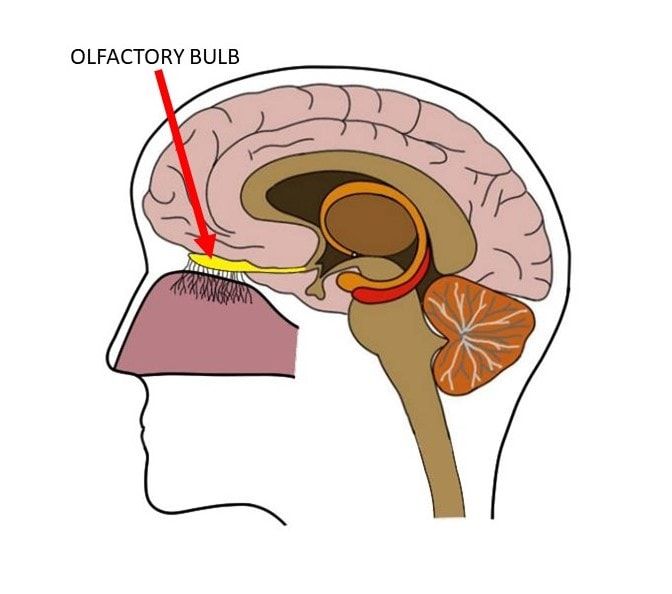
Linking Smell to Experience: The Amygdala and Hippocampus
The piriform cortex doesn’t operate in isolation. It has extensive connections with other brain regions, most notably the amygdala and the hippocampus. These connections are critical for the powerful link between smell, emotion, and memory.
The amygdala, a small, almond-shaped structure deep within the temporal lobe, is primarily associated with processing emotions, particularly fear and pleasure. When we encounter a smell, the piriform cortex sends signals to the amygdala, which can trigger an immediate emotional response. This explains why certain smells can instantly evoke feelings of comfort, joy, or even anxiety. The scent of a childhood home might bring feelings of warmth and nostalgia, while the smell of a specific disinfectant could trigger a fearful reaction if associated with a past traumatic event.
The hippocampus, located adjacent to the amygdala, is crucial for the formation and retrieval of memories. Its connections with the piriform cortex allow smells to become deeply embedded in our long-term memories. This is why olfactory cues are often potent triggers for vivid autobiographical memories. A particular perfume might transport you back to a specific moment in your life, allowing you to recall details with remarkable clarity. This interplay between the piriform cortex, amygdala, and hippocampus forms the basis of our rich and emotionally charged olfactory experiences.
Beyond Identification: Higher-Order Processing and Functional Significance
The brain’s involvement in olfaction doesn’t cease with simple identification and emotional association. There are further layers of processing that contribute to our overall olfactory experience and underscore the functional significance of this sense.
Integrating Olfactory Information: The Orbitofrontal Cortex
The orbitofrontal cortex (OFC), located in the frontal lobe just above the eyes, plays a critical role in the conscious perception and evaluation of smell. It receives input from the piriform cortex and other sensory areas, allowing it to integrate olfactory information with other sensory modalities, such as taste and sight. This integration is crucial for appreciating the complex flavors of food, where taste and smell work in concert.
The OFC is also involved in the hedonic value of smells – whether we find a particular scent pleasant or unpleasant. It contributes to our ability to make decisions based on olfactory cues, such as choosing a food item based on its aroma. Furthermore, the OFC is implicated in olfactory learning and adaptation, allowing us to adjust our responses to smells over time. For instance, we can become desensitized to a constant smell, a process mediated by the OFC.
The Primal Instincts: Survival and Social Signaling
The sense of smell is deeply rooted in our evolutionary history, playing a vital role in survival and social interactions. The brain’s olfactory system is intricately wired to respond to cues that are crucial for our well-being.
One of the most fundamental roles of smell is in detecting danger. The ability to detect the odor of smoke, for instance, can alert us to a potential fire, allowing us to escape. Similarly, the smell of spoiled food can warn us against consumption, preventing food poisoning. These are life-saving reflexes orchestrated by our olfactory system and its rapid connections to survival-oriented brain regions.
Beyond direct danger detection, smell also plays a role in social signaling. While less pronounced in humans than in many other species, pheromones, chemical signals released by individuals that can influence the behavior of others, are still an area of active research. Subtle olfactory cues can influence mood, attraction, and even the synchronization of biological rhythms. The brain’s processing of these subtle signals contributes to our complex social dynamics.

Conclusion: A Multifaceted Brain Network for a Powerful Sense
In conclusion, the question of what part of the brain controls the sense of smell yields not a single answer, but rather a complex and interconnected network. From the initial detection of odorant molecules in the nasal epithelium by specialized olfactory receptors, the signal embarks on a journey through the olfactory nerve to the olfactory bulb for preliminary processing. From there, it ascends to the piriform cortex for identification and recognition, and crucially, branches out to the amygdala for emotional processing and the hippocampus for memory formation. Finally, the orbitofrontal cortex integrates this olfactory information with other senses, allowing for conscious perception, evaluation, and decision-making.
This intricate neural architecture underscores the profound importance of olfaction. It is not merely a passive sensory input; it is a dynamic system deeply intertwined with our emotions, memories, survival instincts, and social interactions. The next time you inhale the scent of a familiar place or a loved one, remember the remarkable symphony of neural activity unfolding within your brain, a testament to the enduring power and complexity of our sense of smell.
aViewFromTheCave is a participant in the Amazon Services LLC Associates Program, an affiliate advertising program designed to provide a means for sites to earn advertising fees by advertising and linking to Amazon.com. Amazon, the Amazon logo, AmazonSupply, and the AmazonSupply logo are trademarks of Amazon.com, Inc. or its affiliates. As an Amazon Associate we earn affiliate commissions from qualifying purchases.