
Selling a vehicle is more than just a simple exchange of keys for cash; it is a formal financial transaction that involves the transfer of a significant asset and the mitigation of future liabilities. For most individuals, a vehicle represents one of their largest depreciating assets, and liquidating that asset requires a meticulous approach to documentation. Failing to provide the correct paperwork can lead to legal disputes, financial penalties, or the inability of the buyer to register the vehicle, which could leave the seller liable for accidents or tickets incurred by the new owner.

To ensure a smooth transition and protect your financial interests, you must understand the specific documents required to finalize a private party car sale. This guide explores the essential paperwork needed from a personal finance and risk management perspective.
The Core Legal Framework: Proof of Ownership and Title Transfer
The most critical document in any vehicle sale is the Certificate of Title, often referred to as the “pink slip.” This document serves as the legal proof of ownership and is the primary instrument used to transfer the asset from your name to the buyer’s.
Navigating the Title Transfer Process
When you sell a car, you must sign the title over to the buyer. This usually involves filling out a specific section on the back of the document that includes the sale price, the date of the transaction, and the current odometer reading. It is imperative that this section is filled out accurately; any erasures or use of correction fluid can void the title in many jurisdictions, requiring you to apply for a duplicate before the sale can proceed.
Addressing Liens and Financial Obligations
From a financial standpoint, you cannot legally sell a car if there is an active lien on the title. If you have an outstanding auto loan, your lender—the lienholder—technically holds a legal interest in the vehicle. To sell the car, you must first pay off the balance of the loan to obtain a lien release.
If you are selling a car that is not yet paid off, you have two primary financial paths:
- Direct Payoff: You pay the remaining balance to the lender using personal savings or the proceeds from the sale (often coordinated through the lender’s local branch).
- Escrow or Facilitated Payoff: The buyer pays the lender directly, and the lender then sends the title to the buyer or the buyer’s DMV.
Ensuring the lien is cleared is a vital step in protecting the buyer’s investment and ensuring you are no longer financially responsible for the debt associated with the asset.
Protecting Your Financial Interests with a Bill of Sale
While not every state strictly requires a Bill of Sale to register a vehicle, it is an essential document for any seller who wishes to maintain a clear financial and legal audit trail. A Bill of Sale acts as a formal contract between the buyer and the seller, documenting the terms of the agreement.
Essential Components of a Bill of Sale
To be effective, a Bill of Sale should include:
- The Purchase Price: This is crucial for the buyer’s tax purposes and for your own financial records.
- The “As-Is” Clause: This is perhaps the most important phrase for a private seller. By stating the vehicle is sold “as-is,” you are making a legal declaration that there are no warranties, expressed or implied, and that the buyer accepts the vehicle in its current condition. This protects you from future financial claims if the car mechanical issues arise after the sale.
- Vehicle Identification Number (VIN): This ensures the document is tied specifically to the asset in question.
- Buyer and Seller Information: Names, addresses, and signatures of both parties.
The Bill of Sale as a Receipt
In the eyes of tax authorities and insurance companies, the Bill of Sale serves as a receipt. If you are ever audited or if there is a dispute regarding the value of the transaction, this document provides the necessary evidence to support your financial claims.
State-Mandated Disclosures and Compliance Documents

Beyond proof of ownership, several supplemental documents may be required depending on your local regulations and the age of the vehicle. These documents are designed to protect the integrity of the secondary market and ensure that the buyer is fully informed about the asset they are purchasing.
Odometer Disclosure Statement
Federal law requires that the seller of a vehicle provide an accurate odometer reading at the time of sale for most vehicles under 20 years old. While the title often has a dedicated space for this, some states require a separate Odometer Disclosure Statement. Falsifying this information is a federal offense and can lead to significant financial restitution and legal consequences. Accurate disclosure ensures that the valuation of the car is based on its true usage.
Damage and Salvage Disclosures
If the vehicle has been involved in a major accident that resulted in a “salvage” or “rebuilt” title, you are legally and ethically obligated to disclose this. From a personal finance perspective, a salvage title significantly reduces the market value of the vehicle. Failing to disclose such history can lead to a lawsuit for fraud, which could result in a court order to refund the full purchase price plus legal fees.
Emissions and Safety Certificates
In many regions, a vehicle cannot be sold or registered without a valid emissions test (smog check) or a safety inspection certificate. In some states, the responsibility for providing a passing smog certificate falls on the seller. Providing these documents upfront can increase the perceived value of your vehicle, as it assures the buyer that they won’t face immediate repair costs to make the car road-legal.
Maximizing Resale Value through Financial and Service Records
While not legally required to transfer ownership, providing a comprehensive history of the vehicle’s maintenance and repair records is a strategic move that can significantly impact the final sale price.
The ROI of Organized Records
A buyer is often willing to pay a premium for a vehicle that comes with a “paper trail.” Service records prove that the asset has been maintained properly, which mitigates the risk of future mechanical failure. From a financial management standpoint, keeping a folder of receipts for oil changes, brake replacements, and major repairs allows you to justify a higher asking price, effectively increasing your return on the investment.
Warranty Documentation
If the vehicle is still under a manufacturer’s warranty or an extended service contract, you must provide the paperwork necessary to transfer that coverage to the new owner. A transferable warranty adds tangible financial value to the deal, as it provides the buyer with a safety net against future expenses. Ensure you have the contract numbers and the contact information for the warranty provider ready.
Executing the Financial Transfer and Finalizing the Sale
Once the paperwork is gathered and a buyer is found, the final step involves the actual exchange of funds and the filing of “Release of Liability” forms. This stage is where the seller is most vulnerable to financial risk and fraud.
Secure Payment Methods
To protect your finances, avoid personal checks or unsecured digital payments. The gold standard for private car sales is a cashier’s check (verified at the issuing bank) or a wire transfer. If accepting cash, it is wise to conduct the transaction at a bank branch where the bills can be verified and immediately deposited.
Notice of Transfer and Release of Liability
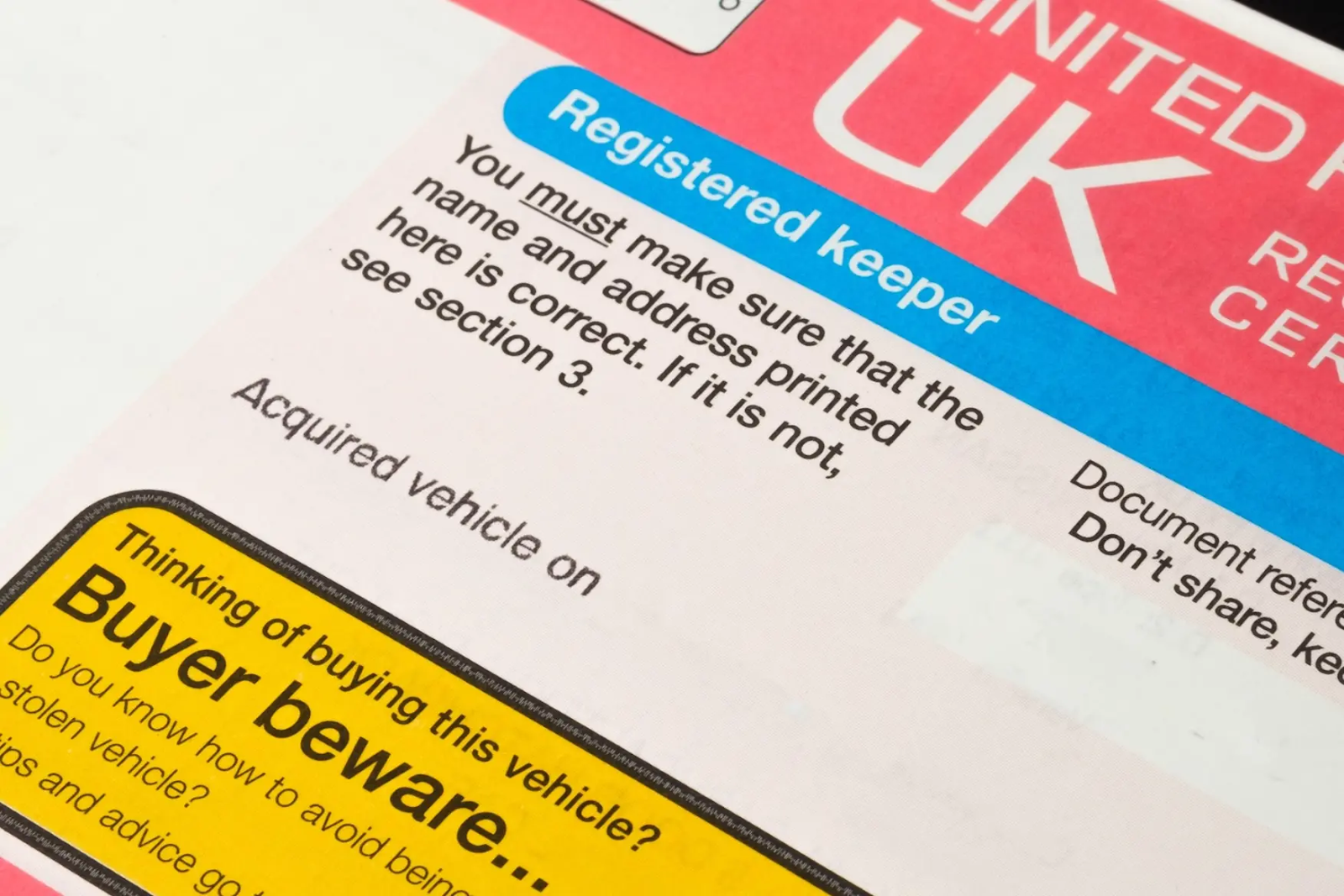
Immediately after the sale, you must notify your state’s Department of Motor Vehicles (DMV) that you no longer own the vehicle. This is usually done via a “Notice of Transfer” or “Release of Liability” form. This is a critical step in your financial protection strategy; until this form is processed, you may still be held liable for any parking tickets, toll violations, or even criminal activity involving the vehicle.
Insurance Cancellation
Once the title is signed over and the Release of Liability is filed, contact your insurance provider to remove the vehicle from your policy. From a personal finance perspective, this ensures you are not paying premiums for an asset you no longer own. However, ensure that the policy remains active until the moment the buyer drives away to cover any potential incidents during the final test drive or the handover process.
By meticulously managing the paperwork required to sell a car, you transform a potentially chaotic event into a professional financial transaction. Taking the time to secure the title, draft a robust Bill of Sale, and file the necessary disclosures not only protects your legal standing but also ensures that you maximize the financial return on your vehicle.
aViewFromTheCave is a participant in the Amazon Services LLC Associates Program, an affiliate advertising program designed to provide a means for sites to earn advertising fees by advertising and linking to Amazon.com. Amazon, the Amazon logo, AmazonSupply, and the AmazonSupply logo are trademarks of Amazon.com, Inc. or its affiliates. As an Amazon Associate we earn affiliate commissions from qualifying purchases.