
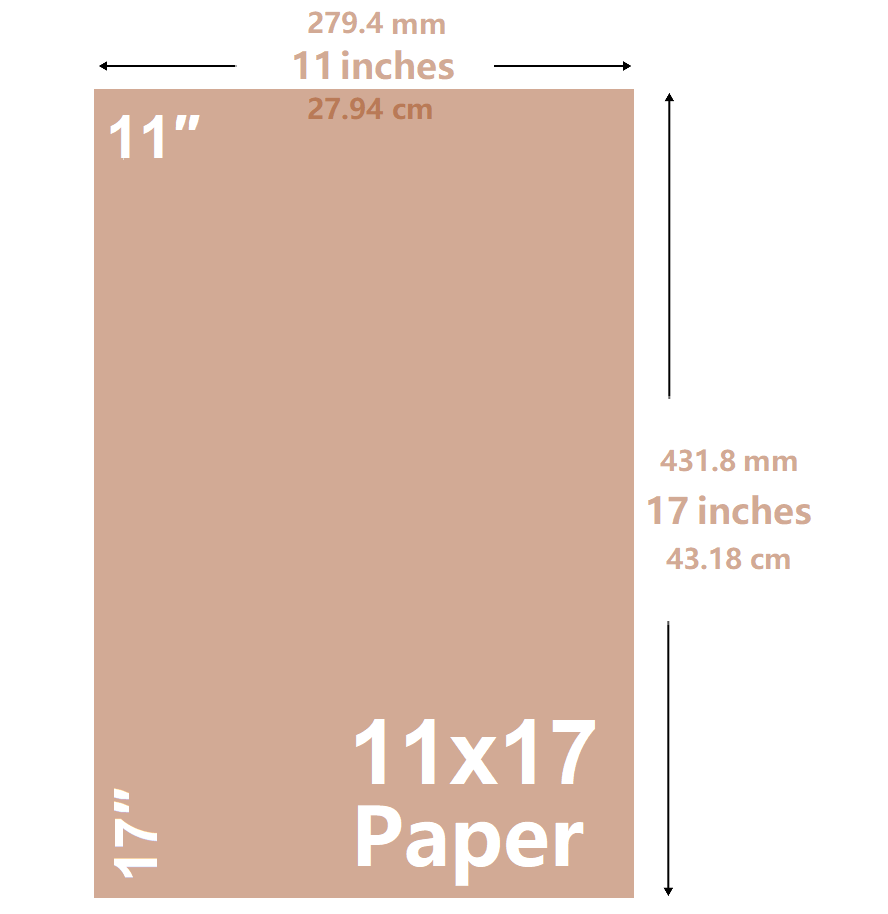
The question “what paper size is 11×17?” might seem deceptively simple, but for professionals in the design, printing, and content creation industries, understanding this particular paper dimension is crucial. It’s not just about a set of numbers; it represents a versatile format with a significant role in various applications. This article will delve into the specifics of the 11×17 paper size, its common names, its practical applications, and why it remains a relevant and valuable tool in the digital age, particularly within the realm of Tech and its impact on design and digital content creation.
Understanding the 11×17 Paper Dimension: Beyond the Numbers
At its core, 11×17 inches is a standard paper size recognized in North America. However, its significance extends beyond mere measurement. This size is often a bridge between standard letter-sized documents and larger poster or tabloid formats, offering a unique balance of displayability and manageable handling.
North American Equivalents and Industry Jargon
While “11×17” is the most common descriptor, this paper size is known by several other names, depending on the context and the industry.
Tabloid vs. Ledger: A Common Point of Confusion
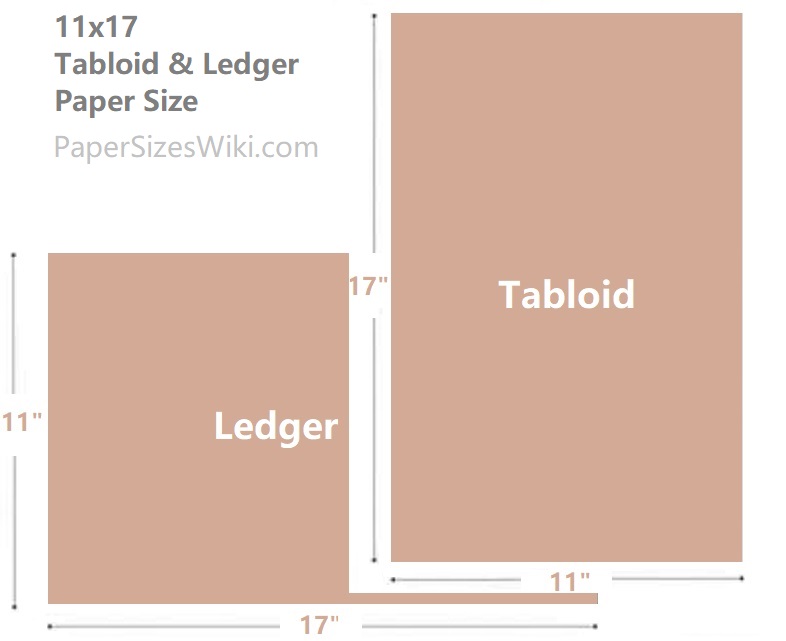
The terms “Tabloid” and “Ledger” are frequently used interchangeably when referring to 11×17 inch paper, which can lead to confusion. Historically, the distinction was more defined.
-
Tabloid paper size, in its purest form, was traditionally associated with newspapers. In the context of commercial printing and office use, it specifically refers to the 11×17 inch sheet. This size offers ample space for more detailed layouts, graphics, and text compared to a standard letter size (8.5×11 inches). For designers and content creators working with digital assets meant for print, the tabloid size allows for richer visual storytelling and more comprehensive data presentation.
-
Ledger paper size also refers to 11×17 inches. Historically, ledger paper was thicker and used for accounting books and financial records. In contemporary office environments and printing, the term “Ledger” is often used to denote the same 11×17 inch dimensions as “Tabloid.” The key differentiator, if any, lies in the paper stock’s weight and finish, rather than the dimensions themselves. However, for the purpose of understanding the physical space it provides, both terms point to the same 11×17 inch format.
The convergence of these terms in modern usage means that when an application or printer specifies “Tabloid” or “Ledger,” it almost invariably refers to the 11×17 inch format. This is especially relevant for digital design software. Programs like Adobe InDesign, Illustrator, and even Microsoft Publisher often present these options in their document setup, allowing designers to create layouts specifically for this medium. Understanding this nomenclature is the first step in effectively utilizing this versatile paper size.
International Comparisons: Bridging the Gap
While 11×17 inches is a North American standard, it’s useful to understand its international counterparts to appreciate its relative size and function.
-
A3 Size: In the ISO (International Organization for Standardization) paper size system, A3 is the closest equivalent to 11×17 inches. A3 measures 297 x 420 millimeters, which translates to approximately 11.69 x 16.54 inches. This is remarkably close, and for many practical applications, A3 and 11×17 can be considered interchangeable in terms of the usable space they offer for documents, posters, and layouts. The ISO system is based on a geometric progression where each subsequent size is half the area of the previous one, starting with A0. A3 sits comfortably in the middle, suitable for posters, charts, and larger presentations.
-
Other Tabloid-like Sizes: While A3 is the closest ISO standard, other regions might have their own variations or preferences. However, the 11×17 inch dimension has carved out a significant niche due to its prevalence in North American design and printing workflows, especially when interacting with software and hardware designed with these dimensions in mind. For digital designers, understanding how their 11×17 inch creations will translate to an A3 print, or vice versa, is an important consideration for global distribution.
The existence of these comparable international standards highlights the universal need for a mid-size format that offers more impact than a standard letter or A4 page but remains more practical to produce and distribute than a full-size poster.
Practical Applications of 11×17 in the Digital Workflow
The enduring relevance of the 11×17 paper size in the digital age is a testament to its versatility and effectiveness in bridging the gap between digital design and physical output. Its size allows for impactful presentations, detailed documentation, and visually engaging marketing materials, making it a staple in various professional workflows.
Design and Layout: Where Visuals Take Center Stage
For graphic designers, layout artists, and content creators, 11×17 offers a canvas that allows for more creative freedom and detailed information conveyance than smaller formats.
-
Brochures and Flyers: Tri-fold brochures are a classic example where 11×17 is invaluable. When folded, a standard tri-fold brochure utilizes three panels of approximately 8.5×11 inches each, but the content is designed on a flat 11×17 sheet, allowing for a seamless flow of information and imagery across the panels. This provides ample space for compelling headlines, detailed product descriptions, and engaging graphics. The larger surface area allows for more sophisticated layouts, including the integration of photography, illustrations, and text in a visually balanced manner.
-
Presentations and Reports: Beyond simple handouts, 11×17 is frequently used for creating more impactful presentation materials. Large-format handouts, detailed project reports, and even components of larger visual displays benefit from this size. For instance, architects or engineers might present design schematics or data visualizations on 11×17 sheets, providing a clearer view of intricate details that would be lost on smaller pages. Digital design tools excel at laying out these multi-panel documents, allowing for precise control over typography, image placement, and color profiles, ensuring the final print accurately reflects the digital vision.
-
Digital Mockups and Prototypes: In the world of user interface (UI) and user experience (UX) design, 11×17 is often used for creating larger-scale mockups of websites or application interfaces. This allows designers and stakeholders to visualize the user flow and overall design at a more realistic size, facilitating better feedback and iteration before development. While the final output might be digital, the process of designing and reviewing on a larger physical representation, even if printed from a digital file, is a critical step.
Printing and Production: Bridging the Digital-Physical Divide
The 11×17 paper size is deeply intertwined with the capabilities of modern printing technology and the workflows of print service providers.
-
Standard Printer Capabilities: Many office-grade and professional printers are capable of printing on 11×17 inch paper. This accessibility makes it a convenient choice for in-house printing of marketing materials, internal reports, or project documentation. Digital design software is built to output to these printer specifications, ensuring that what you see on your screen can be accurately translated to a physical sheet. The ability to print at this size without resorting to specialized print shops adds a layer of agility to content creation processes.
-
Commercial Printing Efficiency: For larger print runs, 11×17 remains an efficient size for commercial printers. It can be efficiently cut down from larger parent sheets, and its dimensions are well-suited for various finishing processes. When sending designs to a commercial printer, specifying the 11×17 size (or its equivalent like Tabloid Extra) is essential. Understanding the bleed and trim specifications within design software for this size is crucial for ensuring professional-quality results. The digital files are prepared with these specific print parameters in mind, optimizing the use of the paper.
-
Digital Asset Preparation: The preparation of digital assets for 11×17 printing involves careful consideration of resolution, color modes (CMYK for print), and layout. Design software like Adobe Photoshop, Illustrator, and InDesign are equipped with templates and settings for this specific paper size. Designers ensure that images are of sufficient resolution (typically 300 DPI at the intended print size) and that text is legible. The print-ready PDF export functionality is key, packaging all design elements into a single file that can be reliably processed by printing equipment.
The Evolution of 11×17 in the Digital Age
Despite the pervasive shift towards digital content, the 11×17 paper size has not only survived but thrived by adapting to new technological advancements and creative demands. Its ability to offer a tangible and impactful visual experience continues to be its greatest asset.
Digital Tools and Software: Empowering the 11×17 Workflow
The software available today makes working with the 11×17 format more accessible and efficient than ever before.
-
Graphic Design Software: As mentioned, Adobe Creative Suite (InDesign, Illustrator, Photoshop) is the industry standard for designing on 11×17. These programs offer robust tools for layout, typography, and image manipulation, allowing for precise control over every element. Users can set up their documents with specific dimensions, margins, bleeds, and resolution settings tailored for 11×17 printing. The ability to create multi-page documents or single-page impactful designs on this format is seamless.
-
Desktop Publishing and Word Processing: Even beyond professional design software, applications like Microsoft Publisher and even advanced features within Microsoft Word or Google Docs can be used to create 11×17 documents. While they may offer less sophisticated design controls, they are perfectly capable of laying out text and images for printing on this size. This democratizes the creation of larger-format documents, making them accessible to a wider range of users.
-
Online Design Platforms: A proliferation of online design tools, such as Canva, VistaCreate, and Adobe Express, have also embraced the 11×17 paper size. These platforms offer pre-designed templates specifically for Tabloid or Ledger formats, simplifying the design process for users who may not have professional design software or extensive training. Users can easily select an 11×17 template and customize it with their own content, photos, and branding elements, then download a print-ready file.
Bridging Print and Digital: Hybrid Approaches
The 11×17 format often serves as a critical link between the digital and physical realms, facilitating hybrid marketing and communication strategies.
-
Augmented Reality Integration: In more innovative applications, printed 11×17 materials can be enhanced with augmented reality (AR). A brochure or poster designed on this scale can incorporate AR triggers that, when scanned with a smartphone or tablet, launch interactive content, videos, or links to websites. This transforms a static print piece into a dynamic digital experience, leveraging the visual appeal of the larger format to capture attention and encourage engagement.
-
QR Codes and Call-to-Actions: QR codes are commonly integrated into 11×17 designs. These codes can link to websites, social media profiles, downloadable content, or even e-commerce platforms. The larger surface area of an 11×17 document provides ample space to place a prominent and easily scannable QR code without cluttering the main design. This effectively drives traffic from the physical print to the digital world, serving as a vital call to action in marketing campaigns.
-
Data Visualization and Infographics: The 11×17 size is ideal for presenting complex data in a visually digestible format, such as detailed infographics or large charts. These can be designed digitally and then printed for presentations, trade shows, or even as takeaways. The ability to pack a significant amount of information onto a single, manageable sheet makes it an effective tool for communicating data-driven insights. The digital file can then be shared online, creating a dual-purpose asset.
In conclusion, the 11×17 paper size, commonly known as Tabloid or Ledger, is far more than just a measurement. It represents a powerful and adaptable format that continues to be indispensable in the tech-driven landscape of design and content creation. From its practical dimensions and North American prevalence to its international counterparts and its crucial role in modern printing workflows, 11×17 offers a unique balance of impact and manageability. Its integration with digital design tools and its potential for hybrid print-digital experiences ensure its continued relevance for professionals seeking to communicate effectively and visually. Whether used for eye-catching brochures, informative reports, or engaging marketing materials, the 11×17 paper size remains a cornerstone in the creative toolkit.
aViewFromTheCave is a participant in the Amazon Services LLC Associates Program, an affiliate advertising program designed to provide a means for sites to earn advertising fees by advertising and linking to Amazon.com. Amazon, the Amazon logo, AmazonSupply, and the AmazonSupply logo are trademarks of Amazon.com, Inc. or its affiliates. As an Amazon Associate we earn affiliate commissions from qualifying purchases.