
The depletion of the ozone layer is often cited as the first global environmental crisis that humanity successfully began to solve. While the biological and ecological consequences are well-documented, the technological narrative behind this phenomenon is equally compelling. From a tech-centric perspective, ozone layer depletion is not just an atmospheric event; it is a masterclass in how high-precision monitoring, advanced chemical engineering, and data-driven policy can converge to safeguard the planet.
As we look toward the mid-21st century, the technologies developed to monitor and repair the ozone layer are evolving. Today, the intersection of satellite hardware, artificial intelligence, and green tech innovations provides the blueprint for how we might tackle broader challenges like climate change.

The Surveillance Revolution: Satellite Technology and Remote Sensing
At the heart of our understanding of ozone layer depletion is a sophisticated array of space-based hardware. Without the rapid advancement of satellite technology in the late 20th century, the “hole” over Antarctica might have remained a theoretical concern until it was too late.
High-Resolution Imaging and Spectrometry
Modern satellites, such as NASA’s Aura and the European Space Agency’s Sentinel-5P, utilize advanced spectrometers to measure the concentration of ozone and ozone-depleting substances (ODS) in the stratosphere. These instruments, like the Ozone Monitoring Instrument (OMI), work by measuring the ultraviolet (UV) radiation backscattered by the Earth’s atmosphere. By analyzing specific wavelengths, tech systems can calculate the total column of ozone with incredible precision. This hardware has transitioned from experimental sensors to essential components of a global digital infrastructure that monitors the health of our atmosphere 24/7.
Real-time Data Streams and Global Monitoring Networks
The “Tech” behind ozone monitoring isn’t limited to what’s in orbit. A massive ground-based network of Dobson spectrophotometers and LIDAR (Light Detection and Ranging) stations provides ground-truth data that validates satellite observations. The integration of these disparate data sources requires high-speed computing and robust data pipelines. This synchronized network allows scientists to track the movement of polar stratospheric clouds and the chemical reactions occurring within them in near real-time, providing a digital twin of our atmosphere that was unthinkable four decades ago.
Leveraging Artificial Intelligence and Predictive Modeling
While satellites collect the data, the sheer volume of information generated by atmospheric monitoring is overwhelming for traditional analysis. This is where Artificial Intelligence (AI) and Machine Learning (ML) have become indispensable tools in the fight against ozone depletion.
Machine Learning for Ozone Hole Prediction
Predicting the size and depth of the annual ozone hole is a complex task involving thousands of variables, including temperature, wind patterns, and chemical concentrations. AI algorithms are now used to sift through decades of historical data to identify patterns that human analysts might miss. Neural networks can simulate the seasonal fluctuations of the polar vortex, allowing researchers to predict how the ozone layer will react to specific meteorological events. These predictive tools are vital for ensuring that the recovery remains on track, especially as climate change begins to alter stratospheric dynamics.
Simulating Complex Chemical Reactions via Cloud Computing
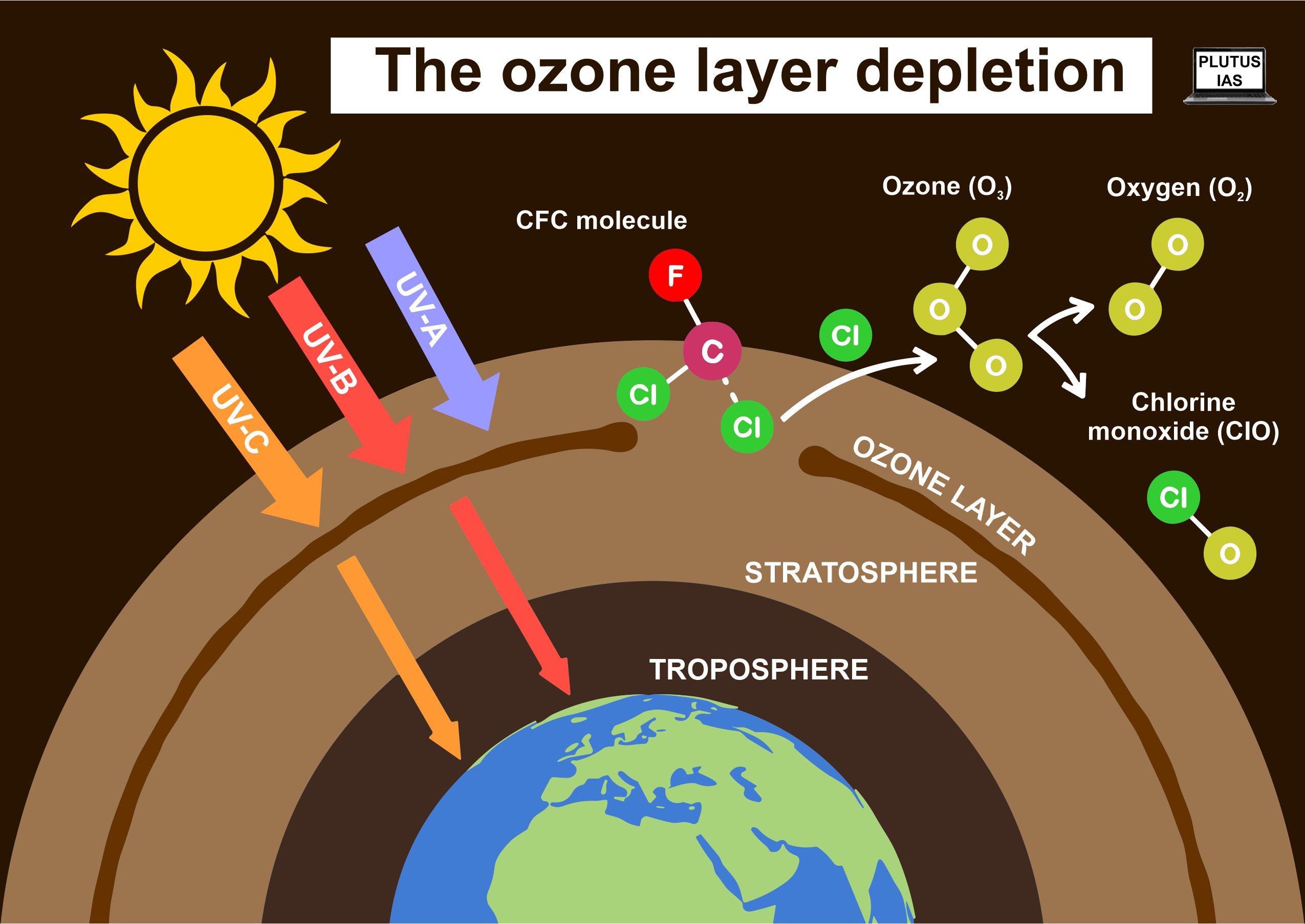
The destruction of ozone is a chemical process involving chlorine and bromine atoms. To understand these interactions at scale, researchers utilize high-performance cloud computing to run complex simulations. These models allow scientists to test “what-if” scenarios: what happens if a new industrial chemical enters the atmosphere, or how would a volcanic eruption affect the recovery timeline? By moving these simulations to the cloud, global research teams can collaborate on a single, unified model, accelerating the pace of discovery and policy implementation.
Green Tech Innovations: The Engineering of Replacements
The technological response to ozone layer depletion forced a radical redesign of several major industries, most notably refrigeration, air conditioning, and aerosol manufacturing. This shift represents one of the most significant pivots in the history of industrial technology.
The Engineering of Next-Generation Refrigerants
The phase-out of Chlorofluorocarbons (CFCs) and Hydrochlorofluorocarbons (HCFCs) required chemical engineers to develop entirely new classes of substances. The first generation of replacements, Hydrofluorocarbons (HFCs), solved the ozone problem but contributed to global warming. This has led to the current “Tech 3.0” phase of refrigerants: Hydrofluoroolefins (HFOs) and natural refrigerants like CO2 and ammonia systems. Developing the compressors and heat exchangers that can safely and efficiently handle these new substances is a major area of hardware innovation, driving the “Green Tech” sector forward.
Sustainable Manufacturing and Industrial IoT
The transition away from ozone-depleting substances has been accelerated by the Industrial Internet of Things (IIoT). Modern manufacturing plants use smart sensors to detect leaks of controlled substances in real-time, preventing accidental releases into the atmosphere. Furthermore, precision engineering in the semiconductor and foam-blowing industries has allowed for the creation of high-performance products without the need for the harsh ozone-depleting solvents that were once industry standards. This technological evolution proves that environmental protection and industrial efficiency can go hand-in-hand.
Digital Security and the Integrity of Environmental Data
As environmental policy becomes increasingly tied to international law and economic sanctions, the security and integrity of ozone-related data have taken on a new level of importance. The “Tech” of ozone protection now includes the digital frameworks used to report and verify emissions.
Blockchain for Verifiable Carbon and Ozone Credits
In some regions, the reduction of ozone-depleting substances is linked to carbon credit markets. To prevent fraud and double-counting, developers are exploring the use of blockchain technology. A decentralized ledger can provide an immutable record of a company’s or a nation’s transition away from harmful chemicals. This ensures that when a brand claims to be “ozone-friendly,” there is a verifiable, cryptographic trail of data to back up that assertion.
Protecting Global Climate Research from Cyber Threats
Climate data has become a geopolitical asset. The digital infrastructure that houses satellite telemetry and atmospheric models must be protected from cyber threats. Ensuring the “Digital Security” of this data is paramount for maintaining public trust and international cooperation. Robust encryption, multi-factor authentication for research databases, and secure API integrations between international space agencies are now as critical to saving the ozone layer as the chemical replacements themselves.

Conclusion: The Digital Future of Atmospheric Health
What ozone layer depletion taught the world is that technology is our greatest ally in planetary stewardship. We have moved from a reactive stance—noticing a problem and scrambling to fix it—to a proactive, tech-driven methodology. Through the combination of orbital hardware, AI-driven insights, and sophisticated chemical engineering, we are not only witnessing the slow recovery of the ozone layer but also building the technological framework to protect the atmosphere for generations to come.
The “Ozone Success Story” is fundamentally a “Tech Success Story.” It proves that when we apply our best innovations in software, hardware, and digital security to environmental challenges, the results are nothing short of atmospheric. As we continue to refine these tools, the lessons learned from the ozone layer will continue to inform how we use technology to monitor and mitigate the broader impacts of the global climate crisis.
aViewFromTheCave is a participant in the Amazon Services LLC Associates Program, an affiliate advertising program designed to provide a means for sites to earn advertising fees by advertising and linking to Amazon.com. Amazon, the Amazon logo, AmazonSupply, and the AmazonSupply logo are trademarks of Amazon.com, Inc. or its affiliates. As an Amazon Associate we earn affiliate commissions from qualifying purchases.