
The age-old question of whether we are alone in the universe has long captivated humanity. A fundamental component in our search for extraterrestrial life is the presence of water. While Earth is famously known as the “blue planet” due to its abundant surface water, scientific exploration has revealed that water is far more common in the cosmos than we once imagined. From our own solar system to distant exoplanets, the quest to understand the distribution of water is not just a scientific endeavor, but one that touches upon our deepest curiosities about existence.
This exploration into the watery realms beyond Earth intersects with several key areas of our modern world. The cutting-edge Tech that enables us to detect and analyze these celestial bodies, from advanced telescopes to sophisticated probe designs, is a testament to human ingenuity. The Brand of scientific discovery itself, a narrative built on curiosity, perseverance, and the dissemination of knowledge, is constantly evolving as new facts emerge. And while direct financial investment in space exploration might seem distant, the technological advancements spurred by this quest often find their way into Money-making ventures, driving innovation and creating new economic opportunities.
The Watery Neighborhood: Our Solar System
Our solar system, once thought to be a barren expanse save for Earth, has become a prime target in the search for water. While liquid surface water is rare, evidence strongly suggests its presence, past or present, in various forms across multiple celestial bodies.
Mars: The Red Planet’s Past and Potential Future
Mars, our closest planetary neighbor, has long been a focal point in the search for water. Early observations hinted at ancient riverbeds and oceans, fueling speculation about a warmer, wetter past. Today, while its surface is cold and dry, with a thin atmosphere, the evidence for past water is undeniable.
Evidence for Ancient Martian Water
- Geological Features: Orbiters and rovers have imaged vast dried-up river valleys, deltas, and lakebeds, strikingly similar to formations on Earth shaped by flowing water. The presence of minerals like clays and sulfates, which form in the presence of water, further supports this theory.
- Polar Ice Caps: The Martian polar ice caps are composed of water ice, layered with frozen carbon dioxide. This provides a significant reservoir of frozen water.
- Subsurface Ice: Ground-penetrating radar has detected extensive deposits of water ice beneath the Martian surface, even at lower latitudes. This subsurface ice is a crucial resource for future human exploration and potentially harbors microbial life.
Recurring Slope Lineae (RSL): A Modern Mystery
One of the most intriguing discoveries related to water on Mars are the Recurring Slope Lineae (RSL). These dark streaks appear on Martian slopes during warmer seasons and fade during colder ones. While initially thought to be evidence of flowing liquid water, current scientific consensus leans towards explanations involving the movement of briny water or even dry granular flows. However, the debate continues, and the implications of any form of transient liquid water, even highly saline, are significant for astrobiology.
The Search for Life and Water
The presence of past water on Mars has significant implications for the possibility of past or present life. If water existed in liquid form for extended periods, it could have provided the necessary conditions for microbial life to emerge and thrive. Future missions, like the Perseverance rover, are actively searching for biosignatures in ancient Martian environments, with the hope of answering this profound question. The technology powering these rovers, from AI-driven navigation to sophisticated sample analysis, represents a marvel of modern engineering.
The Icy Moons: Hidden Oceans Beneath the Surface
Beyond the planets themselves, several moons in our solar system are believed to harbor vast oceans of liquid water beneath their icy shells. These subsurface oceans represent some of the most promising locations for finding extraterrestrial life.
Europa: A Jovian Ocean World
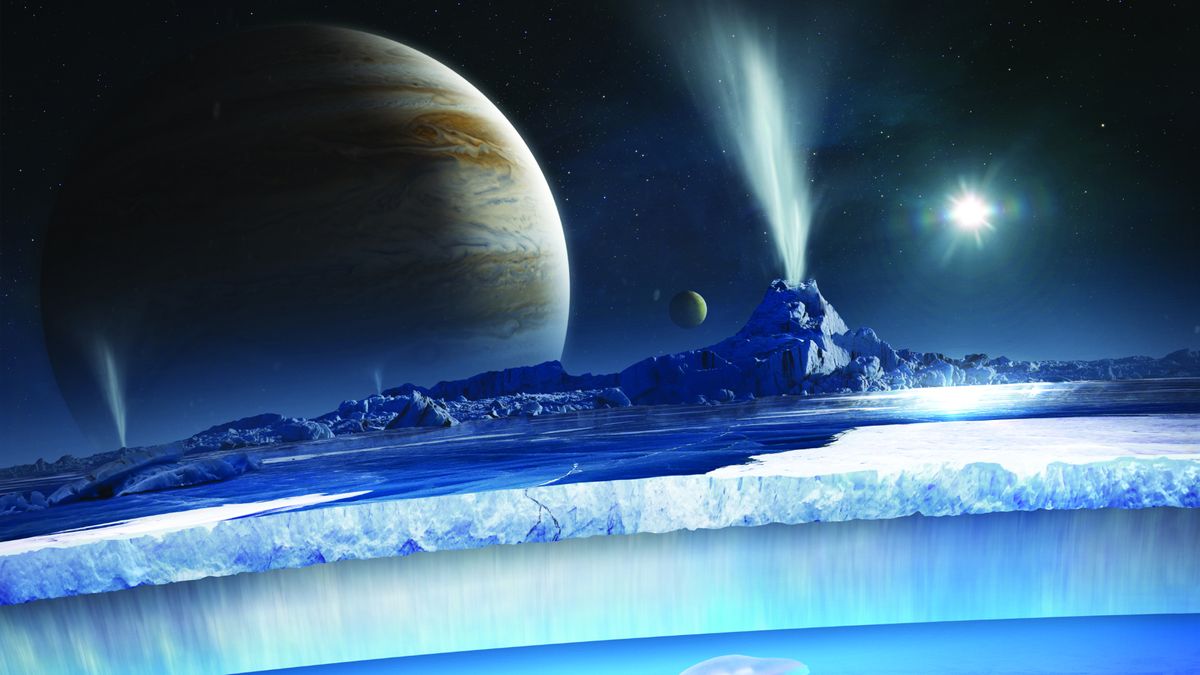
Jupiter’s moon Europa is a prime candidate for harboring life. Its surface is a relatively smooth, fractured ice shell, beneath which scientists are confident lies a vast ocean of salty liquid water.
- Tidal Heating: The immense gravitational pull of Jupiter creates tidal forces that flex and heat Europa’s interior, preventing its ocean from freezing solid.
- Evidence of Plumes: Observations from the Hubble Space Telescope have suggested the presence of water vapor plumes erupting from Europa’s surface, further indicating the presence of a subsurface ocean and potentially providing a way to sample its composition without drilling through the ice.
- Astrobiological Potential: If these oceans are in contact with a rocky seafloor, similar to Earth’s hydrothermal vents, they could provide the chemical energy and nutrients necessary to support life. The development of submersible probes capable of exploring these depths is a future technological frontier.
Enceladus: Saturn’s Geyser Moon
Saturn’s moon Enceladus has surprised scientists with its active geysers. These plumes of water ice and vapor erupt from fissures near its south pole, directly sampling material from its subsurface ocean.
- ** Cassini’s Discoveries:** The Cassini spacecraft famously flew through these plumes, analyzing their composition and finding evidence of salts, organic molecules, and silica nanoparticles, all indicative of hydrothermal activity and a liquid water environment.
- A Salty, Warm Ocean: The analysis of the plumes suggests a global subsurface ocean that is likely salty and potentially warm, with evidence of rocky seafloor interactions.
- Habitability Prospects: The presence of liquid water, an energy source (hydrothermal activity), and essential chemical ingredients makes Enceladus a highly compelling target in the search for life beyond Earth. The funding and technological advancements required for future missions to explore Enceladus’s ocean are significant, highlighting the intersection of scientific ambition and financial investment.
Titan: A World of Liquid Methane and Potential Subsurface Water
Saturn’s largest moon, Titan, is unique in our solar system for having a thick atmosphere and stable liquid on its surface. However, this liquid is not water but methane and ethane, forming lakes and rivers.

- Subsurface Ocean Possibility: Despite its surface frigidity, evidence suggests that Titan may also possess a subsurface ocean of liquid water, possibly mixed with ammonia, which acts as an antifreeze.
- Complex Chemistry: The methane-rich atmosphere and surface create a complex organic chemistry that some scientists believe could potentially support alternative forms of life, even in the absence of liquid water on the surface. The ongoing efforts to understand Titan’s environment are heavily reliant on advanced sensing and imaging Tech.
Beyond Our Solar System: Exoplanets and the Watery Universe
The discovery of planets orbiting stars other than our Sun, known as exoplanets, has revolutionized our understanding of planetary systems. Astronomers have now detected thousands of exoplanets, and a significant fraction of them are believed to be potentially habitable, with the possibility of harboring water.
The Habitable Zone: A Sweet Spot for Water
The concept of the “habitable zone” (or “Goldilocks zone”) around a star is crucial in the search for exoplanets with liquid water. This is the region where temperatures are neither too hot nor too cold for liquid water to exist on a planet’s surface.
- Stellar Type Matters: The size and temperature of the host star influence the location and width of the habitable zone. Smaller, cooler stars have habitable zones closer in, while larger, hotter stars have them further out.
- Atmospheric Influence: While the habitable zone provides the potential for liquid water, a planet’s atmosphere plays a critical role in maintaining surface temperatures and pressure necessary for liquid water to persist. The development of advanced spectroscopic analysis Tech is vital for understanding exoplanet atmospheres.
Detecting Water on Distant Worlds
Detecting water on exoplanets is a monumental challenge, requiring incredibly sensitive instruments and sophisticated analytical techniques.
- Transit Spectroscopy: When an exoplanet passes in front of its star (transits), some of the starlight passes through the planet’s atmosphere. By analyzing the wavelengths of light absorbed, scientists can identify the chemical composition of the atmosphere, including the presence of water vapor. Telescopes like the James Webb Space Telescope (JWST) are at the forefront of this research.
- Direct Imaging: In some cases, astronomers can directly image exoplanets. Analyzing the light reflected or emitted by these planets can also reveal atmospheric composition, including water signatures.
- Rocky Worlds and Super-Earths: Many of the exoplanets discovered within their stars’ habitable zones are rocky planets or “super-Earths” (planets larger than Earth but smaller than Neptune). These are considered prime candidates for harboring liquid water.
The Implications for Extraterrestrial Life
The discovery of exoplanets with evidence of water is a significant step in the search for life beyond Earth. While the presence of water does not guarantee life, it is considered a fundamental prerequisite for life as we know it.
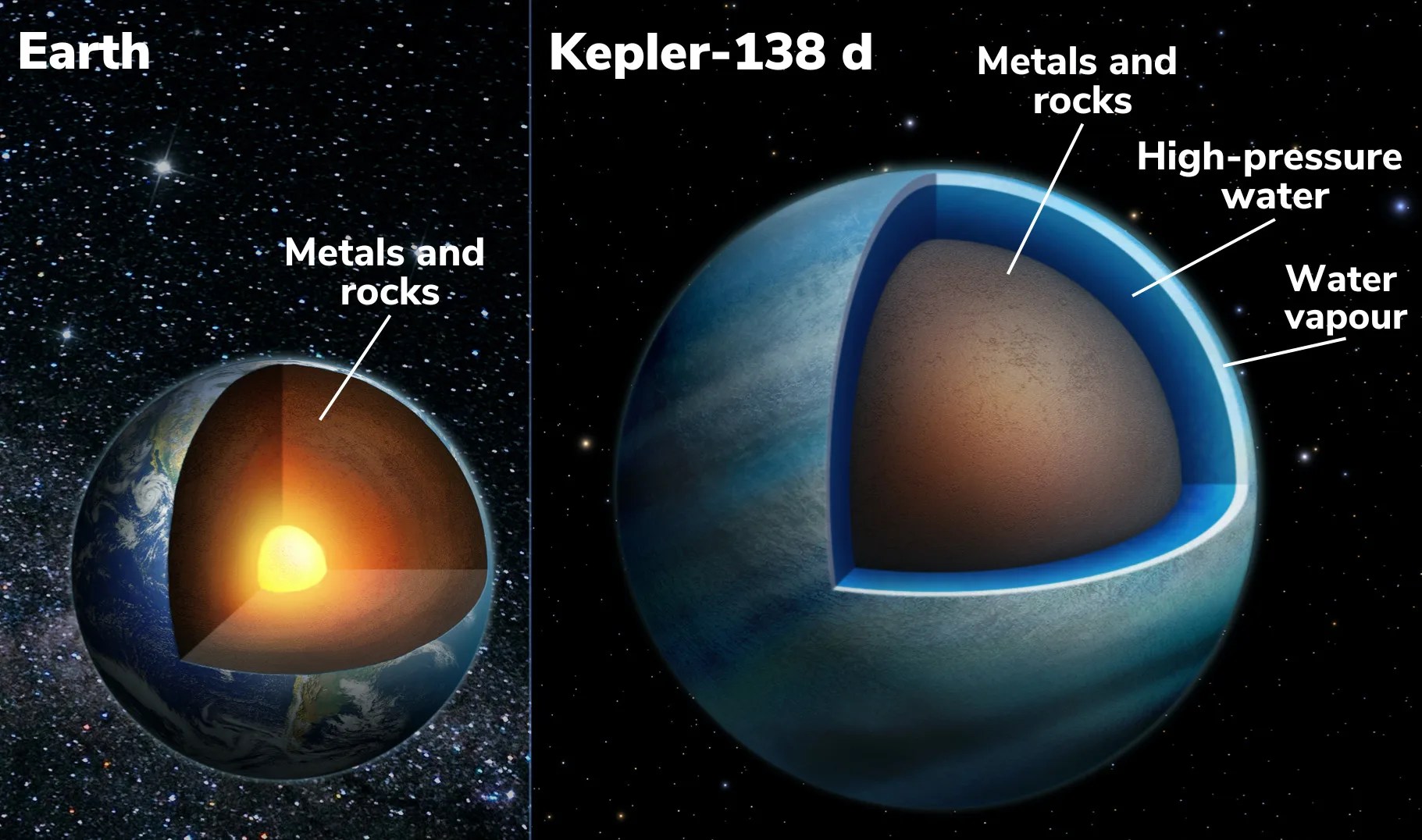
- The “Water World” Hypothesis: Some exoplanets might be entirely covered in water, creating vast, deep oceans. These “water worlds” could harbor unique ecosystems.
- Building the Narrative of Cosmic Life: Each new discovery of water beyond Earth strengthens the narrative that water is a common ingredient in the universe. This fuels further scientific inquiry, technological development, and public interest, solidifying the Brand of space exploration as a noble pursuit. The investment in these groundbreaking technologies, while often government-funded, has ripple effects that can translate into commercial applications and inspire entrepreneurial ventures in the Money sector.
The Future of Water Exploration: Technology, Brands, and Finance
The ongoing quest to find water on other planets is inextricably linked to advancements in technology, the evolving brand of scientific discovery, and the financial resources that fuel these ambitious endeavors.
Technological Frontiers
The instruments and missions designed to explore for water are constantly pushing the boundaries of what’s possible.
- Next-Generation Telescopes: Future telescopes, both ground-based and space-based, will offer unprecedented resolution and sensitivity, allowing for more detailed atmospheric analysis of exoplanets and the detection of fainter water signatures.
- Advanced Probes and Rovers: For missions within our solar system, the development of more autonomous, robust, and capable probes and rovers will be crucial for exploring hazardous environments and conducting in-situ analysis of water-rich locations. Concepts like drilling into icy moons or navigating subsurface Martian lava tubes represent significant technological challenges.
- AI and Machine Learning: Artificial intelligence and machine learning are playing an increasingly vital role in analyzing the vast amounts of data generated by space missions, from identifying subtle anomalies in telescopic observations to optimizing rover navigation.
The Brand of Cosmic Exploration
The exploration of water beyond Earth has become a powerful brand in itself. It embodies humanity’s insatiable curiosity, our drive to understand our place in the universe, and our capacity for incredible technological achievement.
- Inspiring Generations: Stories of scientific discovery, from the early missions to Mars to the breathtaking images from the JWST, inspire young minds to pursue careers in STEM fields, ensuring a pipeline of future innovators.
- Global Collaboration: Many of these ambitious missions are international collaborations, fostering a sense of shared purpose and uniting countries under the banner of scientific exploration. This collaborative spirit strengthens the Brand of science as a universal language.
- Public Engagement: The visual storytelling and compelling narratives surrounding the search for water and life on other planets are crucial for maintaining public interest and support, which in turn can influence funding and policy.
The Financial Landscape
While direct consumer products related to finding alien water might be rare, the financial implications of space exploration are profound.
- Government Funding and Investment: The vast majority of funding for these missions comes from government space agencies, highlighting the significant financial commitment required. Understanding the allocation of these funds, the economic impact of space programs, and the potential for public-private partnerships is a key aspect of the Money domain.
- Spin-off Technologies: Technologies developed for space exploration often find applications in various industries, from medical imaging and materials science to telecommunications and GPS. These “spin-offs” represent a significant return on investment and drive innovation in the broader economy.
- Future Opportunities: As humanity’s presence in space grows, new economic opportunities will emerge, from asteroid mining to space tourism. The groundwork laid by current water exploration efforts contributes to this long-term economic vision. The drive to explore for water is not just about answering fundamental questions; it’s also about investing in a future that could be profoundly shaped by what we discover and how we leverage that knowledge.
In conclusion, the question “What other planets have water?” has evolved from a speculative query into a scientifically driven investigation that spans our solar system and reaches out to the farthest stars. The pursuit of this knowledge is a testament to human ingenuity, a powerful brand of exploration, and a financial engine driving innovation, reminding us that the universe is a vast and wondrous place, potentially teeming with the very ingredient that makes our own planet so special.
aViewFromTheCave is a participant in the Amazon Services LLC Associates Program, an affiliate advertising program designed to provide a means for sites to earn advertising fees by advertising and linking to Amazon.com. Amazon, the Amazon logo, AmazonSupply, and the AmazonSupply logo are trademarks of Amazon.com, Inc. or its affiliates. As an Amazon Associate we earn affiliate commissions from qualifying purchases.