
In the grand tapestry of life, where complex organisms with intricate systems often capture our imagination, there exists an entire domain of life characterized by its fundamental simplicity yet profound impact: the prokaryotes. These microscopic entities represent the earliest forms of life on Earth, paving the way for everything that followed, and continue to underpin many of the planet’s most critical biological and ecological processes. Beyond their foundational biological role, the study and application of prokaryotes have exploded in relevance, now deeply intertwining with modern technology, shaping brand identities, and driving significant economic activity across diverse sectors. Understanding what prokaryotes are isn’t just a lesson in biology; it’s a gateway to appreciating their silent, yet powerful, influence on our digital age, corporate strategies, and financial landscapes.
The Fundamental Blueprint: Understanding Prokaryotic Life
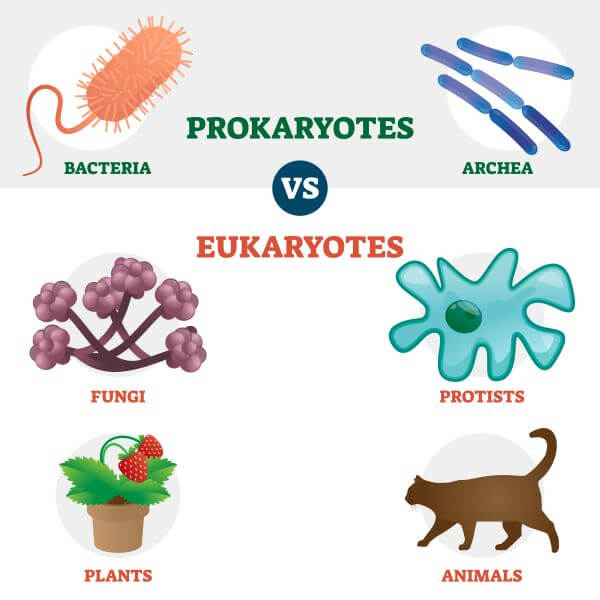
At their core, prokaryotes are defined by a remarkable lack of internal compartmentalization. Unlike eukaryotic cells, which possess a membrane-bound nucleus housing their genetic material and various other membrane-enclosed organelles (like mitochondria or chloroplasts), prokaryotic cells are simpler, more ancient structures. This fundamental distinction has profound implications for how they function, evolve, and interact with their environments.
Defining Characteristics: A Simplicity that Endures
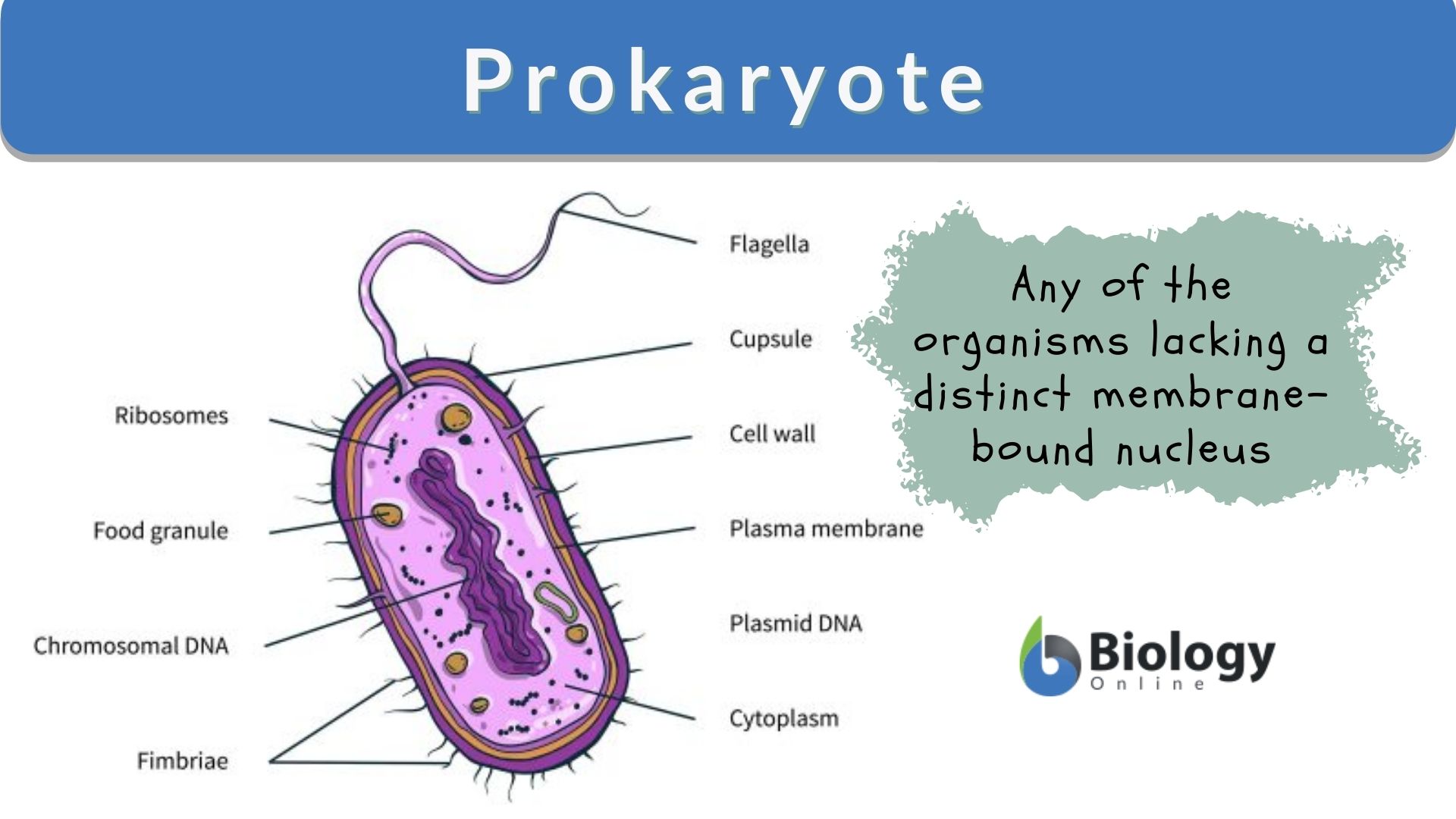
The defining features of prokaryotic organisms paint a picture of elegant efficiency. Their genetic material, typically a single circular chromosome, is located in a region of the cytoplasm called the nucleoid, rather than within a nucleus. They also often carry smaller, extra-chromosomal DNA molecules known as plasmids, which can confer advantageous traits like antibiotic resistance – a topic of significant concern in modern medicine and a driver for technological solutions.
Prokaryotes lack mitochondria, meaning they generate energy through metabolic pathways that occur in the cytoplasm or across the cell membrane. They also lack endoplasmic reticulum, Golgi apparatus, and lysosomes, performing their cellular functions with a more streamlined internal architecture. Despite this apparent simplicity, prokaryotes are incredibly diverse metabolically, capable of thriving in virtually every environment on Earth, from the human gut to hydrothermal vents at the bottom of the ocean. Their cellular structure typically includes a cell wall, which provides structural support and protection, a plasma membrane regulating passage of substances, and ribosomes for protein synthesis. Reproduction most commonly occurs through binary fission, a rapid and efficient asexual process that allows for swift population growth and adaptation.
The Two Domains: Bacteria and Archaea
While often collectively referred to simply as “bacteria,” the prokaryotic world is actually divided into two distinct domains: Bacteria and Archaea. Though both lack a nucleus and share many structural similarities, they are as different from each other as they are from eukaryotes, reflecting billions of years of separate evolution.
Bacteria are the more commonly known group, encompassing a vast array of organisms critical to everything from human health (the gut microbiome) to environmental cycles (nitrogen fixation, decomposition). They are incredibly diverse in shape, metabolism, and habitat. Examples include Escherichia coli (a common gut bacterium), Streptococcus pneumoniae (a cause of pneumonia), and cyanobacteria (photosynthetic bacteria vital to oxygen production). Many bacteria are known for their pathogenic potential, making them targets for pharmaceutical innovation, while others are indispensable for industrial processes like food fermentation.
Archaea, on the other hand, were initially thought to be extreme bacteria due to their prevalence in harsh environments like hot springs, salt flats, and methane-rich anaerobic conditions. However, genetic analysis revealed them to be a separate, ancient lineage. While some archaea are indeed extremophiles, many are found in more moderate environments, including soils, oceans, and even the human body. They possess unique biochemical and genetic characteristics, such as distinct cell wall compositions and membrane lipids, and novel metabolic pathways that differentiate them from bacteria. Their unusual properties make them fascinating subjects for biochemical research and potential sources for novel enzymes and industrial applications, especially in areas demanding resilience to extreme conditions.
Prokaryotes and the Digital Frontier: A Tech Perspective
In an era defined by technology, from AI and software to digital security and smart gadgets, it might seem counterintuitive to link these advancements to microscopic, nucleus-less organisms. Yet, prokaryotes are not merely subjects of biological study; they are increasingly becoming integral components of technological innovation, inspiring novel solutions, and serving as powerful tools in various high-tech fields.
Biotechnology: Nature’s Original Operating System
Prokaryotes are, in essence, nature’s most efficient and ancient biological machines, possessing highly optimized “operating systems” that have evolved over billions of years. This intrinsic efficiency makes them prime candidates for biotechnology. Genetic engineering, a cornerstone of modern biotech, relies heavily on bacteria. Plasmids from bacteria are routinely used as vectors to carry and express foreign genes, enabling the production of vital therapeutic proteins like human insulin, growth hormones, and various vaccines. The CRISPR-Cas system, a revolutionary gene-editing tool, was originally discovered as a bacterial immune defense mechanism against viruses (bacteriophages). This prokaryotic system has been repurposed into one of the most precise and powerful genetic engineering technologies, with implications for medicine, agriculture, and fundamental research, promising cures for genetic diseases and enhanced crop resilience.
Furthermore, prokaryotes are central to bioremediation, using their metabolic prowess to break down pollutants in contaminated environments, and in sustainable energy production, such as the generation of biofuels and hydrogen. Their vast enzyme diversity also provides a rich source for industrial processes, enabling more efficient and environmentally friendly manufacturing across sectors. From fermentation in food production to the synthesis of complex chemicals, prokaryotes are the microscopic workhorses behind a growing array of bio-based technologies, pushing the boundaries of what is possible.
AI, Big Data, and the Microbial Genome
The sheer volume and complexity of microbial life generate immense amounts of data, a perfect challenge for artificial intelligence and big data analytics. Metagenomics, the study of genetic material recovered directly from environmental samples, is revealing the astonishing diversity and functional potential of microbial communities that cannot be cultured in a lab. Analyzing this “dark matter” of biology requires sophisticated computational tools, machine learning algorithms, and AI to identify genes, predict functions, and reconstruct metabolic pathways.
AI is being deployed to accelerate antibiotic discovery by screening vast chemical libraries for compounds effective against pathogenic bacteria, a critical need given the rise of antibiotic resistance. Machine learning models are also used to understand microbial interactions in the gut microbiome, correlating specific bacterial profiles with health outcomes or disease states, paving the way for personalized medicine and precision nutrition. Beyond genomics, AI is helping researchers design synthetic microbial circuits, predicting how engineered bacteria will behave, and optimizing their performance for specific industrial or therapeutic applications, essentially “coding” biological functions. This convergence of biology and computation is opening new frontiers in bio-engineering and digital health, allowing us to leverage the hidden power of prokaryotes with unprecedented precision.
Digital Security Metaphors and Bio-Inspired Engineering
While prokaryotes don’t directly influence cybersecurity, their evolutionary strategies offer intriguing parallels and inspiration for digital security principles and bio-inspired engineering. The robustness and adaptability of prokaryotic defense mechanisms against viral attacks (like CRISPR) can be seen as biological analogues to digital firewalls and intrusion detection systems. Their rapid evolution and ability to share genetic information (horizontal gene transfer) create a resilient and adaptable biological network, mirroring the need for flexible and continuously updated digital security protocols.
In a more direct sense, the principles governing the self-assembly and error-correction mechanisms in prokaryotic cells can inspire new approaches to hardware design, fault-tolerant computing, and distributed systems. The concept of “quorum sensing,” where bacteria communicate and coordinate behavior based on population density, offers models for efficient distributed computing and swarm robotics, optimizing collective action without central control. By observing how these simple organisms manage complexity, maintain integrity, and adapt to threats, engineers can draw lessons for building more resilient, efficient, and self-regulating technological systems.
Building Brands and Reputations: The Prokaryotic Influence
The microscopic world of prokaryotes, far from being a niche scientific concern, has significant implications for how brands are built, how corporate identities are shaped, and how products are marketed in today’s health-conscious and innovation-driven economy. From the wellness industry to pharmaceuticals and sustainable solutions, the narrative surrounding prokaryotes plays a crucial role in consumer perception and business strategy.
The “Brand” of Health: Probiotics and Personal Wellness
One of the most visible impacts of prokaryotes on branding is in the booming personal wellness industry, particularly with probiotics. The concept of a healthy gut microbiome, teeming with beneficial bacteria, has become a cornerstone of modern health narratives. Companies selling yogurts, fermented foods, and dietary supplements proudly brandish claims of “live active cultures,” “gut health,” and “immune support,” directly linking their products to the positive influence of specific prokaryotic strains. The “brand” of health is increasingly intertwined with the science of the microbiome, turning microscopic organisms into marketable assets.
For individuals, “personal branding” can even extend to their health choices, with an emphasis on gut health often signaling a commitment to a holistic, scientifically-informed lifestyle. Influencers and wellness gurus frequently discuss the importance of probiotics, prebiotics, and fermented foods, creating a positive association between specific microbial interventions and a desired personal image of vitality and well-being. This phenomenon underscores how scientific understanding of prokaryotes translates into powerful consumer trends and brand loyalty.
Corporate Identity in the Bio-Economy
For companies operating in biotechnology, pharmaceuticals, food and beverage, and environmental services, their corporate identity is increasingly shaped by their engagement with prokaryotic science. A biotech firm specializing in CRISPR gene editing, for example, builds its reputation on cutting-edge research and the ethical deployment of prokaryote-derived tools. A pharmaceutical company investing heavily in novel antibiotics or microbiome-based therapies positions itself at the forefront of medical innovation, addressing critical global health challenges like antimicrobial resistance.
Companies involved in sustainable agriculture, using bio-fertilizers or microbial pest controls, align their brand with environmental responsibility and forward-thinking solutions. The ability to effectively communicate the science, benefits, and safety of their prokaryote-centric products is paramount to building trust and establishing a strong corporate identity. Success in these fields requires not just scientific prowess but also clear, compelling branding that resonates with stakeholders, investors, and the general public, demonstrating a commitment to harnessing the power of microbial life for societal good.
Marketing the Microscopic: From Pharmaceuticals to Sustainable Solutions
Marketing strategies for prokaryote-related products span a wide spectrum, from highly regulated pharmaceutical campaigns to consumer-focused wellness advertising. In pharmaceuticals, marketing of new antibiotics or microbiome modulators must navigate complex scientific data and regulatory hurdles, emphasizing efficacy, safety, and novel mechanisms of action. This often involves targeting medical professionals with detailed scientific information, backed by rigorous clinical trials.
In the consumer space, marketing focuses on accessibility and tangible benefits. Probiotic brands use vibrant packaging, compelling testimonials, and easy-to-understand explanations of gut-brain axis connections or immune benefits. They leverage digital marketing channels, social media, and content marketing to educate consumers and build brand communities around health and wellness. For sustainable solutions, such as bioremediation services or bio-based industrial enzymes, marketing highlights environmental benefits, cost-effectiveness, and alignment with corporate social responsibility goals, often targeting B2B clients and government agencies. Effectively marketing these microscopic marvels requires bridging the gap between complex scientific realities and digestible, appealing brand narratives.
The Microscopic Economy: Unlocking Value from Prokaryotes
The world of prokaryotes, while invisible to the naked eye, represents a multi-billion dollar economy, driving innovation, creating investment opportunities, and generating significant financial returns across numerous industries. From pharmaceutical giants to burgeoning biotech startups and sustainable ventures, the economic impact of these simple organisms is profound and ever-growing.
Investment Opportunities in the Bio-Tech Sector
The biotechnology sector, heavily reliant on the understanding and manipulation of prokaryotes, is a magnet for investment. Venture capitalists, angel investors, and institutional funds are pouring capital into companies developing novel gene therapies using CRISPR, engineering bacteria for drug delivery, discovering new antibiotics, or creating microbiome-based diagnostics and treatments. The potential for high returns on investment, driven by unmet medical needs and groundbreaking scientific discoveries, makes biotech an attractive, albeit high-risk, area for financial growth.
Beyond direct medical applications, investments also flow into agricultural biotech (e.g., microbial bio-fertilizers, drought-resistant crops enhanced by beneficial soil microbes), industrial biotech (e.g., enzyme production, biorefineries), and environmental biotech (e.g., wastewater treatment, bioremediation). Tracking trends in genomics, synthetic biology, and microbial ecology becomes crucial for investors looking to identify the next big disruptor. Financial tools for analyzing biotech stocks, assessing intellectual property portfolios, and understanding regulatory landscapes are essential for navigating this complex yet rewarding market.
Online Income and Entrepreneurship in Microbial Applications
The accessibility of information and the rise of e-commerce have also opened doors for online income and entrepreneurial ventures centered around microbial applications. Niche businesses can emerge, selling specialized probiotic supplements, fermented food kits, or educational content about the microbiome. Entrepreneurs can leverage online platforms to reach global audiences, building direct-to-consumer brands that offer innovative products derived from or inspired by prokaryotic science.
Furthermore, the demand for bioinformatics expertise, particularly in analyzing microbial genomic data, creates opportunities for freelancers and consultants. Data scientists with a biological bent can offer services in metagenomic analysis, microbiome profiling, and AI-driven drug discovery to research institutions and smaller biotech firms. Content creators and educators can generate income through online courses, blogs, and videos explaining complex microbial concepts to a broader audience, demonstrating how knowledge about prokaryotes can be monetized in the digital age. This entrepreneurial spirit is fueled by the growing public interest in health, sustainability, and scientific innovation, all of which are deeply connected to the world of prokaryotes.
Financial Implications of Microbial Discovery and Management
The ongoing discovery of new prokaryotic species and their unique capabilities has significant financial implications. A newly identified bacterial strain that produces a novel antibiotic, an archaeon that thrives in extreme conditions and yields unique enzymes for industrial processes, or a beneficial microbe that enhances crop yield can lead to lucrative patent opportunities, licensing agreements, and the creation of entirely new product lines. The intellectual property generated from microbial research is a valuable asset that can drive mergers, acquisitions, and strategic partnerships within the bio-economy.
Conversely, the mismanagement or neglect of prokaryotic populations also carries substantial financial costs. The rise of antibiotic-resistant bacteria, for example, poses a massive global economic threat due to increased healthcare costs, lost productivity, and the need for expensive new drug development. Environmental damage from pollution requires costly bioremediation efforts, often utilizing prokaryotes. Understanding the financial implications of microbial health – whether in our bodies, our farms, or our planet – is crucial for policymakers, businesses, and individuals alike. Investing in microbial research, sustainable practices, and responsible antibiotic use is not just good science; it’s sound financial management for a healthier, more prosperous future.
In conclusion, prokaryotes, these seemingly simple organisms, are far more than just microscopic life forms. They are the bedrock of Earth’s ecosystems, the inspiration for cutting-edge technology, the foundation for thriving brands, and a powerful engine of economic growth. Their silent ubiquity and profound versatility continue to drive innovation across technology, shape brand narratives in health and sustainability, and unlock significant financial opportunities in the global bio-economy. As we delve deeper into their secrets, our understanding of these ancient life forms will undoubtedly continue to redefine our future in increasingly interconnected ways.
aViewFromTheCave is a participant in the Amazon Services LLC Associates Program, an affiliate advertising program designed to provide a means for sites to earn advertising fees by advertising and linking to Amazon.com. Amazon, the Amazon logo, AmazonSupply, and the AmazonSupply logo are trademarks of Amazon.com, Inc. or its affiliates. As an Amazon Associate we earn affiliate commissions from qualifying purchases.