
The human liver, a powerhouse organ often hidden from direct view, plays a multifaceted and indispensable role in our survival and well-being. While its biological functions are vast and complex, this article delves into a different kind of exploration: how cutting-edge technology is unlocking new understandings of the liver, its integrated systems, and its vital contributions to the human body. From diagnostic imaging that maps its intricate architecture to sophisticated AI that predicts its responses, technology is revolutionizing how we perceive and interact with this crucial organ.
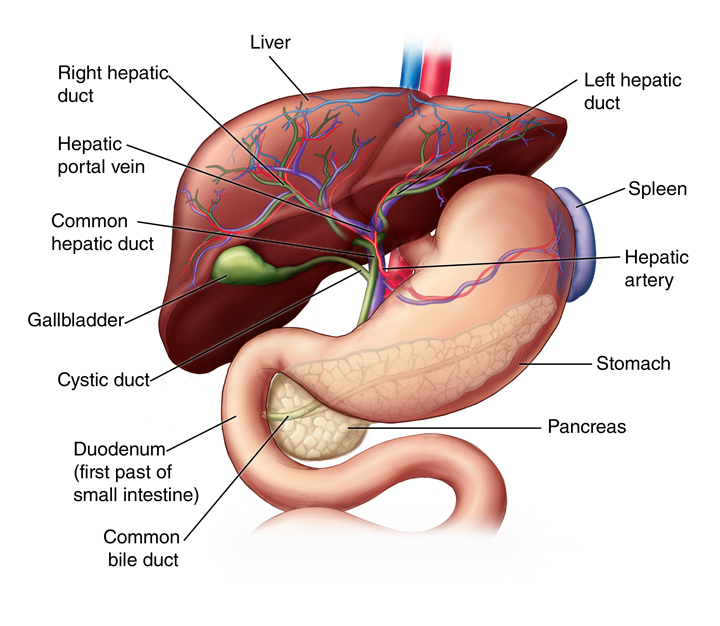
The liver is a central player in several interconnected organ systems, most prominently the digestive system, but also significantly impacting the circulatory system, immune system, and endocrine system. Its strategic location and its myriad of metabolic, detoxification, and synthetic functions mean it is inextricably linked to nearly every other part of the body. Understanding these systemic connections is paramount, and in the 21st century, it is increasingly technology that provides the lens through which we gain this profound insight.
The Liver: A Nexus of Biological Processes and Technological Interventions
At its core, the liver is a biochemical factory, processing everything that enters the bloodstream. Its functions are so diverse that it touches upon multiple organ systems. Understanding these interdependencies is not just an academic exercise; it’s fundamental to diagnosing and treating a wide spectrum of diseases. Modern technology, however, is transforming our ability to not only identify these links but also to intervene in them with unprecedented precision.
1. The Liver’s Role in the Digestive and Metabolic Systems: A Technological Deep Dive
The digestive system is perhaps the most obvious beneficiary of the liver’s tireless work. After food is broken down in the stomach and intestines, nutrients are absorbed into the portal vein, which leads directly to the liver. Here, the magic of metabolism truly begins. The liver processes these absorbed nutrients, converting them into forms the body can use for energy, storage, or building tissues. It also synthesizes bile, essential for fat digestion and absorption, which is then released back into the small intestine.
This intricate dance of nutrient processing and waste management is a prime area for technological advancement.
1.1. Advanced Imaging for Hepatic Anatomy and Function
Understanding the liver’s physical structure and its real-time functional status is critical for diagnosis. Traditional methods like palpation and basic blood tests have been augmented, and in many cases surpassed, by sophisticated imaging technologies.
- Magnetic Resonance Imaging (MRI) and Computed Tomography (CT) Scans: These non-invasive techniques provide detailed cross-sectional images of the liver, allowing clinicians to visualize its size, shape, and texture. Anomalies such as tumors, cysts, or signs of fatty liver disease (steatosis) can be readily identified. Advanced MRI sequences can even assess liver stiffness, a key indicator of fibrosis and cirrhosis, without the need for invasive biopsy. Contrast agents used in these scans further illuminate blood flow patterns within the liver, revealing vascular abnormalities and the extent of organ damage.
- Ultrasound and Elastography: Ultrasound offers a readily accessible and cost-effective way to visualize the liver. Doppler ultrasound, in particular, can assess blood flow through the hepatic veins and portal vein, crucial for detecting conditions like portal hypertension. Liver elastography, often performed using ultrasound-based methods, measures the stiffness of liver tissue. This technology has become a gold standard for non-invasively staging liver fibrosis, reducing the reliance on liver biopsies which carry risks and discomfort.
- Positron Emission Tomography (PET) Scans: While less common for routine liver assessment, PET scans can be invaluable in identifying and staging liver cancers by detecting metabolically active cells. Combined with CT (PET-CT), they provide a powerful tool for precise localization of cancerous lesions.
1.2. Biosensors and Wearable Technology for Continuous Monitoring
The concept of “digital twins” for organs is no longer science fiction. While a full digital twin of the liver is a distant goal, the development of biosensors and wearable technology is paving the way for continuous, real-time monitoring of key metabolic indicators.
- Implantable Biosensors: Research is ongoing into implantable biosensors capable of detecting levels of glucose, lactate, and other metabolic byproducts directly in the bloodstream or interstitial fluid around the liver. These devices, when fully realized, could provide invaluable data for managing metabolic disorders and monitoring the impact of liver disease.
- Smart Patches and External Devices: Emerging technologies include smart skin patches that can non-invasively measure certain biomarkers, potentially offering insights into liver function or drug metabolism. While still in their nascent stages, these innovations hint at a future where individuals with liver conditions can proactively monitor their health from the comfort of their homes, with data seamlessly integrated into electronic health records.
2. The Liver’s Role in the Circulatory and Detoxification Systems: Technological Safeguards and Innovations
The liver’s direct connection to the circulatory system, primarily through the hepatic artery and portal vein, and its role as the body’s primary detoxification center, place it at a critical junction for blood health and toxin management. Technological advancements here focus on understanding blood flow dynamics, drug metabolism, and the development of artificial liver support systems.
2.1. Computational Fluid Dynamics and Blood Flow Simulation
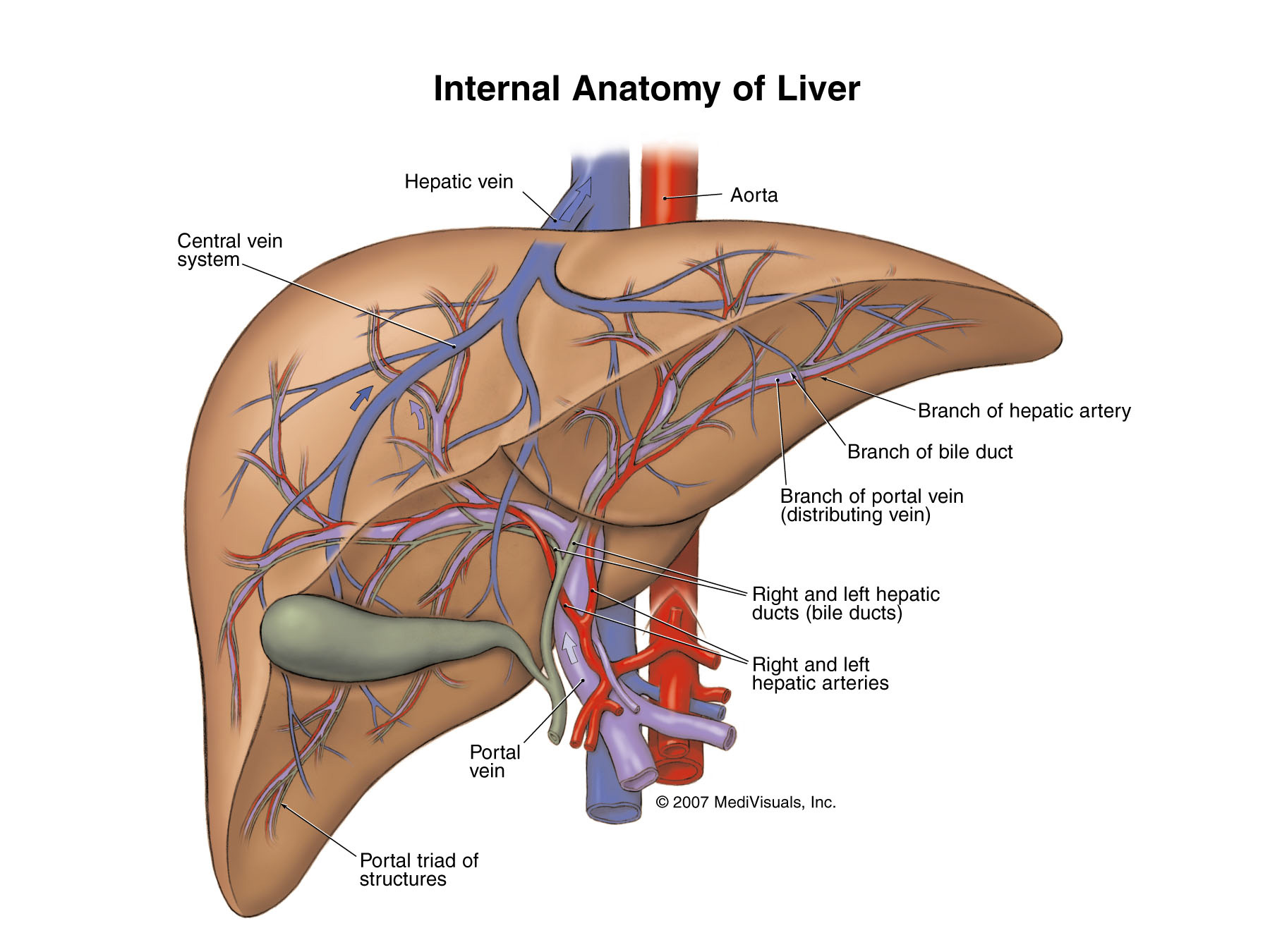
The liver is a highly vascular organ, and the intricate network of blood vessels is crucial for its function. Understanding blood flow dynamics is key to diagnosing and treating conditions affecting circulation within the liver, such as portal hypertension or Budd-Chiari syndrome.
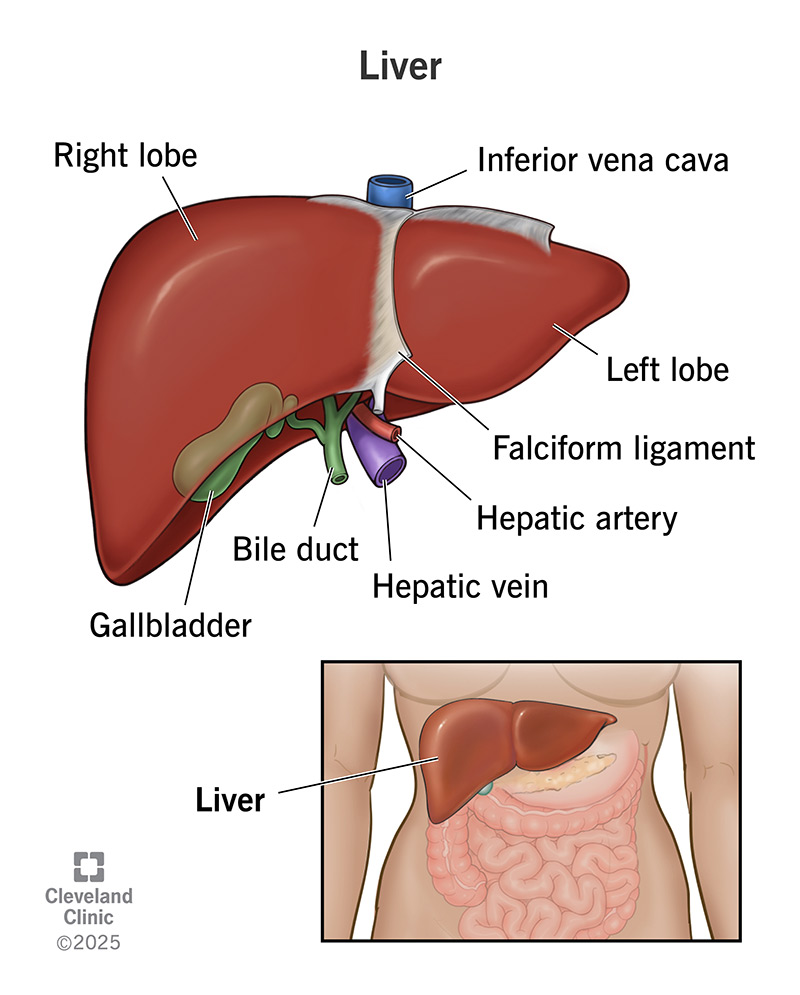
- Computational Fluid Dynamics (CFD): CFD models, powered by advanced computing, can simulate blood flow through the liver’s complex vascular network. By inputting patient-specific anatomical data from imaging scans, researchers and clinicians can gain precise insights into flow rates, pressure gradients, and potential areas of obstruction or turbulence. This technology aids in surgical planning, such as liver transplantation, and in understanding the pathogenesis of liver diseases.
- AI-Powered Hemodynamic Analysis: Artificial intelligence is increasingly being used to analyze complex hemodynamic data derived from imaging and other physiological measurements. AI algorithms can identify subtle patterns indicative of impaired blood flow or compromised liver perfusion, which might be missed by human observation alone.
2.2. Pharmaceutical Informatics and Personalized Drug Metabolism
The liver is the primary site for drug metabolism. Understanding how individual livers process medications is crucial for optimizing dosages, preventing adverse drug reactions, and developing new therapies.
- Pharmacogenomics and AI: Pharmacogenomics, the study of how genes affect a person’s response to drugs, combined with AI, is revolutionizing personalized medicine. By analyzing a patient’s genetic makeup and correlating it with known metabolic pathways in the liver, AI can predict how efficiently they will metabolize specific drugs. This allows for tailored prescribing, ensuring efficacy and minimizing toxicity.
- In Vitro and In Silico Models: Advanced in vitro models, such as organ-on-a-chip technology incorporating liver cells, are being developed to test drug efficacy and toxicity more accurately. Furthermore, sophisticated in silico (computer simulation) models are being built to predict drug interactions and metabolism within the liver, reducing the need for extensive animal testing and accelerating drug development.
2.3. Artificial Liver Support Systems: A Technological Lifeline
For patients with acute liver failure, a temporary technological solution can mean the difference between life and death. Artificial liver support systems aim to perform some of the liver’s critical functions until a transplant is possible or the liver can recover.
- Bioartificial Liver Devices: These devices utilize living liver cells (hepatocytes) encapsulated within a bioreactor. The patient’s blood is passed through the bioreactor, where the cells can perform detoxification and metabolic functions. While still largely experimental, these devices represent a significant technological frontier in critical care.
- Hemoperfusion and Dialysis Techniques: Specialized forms of dialysis and hemoperfusion technologies are used to remove toxins from the blood of patients with liver failure. These technologies act as temporary external kidneys or livers, removing waste products that the failing organ can no longer clear.
3. The Liver’s Integration with the Immune and Endocrine Systems: Technological Avenues for Broader Health Insights
While not as immediately apparent as its digestive role, the liver’s profound impact on the immune and endocrine systems highlights its systemic importance. Technology is increasingly enabling us to visualize and understand these complex interactions.
3.1. Immunological Profiling and Machine Learning
The liver plays a crucial role in immune tolerance and response. Chronic liver diseases can significantly dysregulate the immune system, leading to inflammation and further damage.
- Single-Cell Analysis and Genomics: Advanced single-cell sequencing technologies allow researchers to profile the immune cells within the liver at an unprecedented level of detail. This reveals the specific types of immune cells present, their activation states, and their interactions. Machine learning algorithms can then analyze these vast datasets to identify biomarkers for disease progression and predict treatment responses.
- Digital Pathology for Immune Cell Assessment: Digital pathology, coupled with AI, is transforming the analysis of liver biopsies. Algorithms can automatically identify and quantify immune cells within tissue samples, providing objective and reproducible assessments of immune infiltration, which is critical for diagnosing and staging inflammatory liver diseases.
3.2. Endocrine Function Monitoring and Metabolic Modeling
The liver produces or metabolizes many hormones and plays a key role in regulating blood sugar. Disruptions to these endocrine functions can have systemic consequences.
- Advanced Hormone Assays and Mass Spectrometry: High-sensitivity assays and mass spectrometry techniques allow for precise measurement of hormone levels in blood, providing insights into the liver’s endocrine regulatory roles.
- Metabolic Network Modeling: Computational modeling of metabolic networks aims to understand how the liver interacts with other endocrine organs to regulate glucose homeostasis, lipid metabolism, and other critical bodily functions. These models, often powered by AI, can simulate the effects of interventions and identify potential therapeutic targets for endocrine dysfunction linked to liver disease.
Conclusion: The Liver, Our Biological Engine, Amplified by Technological Innovation
The liver is a biological marvel, a testament to the complexity and efficiency of the human body. Its integration into the digestive, circulatory, immune, and endocrine systems underscores its central role in maintaining homeostasis. While our understanding of its biological functions continues to deepen through traditional scientific inquiry, it is undoubtedly technology that is currently propelling us into a new era of comprehension and intervention.
From the pixel-perfect clarity of MRI scans to the predictive power of AI algorithms analyzing genomic data, technology is not just helping us answer “what organ system is the liver a part of?” but is actively transforming how we diagnose, treat, and ultimately manage liver health. The ongoing development of biosensors, artificial organ technologies, and sophisticated analytical tools promises an even more integrated and personalized approach to liver care in the years to come, ensuring this vital organ can continue to power our lives for decades to come.
aViewFromTheCave is a participant in the Amazon Services LLC Associates Program, an affiliate advertising program designed to provide a means for sites to earn advertising fees by advertising and linking to Amazon.com. Amazon, the Amazon logo, AmazonSupply, and the AmazonSupply logo are trademarks of Amazon.com, Inc. or its affiliates. As an Amazon Associate we earn affiliate commissions from qualifying purchases.