
The fundamental question, “What organ produces sperm?” has a clear biological answer: the testes. However, within the realm of technology, this question unlocks a fascinating landscape of innovation, from advanced diagnostic tools and cutting-edge research into cellular mechanisms to burgeoning fields like bio-engineering and artificial gamete development. This article will explore the technological advancements that are revolutionizing our understanding and capabilities surrounding male reproductive health, focusing on the intricate processes within the testes and the digital and scientific tools that allow us to investigate them.
The Microscopic Marvel: Unpacking Testicular Technology
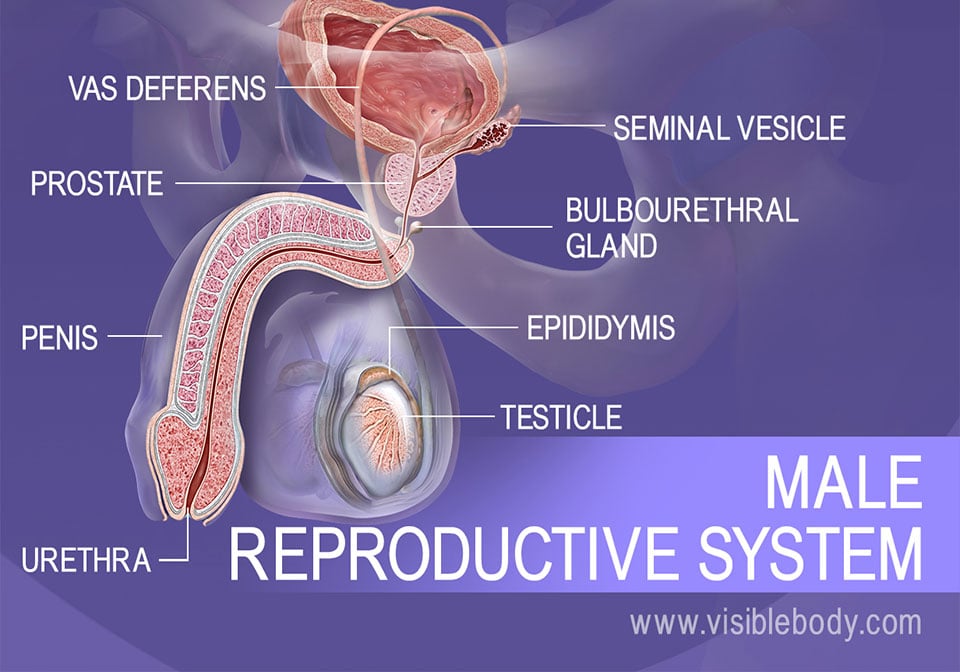
The testes, a pair of oval-shaped organs housed within the scrotum, are the primary powerhouses of sperm production, a complex and continuous process known as spermatogenesis. This biological marvel, however, is not static. Technology has provided us with unprecedented tools to peer into the microscopic world of seminiferous tubules, the highly coiled structures within the testes where sperm generation occurs.

Illuminating Spermatogenesis: Imaging and Microscopic Advancements
Historically, understanding spermatogenesis relied on invasive biopsies and limited microscopic observation. Today, advancements in imaging technology have dramatically improved our ability to visualize the intricate cellular ballet of sperm production. High-resolution microscopy, including electron microscopy, allows researchers to observe the morphology of developing sperm cells (spermatogonia, spermatocytes, spermatids, and spermatozoa) and the supporting Sertoli cells with unparalleled detail.
Furthermore, optical coherence tomography (OCT) is emerging as a non-invasive imaging technique that can provide cross-sectional views of testicular tissue. This technology uses light waves to create detailed images of cellular structures, offering insights into the health and density of seminiferous tubules without requiring physical samples. This has significant implications for early detection of testicular abnormalities that might impact sperm production.
Beyond static imaging, live-cell imaging techniques, coupled with advanced fluorescent markers, enable scientists to track the dynamic processes of cell division, differentiation, and maturation in real-time. This allows for a deeper understanding of the molecular signals and environmental factors that govern spermatogenesis, paving the way for targeted technological interventions.
The Digital Blueprint: Genomics and Proteomics in Spermatogenesis
The blueprint for sperm production lies within the genetic code. Technological leaps in genomics and proteomics are providing a comprehensive understanding of the genes and proteins involved in spermatogenesis. Whole-genome sequencing allows researchers to identify genetic variations associated with infertility or impaired sperm function. This information is crucial for developing genetic screening tools and personalized treatment approaches.
Proteomics, the study of the entire set of proteins produced by an organism, offers a dynamic view of the molecular machinery at play. By analyzing the proteins present in testicular tissue or seminal fluid at different stages of spermatogenesis, scientists can identify key regulatory proteins, signaling pathways, and potential biomarkers for reproductive health. Techniques like mass spectrometry are instrumental in this process, enabling the identification and quantification of thousands of proteins simultaneously.
The integration of this vast genomic and proteomic data with sophisticated bioinformatic tools and artificial intelligence (AI) algorithms is creating powerful predictive models. These models can help identify individuals at risk for reproductive issues and even suggest potential therapeutic targets by understanding the complex interplay of genes and proteins that govern successful sperm production.
Beyond Biology: Technological Interventions and Future Frontiers
The technological exploration of sperm production extends beyond mere observation and analysis. Emerging fields are focused on actively influencing and even recreating aspects of this biological process, pushing the boundaries of what’s possible in reproductive medicine and biotechnology.
Artificial Intelligence in Diagnosing and Predicting Sperm Health
AI is rapidly transforming healthcare, and male reproductive health is no exception. Machine learning algorithms are being trained on vast datasets of sperm analysis (spermograms), including parameters like sperm count, motility, and morphology. These AI systems can achieve remarkable accuracy in classifying sperm health, identifying subtle anomalies that might be missed by the human eye, and even predicting the likelihood of successful conception.
Furthermore, AI is being used to analyze medical imaging data from the testes, identifying patterns indicative of conditions that impair sperm production, such as varicoceles or early signs of testicular cancer. This can lead to earlier diagnoses and more effective interventions. The development of AI-powered mobile applications that can perform preliminary sperm analysis using smartphone cameras, while still in development and requiring rigorous validation, hints at a future where advanced diagnostics are more accessible.
The predictive power of AI is also being explored in understanding the impact of lifestyle factors, environmental toxins, and genetic predispositions on sperm production. By analyzing complex data correlations, AI can help individuals make informed decisions about their health and reproductive potential.
Bio-engineering and the Quest for Artificial Gametes
The ultimate frontier in the technological exploration of sperm production lies in the realm of bio-engineering and the pursuit of artificial gametes. While still largely in the research phase, scientists are exploring methods to generate sperm cells in vitro from stem cells. This research holds immense promise for individuals with severe infertility who cannot produce viable sperm, offering a potential path to biological parenthood.
This involves complex cell culture techniques, precise genetic manipulation, and the creation of specialized microenvironments that mimic the conditions within the testes. Researchers are working to understand and replicate the intricate signaling pathways that guide stem cells towards becoming functional spermatozoa. Success in this area would not only revolutionize fertility treatments but also offer invaluable insights into developmental biology and cell differentiation.
The ethical implications of artificial gamete production are significant and are being actively debated. However, the underlying technological advancements in stem cell biology, gene editing (like CRISPR-Cas9), and biomaterials are a testament to the relentless drive of technology to understand and, in some cases, replicate life’s most fundamental processes.
The Digital Ecosystem of Reproductive Health
The technological journey into the world of sperm production is not isolated to laboratories and research facilities. It’s increasingly integrated into a broader digital ecosystem designed to support male reproductive health, from proactive monitoring to advanced treatment planning.
Wearable Technology and Continuous Monitoring
The proliferation of wearable technology offers new avenues for indirectly monitoring aspects related to male reproductive health. While direct sperm production cannot be measured by current wearables, devices that track sleep patterns, stress levels (via heart rate variability), and physical activity can provide insights into overall well-being, which is intrinsically linked to hormonal balance and reproductive function.
Future iterations of wearable technology might incorporate more sophisticated sensors, potentially capable of monitoring subtle physiological changes that correlate with testicular health or hormonal fluctuations. This could empower individuals with real-time data to make informed lifestyle choices that support optimal reproductive function.
Telemedicine and Digital Health Platforms
The integration of telemedicine and digital health platforms is making reproductive health services more accessible and convenient. Men can consult with fertility specialists remotely, share diagnostic data digitally, and receive personalized treatment plans without the need for frequent in-person visits.
These platforms often utilize secure cloud storage for medical records and advanced data analytics to track patient progress and optimize treatment strategies. For conditions affecting sperm production, telemedicine allows for ongoing monitoring and adjustments to therapy, ensuring a more responsive and efficient healthcare experience.
Data Analytics and Personalized Medicine
The vast amounts of data being generated through genomic sequencing, proteomic analysis, imaging techniques, and even wearable devices are being harnessed by sophisticated data analytics platforms. This allows for the development of truly personalized medicine approaches to male reproductive health.
Instead of a one-size-fits-all approach, AI and machine learning algorithms can analyze an individual’s unique genetic makeup, lifestyle, and diagnostic results to predict their response to different treatments and tailor interventions for maximum effectiveness. This data-driven approach is transforming how we understand, diagnose, and manage conditions affecting sperm production, moving towards a future where reproductive health is proactively managed and optimized.

Conclusion: A Technologically Driven Future for Male Reproductive Health
The question “What organ produces sperm?” leads us to the testes, but the technological advancements surrounding this biological fact are truly remarkable. From high-resolution imaging and sophisticated genetic analysis to the transformative potential of AI and the ambitious goals of bio-engineering, technology is profoundly reshaping our understanding and capabilities in male reproductive health.
The continuous innovation in these fields promises not only to diagnose and treat infertility more effectively but also to empower individuals with greater knowledge and control over their reproductive well-being. As technology continues to evolve, we can anticipate even more groundbreaking discoveries and interventions that will redefine the future of male fertility and beyond. The microscopic world of sperm production is now illuminated by the powerful lens of technology, opening doors to possibilities that were once the stuff of science fiction.
aViewFromTheCave is a participant in the Amazon Services LLC Associates Program, an affiliate advertising program designed to provide a means for sites to earn advertising fees by advertising and linking to Amazon.com. Amazon, the Amazon logo, AmazonSupply, and the AmazonSupply logo are trademarks of Amazon.com, Inc. or its affiliates. As an Amazon Associate we earn affiliate commissions from qualifying purchases.