
In the modern landscape of global media, the Marvel Cinematic Universe (MCU) represents more than just a collection of superhero films; it is a seminal case study in brand architecture and consumer retention. For brand strategists and marketers, the question of “what order to watch Marvel movies in” is not merely a logistical query for fans, but a window into how a brand can successfully manage complex continuity while scaling at a pace unprecedented in entertainment history.
Understanding the sequence of the MCU provides insight into how Disney and Marvel Studios transformed a disparate group of intellectual properties into a singular, cohesive brand ecosystem. Whether viewing through the lens of release dates or chronological narrative, the order defines the consumer’s relationship with the brand identity.
The Release Date Strategy: Building a Sequential Brand Narrative
The initial strategy adopted by Marvel Studios, often referred to as the “Release Order,” is the primary framework for understanding the brand’s growth. This sequence was designed to introduce consumers to the brand’s core values—represented by the original Avengers—before expanding into more niche market segments.
Phase One: Establishing the Brand Anchor
The journey began in 2008 with Iron Man. This was a pivotal moment in brand positioning. By starting with a character that was not globally recognized as a “Tier 1” hero at the time, Marvel focused on high-quality production and a charismatic lead (Robert Downey Jr.) to establish a premium brand feel. The release order of Phase One—Iron Man, The Incredible Hulk, Iron Man 2, Thor, Captain America: The First Avenger, and The Avengers—served as a gradual onboarding process for the audience. Each film acted as a “product launch” that cross-promoted the next, culminating in a “platform integration” event with the first ensemble film.
The Teaser as a Call to Action
A key branding innovation within this order was the refinement of the post-credits scene. From a strategic standpoint, these segments functioned as high-conversion calls to action (CTAs). They signaled to the consumer that the purchase of one “product” (a movie ticket) was part of a larger, ongoing subscription to a narrative world. This created an “always-on” brand presence that kept the audience engaged during the gaps between major releases.
Scaling Through Diversification in Phase Two and Three
As the brand matured, the release order reflected a need for diversification. Guardians of the Galaxy and Ant-Man expanded the brand’s aesthetic and tonal range, moving from traditional military and sci-fi themes into space opera and heist comedy. This allowed the Marvel brand to capture different demographic segments while maintaining the core “MCU” quality seal. By the time the release order reached Avengers: Endgame, the brand had successfully integrated over twenty distinct storylines into a single, cohesive climax, a feat of project management and brand consistency that remains a benchmark in corporate identity.
The Chronological Order: Deepening Brand Lore and Consumer Immersion
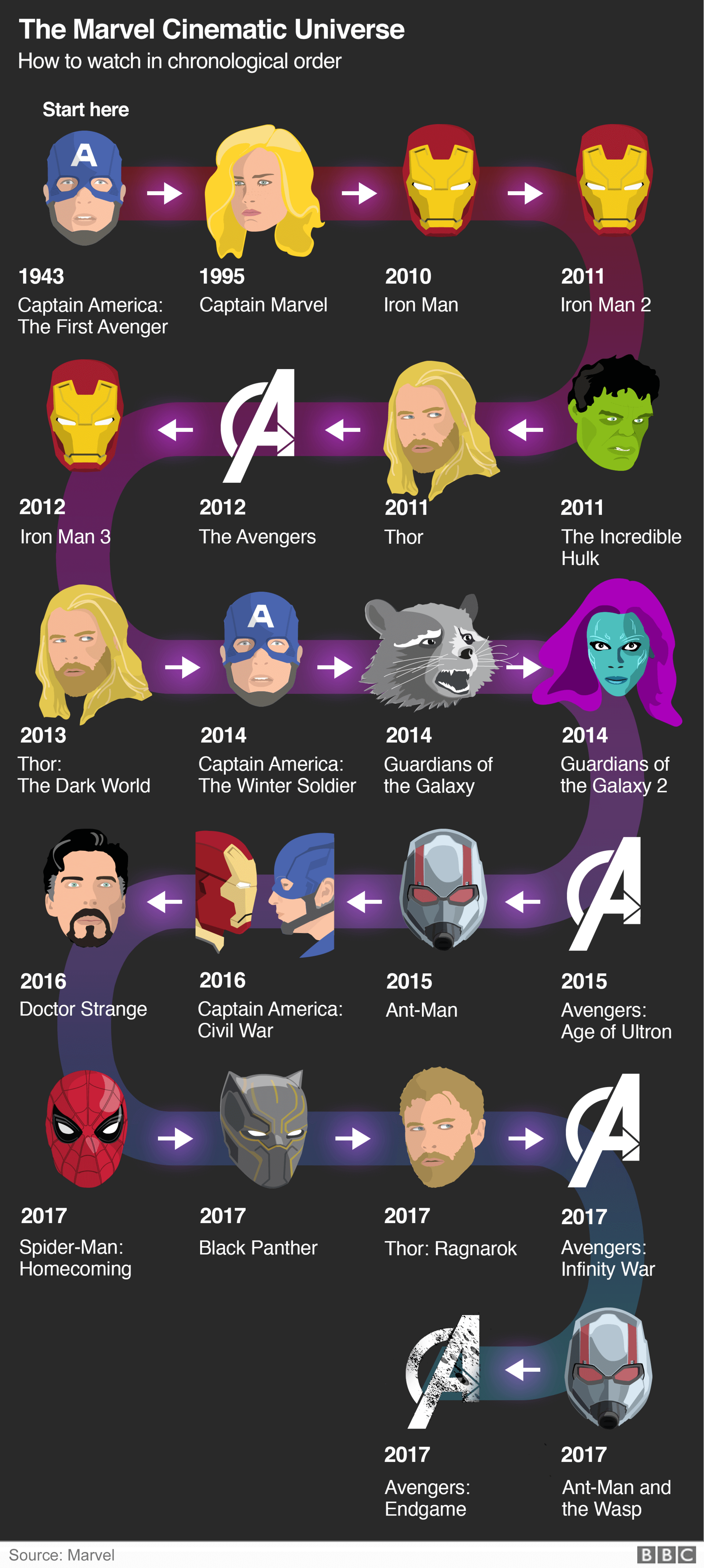
While the release order follows the brand’s market entry strategy, the “Chronological Order” provides a deeper dive into the brand’s internal history. For the dedicated consumer, watching the movies in the order the events occur—beginning with Captain America: The First Avenger (set in the 1940s) and Captain Marvel (set in the 1990s)—offers a retrospective look at the brand’s foundations.
Building a Heritage Narrative
From a branding perspective, chronological viewing emphasizes “Brand Heritage.” It allows consumers to see the historical development of the MCU’s world, much like a corporate biography. Understanding the origin of the “Super Soldier Serum” or the early days of S.H.I.E.L.D. provides a sense of depth and stability. Brands that can demonstrate a long, storied history—even a fictional one—often command higher levels of trust and emotional investment from their audience.
The Challenge of Retroactive Continuity
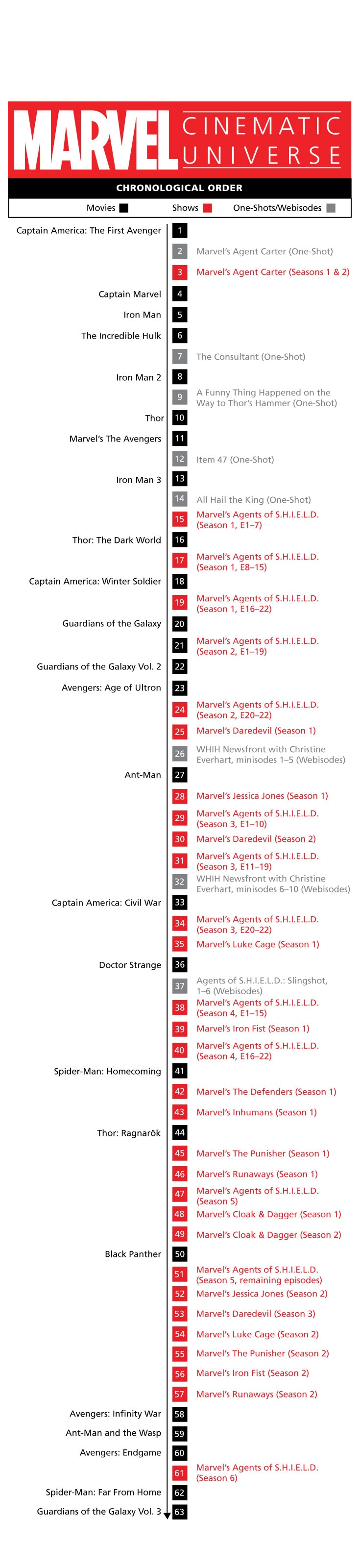
The chronological order also highlights the complexity of “Retconning” (retroactive continuity). As the brand expanded, Marvel Studios had to insert new stories into the established timeline without contradicting previous “data points.” For brand managers, this is equivalent to updating a product’s legacy features while ensuring they remain compatible with modern versions. The chronological sequence reveals how meticulously the Marvel “Brand Bible” is maintained to prevent brand dilution or logical fallacies that could alienate power users.
The Disney+ Integration: Expanding the Brand Ecosystem
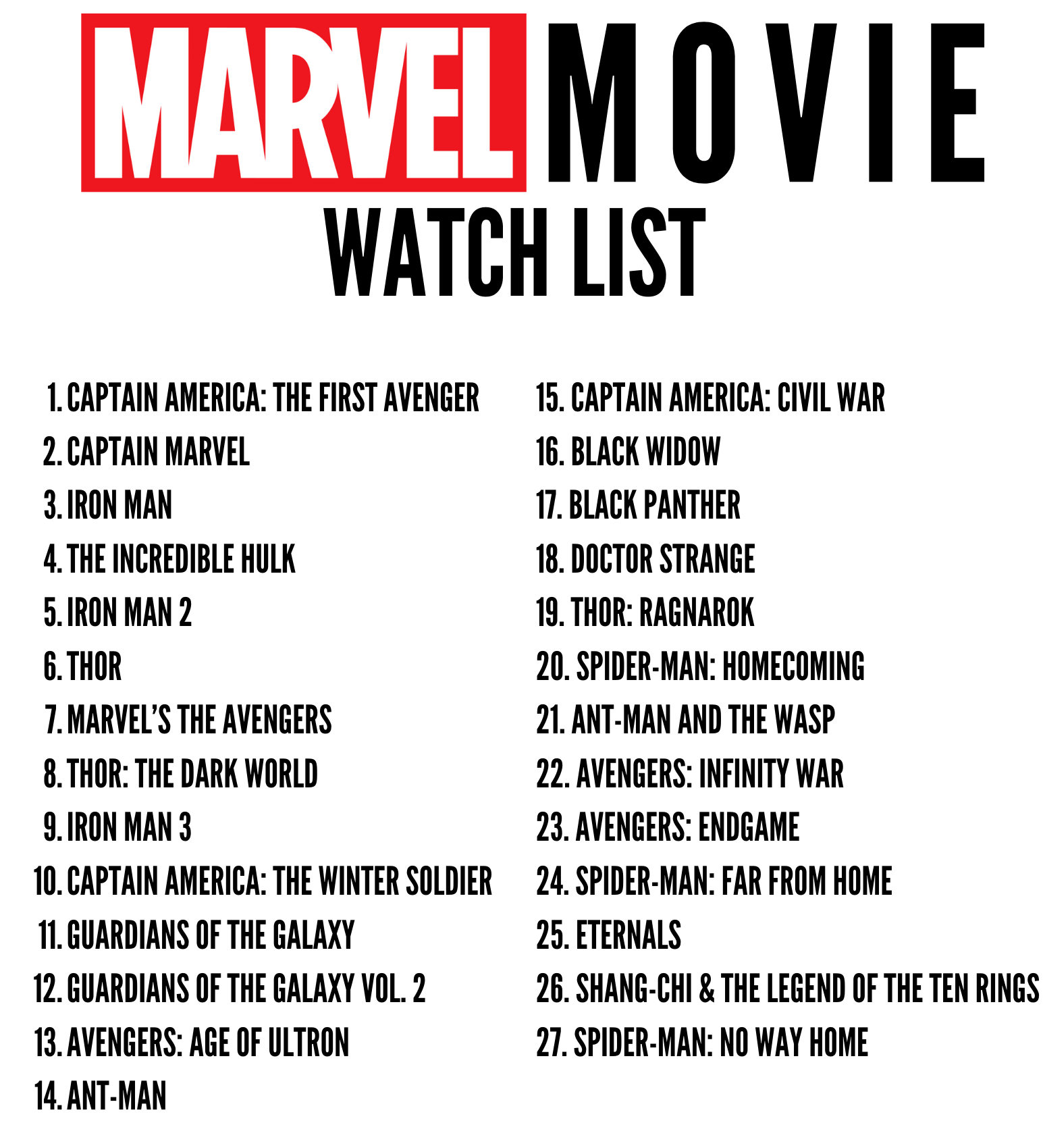
With the launch of Disney+, the order of consumption underwent a radical transformation. The brand moved from a purely cinematic experience to a multi-platform ecosystem. The introduction of series like WandaVision, The Falcon and the Winter Soldier, and Loki into the essential watch order represents a shift toward a SaaS-like (Software as a Service) model of content delivery.
Vertical Integration and Consumer Retention
The requirement to watch Disney+ series to understand subsequent theatrical releases is a masterclass in vertical integration. By weaving the television content into the “necessary” order, the brand ensures a recurring revenue stream through platform subscriptions. Consumers are no longer just buying a ticket; they are maintaining an ongoing relationship with the brand’s digital infrastructure.
The Transition from “Phase” to “Saga”
In this new era, the “order” is organized into larger “Sagas”—the Infinity Saga and the Multiverse Saga. This rebranding of timeframes allows Marvel to reset expectations and launch new product cycles without losing the momentum of previous years. It provides a structured framework for “legacy brand” characters to pass the torch to “new brand” iterations, ensuring the longevity of the IP (Intellectual Property).
The Multiverse Pivot: Rebranding Continuity for Future Growth
As the MCU enters its second decade, the “Multiverse” has become the central branding pillar. This strategic pivot allows the brand to solve a significant problem: the potential for the “watch order” to become too bloated and intimidating for new market entrants.
Managing Brand Complexity
By introducing the concept of the Multiverse in Spider-Man: No Way Home and Doctor Strange in the Multiverse of Madness, Marvel has essentially created “brand variants.” This allows the studio to experiment with different versions of the same character, appealing to different market tastes without breaking the primary timeline’s logic. It is a form of brand elasticity that allows the MCU to stay relevant in a rapidly changing cultural landscape.
Accessibility vs. Depth
The Multiverse strategy creates multiple “on-ramps” for the consumer. While the traditional order remains for the hardcore enthusiast, the Multiverse allows for soft reboots and standalone entries that don’t require twenty years of “homework.” This balancing act between rewarding long-term brand loyalty and lowering the barrier to entry for new customers is a critical challenge for any scaling brand.
Lessons in Long-Form Brand Equity
The order in which one consumes the Marvel Cinematic Universe reveals several universal truths about brand strategy and narrative architecture. The MCU has proved that a brand is not just a logo or a single product; it is a living, breathing ecosystem that thrives on consistency, innovation, and consumer engagement.
The Power of Interconnectedness
The primary lesson is the value of the “Interconnected Brand.” By making each film a prerequisite for the next, Marvel created a sense of urgency and necessity. In the corporate world, this is akin to creating an ecosystem where various products or services complement and enhance one another, making it difficult for the consumer to switch to a competitor.
Consistency as a Brand Promise
Regardless of the director or the specific genre of an individual film, the “Marvel Brand” remains consistent. The tone, the visual effects quality, and the thematic underpinnings are standardized. This consistency ensures that the consumer knows exactly what they are getting when they engage with the brand, regardless of where that film falls in the viewing order.
Strategic Foresight and Agility
Finally, the evolution of the watch order shows the importance of strategic foresight. Marvel Studios did not just plan one movie at a time; they planned entire decades. However, they also remained agile enough to incorporate new trends, such as the shift to streaming or the acquisition of new IP (like the X-Men or Fantastic Four).
In conclusion, determining the “best” order to watch Marvel movies is a subjective experience for the fan, but for the brand strategist, it is an objective study in excellence. The release order showcases market entry and growth; the chronological order highlights brand heritage and lore; and the modern multi-platform order demonstrates the power of an integrated digital ecosystem. Together, they form the blueprint for the most successful brand architecture of the 21st century.
aViewFromTheCave is a participant in the Amazon Services LLC Associates Program, an affiliate advertising program designed to provide a means for sites to earn advertising fees by advertising and linking to Amazon.com. Amazon, the Amazon logo, AmazonSupply, and the AmazonSupply logo are trademarks of Amazon.com, Inc. or its affiliates. As an Amazon Associate we earn affiliate commissions from qualifying purchases.