
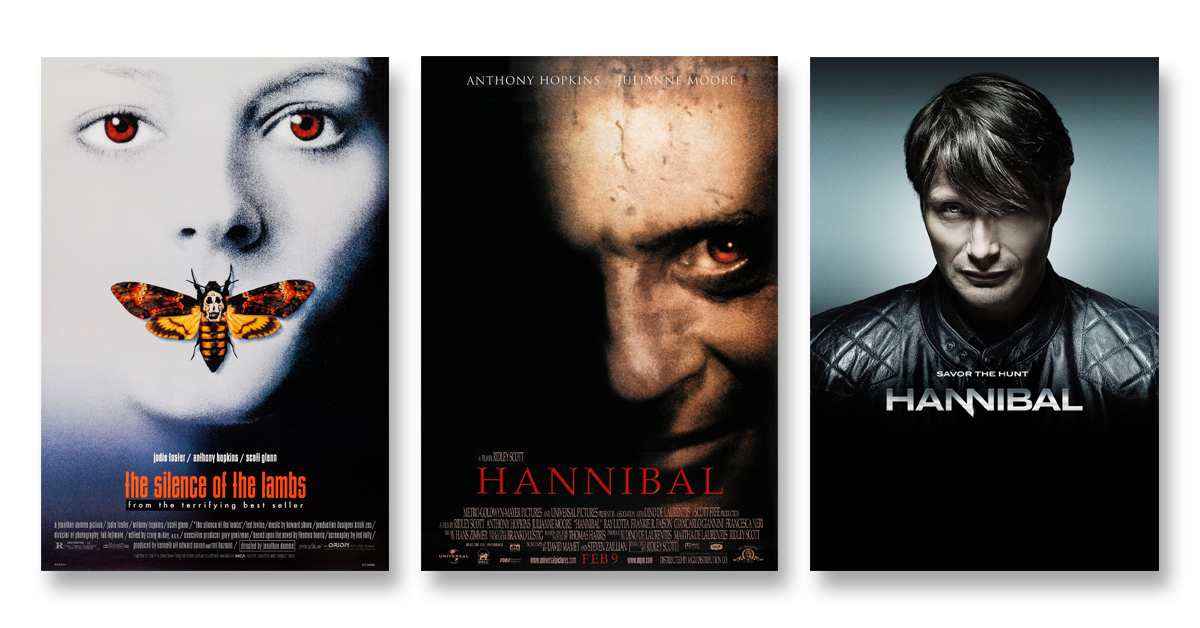
In the landscape of modern media, few intellectual properties (IP) have demonstrated the resilience, adaptability, and enduring prestige of the Hannibal Lecter franchise. What began as a series of psychological thriller novels by Thomas Harris has evolved into a multi-billion-dollar brand ecosystem spanning literature, cinema, and high-concept television. For marketers, brand strategists, and content creators, the “Hannibal” brand offers a profound lesson in how a single character can anchor a diverse portfolio of products. Understanding the “order” in which one watches the Hannibal movies is not merely a question of plot continuity; it is an exploration of how a brand’s narrative identity is constructed, deconstructed, and revitalized over four decades.
The Anatomy of a Global Intellectual Property Brand
The success of the Hannibal Lecter franchise is not accidental. It is the result of a meticulously crafted brand identity that transcends the “horror” genre. While most slasher or thriller icons rely on shock value, the Hannibal brand is built on a foundation of sophistication, intellectualism, and aesthetic refinement. This “Prestige Horror” positioning allowed the franchise to capture market segments that typically avoid the genre.
From Thomas Harris to Hollywood: The Birth of a Legacy
The brand’s strength originates in the source material. Thomas Harris didn’t just write a character; he developed a unique “Brand Voice” for Hannibal Lecter—one that combined cannibalistic brutality with a deep appreciation for the fine arts, classical music, and haute cuisine. When the brand transitioned to film, specifically with 1991’s The Silence of the Lambs, Orion Pictures utilized a marketing strategy that emphasized psychological depth over gore. This strategic positioning led to an unprecedented sweep of the “Big Five” Academy Awards, cementing the Hannibal name as a “Blue Chip” asset in the cinematic world.
Visual Identity and the “Hannibal” Aesthetic
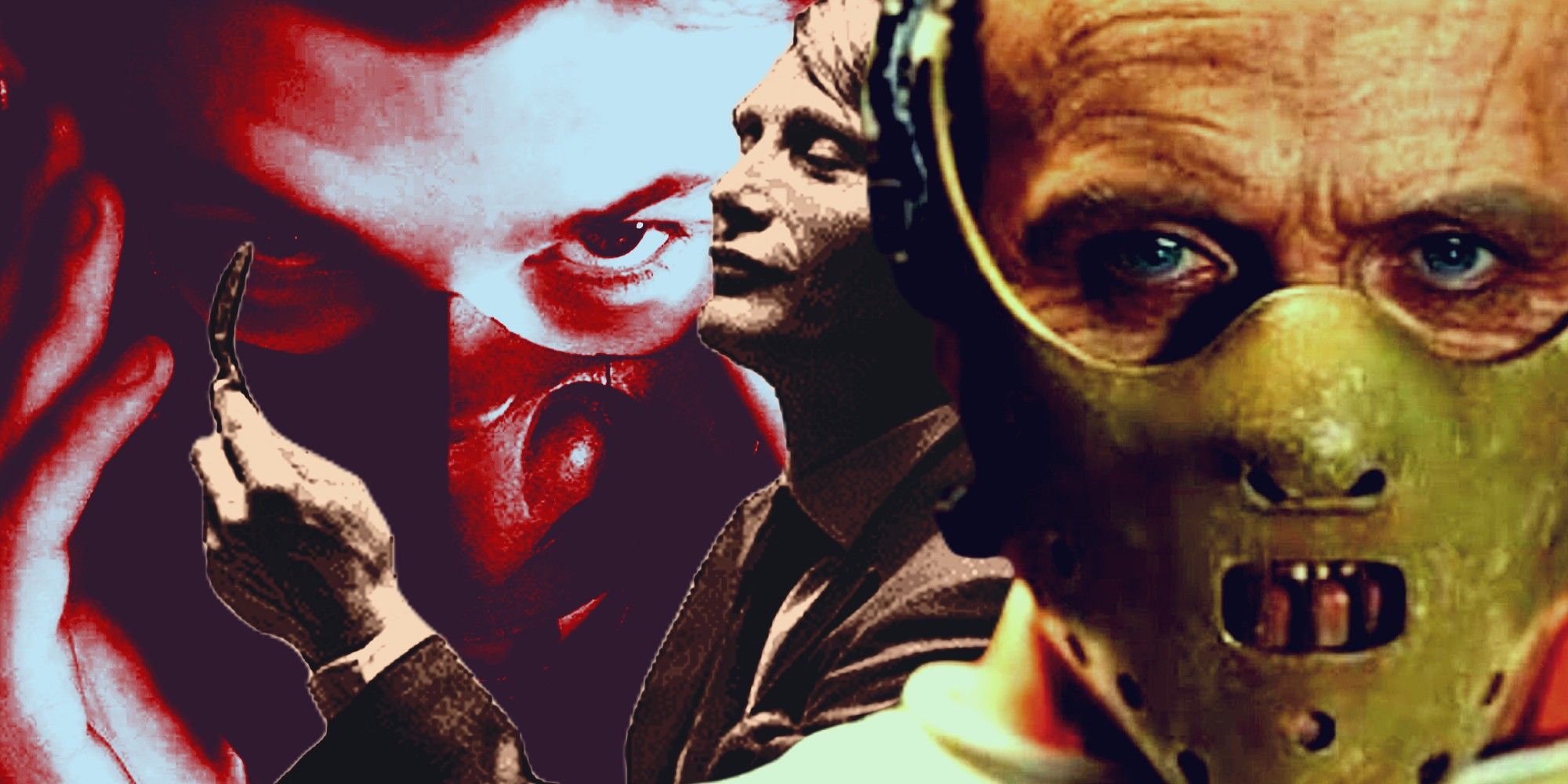
A brand is often defined by its visual cues. For Hannibal, the visual identity is comprised of several high-recognition assets: the iconic fiberglass restraint mask, the sterile cell in the Baltimore State Hospital for the Criminally Insane, and the contrast between the doctor’s impeccably tailored suits and his primal actions. These elements serve as a “Brand Style Guide” that remains consistent across different iterations. Whether the character is played by Anthony Hopkins, Mads Mikkelsen, or Brian Cox, the brand remains recognizable through these recurring visual motifs, ensuring brand equity is preserved even as the “product” (the actor) changes.
Chronological vs. Release Order: Impacts on Brand Narrative Perception
When consumers ask for the “best order” to watch the Hannibal movies, they are effectively asking how to engage with the brand’s narrative architecture. From a brand strategy perspective, the order of consumption dictates the “brand journey.” There are two primary schools of thought, each offering a distinct experience of the IP.
The Release Order: Building Mystery and Prestige
The release order—Manhunter (1986), The Silence of the Lambs (1991), Hannibal (2001), Red Dragon (2002), and Hannibal Rising (2007)—represents the organic growth of the brand. For a brand strategist, this order is fascinating because it shows the “Scaling Phase” of the IP.
- Initial Entry: Manhunter was a cult success but lacked the broad market penetration needed to launch a franchise.
- The Peak: The Silence of the Lambs represents the brand’s “Killer App,” the product that defines the entire category.
- Expansion: Hannibal and Red Dragon represent the brand’s attempt to capitalize on market demand, offering deeper dives into the protagonist’s psyche.
Watching in this order allows the consumer to witness the brand’s evolution in real-time, seeing how the industry’s perception of “Prestige Horror” shifted as the franchise became more commercialized.
The Chronological Order: Understanding Character Development as a Brand Asset
For those seeking a linear narrative, the chronological order—Hannibal Rising, Red Dragon (or Manhunter), The Silence of the Lambs, and Hannibal—functions as a “Brand Origin Story.”
- The Foundation: Hannibal Rising acts as a prequel, providing the backstory that explains the brand’s motivations.
- The Development: Red Dragon sets the stage for the character’s incarceration.
- The Maturity: The Silence of the Lambs shows the brand at its most potent and influential.
- The Conclusion: Hannibal represents the brand’s ultimate liberation and total dominance of its environment.
From a strategic standpoint, the chronological order is often criticized because it de-mystifies the “product.” In branding, sometimes mystery is a more valuable asset than clarity. By starting with the origin (Hannibal Rising), the “Premium” aura of the character is somewhat diluted by over-explanation.
Managing a Fragmented Brand Ecosystem

One of the greatest challenges for any long-running brand is maintaining consistency across different creative teams and eras. The Hannibal franchise has been managed by different studios (Orion, Universal, MGM, De Laurentiis Communications) and different directors (Jonathan Demme, Ridley Scott, Michael Mann, Brett Ratner).
The Silence of the Lambs as the Brand Pillar
In any multi-product brand, there is usually one “Hero Product” that supports the others. For this IP, The Silence of the Lambs is the brand pillar. It established the “Customer Experience” (the psychological tension) that all subsequent films tried to replicate. When consumers think of the Hannibal brand, they are essentially thinking of the Hopkins/Demme collaboration. This poses a risk: if the brand deviates too far from this pillar, it loses its core audience.
The Challenge of Rebranding: Red Dragon and Hannibal Rising
In the early 2000s, the producers faced a “Brand Dilution” crisis. After the massive commercial success of Hannibal (2001), there was a rush to produce more content. Red Dragon (2002) was a strategic “back to basics” move, remaking the story of Manhunter but with the established “visual language” of the Hopkins era. However, Hannibal Rising (2007) was a classic case of “Brand Overextension.” By attempting to explain the character’s childhood trauma, the producers inadvertently moved the brand away from the sophisticated horror that made it successful, leading to a decline in both critical and commercial ROI.
Strategic Brand Extensions: The Television Influence
The most significant shift in the Hannibal brand strategy occurred not in film, but on television. The Hannibal TV series (2013–2015), developed by Bryan Fuller, serves as a masterclass in “Brand Revitalization.”
Cultivating Brand Loyalty through Long-Form Storytelling
The television series took a “Boutique Brand” approach. Rather than aiming for the widest possible audience, it catered to a “Super-Fan” demographic by emphasizing high-art cinematography, complex philosophical dialogue, and a reimagined aesthetic. This strategy successfully transitioned the brand into the “Peak TV” era, proving that the Hannibal IP was flexible enough to survive a total visual and tonal reboot. The TV series didn’t just maintain the brand; it elevated it, introducing it to a younger, digitally native audience that valued the “Aesthetic” as much as the narrative.
Integrating the TV Series into the Movie Canon
For the modern viewer, the “order” now includes the television series, which complicates the consumption strategy. While the show is technically a prequel to the events of Red Dragon, it exists in its own “Brand Universe.” This creates a “Multiverse” brand strategy similar to what we see with Marvel or DC. Consumers are now encouraged to engage with different “flavors” of the same brand, choosing between the gritty realism of Manhunter, the prestige of Silence, or the hyper-stylized world of the TV show.
Future-Proofing the Lecter Legacy
As we look toward the future of the Hannibal Lecter IP, the lessons learned from its 40-year history are invaluable for any brand strategist. The franchise has survived because it understands its “Core Value Proposition”: the intersection of beauty and horror.
Modern Marketing Lessons from the Hannibal Franchise
- Consistency in Quality: The brand’s strongest moments occurred when it prioritized “Prestige” over “Mass Appeal.”
- Adaptability: The brand successfully navigated the transition from novels to film to television by adapting its “Product Format” while keeping its “Brand Identity” intact.
- The Power of the Antagonist: Most brands focus on the hero. The Hannibal brand proved that a compelling, well-defined “villain” can be a more sustainable brand anchor than a traditional protagonist.
In conclusion, whether a viewer chooses to watch the Hannibal movies in release order to experience the cultural zeitgeist, or in chronological order to witness the character’s evolution, they are participating in a carefully managed brand experience. The “order” matters less than the realization that Hannibal Lecter is more than a movie character—he is a sophisticated, multi-platform brand that continues to set the gold standard for intellectual property management in the entertainment industry. For professionals in Brand Strategy, the franchise remains a definitive case study in how to maintain a premium identity in a rapidly changing marketplace.
aViewFromTheCave is a participant in the Amazon Services LLC Associates Program, an affiliate advertising program designed to provide a means for sites to earn advertising fees by advertising and linking to Amazon.com. Amazon, the Amazon logo, AmazonSupply, and the AmazonSupply logo are trademarks of Amazon.com, Inc. or its affiliates. As an Amazon Associate we earn affiliate commissions from qualifying purchases.