
The “Fast & Furious” franchise stands as a colossal global entertainment brand, a testament to cinematic longevity and strategic evolution. What began as a relatively modest film centered on street racing culture has blossomed into a multi-billion-dollar juggernaut, encompassing a sprawling narrative universe, a diverse cast of beloved characters, and an ever-expanding fan base. However, with its numerous installments, prequels, sequels, and even a spin-off, the viewing order can appear daunting. Far from being a mere logistical challenge for casual viewers, the question of “what order to watch Fast and Furious movies” offers a fascinating lens through which to examine critical aspects of brand management, narrative strategy, and sustained audience engagement in a complex intellectual property landscape.
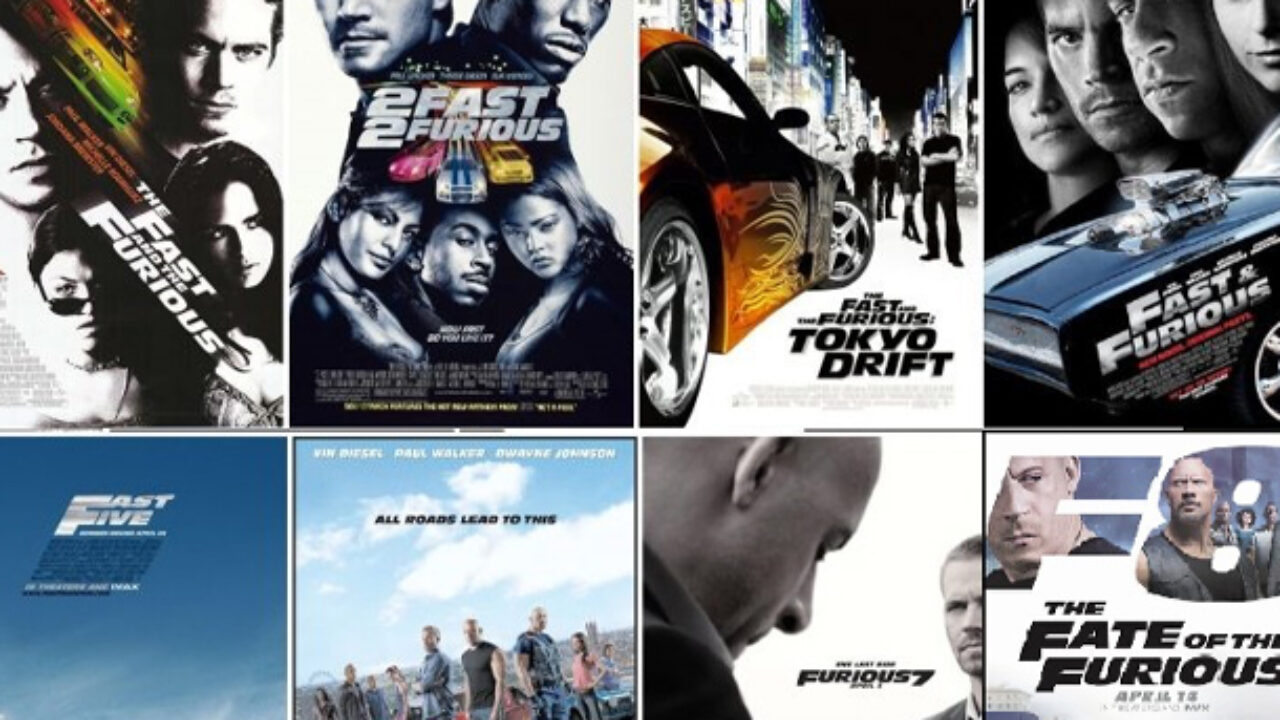
This article delves into the strategic implications of the Fast & Furious viewing order, exploring how the brand has navigated its intricate timeline, leveraged narrative inconsistencies, and cultivated a fiercely loyal community. Understanding the “right” order isn’t just about following a story; it’s about appreciating the strategic decisions that have allowed this brand to thrive for over two decades, consistently reinventing itself while retaining its core identity.
The Evolution of a Global Entertainment Brand: Fast & Furious’s Enduring Legacy
The Fast & Furious saga is more than just a series of films; it’s a dynamic brand that has adapted, expanded, and cemented its place in popular culture. Its journey offers valuable insights into how an entertainment property can sustain relevance and grow its market share over an extended period.
From Niche Car Culture to Blockbuster Phenomenon: Adapting Brand Identity
The initial installments of the Fast & Furious brand were rooted firmly in the niche subculture of street racing and tuner cars. This original brand identity resonated with a specific, passionate demographic. However, the true genius of the brand’s evolution lies in its strategic pivot. Recognizing the limitations of a niche market, Universal Pictures, the brand steward, gradually expanded the scope. The introduction of high-stakes heists, international espionage, and increasingly outlandish stunts transformed the brand from a car movie series into a globe-trotting action spectacle. This expansion wasn’t a betrayal of its origins but a masterful redefinition of its core values: family, loyalty, and adrenaline-fueled excitement, making them universally appealing. This adaptive strategy demonstrates a keen understanding of market dynamics and the ability to reposition a brand for broader appeal without losing its foundational essence. The brand successfully transitioned from a cult favorite to a mainstream powerhouse, a critical move for long-term commercial viability.
Strategic Storytelling and Narrative Resilience: Managing a Sprawling Timeline
One of the most remarkable aspects of the Fast & Furious brand is its ability to maintain a coherent, albeit convoluted, narrative over many years and across multiple films that were not released in chronological order. The initial films established characters and relationships, but as the brand grew, narrative choices introduced significant timeline shifts, particularly with The Fast and the Furious: Tokyo Drift initially serving as a future-set film. This presented a unique challenge: how to integrate new stories and characters while respecting the established history and not alienating long-time fans.
The brand’s response was a strategic narrative recalibration, retroactively placing Tokyo Drift later in the timeline after Fast & Furious 6. This creative solution showcased the brand’s resilience in managing its intellectual property, demonstrating a willingness to re-engineer its narrative fabric to accommodate growth and ensure character continuity (e.g., bringing back Han). This complex narrative management is a form of brand stewardship, ensuring that despite twists and turns, the overarching story remains compelling and understandable for its audience, thereby preserving the brand’s integrity.
The Power of Fan Loyalty: Building a Dedicated Community
The Fast & Furious brand owes much of its enduring success to its incredibly loyal and engaged fan base. This community isn’t just passive consumers; they are active participants in the brand’s narrative, dissecting trailers, theorizing plotlines, and passionately debating character arcs. The very act of discussing “what order to watch” the movies is a testament to this deep engagement. The brand consistently reinforces its core theme of “family,” a concept that extends beyond the characters on screen to the global community of fans. This strong emotional connection translates into sustained box office success, merchandise sales, and continued cultural relevance. From a brand perspective, fostering such loyalty is paramount; it creates advocates who not only consume the content but actively promote it, ensuring the brand’s continued visibility and growth through organic word-of-mouth and digital engagement.
Unpacking the Chronological Conundrum: Navigating the Fast & Furious Brand Timeline
For newcomers and seasoned fans alike, determining the optimal viewing order is crucial for fully appreciating the brand’s narrative depth and character development. This isn’t just about entertainment; it’s about experiencing the brand’s story as it was strategically designed to unfold, even with its initial temporal quirks.
Release Order vs. Chronological Order: A Brand’s Dilemma
The most significant challenge in navigating the Fast & Furious brand timeline stems from the divergence between its release order and its internal chronological order. While most film series are designed to be watched sequentially by release, the Fast & Furious brand cleverly (or perhaps coincidentally, then strategically) played with its timeline. Watching in release order might lead to temporary confusion, especially with Tokyo Drift‘s initial placement. However, watching in chronological story order allows for a more cohesive understanding of character motivations, plot developments, and the brand’s evolving world. The decision to deliberately shift narratives (e.g., placing films before Tokyo Drift despite being released after it) was a calculated risk that ultimately paid off, allowing for the re-introduction of popular characters and the expansion of the universe while maintaining a logical progression for the brand’s long-term vision.
The ‘Core Saga’ Path: Maintaining Brand Cohesion
For brand cohesion and a logical narrative flow, the recommended chronological order focuses on the core saga films, integrating the key spin-off at the appropriate juncture. This sequence ensures that character arcs, plot points, and the overarching “family” theme resonate most effectively, enhancing the viewer’s immersion in the brand’s universe.

Here is the strategic chronological viewing order for the Fast & Furious brand:
- The Fast and the Furious (2001): Establishes the foundational brand identity, characters, and themes.
- 2 Fast 2 Furious (2003): Expands on the universe and introduces new key players, solidifying the brand’s early direction.
- Fast & Furious (2009): A critical strategic move, reuniting core characters and setting the stage for the brand’s evolution into a heist-action franchise.
- Fast Five (2011): The pivotal film that fundamentally redefined the brand, shifting from street racing to global action and introducing Dwayne “The Rock” Johnson’s character, Hobbs, significantly broadening the brand’s appeal.
- Fast & Furious 6 (2013): Continues the brand’s action-heavy direction, directly preceding the events that finally integrate Tokyo Drift.
- The Fast and the Furious: Tokyo Drift (2006): While released earlier, this film’s narrative strategically fits here. Watching it after Fast & Furious 6 and before Furious 7 makes the most sense chronologically, allowing for the impactful return of Han. This placement is a masterful example of retroactive brand narrative management.
- Furious 7 (2015): Deals with the direct aftermath of Tokyo Drift‘s events, solidifying the chronological flow. This film also marked a significant emotional moment for the brand following Paul Walker’s passing, demonstrating its ability to handle real-world challenges while maintaining narrative integrity.
- The Fate of the Furious (2017): Continues the brand’s global espionage theme, introducing new antagonists and character dynamics.
- Fast & Furious Presents: Hobbs & Shaw (2019): This spin-off represents a strategic brand extension, allowing for exploration of the universe beyond the core “family” while leveraging popular characters. While not strictly part of the main saga’s immediate chronology, it fits here as an expansion of the brand’s world.
- F9 (2021): Delves deeper into the core family’s history, further expanding the brand’s narrative depth.
- Fast X (2023): The latest installment, pushing the brand towards its concluding chapters, while continuing to introduce new faces and expand the narrative.
Brand Extensions and Spin-offs: Diversifying the Portfolio
The introduction of Fast & Furious Presents: Hobbs & Shaw is a prime example of strategic brand diversification. By creating a spin-off focused on popular characters, the brand was able to explore new narrative avenues, attract new audiences, and extend its commercial reach without diluting the core saga. This move showcases intelligent brand architecture, allowing for multiple product lines under the Fast & Furious umbrella while maintaining a consistent overall brand identity and leveraging established intellectual property. These extensions are not just movies; they are new brand touchpoints designed to keep the franchise vibrant and profitable.
The Strategic Implications of Narrative Order for Brand Engagement
The order in which consumers experience a brand’s narrative is not a trivial detail; it profoundly impacts their engagement, perception, and long-term loyalty. For a complex brand like Fast & Furious, managing this order is a strategic imperative.
Deepening Customer Immersion: The Value of a Coherent Journey
A coherent viewing order allows audiences to fully immerse themselves in the brand’s world. By understanding character development, plot motivations, and emotional stakes as they were intended, viewers develop a deeper connection to the brand. This immersion is critical for building enduring customer loyalty. When the narrative flows logically, the brand’s messaging – particularly its emphasis on “family” and overcoming adversity – resonates more strongly, transforming casual viewers into invested fans. This enhanced immersion directly translates to repeat engagement and positive brand advocacy.
Managing Brand Perception: The Role of Continuity
Narrative continuity, even if retroactively managed, is vital for maintaining brand credibility. A disjointed or confusing story can lead to audience frustration and a diluted brand experience. By establishing and guiding viewers toward a logical chronological order, the Fast & Furious brand safeguards its perception as a well-constructed, albeit ambitious, narrative universe. This meticulous attention to continuity, even post-release, demonstrates respect for the audience and a commitment to maintaining a high standard of intellectual property management, which in turn strengthens brand trust and reputation.
Future-Proofing the Franchise: Brand Longevity through Storytelling
A well-understood and managed timeline is instrumental in future-proofing a long-running franchise. It provides a stable foundation upon which future installments, spin-offs, and even prequels can be built without creating insurmountable narrative conflicts. By understanding where each piece fits, the brand’s creative teams can strategically plan new content that expands the universe while respecting its established history. This proactive approach to storytelling ensures brand longevity, allowing the Fast & Furious saga to continue evolving and captivating audiences for years to come, securing its position as a generational brand.
Marketing and Community: Leveraging the Viewing Order as a Brand Tool
The Fast & Furious brand effectively utilizes its unique viewing order as a catalyst for community engagement and a tool in its marketing arsenal.
Fan Forums and Social Media: Co-creating the Brand Narrative
Discussions around the “correct” Fast & Furious viewing order are ubiquitous across fan forums, social media, and dedicated websites. This isn’t a problem for the brand; it’s an opportunity. These conversations exemplify user-generated content (UGC) at its best, with fans actively dissecting, debating, and curating the brand’s narrative. This active co-creation fosters a sense of ownership and community among fans, transforming them into enthusiastic brand ambassadors. The brand cleverly benefits from this organic engagement, as these discussions contribute to its ongoing relevance and visibility without direct marketing spend. It’s a powerful demonstration of how a complex narrative can ignite and sustain a vibrant fan culture.
Promotional Strategies: Guiding the Audience Experience
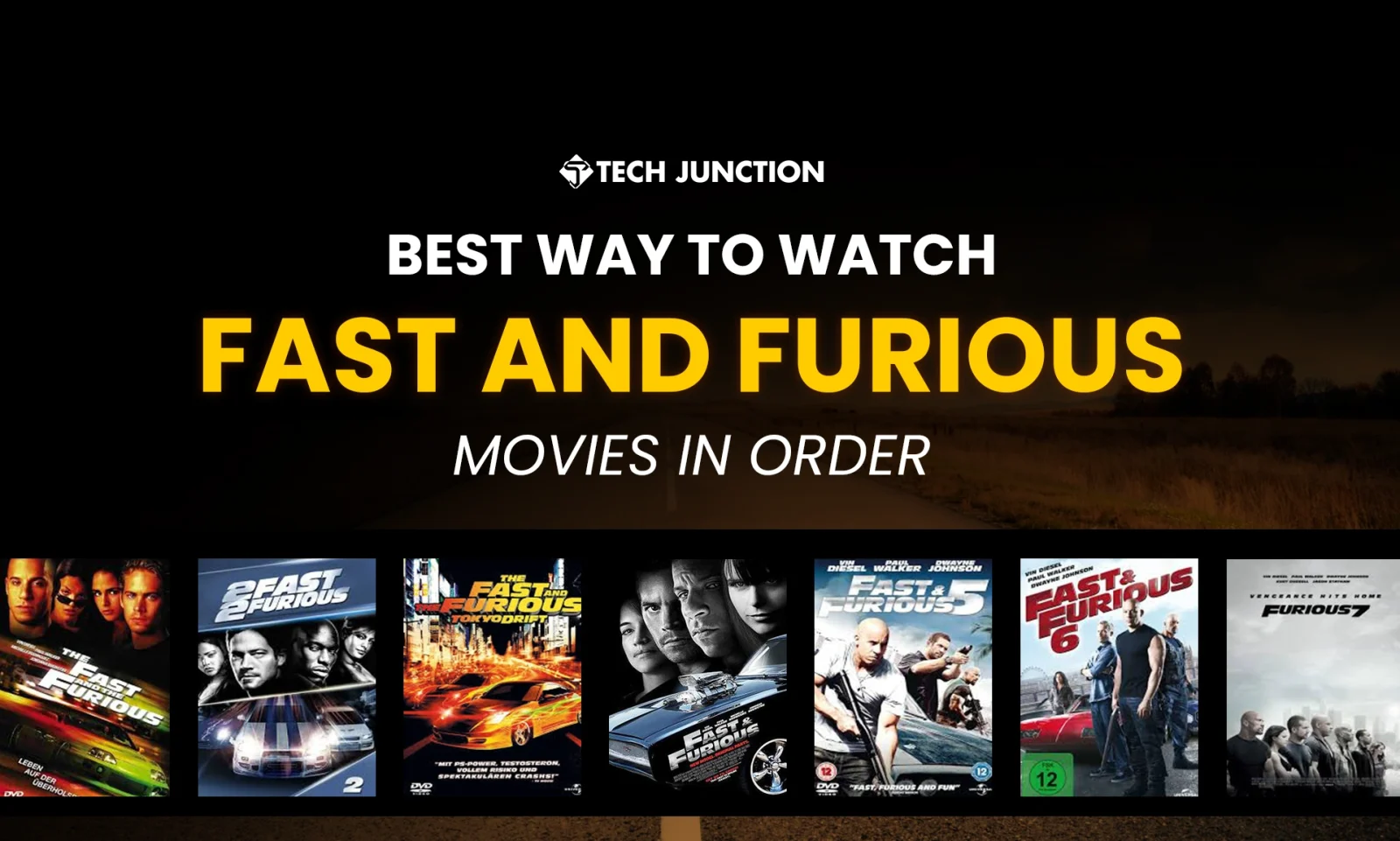
While the franchise’s timeline can be complex, official marketing and promotional strategies can leverage this by guiding the audience experience. Studios can offer “Ultimate Chronological Collections” or create online guides, effectively curating the viewing journey for consumers. This proactive approach not only helps new audiences onboard but also encourages existing fans to re-engage with the entire saga, potentially boosting sales of older films or digital rentals. Bundling films in a recommended chronological order, for instance, is a marketing strategy that adds value for the consumer while reinforcing the brand’s narrative integrity. By providing a clear path, the brand helps its audience navigate its rich history, ensuring a more fulfilling and cohesive consumption experience.
In conclusion, the seemingly straightforward question of “what order to watch Fast and Furious movies” unravels into a sophisticated case study in brand management and strategic narrative development. The Fast & Furious franchise’s journey from niche car culture to global action phenomenon is a testament to its adaptive brand identity, resilient storytelling, and profound ability to cultivate fan loyalty. By strategically navigating its complex timeline and leveraging both its core saga and brand extensions, Universal Pictures has not only entertained millions but also engineered a lasting legacy. Understanding the viewing order is thus not merely about enjoying the films; it’s about appreciating the intricate layers of brand strategy that have enabled this high-octane franchise to remain relevant, engaging, and incredibly successful for over two decades.
aViewFromTheCave is a participant in the Amazon Services LLC Associates Program, an affiliate advertising program designed to provide a means for sites to earn advertising fees by advertising and linking to Amazon.com. Amazon, the Amazon logo, AmazonSupply, and the AmazonSupply logo are trademarks of Amazon.com, Inc. or its affiliates. As an Amazon Associate we earn affiliate commissions from qualifying purchases.